Cannabis and Mental Health: What to Know

Can cannabis help with mental health? The honest answer is that the evidence is mixed and still developing, and cannabis is not a proven treatment for anxiety, depression or other mental health conditions. Some people report relief, often from CBD-forward or balanced products, while high-THC cannabis can actually worsen anxiety, trigger paranoia, and carries risks for people prone to psychosis, young users and those at risk of dependence.
If you are struggling, professional care is what works best. Treat cannabis as something to discuss with a doctor, not a self-prescribed fix. This is general information, not medical advice.
Recommended Strains
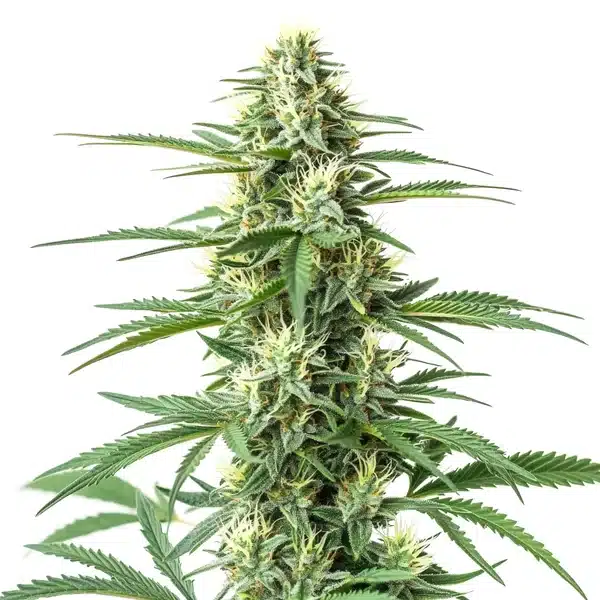
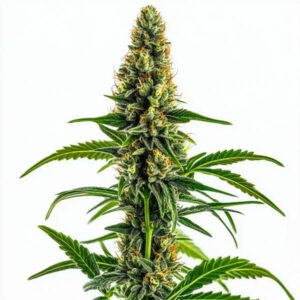
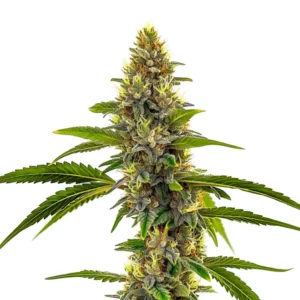
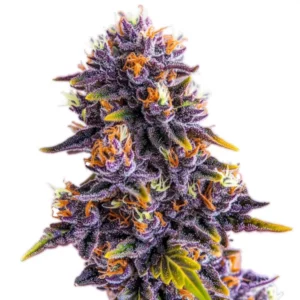
CBD Critical Mass (1:1)

|
CBD | 5% (Low) |

|
Type | CBD Feminized |

|
Yield | Medium |

|
Phenotype | 60% Indica / 40% Sativa |
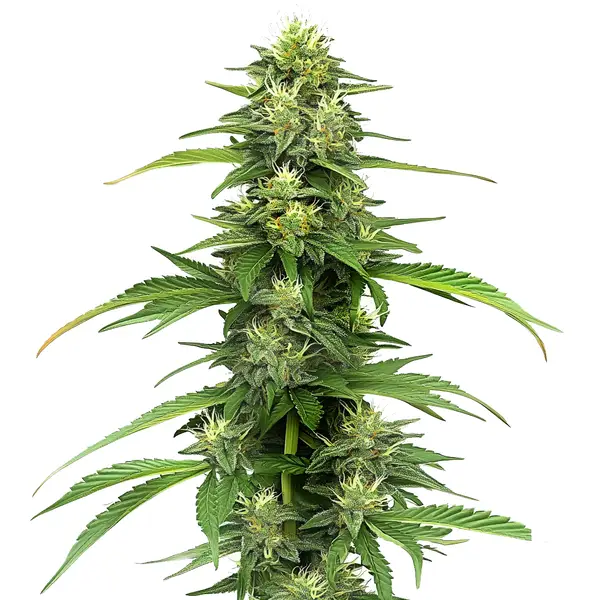
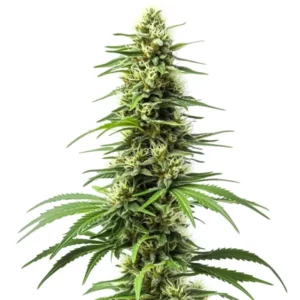
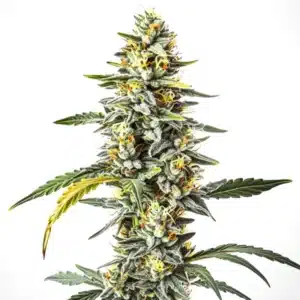
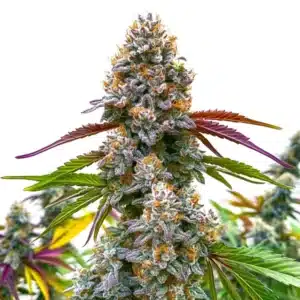
Blueberry CBD (1:16)
|
|
CBD | 14% – 16% (Medium) |
|
|
Type | CBD Feminized |
|
|
Yield | Medium |
|
|
Phenotype | 60% Indica / 40% Sativa |
What the Evidence Actually Says
It is easy to find strong claims that cannabis cures anxiety or depression, but the research does not support treating it as a reliable therapy. Studies are mixed: some suggest CBD may have a calming effect and that certain people feel short-term relief, while others show that THC, especially at higher doses, can increase anxiety and low mood over time. Cannabis has not been approved as a treatment for these conditions, and it is not a substitute for therapy or prescribed medication.
The most accurate framing is that this is an area of ongoing study, where potential benefits sit alongside real risks that vary a lot from person to person.
Promos & Deals
THC vs CBD for Mood: A Careful Comparison
The THC-to-CBD balance matters a great deal here. This is general information, not medical advice:
| Compound | Reported effect on mood | Caution |
|---|---|---|
| CBD (non-intoxicating) | Some report calm, reduced tension | Evidence still limited; can interact with medications |
| High-THC | Short-term relief for some | Can worsen anxiety/paranoia; risk for psychosis-prone users |
| Balanced (1:1) | Milder, more clear-headed for some | Still individual; start very low |
If anyone explores cannabis for mood, lower-THC or CBD-forward options are generally the more cautious starting point, under medical guidance.
The Real Risks to Weigh
An honest guide has to cover the downsides. High-THC cannabis can trigger or worsen anxiety and panic, cause paranoia, and is linked to a higher risk of psychosis in people who are predisposed, with the risk greater for adolescents and heavy users whose brains are still developing or who use frequently. Cannabis use disorder (dependence) is also real. For some people with existing mental health conditions, regular use can make symptoms or motivation worse rather than better, and it can interact with psychiatric medications.
None of this means cannabis is universally harmful, but it does mean the risks are genuine and personal, which is exactly why a professional should be involved in any decision.
Conditions People Ask About (PTSD, Anxiety, Depression)
Cannabis is frequently discussed in relation to PTSD, anxiety, depression and sleep, and in some places medical cannabis programs include certain conditions. Even so, being eligible for a program is not the same as proven effectiveness, and results in studies are inconsistent. For PTSD in particular, some patients report that it helps with sleep or hyperarousal, while formal evidence remains limited and the picture is far from settled.
The safest approach for any of these conditions is to pursue evidence-based care first (therapy and, where appropriate, prescribed medication) and to treat cannabis as a possible adjunct to discuss with a professional, never a replacement. This is general information, not medical advice.
A Cautious, Informed Approach
If cannabis is legal where you live and you and a healthcare professional decide to explore it, the cautious path is to start with low doses and CBD-forward or balanced products rather than very high-THC flower, to pay honest attention to whether it actually helps or makes anxiety, mood or motivation worse, and to avoid it entirely if you have a personal or family history of psychosis. Keep your doctor informed, especially if you take other medications.
For related reading, see our guides to CBD vs THC, terpenes and anxiety, and calmer strain options. This is general information, not medical advice.
The Bottom Line on Cannabis and Mental Health
Cannabis is not a proven cure for any mental health condition, and the evidence is genuinely mixed. Some people find CBD-forward or balanced products calming, but high-THC use can worsen anxiety, trigger paranoia and carry serious risks for vulnerable groups. Prioritise evidence-based care, involve a professional before using cannabis for any mental health reason, start low and CBD-forward if you do, and stop if it makes things worse.
Treated with honesty and caution, cannabis is a topic to explore with a doctor, not a shortcut around proper mental health support. This is general information, not medical advice.
Where to Get Real Support
If you or someone you know is struggling with mental health, the most important step is reaching out for proper support rather than self-medicating. Speak to a doctor, therapist or qualified mental health professional, who can offer evidence-based treatment tailored to you. In a crisis, contact a local emergency service or a mental health crisis line immediately.
Cannabis, at best, is a topic to raise with that professional, never a replacement for real care. Reaching out is a sign of strength, and effective help is available. This is general information, not medical advice.

FAQs about How to Use Cannabis for Mental Health
Which cannabis is gentler for anxiety?
CBD-forward or balanced (1:1) products are generally the more cautious choice, since high-THC cannabis can worsen anxiety and trigger paranoia for some people. There is no guaranteed ‘anxiety strain’, and responses are very individual. If you are dealing with anxiety, speak to a professional first. This is general information, not medical advice.
Can cannabis help with depression?
Evidence is mixed and cannabis is not a proven treatment for depression. Some people report short-term relief, but regular high-THC use can worsen mood and motivation for others. It is not a substitute for therapy or prescribed treatment. If you are struggling with depression, please talk to a healthcare professional. This is not medical advice.
Is cannabis a proven PTSD treatment?
No. Some patients report it helps with sleep or hyperarousal, and some medical programs list PTSD, but formal evidence is limited and inconsistent, so it is not an established treatment. Pursue evidence-based care first and treat cannabis only as a possible adjunct to discuss with a professional. This is general information, not medical advice.
How should beginners approach this cautiously?
Involve a healthcare professional first, especially if you take medication or have any history of psychosis. If you proceed where it is legal, start with very low doses and CBD-forward or balanced products, avoid high-THC, and honestly track whether it helps or worsens your symptoms, stopping if it makes things worse. This is not medical advice.