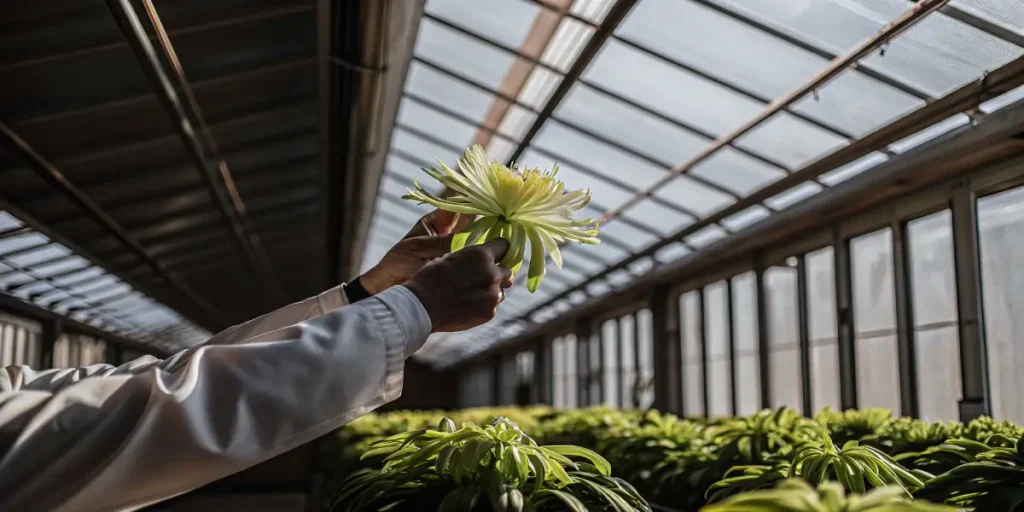
Expert Guide: Proven Polyploid Breeding Techniques for Success

Polyploid breeding is revolutionizing the world of agriculture and cannabis cultivation. It’s a game-changer, allowing growers to enhance plant traits like yield, resilience, and potency. If you’re new to this, polyploidy means having more than two sets of chromosomes. This genetic twist can boost plant traits in ways traditional breeding can’t match.
In cannabis cultivation, advanced breeding techniques can lead to larger, more potent buds. Imagine a plant that’s not only resilient against pests but also produces more THC. That’s the potential of selective genetic enhancement. Growers, both new and experienced, can benefit from these methods to improve their crop quality and yield.
Recommended Strains

Fat Bastard

|
THC | 30% - 38% (High) |

|
Type | Feminized |

|
Yield | High |

|
Phenotype | 50% Indica / 50% Sativa |

Mamba Negra
|
|
THC | 18% (Medium) |
|
|
Type | Feminized |
|
|
Yield | High |
|
|
Phenotype | 55% Indica / 45% Sativa |
Blimburn Seeds offers strains like Fat Bastard, known for its vigorous growth and strong effects, which can be further improved through careful breeding approaches. These methods are not just for experts; with the right guidance, anyone can apply them successfully.
Techniques
There are several polyploid breeding techniques, each with its own set of steps and benefits. One common method involves using chemicals like colchicine to induce polyploidy. This might sound complex, but it’s a process that involves treating seeds or seedlings to double their chromosomes.
Another technique is merging cells from two different plants to create a hybrid. This fusion can result in a plant with a combined set of traits from both parents. It’s important to understand that these methods require care and precision, but the results can be remarkable. For example, the polyploid version of Blimburn Seeds Girl Scout Cookies can offer even higher THC levels and greater resistance to environmental stressors.
These advanced techniques also include the use of tissue culture, where plant cells are grown in a controlled environment. This method allows for precise manipulation of the plant’s genetic material, ensuring uniformity and consistency in the resulting plants. Additionally, modern biotechnology tools such as CRISPR can be employed to target specific genes, further enhancing desired traits in cannabis and other crops.
It is essential to maintain a sterile environment when applying these techniques to prevent contamination and ensure success. Growers should be equipped with proper knowledge and tools to monitor the process closely. By knowing and utilizing these innovative methods, breeders can unlock new possibilities in cannabis and agricultural crop development, paving the way for groundbreaking advancements.
Promos & Deals




Benefits
The benefits of polyploid breeding are vast. For starters, it can lead to larger plants. This is because having additional sets of chromosomes often results in increased cell size and vigor. For cannabis growers, this translates to bigger, denser buds, which is always a win.
Increasing the number of chromosomes in a plant can also improve resilience. These plants often show better resistance to diseases and pests, reducing the need for pesticides and supporting more organic growing practices. Additionally, growers can expect enhanced flavor profiles, as the expanded genetic material can lead to richer terpene production. Blimburn Seeds Mamba Negra, for instance, could become even more aromatic and potent thanks to these genetic improvements.
This increase in chromosome count also boosts nutrient uptake. Plants with enhanced genetic sets typically use nutrients more efficiently, resulting in healthier growth and higher overall yields. This is especially useful in nutrient-poor soils where standard plants may struggle.
Another major advantage is the improved ability of these plants to adapt to changing environmental conditions. With climate change presenting more challenges to agriculture, using crops with increased chromosome sets offers a strategic path to developing varieties that thrive under stressors such as drought, salinity, and extreme temperatures, helping secure future food production.
Challenges in Polyploid Breeding
While there are many benefits, there are also challenges in polyploid breeding. It requires a deep knowing of plant genetics and careful management of breeding conditions. The process can be time-consuming and requires patience, as not every attempt will be successful.
Additionally, identifying successful polyploid plants can be tricky. It often requires microscopic examination or chromosome counting. This can be a hurdle for growers who are not equipped with the necessary tools or knowledge.
Challenges in advanced genetic breeding also include the potential for unexpected genetic mutations. As the genetic material is altered, there is a risk of developing undesirable traits alongside the desired ones. This necessitates thorough testing and evaluation of genetically enhanced plants before they are cultivated on a larger scale.
Moreover, the cost of resources and equipment for this type of breeding can be prohibitive for small-scale growers. However, collaborations with research institutions and investing in educational programs can mitigate these challenges, providing growers with the skills and tools needed to overcome obstacles and achieve success in genetic improvement.

Agriculture
Polyploid breeding in agriculture is not limited to cannabis. It’s a widely-used technique for many crops, enhancing traits like size, yield, and disease resistance. For example, many of the fruits and vegetables we consume today, like wheat and bananas, are polyploid varieties.
This technique is crucial for sustainable farming practices. By improving crop resilience and yield, these genetic advancements help in meeting the growing food demands of the world. It’s a testament to how modern innovation can drive agricultural progress.
In agriculture, advanced breeding techniques have led to the development of new cereal grains with improved nutritional content, contributing to better food security. Rice and barley are examples where these methods have enhanced both yield and nutritional profiles, playing a crucial role in feeding the global population.
As global food challenges intensify due to increasing population and environmental pressures, genetic improvement in agriculture offers a viable solution. By creating crops that are more robust and adaptable, farmers can maintain productivity and sustainability, ensuring that agricultural practices meet the needs of future generations while preserving natural resources.
Polyploid Breeding for Crop Improvement
For crop improvement, polyploid breeding is invaluable. It allows for the development of new plant varieties that can withstand changing climates and environmental challenges. This adaptability is crucial in the face of global warming and unpredictable weather patterns.
Moreover, polyploid plants can be more nutritious. The additional genetic material can lead to higher concentrations of vitamins and minerals in crops. This means healthier food options for consumers.
Plant breeding for crop improvement also focuses on enhancing aesthetic qualities of plants, such as flower size and color in ornamental species. This has significant commercial value in the horticulture industry, where unique and vibrant varieties are highly sought after.
Through advanced breeding methods, it is possible to combine desirable traits from multiple plant species, leading to hybrid varieties that offer superior characteristics. This cross-species work expands the genetic pool available for crop improvement, opening up new possibilities for innovation in plant development.
FAQs
What is polyploid breeding?
Polyploid breeding involves increasing the number of chromosome sets in a plant. This can result in enhanced traits such as size, yield, and resistance to environmental stressors. It’s a technique used not only in cannabis cultivation but also in broader agricultural practices.
By using methods like colchicine treatment or cell fusion, breeders can create plants with improved characteristics. These advancements are beneficial for both new and experienced growers looking to optimize their crops.
Breeding is a powerful tool for genetic improvement, allowing breeders to explore genetic diversity and create novel plant varieties. By expanding the genetic capabilities of plants, breeders can develop crops that meet specific market demands and address pressing agricultural challenges.
In the realm of scientific research, this approach is also advancing our understanding of plant genetics, providing insights into chromosome behavior and gene expression. This knowledge is valuable not only for breeding purposes but also for broader applications in genetics and evolutionary biology.
How does polyploid breeding improve cannabis strains?
Polyploid breeding can significantly enhance cannabis strains by increasing potency, yield, and resilience. For instance, a polyploid version of a strain like Fat Bastard from Blimburn Seeds can offer even more substantial yields and THC levels.
Additionally, polyploid plants often exhibit greater resistance to diseases and pests, reducing the need for chemical interventions. This makes for a more natural growing process and healthier plants.
Through advanced genetic enhancements, cannabis strains can also achieve more vigorous growth, leading to faster maturation and earlier harvests. This can be particularly beneficial for growers looking to maximize efficiency and turnaround times.
Moreover, these genetic improvements allow for customization of cannabis strains to target specific consumer preferences, such as unique terpene profiles or tailored cannabinoid ratios. This level of precision in breeding can set new standards in the cannabis industry, offering consumers enhanced experiences and benefits.
Are there any risks associated with polyploid breeding?
Yes, there are some risks. The process requires careful handling of chemicals and precise techniques, which can be challenging for beginners. There’s also the possibility of sterility in some polyploid plants, which can affect breeding further down the line.
However, with proper education and guidance, these risks can be minimized. Collaborating with experienced growers or breeders can provide the necessary support to navigate these challenges effectively.
Another risk of polyploid breeding is the potential impact on biodiversity. By focusing on specific high-performing traits, there may be a reduction in genetic diversity, which can make plants more vulnerable to new diseases or pests over time.
It is crucial for breeders to maintain a balance between enhancing desired traits and preserving genetic diversity. Integrating polyploid breeding with traditional agricultural practices can help mitigate risks and promote sustainable crop development.
What tools are needed for polyploid breeding?
Working with advanced plant genetics requires specific tools and resources, such as colchicine for chromosome doubling and microscopes for examining plant cells. Access to a controlled environment is also crucial to manage the process accurately.
Investing in quality equipment and partnering with knowledgeable experts can significantly enhance the success rate of these genetic improvement endeavors. This preparation is key to achieving optimal results.
Additionally, genetic analysis tools such as DNA sequencing can be invaluable in verifying progress and ensuring the desired traits have been achieved. These tools allow breeders to monitor genetic changes accurately and make informed decisions throughout the development process.
For those new to these techniques, workshops and training sessions offered by agricultural institutions can provide hands-on experience with the necessary tools and methodologies. This practical knowledge is essential for building confidence and competence in genetic enhancement.
How can I start with polyploid breeding for my cannabis plants?
Starting with polyploid breeding requires research and planning. Begin by selecting a strain that you want to enhance, such as Blimburn Seeds Girl Scout Cookies. Then, learn about the specific techniques and tools required for polyploidy.
Consider reaching out to experienced breeders or joining forums and communities focused on cannabis cultivation. These networks can offer valuable insights and support as you explore advanced breeding techniques.
It’s also essential to document your process meticulously. Keeping detailed records of your methods, observations, and outcomes will help you refine your approach and identify successful strategies over time.
Starting small with pilot projects can be an effective way to test new breeding techniques before scaling up. This approach allows you to manage risks and learn from early experiences, setting a solid foundation for future success and continued improvement.