Expert Guide: Proven Cannabis Nutrient Uptake and Imbalances

Cannabis nutrient uptake and imbalances can make or break your growing experience. It’s crucial to get it right for healthy plants and bountiful yields. Whether you’re a novice or a veteran, mastering nutrient uptake is essential. Let’s dive into what it means for your cannabis plants.
For many growers, seeing the first signs of nutrient imbalance in cannabis can be daunting. Leaves might turn yellow, or growth might slow down. But don’t worry. Knowing these symptoms can help you take action quickly. These signs are your plant’s way of communicating distress, urging you to adjust its nutrient intake.
Recommended Strains
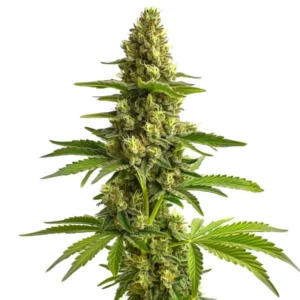
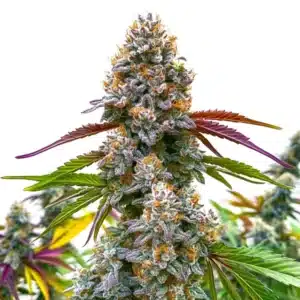
Bruce Banner #3

|
THC | 20% - 29% (High) |

|
Type | Feminized |

|
Yield | Medium |

|
Phenotype | 50% Indica / 50% Sativa |
Critical Daddy Purple
|
|
THC | 19% (Medium) |
|
|
Type | Feminized |
|
|
Yield | High |
|
|
Phenotype | 50% Indica / 50% Sativa |
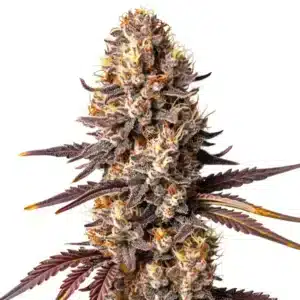
Different strains have varying needs. For instance, Blimburn Seeds offers strains like Critical Daddy Purple, which might require a specific nutrient balance compared to their Bruce Banner #3 variety. Recognizing these differences can be key to optimizing cannabis nutrient absorption and ensuring your plants thrive.
Key Elements of Cannabis Nutrient Uptake
Plants need a variety of macro and micronutrients to grow. Nitrogen, phosphorus, and potassium are the big three. But don’t forget about calcium, magnesium, and sulfur. Each plays a distinct role, and deficiencies can lead to cannabis nutrient deficiency symptoms. For example, a lack of nitrogen often results in yellowing leaves.
Micronutrients, though required in smaller amounts, are equally important. Iron, manganese, and zinc are critical. Without them, plants can’t perform essential functions like photosynthesis. This can severely impact growth and yield, leading to noticeable signs of nutrient imbalance in cannabis. Regularly checking nutrient levels is essential to catch these imbalances early.
Beyond the standard macro and micronutrients, cannabis plants can also benefit from trace elements like boron and copper. These elements, while needed in minimal quantities, support enzyme function and overall plant health. Monitoring for cannabis nutrient deficiency symptoms ensures that all necessary nutrients are available for the plant’s development.
Knowing the specific nutrient needs of your cannabis strain is crucial. Some may require more phosphorus during flowering, while others might need additional magnesium throughout their growth cycle. Tailoring your approach to each strain’s requirements can significantly improve nutrient uptake in cannabis plants, leading to healthier, more robust growth.
Optimizing Nutrient Solutions
To improve nutrient uptake in cannabis plants, consider the pH levels of your soil or growing medium. Cannabis prefers slightly acidic conditions, typically between 6.0 and 7.0. pH levels outside this range can lead to cannabis nutrient lockout solutions being necessary. This occurs when nutrients are present but unavailable to the plant.
Using high-quality soil or hydroponic solutions can also enhance nutrient absorption. Organic options often provide a broad spectrum of nutrients, promoting healthy growth. However, too much of a good thing can lead to nutrient burn. It’s about finding the right balance for your plants.
Consider the water source you are using as well. Tap water can contain high levels of chlorine or other chemicals that may interfere with nutrient uptake. Using filtered or distilled water can help prevent these issues, ensuring that your plants have access to the nutrients they need.
Another factor is the frequency and method of feeding. Some growers find success with a little-and-often approach, where nutrients are provided in smaller doses but more frequently. This can prevent the risk of overfeeding and nutrient lockout, providing a steady supply of nutrients that optimizes cannabis nutrient absorption.
Promos & Deals

Signs of Nutrient Imbalance
Recognizing the early signs of nutrient imbalance in cannabis can save your crop. Yellow leaves, stunted growth, and poor yields are common indicators. However, each symptom can point to different deficiencies or excesses. For example, magnesium deficiency often shows up as yellowing between the veins of leaves.
Keep an eye out for leaf curling or brown spots. These can indicate calcium deficiency or nutrient burn. Regularly inspecting your plants ensures you catch these issues early. Adjusting your nutrient mix can prevent further damage and promote recovery.
It’s important to understand the specific signs associated with different nutrient imbalances. For instance, a phosphorus deficiency might manifest as dark green leaves with a purplish hue on the stems. Recognizing these specific cannabis nutrient deficiency symptoms allows for more targeted solutions.
Environmental factors such as light intensity and temperature can exacerbate nutrient imbalances. If your plants are showing signs of nutrient imbalance in cannabis, consider adjusting environmental conditions alongside nutrient levels to create an optimal growing environment.
Practical Solutions for Nutrient Issues
When dealing with cannabis nutrient deficiencies, the first step is accurate diagnosis. Testing your soil or water can provide insights into what’s lacking. Once identified, you can adjust your feeding regimen to address these deficiencies. Products like calcium-magnesium supplements can be particularly useful.
Flushing your plants with pure water can help when facing nutrient lockout. This process clears out excess salts and minerals, resetting the growing medium. Once flushed, you can introduce a balanced nutrient mix to restart healthy growth.
Prevention is often more effective than treatment. Regularly monitoring pH levels and nutrient concentrations can help prevent issues before they start. This proactive approach ensures that cannabis nutrient uptake and imbalances are kept in check, reducing the need for corrective measures.
Utilizing products designed to enhance nutrient uptake, such as mycorrhizal fungi, can support root development and improve nutrient absorption. These beneficial fungi form symbiotic relationships with cannabis roots, enhancing the plant’s ability to absorb nutrients efficiently.

Choosing the Right Strains
Strain selection can impact how you manage cannabis nutrient uptake and imbalances. Different strains have unique nutrient requirements. Selecting the right strain for your environment and experience level can ease the growing process.
Strains like Critical Daddy Purple from Blimburn Seeds are known for their resilience. These can be more forgiving of minor nutrient imbalances, making them ideal for beginners. On the other hand, more demanding strains might require a precise nutrient schedule but offer rewarding yields.
For growers looking to refine their skills, experimenting with different strains can provide valuable insights into optimizing cannabis nutrient absorption. Comparing how various strains respond to similar nutrient regimens can highlight specific needs and preferences.
Knowing the genetic lineage of a strain can also provide clues about its nutrient demands. Hybrid strains might inherit nutrient preferences from both parent plants, requiring a balanced approach to satisfy all inherited traits. By selecting strains that align with your growing conditions, you can simplify nutrient management.
FAQs About Cannabis Nutrient Uptake and Imbalances
What are common cannabis nutrient deficiency symptoms?
Common symptoms include yellowing leaves, stunted growth, and leaf curling. Each symptom can point to different issues. For instance, a nitrogen deficiency often causes yellowing, while a lack of calcium can lead to leaf curling and brown spots.
Recognizing these signs early is crucial. Regularly inspecting your plants allows you to make necessary adjustments. This proactive approach helps maintain a healthy nutrient balance, promoting vigorous growth.
While visual symptoms provide initial clues, conducting a soil or water test can confirm the specific nutrient deficiency. This precise approach ensures that the corrective actions taken are effective and tailored to the plant’s needs.
Beyond individual nutrient deficiencies, it’s important to consider the overall balance of nutrients. Sometimes, an excess of one nutrient can cause a deficiency in another, known as nutrient antagonism. Addressing these complex interactions is key to resolving cannabis nutrient uptake and imbalances.
How can I improve nutrient uptake in cannabis plants?
Improving nutrient uptake involves several strategies. Ensuring your soil or growing medium has the correct pH level is fundamental. Cannabis prefers a pH between 6.0 and 7.0, which optimizes nutrient absorption.
Using quality nutrients and supplements also helps. Tailor your nutrient mix to your specific strain and growing conditions. Monitoring and adjusting as needed can promote healthy nutrient uptake and prevent imbalances.
Incorporating beneficial microorganisms like bacteria and fungi can significantly enhance nutrient uptake. These organisms break down complex compounds into forms that plants can more readily absorb, thus improving overall nutrient availability.
Maintaining consistent environmental conditions, such as temperature and humidity, supports optimal plant metabolism and nutrient uptake. Sudden changes can stress plants, leading to reduced absorption and increased risk of nutrient imbalances.
What are effective cannabis nutrient lockout solutions?
Nutrient lockout occurs when plants can’t access the nutrients present. Flushing the growing medium with water can help. This process removes excess minerals and salts, allowing for a fresh start.
After flushing, introduce a balanced nutrient solution. Regular monitoring ensures that your plants recover quickly and continue to thrive. Adapting your nutrient schedule can prevent future lockouts.
Besides to flushing, adjusting the pH of your growing medium is crucial to resolving nutrient lockout. Ensuring that the pH falls within the optimal range for cannabis allows locked-out nutrients to become available again.
Preventative measures, such as using chelated nutrients or slow-release fertilizers, can minimize the risk of nutrient lockout by providing a steady supply of nutrients that are less prone to binding with other compounds in the soil.
Why is strain selection important for nutrient management?
Different strains have distinct nutrient needs. Strain selection can affect how you manage cannabis nutrient uptake and imbalances. Some strains are more resilient to imbalances, making them ideal for beginners.
Choosing a strain like Mamba Negra from Blimburn Seeds can offer more flexibility. These strains can handle minor nutrient imbalances without significant issues, making them a reliable choice for growers.
Advanced growers might choose strains with specific nutrient demands to challenge their skills in nutrient management. These strains often reward meticulous care with superior yields and quality, making the effort worthwhile.
By aligning strain selection with your growing environment, you can leverage natural advantages such as climate compatibility, further simplifying nutrient management and enhancing overall plant health.
How do I recognize signs of nutrient imbalance in cannabis?
Signs of nutrient imbalance include yellowing leaves, stunted growth, and discoloration. Each symptom can indicate specific deficiencies or excesses. For example, phosphorus deficiency often results in dark green leaves with purple stems.
Regularly inspecting your plants is key. Early detection allows for quick adjustments, preventing further issues. Tailoring your nutrient regimen to your plant’s needs ensures a balanced growth environment.
In addition to visual inspections, keeping a growth diary can help track changes over time, providing insights into recurring issues and the effectiveness of interventions. This record can be invaluable for diagnosing and preventing future imbalances.
Experienced growers often develop an intuitive knowing of their plants’ needs, recognizing subtle signs of stress that precede more obvious symptoms. This expertise allows for preemptive adjustments, maintaining optimal cannabis nutrient uptake and preventing imbalances.