Expert Guide: Proven Brix Levels and Terpene Production in Cannabis

When it comes to growing cannabis, achieving the perfect balance of brix levels and terpene production can significantly impact the overall quality of your harvest. Knowing brix levels and terpene production in cannabis is essential, as brix levels measure the sugar content in plant sap and serve as key indicators of plant health. Higher brix levels generally signify a healthier plant, which can also lead to more robust and expressive terpene profiles.
Terpenes are the aromatic compounds responsible for the diverse scents and flavors found in cannabis. These compounds not only enhance the sensory experience but also contribute to the entourage effect, where cannabinoids and terpenes work together to enhance the plant’s effects. Knowing the relationship between brix levels and terpene quality in cannabis is essential for growers aiming to optimize their crops.
Recommended Strains
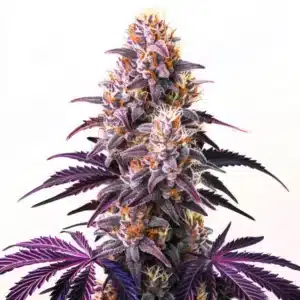
Purple Kush

|
THC | 17% - 27% (Medium) |

|
Type | Feminized |

|
Yield | Medium |

|
Phenotype | 30% Indica / 70% Sativa |
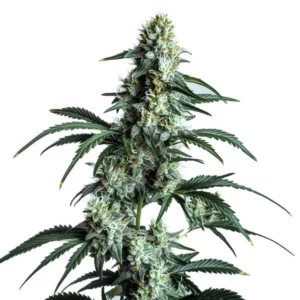
Sour Diesel
|
|
THC | 22% - 25% (Medium) |
|
|
Type | Feminized |
|
|
Yield | High |
|
|
Phenotype | 30% Indica / 70% Sativa |
For instance, if you’re growing the popular strain Gelato from Blimburn Seeds, maximizing its terpene profile is key to unlocking its renowned sweet and fruity aroma. By focusing on optimizing brix levels, you can boost the terpene production, enhancing both the flavor and potency of your harvest.
The Impact of Brix Levels on Cannabis Terpene Production
The impact of brix levels on cannabis terpene production cannot be overstated. Higher brix levels often correlate with increased terpene synthesis. This means your plants will likely produce more aromatic and flavorful profiles when brix levels are optimized. A healthy plant with high brix levels typically shows signs of better nutrient uptake, which directly influences terpene production.
Take the Bruce Banner 3 strain from Blimburn Seeds, known for its potent and sweet diesel aroma. By maintaining optimal brix levels, growers can enhance the terpene profile, making the strain even more appealing to consumers. Measuring brix levels regularly can help growers adjust their nutrient and watering schedules to ensure plants are thriving.
When considering the impact of brix levels on cannabis terpene production, it’s important to evaluate environmental factors as well. Temperature, humidity, and light exposure all play roles in influencing brix levels. By controlling these variables, growers can further optimize the conditions for terpene synthesis, ensuring a more potent and flavorful crop.
Additionally, integrating organic practices such as compost tea and natural amendments can further enhance brix levels. These methods improve soil health and microbial activity, resulting in a richer nutrient profile for the plants. This holistic approach not only boosts brix levels but also supports sustainable cultivation practices.
Promos & Deals
Optimizing Brix Levels for Cannabis Terpene Profiles
Optimizing brix levels for cannabis terpene profiles requires careful attention to factors like soil quality, water usage, and nutrient balance. A refractometer is a simple tool that allows growers to measure brix levels accurately. This tool provides immediate feedback on the plant’s health, allowing for timely adjustments to improve terpene yield.
A practical example can be seen with Blimburn Seeds Purple Kush, a strain celebrated for its earthy and grape-like aroma. By tweaking the environmental conditions to maintain ideal brix levels, you can enhance this strain’s unique terpene profile, ensuring a superior product.
To further optimize brix levels for cannabis terpene profiles, growers should consider the timing of nutrient applications. Delivering nutrients at key growth stages can significantly influence brix levels and, subsequently, terpene production. For instance, phosphorus is crucial during the flowering phase to support robust terpene profiles.
It’s also vital to recognize the function of genetics in optimizing brix levels and terpene production in cannabis. Selecting high-quality seeds from reputable sources like Blimburn Seeds provides a strong foundation for achieving desirable brix levels. Robust genetics ensure plants have the potential to reach their maximum terpene production capabilities.
How Brix Levels Affect Cannabis Terpene Synthesis
The relationship between brix levels and terpene synthesis is a direct one. When plants have higher brix levels, they are usually less stressed and more efficient at producing terpenes. Stress can inhibit terpene production, resulting in a less aromatic harvest. Therefore, maintaining high brix levels can help mitigate stress and promote terpene synthesis.
For growers cultivating strains like Sour Diesel from Blimburn Seeds, ensuring that brix levels remain optimal is crucial. This strain is valued for its pungent diesel-like aroma, and high brix levels can amplify this characteristic, making it more desirable in the market.
Knowing how brix levels affect cannabis terpene synthesis is essential for making informed cultivation decisions. High brix levels indicate that plants are photosynthesizing efficiently, which is key to terpene production. Photosynthesis not only supports growth but also drives the biochemical pathways responsible for terpene synthesis.
Furthermore, maintaining consistent brix levels throughout the growth cycle helps prevent fluctuations that can disrupt terpene synthesis. Regular monitoring ensures that any deviations can be corrected promptly, safeguarding the plant’s ability to produce high-quality terpenes.
Measuring Brix Levels to Enhance Cannabis Terpene Yield
Measuring brix levels is a straightforward process that can significantly enhance cannabis terpene yield. Using a refractometer, growers can test the sap extracted from a plant’s leaves. This gives an immediate reading of the sugar content, reflecting the plant’s overall vitality and potential for terpene production.
Regular monitoring allows for real-time adjustments to your growing techniques. For example, if the brix levels are lower than desired, you might need to adjust watering practices or nutrient regimens. This proactive approach ensures that your plants have the best chance to produce a rich and diverse terpene profile.
Besides to using a refractometer, growers can enhance their knowing by keeping detailed records of brix levels and terpene yields. This data helps identify trends and correlations, allowing for more precise adjustments to cultivation practices. Over time, this approach leads to more consistent and predictable outcomes.
Another aspect of measuring brix levels to enhance cannabis terpene yield is the integration of technology. Advanced sensors and data analytics can provide insights into environmental conditions, helping growers fine-tune their strategies. This tech-driven approach complements traditional methods, offering a comprehensive solution to optimize terpene production.
FAQs about brix levels and terpene production in cannabis
What are brix levels in cannabis, and why are they important?
Brix levels represent the sugar content in the sap of a cannabis plant. They are crucial because they provide insight into the plant’s health and ability to produce terpenes. A higher brix level usually indicates a healthier plant, which can lead to better-tasting and more aromatic buds.
Monitoring brix levels allows growers to make informed decisions about their cultivation practices. By optimizing these levels, growers can enhance the quality and potency of their cannabis, making it more appealing to consumers.
The importance of brix levels in cannabis cultivation extends beyond flavor and aroma. High brix levels are often associated with increased resistance to pests and diseases, reducing the need for chemical interventions. This natural defense mechanism is a valuable asset for growers aiming for organic or sustainable cultivation.
Furthermore, knowing the relationship between brix levels and terpene quality in cannabis can lead to more efficient cultivation practices. By focusing on brix levels, growers can streamline their efforts, maximizing output while minimizing resource use.
How do terpenes affect the cannabis experience?
Terpenes are responsible for the unique aromas and flavors of different cannabis strains. They play a role in the entourage effect, which is the synergy between cannabinoids and terpenes that enhances the overall experience. This means terpenes can influence the effects and therapeutic benefits of cannabis.
For instance, the limonene terpene is known for its citrus scent and potential mood-enhancing properties. Choosing a strain with a high limonene content can provide an uplifting and energizing effect, making terpenes a vital component in the cannabis experience.
Besides to aroma and flavor, terpenes contribute to the therapeutic potential of cannabis. Certain terpenes, like myrcene and linalool, are known for their relaxing and stress-relieving properties. By selecting strains with specific terpene profiles, users can tailor their cannabis experience to meet their needs.
Moreover, the diverse range of terpenes found in cannabis allows for a broad spectrum of effects and applications. From pain relief to mood enhancement, terpenes play a crucial role in determining the overall impact of a cannabis product, highlighting their importance in both recreational and medicinal contexts.
How can I measure and improve brix levels in my cannabis plants?
To measure brix levels, a refractometer is used to test the sap from a plant’s leaves. This simple device gives a reading of the sugar content, which reflects the plant’s health. Regular measurements can guide growers in making adjustments to improve brix levels.
Improving brix levels involves ensuring proper nutrient balance, adequate watering, and optimal growing conditions. By focusing on these aspects, you can enhance your cannabis plants’ health and increase their terpene production.
A comprehensive approach to improving brix levels includes evaluating soil health and structure. Ensuring that soil has the right balance of minerals and organic matter supports root development and nutrient uptake, both of which are crucial for maintaining high brix levels.
Another strategy to improve brix levels is the use of beneficial microbes and mycorrhizal fungi. These organisms establish symbiotic relationships with plant roots, enhancing nutrient absorption and overall plant vitality. This natural boost can lead to healthier plants with higher brix levels.
What strains from Blimburn Seeds are known for high terpene production?
Several strains from Blimburn Seeds are renowned for their high terpene production. Gelato, with its sweet and fruity aroma, is a favorite among growers looking to maximize flavor. Bruce Banner is another excellent choice, known for its potent effects and sweet diesel scent.
Additionally, Purple Kush offers a unique earthy and grape-like aroma that can be intensified by maintaining optimal brix levels. These strains provide excellent examples of how focusing on brix levels can enhance terpene profiles.
For those seeking a more citrus-forward profile, Blimburn Seeds Lemon Haze is an exceptional option. Known for its zesty aroma and high limonene content, this strain benefits greatly from optimized brix levels, resulting in a more vibrant and aromatic product.
Furthermore, the classic Jack Herer strain from Blimburn Seeds is celebrated for its balanced terpene profile. By maintaining ideal brix levels, growers can accentuate its pine and spice notes, delivering a well-rounded sensory experience.
Why is it important to maintain high brix levels for cannabis growth?
Maintaining high brix levels is important because it indicates a healthy and vigorous plant. Healthy plants are more resilient to pests and diseases, which can negatively impact terpene production. High brix levels also ensure efficient nutrient uptake, directly influencing the quality of the cannabis.
For growers, ensuring high brix levels can lead to a more successful harvest. Plants with optimal brix levels produce superior terpene profiles, making the final product more appealing to consumers and increasing its market value.
Besides to the benefits for terpene production, high brix levels contribute to overall plant health and vigor. This resilience extends to environmental stressors such as drought or temperature fluctuations, allowing plants to thrive under less-than-ideal conditions.
Ultimately, the importance of maintaining high brix levels for cannabis growth lies in the ability to produce top-tier products consistently. By focusing on brix levels and terpene production in cannabis, growers can differentiate their products in a competitive market, emphasizing quality and aromatic appeal.