Expert Guide: Plant Sugars and Mineral Density in Cannabis Explained

Plant sugars and mineral density in cannabis explained can be a complex subject, but let’s break it down. When we talk about plant sugars, we’re referring to carbohydrates like glucose and fructose. These sugars are crucial for plant growth, influencing everything from size to potency. On the other hand, mineral density involves the concentration of minerals such as calcium, magnesium, and potassium in the plant. These elements are essential for robust growth and strong cell walls.
How do plant sugars impact cannabis mineral density, you ask? It’s all about balance. High levels of plant sugars can enhance mineral absorption, improving the plant’s overall health. Conversely, insufficient sugars may lead to weaker plants with lower mineral densities. This balance is key to achieving the best results in your cannabis cultivation.
Recommended Strains

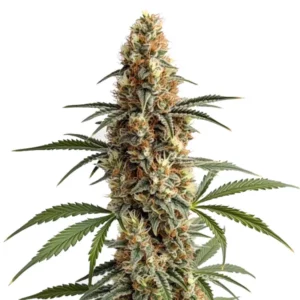
Blue Dream

|
THC | 17% - 24% (Medium) |

|
Type | Feminized |

|
Yield | High |

|
Phenotype | 50% Indica / 50% Sativa |

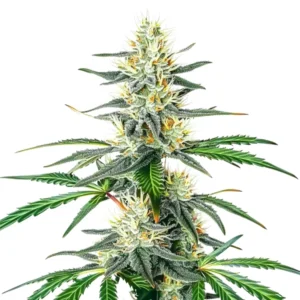
Gelato
|
|
THC | 27% (High) |
|
|
Type | Feminized |
|
|
Yield | High |
|
|
Phenotype | 50% Indica / 50% Sativa |
When you dive into the relationship between plant sugars and cannabis mineral density, you’ll find that both aspects are intertwined. Proper sugar levels stimulate photosynthesis, which in turn boosts nutrient uptake. This relationship is essential for cultivating high-quality cannabis strains with optimal potency and flavor.
Plant Sugars: The Building Blocks of Growth
Plant sugars are vital to the growth process. They serve as the main energy source for cannabis plants. When a seedling first sprouts, it begins to produce sugars through photosynthesis. These sugars then fuel growth, allowing the plant to develop leaves, stems, and roots. Without sufficient sugars, cannabis plants may struggle to thrive.
What does this mean for growers? Ensuring your plants have access to ample light is crucial. Light drives photosynthesis, which in turn produces the sugars necessary for robust growth. For those cultivating indoors, consider investing in full-spectrum LED lights to mimic natural sunlight. This will help maximize sugar production and, ultimately, plant health.
Moreover, knowing plant sugars and cannabis mineral density is essential for growers aiming for optimal results. The synergy between sugars and minerals ensures plants have the resources needed to combat diseases and pests. By maintaining a balanced environment, cannabis growth: plant sugars and mineral density explained becomes a pathway to thriving plants.
Additionally, plant sugars impact on cannabis mineral density by stabilizing the plant’s internal environment. This stabilization is crucial for consistent growth, allowing plants to weather fluctuations in environmental conditions. By focusing on sugars, growers can indirectly control mineral levels, ensuring a balanced and healthy growing cycle.
Impact on Mineral Density
How plant sugars affect cannabis mineral content is significant. Sugars facilitate the uptake of minerals from the soil, ensuring that plants receive the nutrients they need. When your cannabis plants have a good sugar supply, they can better absorb minerals like nitrogen, phosphorus, and potassium. These minerals support various functions, from cell division to energy transfer.
Consider the example of Blimburn Seeds Blue Dream. This strain thrives when sugars are optimized, leading to a higher mineral content. With adequate sugars, you can expect a more potent yield with a richer flavor profile. This is a perfect example of how plant sugars and mineral density in cannabis explained can directly impact your harvest.
Furthermore, the relationship between plant sugars and cannabis mineral density is a foundational concept for sustainable cultivation practices. By knowing this relationship, growers can tailor their nutrient management strategies to enhance both plant vitality and yield. This knowledge empowers cultivators to make informed decisions that improve the overall quality of their cannabis.
In terms of practical application, recognizing how plant sugars affect cannabis mineral content can guide the selection of fertilizers and supplements. Growers can choose products that enhance sugar production, thereby improving mineral uptake and reinforcing plant health. This targeted approach can lead to more resilient plants and ultimately, a more successful harvest.
Practical Tips for Enhancing Plant Sugars
Boosting plant sugars is easier than you might think. Start with your growing environment. Ensure your plants receive adequate light throughout their life cycle. For outdoor grows, place plants in a sunny location. Indoors, use grow lights that simulate natural sunlight to maintain sugar production.
Next, focus on your soil or growing medium. Rich, organic soil supports better sugar and mineral uptake. Add compost or organic matter to improve soil health. This not only boosts sugars but also increases microbial activity, enhancing overall nutrient availability.
Another effective tip is to monitor the pH levels of your soil or growing medium. Proper pH levels ensure optimal nutrient absorption, further supporting the synthesis of plant sugars. Regular testing can prevent imbalances that might hinder growth and mineral uptake.
Lastly, rotating your crops or implementing companion planting can also enhance the environment for sugar production. Certain plant pairings can naturally boost soil health and increase the availability of nutrients, providing a more robust setting for cannabis plants to flourish.
Promos & Deals



Cannabis Strains and Their Requirements
Different strains have varying needs when it comes to sugars and minerals. For instance, the Gelato strain from Blimburn Seeds is known for its sweet flavor and high potency. This strain benefits from a balanced sugar and mineral diet. Ensuring that your plants have the right nutrients can enhance these characteristics.
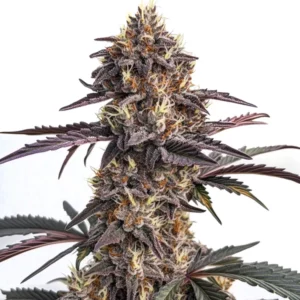
On the other hand, the GG4 strain, also from Blimburn Seeds, is robust and forgiving. It can tolerate some fluctuations in sugar and mineral levels. However, maintaining a stable environment will maximize yield and resin production. This highlights the importance of knowing your strain’s specific needs for plant sugars and mineral density.
In the context of plant sugars and mineral density in cannabis explained, recognizing strain-specific requirements is crucial for achieving desired outcomes. Each strain’s unique genetic makeup dictates its nutrient needs, making tailored care essential for optimal growth and potency.
By comprehending the relationship between plant sugars and cannabis mineral density, growers can adjust their cultivation techniques to suit individual strains. This customization not only enhances the quality of the harvest but also ensures that each plant reaches its full potential, both in terms of yield and flavor.
Optimizing Growth for Maximum Yield
For first-time growers, focusing on plant sugars and mineral density can seem daunting. Start small and gradually scale up as you gain experience. Pay attention to your plants’ reactions to changes in light, water, and nutrients. This will help you fine-tune your approach and improve your results over time.
Experienced growers often use a combination of techniques to boost plant health. These can include foliar feeding, where nutrients are sprayed directly onto leaves. This method allows for quick absorption and can be particularly effective for correcting deficiencies. Another technique is using a nutrient schedule tailored to the flowering stage, which can enhance sugar and mineral levels.
Embracing a holistic view of cannabis growth: plant sugars and mineral density explained can lead to innovative strategies that maximize yield. By integrating advanced techniques such as precision irrigation and climate control, growers can meticulously manage the factors that influence sugar and mineral levels.
Engaging with the latest research on plant sugars impact on cannabis mineral density can provide insights that refine your cultivation practice. Staying informed about new findings allows you to adopt cutting-edge methods, ensuring that your approach remains both effective and efficient in any growing environment.

FAQs about plant sugars and mineral density in cannabis explained
What are plant sugars, and why are they important for cannabis growth?
Plant sugars, like glucose and fructose, are carbohydrates produced during photosynthesis. They are vital as they fuel plant growth, helping to build leaves, stems, and roots. Without them, cannabis plants may not thrive as they lack the necessary energy to support essential functions.
Growers should ensure their plants have access to sufficient light, which drives photosynthesis and sugar production. This is critical for maximizing growth and optimizing mineral uptake, leading to healthier and more productive plants.
Knowing the function of plant sugars in cannabis growth provides a foundation for improving cultivation techniques. By focusing on sugar production, growers can enhance the overall vigor of their plants, leading to more resilient and robust crops.
Moreover, plant sugars impact on cannabis mineral density in profound ways. By maintaining optimal sugar levels, the plant’s capacity to absorb essential nutrients is enhanced, promoting overall plant health and leading to higher quality yields.
How do plant sugars impact cannabis mineral density?
Plant sugars impact cannabis mineral density by facilitating the uptake of essential minerals. When sugar levels are optimal, plants can absorb nutrients like nitrogen, phosphorus, and potassium more efficiently. These minerals support various growth processes and enhance overall plant health.
Balanced sugar levels lead to better mineral absorption, resulting in stronger plants with higher yields. Conversely, insufficient sugars can lead to nutrient deficiencies and weaker plants, affecting both growth and potency.
The relationship between plant sugars and cannabis mineral density is a dynamic interplay that requires careful management. By knowing how plant sugars affect cannabis mineral content, growers can create an environment that supports optimal nutrient uptake and plant development.
In practice, this involves regularly adjusting growing conditions to maintain the delicate balance between sugars and minerals. This proactive approach to cultivation not only improves plant health but also ensures a more successful and abundant harvest.
What are some practical tips to increase plant sugars in cannabis?
To increase plant sugars, ensure your cannabis plants receive adequate light. Natural sunlight or full-spectrum LED lights can boost photosynthesis, enhancing sugar production. Proper lighting is crucial throughout the plant’s life cycle for optimal growth.
Improving soil health with compost or organic matter can also boost sugar levels. A rich growing medium supports better nutrient uptake and increases microbial activity, enhancing both sugar and mineral absorption.
Additionally, maintaining consistent watering practices is essential. Over-watering can lead to root rot, which negatively impacts sugar production. Instead, aim for a watering schedule that keeps the soil evenly moist, promoting healthy root development and sugar synthesis.
Lastly, consider using plant growth regulators or natural additives that support sugar metabolism. These products can enhance the plant’s ability to produce and utilize sugars, further improving growth and overall vitality.
Can you recommend cannabis strains that benefit from optimized sugars and minerals?
Certain strains, like Blue Dream from Blimburn Seeds, highly benefit from optimized sugars and minerals. This strain thrives with a balanced diet, leading to higher potency and flavor. Ensuring the right conditions can significantly enhance your harvest.
Gelato and GG4, also from Blimburn Seeds, are other examples. These strains can achieve maximum yield and resin production when their specific needs for sugars and minerals are met. Knowing these requirements is key to successful cultivation.
Exploring how plant sugars affect cannabis mineral content in specific strains can guide growers in selecting the best cultivars for their environment. Each strain’s unique requirements can be met by adjusting light, soil, and nutrient conditions, unlocking their full potential.
Choosing strains that align with your growing conditions and expertise level will lead to a more rewarding cultivation experience. By knowing the intricacies of plant sugars and mineral density, growers can make informed decisions that enhance both yield and quality.
How can growers balance sugars and minerals for the best cannabis growth?
Balancing plant sugars and minerals involves providing adequate light, maintaining healthy soil, and ensuring consistent watering. These factors contribute to sugar production and mineral uptake, essential for robust cannabis growth.
Monitoring your plants’ responses to changes in their environment helps refine your approach. Over time, you can optimize conditions to suit your specific strain’s needs, leading to healthier plants and more successful harvests.
By knowing the relationship between plant sugars and cannabis mineral density, growers can develop a comprehensive strategy that supports optimal growth. This involves fine-tuning environmental factors to create a harmonious balance that promotes plant health.
Regularly assessing your cultivation practices and making informed adjustments can lead to significant improvements in plant vitality and yield. Embracing the science of plant sugars and mineral density in cannabis explained can transform your growing experience and elevate the quality of your harvest.