Expert Guide: Measuring Brix in Cannabis – Sap vs Extract Methods

Measuring brix in cannabis is a crucial aspect of understanding plant health and potency. Brix is a measure of the sugar content in plant juices, and by assessing brix levels, growers can gauge the plant’s nutritional status and potential yield. When it comes to measuring brix in cannabis: sap vs extract methods, cultivators typically rely on two popular approaches, each offering different insights into plant metabolism and nutrient uptake. This guide will take you through these methods, highlighting their differences and practical applications.
When you’re growing cannabis, it’s important to know how your plants are doing. Are they healthy? Are they getting enough nutrients? One way to answer these questions is by measuring brix levels. The sap method involves taking a sample of the plant’s juice, while the extract method requires crushing the whole plant or its parts. Knowing these techniques can help you make informed decisions about your cannabis cultivation.
Recommended Strains
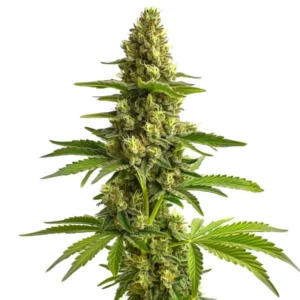
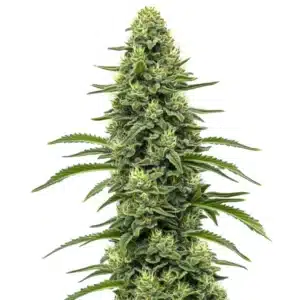
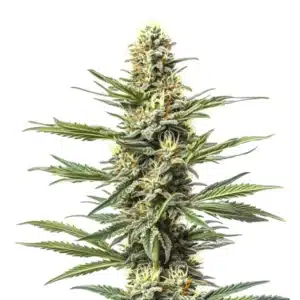
Bruce Banner #3

|
THC | 20% - 29% (High) |

|
Type | Feminized |

|
Yield | Medium |

|
Phenotype | 50% Indica / 50% Sativa |

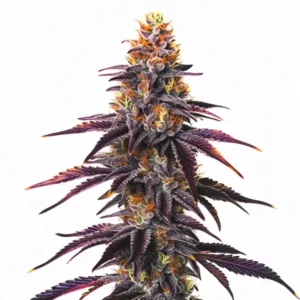
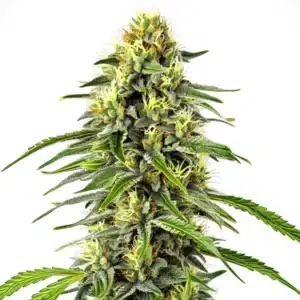
GG4
|
|
THC | 27% (High) |
|
|
Type | Feminized |
|
|
Yield | High |
|
|
Phenotype | 40% Indica / 60% Sativa |
For both first-time growers and seasoned experts, the choice between sap and extract methods can be confusing. Each technique has its own set of benefits and drawbacks. Whether you’re growing Blimburn Seeds’ popular strains like Bruce Banner 3, GG4, or Blue Dream, you’ll find that choosing the right brix measurement method is key to optimizing your grow.
Cannabis Brix Measurement Techniques Comparison
Choosing between sap and extract methods often depends on what you need to know about your cannabis plants. Both approaches offer valuable insights but serve different purposes. The sap method provides a quick snapshot of a plant’s current health, while the extract method gives a comprehensive overview of its nutritional status.
For instance, if you’re growing Blimburn Seeds GG4, you may want to quickly assess the plant’s sugar levels during its flowering phase. The sap method is excellent for this. On the other hand, if you’re interested in a more detailed analysis of the plant’s overall health, including the roots and leaves, the extract method is more appropriate.
Moreover, cannabis brix measurement techniques comparison is crucial for knowing how environmental factors affect plant health. The sap method can help track immediate changes in response to environmental shifts, such as temperature or humidity variations. Conversely, the extract method is advantageous for assessing long-term adaptations in nutrient uptake, which could be vital for strategic planning in extensive cultivation setups.
Besides, both methods are valuable for knowing the impact of different cultivation techniques on plant health. Sap vs extract brix analysis in cannabis can reveal how different methods, such as soil versus hydroponic systems, influence nutrient availability. This comparison helps growers refine their practices, ensuring that each plant receives the optimal conditions for growth.
How to Measure Cannabis Brix Using Sap and Extract
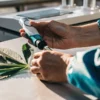
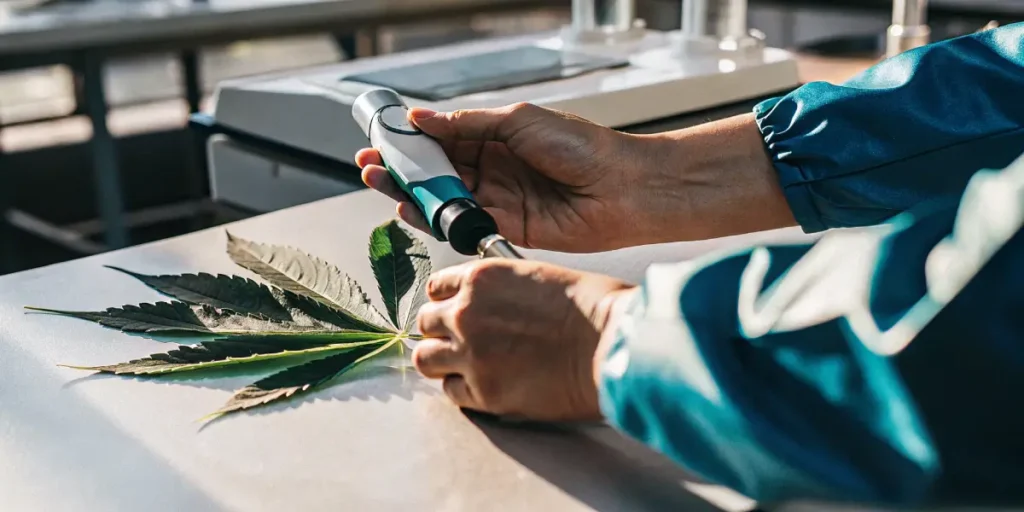
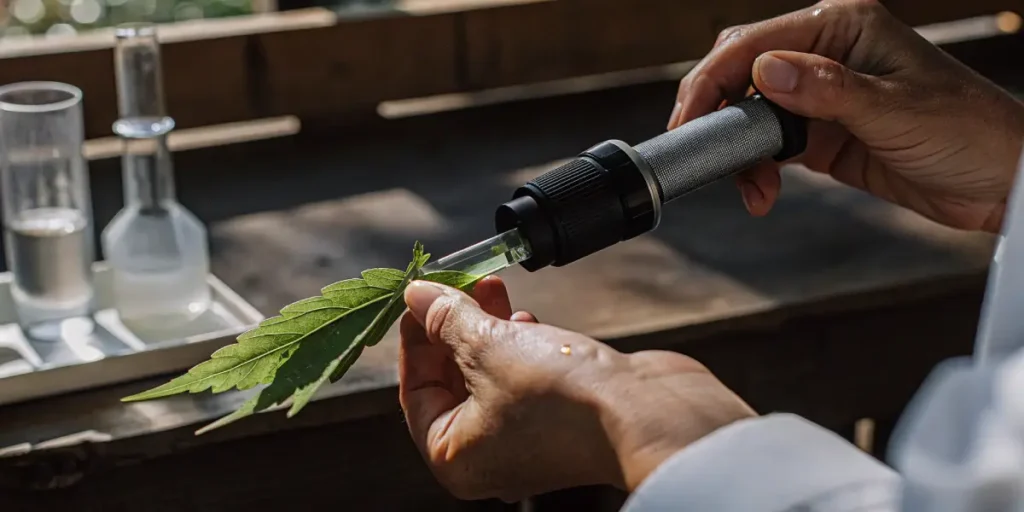
Measuring brix using the sap method involves collecting a small amount of plant juice. Start by selecting a healthy leaf from your cannabis plant. Gently squeeze the leaf to extract a few drops of sap onto a refractometer, a device that measures brix levels. When comparing measuring brix in cannabis: sap vs extract methods, the sap method is quick and offers immediate results, giving you real-time insight into your plant’s current state.
In contrast, the extract method requires a bit more work. You’ll need to crush or blend parts of the plant, such as stems and leaves, to obtain a juice sample. This sample is then tested with a refractometer. While more time-consuming, this technique provides a broader picture of the plant’s overall nutritional content, making it ideal for in-depth analysis.
To further elaborate on how to measure cannabis brix using sap and extract, it’s important to note that the refractometer must be calibrated precisely for accurate readings. Regularly checking the calibration against a standard solution ensures the device remains reliable, particularly when switching between sap and extract methods.
Additionally, cannabis sap brix testing versus extract methods can be influenced by the time of day you collect samples. Morning readings might differ from afternoon ones due to daily fluctuations in plant metabolism. Thus, maintaining consistency in your testing schedule can enhance the reliability of your brix measurements.
Sap vs Extract Brix Analysis in Cannabis
The sap method is praised for its simplicity and ease of use. It’s particularly useful for growers seeking quick insights into their plants’ health. With just a few drops of sap, you can determine if your cannabis plants are thriving or if they need attention. This method is ideal for regular checks throughout the growing season.
On the other hand, the extract method is more detailed. It allows you to analyze the plant’s entire nutritional profile, including micronutrients and other compounds. This method is beneficial when you’re dealing with strains like Bruce Banner 3 from Blimburn Seeds, where knowing the full nutrient spectrum can lead to optimal growth conditions.
Sap vs extract brix analysis in cannabis is essential for tailoring nutrient regimens according to each growth stage. While sap analysis provides immediate feedback for adjustments, extract analysis offers a long-term view of nutrient trends. This dual approach ensures that plants receive the right nutrients at the right time, enhancing growth and yield.
Furthermore, knowing how to measure cannabis brix using sap and extract can lead to better pest and disease management. High brix levels can deter pests naturally, reducing the need for chemical interventions. By monitoring these levels, growers can adopt more sustainable cultivation practices.
Promos & Deals
Real-Life Applications of Brix Measurement in Cannabis
In real-life scenarios, growers often use brix measurements to make critical decisions about their cultivation practices. For example, if you’re noticing that your Blimburn Seeds GG4 plants aren’t performing as expected, a quick sap test might reveal a nutritional deficiency. This allows you to adjust your nutrient mix promptly, preventing potential yield loss.
Similarly, if you’re experimenting with new growing techniques, like organic or hydroponic systems, brix measurements can provide valuable feedback. By comparing the brix levels of different plants, you can identify which methods are most effective for your specific strains, such as Blue Dream or Bruce Banner.
Real-life applications of measuring brix in cannabis: sap vs extract methods also extend to breeding programs. By selecting plants with consistently high brix levels, breeders can develop strains that naturally exhibit robust health and yield characteristics, streamlining the selection process.
Additionally, cannabis brix measurement techniques comparison aids in optimizing harvest times. By tracking brix levels, growers can pinpoint the optimal time to harvest for maximum potency and yield, ensuring that each crop reaches its full potential.
FAQs about measuring brix in cannabis: sap vs extract methods
What is the best method for measuring brix in cannabis?
The best method for measuring brix in cannabis depends on your specific needs. The sap method is ideal for quick, frequent checks of plant health, giving you immediate feedback on sugar levels. It’s a simple process that involves squeezing a small amount of juice from a leaf and testing it with a refractometer.
If you’re looking for a more comprehensive analysis, the extract method might be more suitable. This involves crushing larger plant parts to get a detailed look at the plant’s nutritional status. It’s more time-consuming but provides a broader knowing, which can be particularly useful for adjusting growing conditions.
For those managing large-scale operations, alternating between sap and extract methods can provide a balanced approach to plant monitoring. The sap method’s speed allows for widespread testing, while the extract method’s depth offers insights into specific problem areas.
In environments where precision is paramount, such as controlled indoor grows, combining the insights from cannabis sap brix testing versus extract methods can enhance decision-making processes. This comprehensive approach ensures that every aspect of plant health is optimized.
How often should I measure brix levels in my cannabis plants?
The frequency of brix measurements can vary depending on the stage of growth and your cultivation goals. For monitoring ongoing plant health, weekly sap measurements can be beneficial. This regular check can alert you to any sudden changes in plant health, allowing for timely interventions.
In contrast, you might use the extract method less frequently, perhaps once every few weeks or during critical growth phases. This method is best for a deep dive into your plants’ nutritional uptake and can guide long-term cultivation strategies.
For precision, consider aligning your brix testing schedule with other routine maintenance tasks, such as pruning or fertilization. This integration can streamline your cultivation process, making it easier to track changes and implement necessary adjustments.
Furthermore, the insights gained from regular brix measurements can feed into larger data analytics systems, especially in technologically advanced growing setups. These systems can automate trend analysis, providing predictive insights and enabling proactive management of plant health.
Can brix levels predict the potency of cannabis?
Brix levels primarily measure sugar content, which is an indicator of plant health and not directly of potency. While healthy, high-brix plants may have the potential for better yields, brix is not a direct measure of THC or CBD content.
However, maintaining optimal brix levels can contribute to overall plant vitality, which indirectly supports the development of cannabinoids. For strains like Bruce Banner 3 or GG4, healthy brix levels can be part of a holistic approach to achieving high potency.
Knowing the relationship between sugar content and overall plant health is crucial for growers aiming for high-quality yields. While brix levels alone don’t guarantee potency, they are a valuable component in a comprehensive quality control strategy.
Additionally, by integrating brix measurements with other analyses, such as terpene profiles or cannabinoid concentrations, growers can develop a more nuanced knowing of how different cultivation practices affect final product quality.
What tools do I need for brix measurement in cannabis?
To measure brix in cannabis, you’ll primarily need a refractometer, a device that measures the sugar content in plant juices. It’s a handy tool for growers and can be used for both sap and extract methods. A simple hand-held refractometer is sufficient for most growers.
For the extract method, additional tools like a blender or mortar and pestle are necessary to crush plant material. These tools help prepare the plant sample for brix testing, ensuring accurate readings.
Investing in a high-quality refractometer can make a significant difference in the precision of your measurements. Some advanced models even offer digital readouts, simplifying the process and reducing the chance of human error.
Beyond basic tools, maintaining a clean and organized workspace is vital for accurate cannabis brix measurement techniques comparison. Contaminants can skew results, so ensure all equipment is sterilized between uses.
Are there any specific cannabis strains that benefit more from brix testing?
While all cannabis strains can benefit from brix testing, some may show more pronounced results. Strains with high nutrient demands, such as GG4 or Bruce Banner 3 from Blimburn Seeds, can particularly benefit from regular brix measurements.
These strains often require precise nutrient management to reach their full potential. Brix testing helps ensure that they receive the right balance of nutrients, optimizing growth and maximizing yield.
Knowing how to measure cannabis brix using sap and extract can be especially beneficial for experimental strains. These new varieties often have unknown nutrient requirements, making brix testing a critical part of their cultivation process.
Furthermore, for heritage strains with unique characteristics, regular brix monitoring can help preserve their distinct profiles, ensuring that each harvest stays true to the strain’s original attributes.