Expert Guide: How to Use Chelates to Boost Cannabis Nutrient Uptake

Growing cannabis can be both exciting and challenging. One key aspect is ensuring the plants receive all the nutrients they need. This is where chelates come into play, acting as nutrient carriers that improve cannabis nutrient uptake. Chelates bind to metallic ions and make them more accessible to plants, enhancing their absorption.
When learning how to use chelates to improve cannabis nutrient uptake, it’s important to note that these agents can significantly enhance the growth and yield of your plants. By ensuring nutrients are readily available, chelates help cannabis plants thrive, leading to healthier leaves and more robust growth.
Recommended Strains

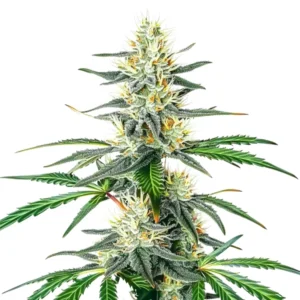
Bruce Banner #3

|
THC | 20% - 29% (High) |

|
Type | Feminized |

|
Yield | Medium |

|
Phenotype | 50% Indica / 50% Sativa |

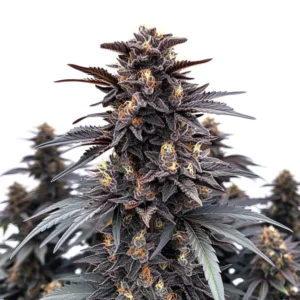
Girl Scout Cookies
|
|
THC | 18% - 25% (Medium) |
|
|
Type | Feminized |
|
|
Yield | High |
|
|
Phenotype | 60% Indica / 40% Sativa |
Whether you’re growing indoors or outdoors, the application of chelates can be a game-changer. For instance, the popular strain Bruce Banner #3 from Blimburn Seeds can benefit greatly from chelate application, resulting in higher yields and more potent buds. Knowing the right way to incorporate chelates into your nutrient regimen is key to maximizing these benefits.
What Are Chelates and How Do They Work?
Chelates are chemical compounds that bind to metal ions, transforming them into a form that plants can easily absorb. These compounds prevent the ions from interacting with other elements in the soil, which might otherwise render them unavailable to the plant. Essentially, chelates act as a protective shield, ensuring nutrients are delivered directly to where they are needed most.
The process of chelation involves binding nutrients like iron, zinc, and magnesium with chelating agents. This improves their solubility and mobility in the soil. For cannabis growers, using chelates means improving cannabis nutrient uptake, leading to better growth outcomes. Imagine your cannabis plant as a marathon runner – chelates are like the energy drinks that keep them going strong.
Knowing how to use chelates to improve cannabis nutrient uptake requires knowledge of the specific interactions between chelates and soil chemistry. By targeting the nutrients that are often locked in the soil, chelates increase the effectiveness of the nutrients already present. This scientific approach ensures that your plants receive consistent nutrition, paving the way for lush growth and abundant harvests.
Furthermore, knowing how chelates work helps in selecting the right chelating agents for cannabis nutrient absorption. Since different agents excel in varying conditions, choosing the appropriate chelate can make a significant difference in the overall health and yield of your cannabis plants. By optimizing the nutrient delivery process, chelates serve as an indispensable tool in any grower’s arsenal.
Promos & Deals



Types of Chelating Agents for Cannabis Cultivation
There are several types of chelating agents, each with its advantages. The most common types include EDTA (Ethylenediaminetetraacetic acid), DTPA (Diethylenetriaminepentaacetic acid), and EDDHA (Ethylenediamine-N,N’-bis(2-hydroxyphenylacetic acid). EDTA is widely used due to its ability to chelate a wide range of metal ions.
DTPA is often used in slightly acidic conditions, making it ideal for most cannabis growing environments. EDDHA, on the other hand, is perfect for highly alkaline soils, ensuring that even in challenging conditions, nutrient uptake is maximized. Using chelates to enhance cannabis yield involves selecting the right agent for your specific growing conditions.
Besides to these common chelating agents, natural alternatives like humic and fulvic acids are gaining popularity among organic growers. These organic chelates not only improve nutrient availability but also enhance soil health, making them a sustainable choice for eco-conscious cultivators. By integrating these natural chelates, growers can improve cannabis nutrient uptake while maintaining an organic approach.
For those seeking the best chelates for cannabis plant health, conducting a soil analysis is crucial. By knowing the specific nutrient needs of your soil, you can select a chelate that addresses deficiencies effectively. This strategic approach ensures that your plants receive the exact nutrients they need, leading to vigorous growth and improved yields.
How to Apply Chelates for Cannabis Growth
Applying chelates effectively requires knowing your soil’s pH and nutrient profile. Begin by testing your soil to determine which nutrients are deficient and adjust your chelating strategy accordingly. For example, if iron deficiency is an issue, using an iron chelate can correct this problem efficiently.
When applying chelates, it’s crucial to follow the manufacturer’s recommendations. Over-application can lead to nutrient toxicity, which is counterproductive. Incorporate chelates into your regular feeding schedule to ensure consistent nutrient availability. Strains like Girl Scout Cookies from Blimburn Seeds can significantly benefit from regular chelate applications, resulting in improved vigor and yield.
Knowing how to apply chelates for cannabis growth involves careful planning and execution. By tailoring your chelate application to the specific needs of your plants, you can address nutrient deficiencies promptly. This not only boosts plant health but also enhances the quality and potency of your cannabis, offering a more rewarding cultivation experience.
For optimal results, consider the timing of chelate applications. Applying chelates during critical growth stages, such as flowering, can maximize nutrient uptake and lead to more substantial yields. By aligning chelate applications with your plant’s growth cycle, you ensure that your cannabis receives the necessary nutrients precisely when needed most.

Using Chelates to Enhance Cannabis Yield
Maximizing cannabis yield with chelates involves a balanced approach to nutrient management. Chelates not only improve nutrient uptake but also contribute to overall plant health. Healthier plants are more resilient to stress and disease, which in turn leads to higher yields.
Consistent use of chelates can lead to noticeable improvements in plant structure and bud development. For example, the strain Sour Diesel from Blimburn Seeds is known for its robust growth and high yields. When grown with a chelate-inclusive nutrient plan, the results can be even more impressive.
Improving cannabis nutrient uptake with chelates requires a comprehensive knowing of plant nutrition. By ensuring that nutrients are readily available, chelates help cannabis plants unlock their full potential. The result is not only an increase in yield but also an enhancement in the overall quality of the cannabis flowers.
Incorporating chelates into your cultivation routine can also lead to a more efficient use of resources. By maximizing nutrient uptake, plants require less fertilizer input, reducing costs and environmental impact. This sustainable approach makes chelates an essential component for growers aiming to optimize both yield and ecological responsibility.
FAQs about how to use chelates to improve cannabis nutrient uptake
What are the best chelates for cannabis plant health?
The best chelates for cannabis plant health depend on soil conditions and nutrient deficiencies. EDTA is versatile and works well in many situations, while DTPA is suitable for slightly acidic environments. EDDHA is recommended for alkaline soils. Each of these chelates can help improve nutrient uptake, ensuring your plants get what they need to thrive.
Choosing the right chelate involves knowing your specific growing conditions. Conduct a soil test to identify deficiencies and select a chelate that targets those needs. This tailored approach ensures that your cannabis plants receive optimal nutrition, leading to vigorous growth and enhanced yields.
When determining how to use chelates to improve cannabis nutrient uptake, consider the long-term health of your plants. Chelates not only address immediate deficiencies but also contribute to the sustained vitality of your cannabis. By optimizing nutrient availability, you create an environment in which your plants can flourish consistently over time.
For growers using Blimburn Seeds strains, selecting the best chelates for cannabis plant health can make a significant difference. By aligning chelate choices with the specific requirements of each strain, growers can enhance the genetic potential and achieve remarkable results, both in terms of yield and quality.
How can I tell if my cannabis plants need chelates?
Signs that your cannabis plants may need chelates include yellowing leaves, stunted growth, and poor bud development. These symptoms often indicate nutrient deficiencies, which chelates can address by improving nutrient availability. Regularly monitoring your plants for these signs can help you determine when chelates are needed.
Soil testing is another effective method to identify nutrient deficiencies. By knowing your soil’s nutrient profile, you can decide if adding chelates to your feeding regimen is necessary. This proactive approach helps maintain plant health and ensures successful cultivation.
Recognizing the need for chelates early can prevent more severe nutrient issues down the line. By addressing deficiencies promptly, you can avoid potential setbacks that could affect plant health and yield. This vigilant approach to monitoring ensures that your cannabis plants remain healthy and productive throughout their growth cycle.
Besides to visual signs, tracking the growth rate and bud development can provide insights into nutrient uptake efficiency. If your plants are not meeting expected growth benchmarks, it may be time to explore how to apply chelates for cannabis growth to boost their performance and vitality.
Can I use chelates with organic cannabis growing methods?
Yes, chelates can be used with organic growing methods, but it’s essential to choose chelates that align with organic standards. Natural chelating agents like humic acids and fulvic acids can be excellent choices for organic growers. These options provide the benefits of improved nutrient uptake without compromising organic integrity.
Integrating organic chelates into your cultivation practices can lead to healthier plants and better yields. By facilitating nutrient absorption, these natural chelates support robust growth and enhance the quality of your cannabis, all while maintaining organic principles.
When considering how to use chelates to improve cannabis nutrient uptake in an organic setting, it’s important to focus on sustainability. Organic chelates support the natural nutrient cycles within the soil, promoting a balanced ecosystem that benefits both plants and soil health.
For those growing organic strains from Blimburn Seeds, using natural chelates can enhance the unique characteristics of each variety. By aligning nutrient management with organic practices, growers can produce cannabis that is not only high in quality but also environmentally conscious.
Are there any risks associated with using chelates in cannabis cultivation?
While chelates are generally safe, overuse can lead to nutrient toxicity. This occurs when plants absorb too much of a particular nutrient, leading to imbalances. It’s crucial to follow recommended dosages and monitor your plants for any adverse reactions.
Applying chelates as part of a balanced nutrient regimen minimizes risks and ensures your plants benefit from improved nutrient uptake. Regular observation and soil testing can help prevent potential issues, allowing you to adjust your approach as needed for optimal results.
Knowing the potential risks associated with chelate use underscores the importance of precision in nutrient management. By adhering to best practices, you can harness the benefits of chelates while avoiding pitfalls that could compromise plant health.
For growers using Blimburn Seeds strains, monitoring the effects of chelates can provide valuable insights into optimizing growth. By fine-tuning nutrient delivery, you can achieve exceptional results, showcasing the full potential of each strain without risking nutrient imbalances.
How do chelates compare to other nutrient delivery methods?
Chelates offer a unique advantage over other nutrient delivery methods by directly enhancing nutrient availability. Unlike traditional fertilizers, which may become unavailable due to soil interactions, chelates protect nutrients, ensuring they reach the plant efficiently.
This targeted delivery results in better nutrient absorption and plant health, often leading to higher yields. While other methods have their place, chelates provide a reliable way to address nutrient deficiencies and optimize cannabis growth, making them a valuable tool in any grower’s toolkit.
Comparing chelates to other nutrient delivery methods reveals their superior efficiency in nutrient transport. By preventing nutrient lock-up, chelates ensure that plants receive a steady supply of essential minerals, supporting consistent growth and development.
For those focused on using chelates to enhance cannabis yield, the benefits extend beyond just nutrient availability. By integrating chelates into a comprehensive nutrient management plan, growers can improve overall plant performance, leading to more robust and resilient crops.