Expert Guide: How to Choose the Right Refractometer for Cannabis

Choosing the right refractometer for cannabis cultivation is a crucial step in ensuring the success of your growing operation. A refractometer measures the sugar content in the plant’s sap, which is a good indicator of plant health and productivity. It’s essential to pick one that suits your specific needs. Let’s dive into the world of refractometers and explore how to choose the right refractometer for cannabis cultivation.
For those new to cannabis cultivation or seasoned growers looking to refine their techniques, knowing how refractometers work and why they are beneficial is key. A refractometer can help you gauge the overall health of your plants by measuring the Brix level, which is the sugar content in plant sap. A high Brix level generally indicates healthy, strong plants.
Recommended Strains

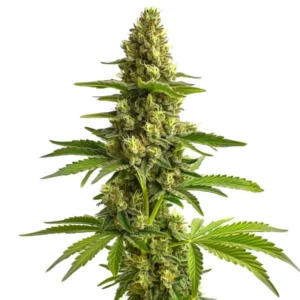
Blue Dream

|
THC | 17% - 24% (Medium) |

|
Type | Feminized |

|
Yield | High |

|
Phenotype | 50% Indica / 50% Sativa |
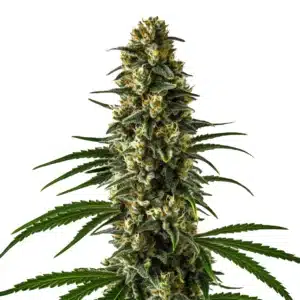
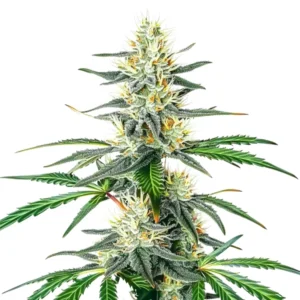
Girl Scout Cookies
|
|
THC | 18% - 25% (Medium) |
|
|
Type | Feminized |
|
|
Yield | High |
|
|
Phenotype | 60% Indica / 40% Sativa |
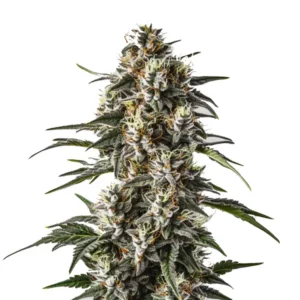
With numerous refractometer options available, selecting the right one can be overwhelming. Whether you’re growing popular strains like Blue Dream, Girl Scout Cookies, or Bruce Banner 3 from Blimburn Seeds, the right refractometer can make a significant difference in your cultivation process. Let’s explore the key factors to consider when choosing a refractometer for your cannabis plants.
What is a Refractometer?
A refractometer is a tool that measures the refractive index of a liquid. In simple terms, it measures how much light bends when it passes through the liquid. This bending of light is directly related to the concentration of dissolved substances in the liquid, such as sugars in plant sap.
In cannabis cultivation, a refractometer is used to measure the Brix level. The Brix level indicates the sugar content of the plant’s sap. A higher Brix level typically means that your cannabis plants are healthy, receiving adequate nutrients, and are more resistant to pests.
Knowing how to choose the right refractometer for cannabis cultivation involves knowing the importance of accurate Brix readings. These readings can provide insights into the plant’s metabolic health and nutrient uptake efficiency. By regularly monitoring these levels, growers can make informed decisions to optimize their cultivation strategies and improve yield quality.
Moreover, refractometers aren’t solely limited to measuring sugar content. They can also indicate changes in the plant’s internal environment, which may suggest shifts in nutrient availability or water stress. This makes them an invaluable tool for proactive management, allowing growers to address potential issues before they become detrimental to the crop’s success.
Types of Refractometers
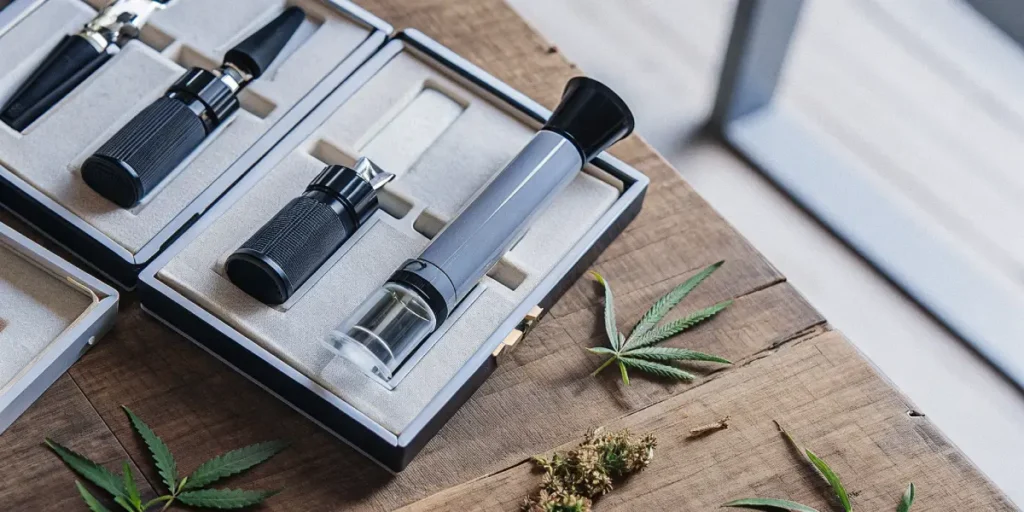
When it comes to selecting refractometer for cannabis farming, there are several types to consider. The most common types are analog, digital, and optical refractometers. Each has its advantages and disadvantages.
Analog refractometers are simple and easy to use. They don’t require batteries or electricity, making them highly portable. They are a good option for small-scale growers who want a reliable, straightforward tool.
Digital refractometers, on the other hand, offer more precision and ease of use. They provide a digital reading, which can be more accurate than reading from an analog scale. However, they require batteries and are typically more expensive.
Optical refractometers are another category worth considering. They offer a balance between the simplicity of analog devices and the precision of digital ones. These refractometers are particularly beneficial for growers who value visual confirmation of their measurements alongside digital precision, making them a versatile choice in the cannabis cultivation refractometer buying guide.
Each type of refractometer has its unique set of benefits, and the best refractometer for cannabis growers will depend on individual needs and preferences. Factors such as the scale of the operation, budget constraints, and the level of precision required should all influence the decision-making process when selecting refractometers for cannabis farming.
Promos & Deals
Factors to Consider When Choosing a Refractometer
When you’re in the market for a refractometer, there are several factors to consider to ensure you get the best refractometer for cannabis growers. First, think about the ease of use. If you’re a first-time buyer, you might prefer a simple, analog model.
Next, consider the accuracy and precision of the refractometer. Digital refractometers usually offer more precise readings, which can be crucial for fine-tuning your cultivation process. Additionally, think about the durability and build quality. A sturdy refractometer will withstand the rigors of frequent use in various growing environments.
Another critical factor is the range of Brix levels a refractometer can measure. Depending on the specific needs of your cannabis strains, you may require a device that can handle a broader range of sugar concentrations. This is particularly important for diverse cultivation setups where multiple strains are grown, each with its unique nutrient requirements and optimal Brix levels.
Additionally, consider the support and resources available from the manufacturer. Some companies provide detailed guides and customer support to help growers maximize the benefits of their refractometers. This extra layer of support can be invaluable, especially for new cultivators learning the nuances of using a refractometer effectively in their growing practices.
Price and Budget Considerations
Price is an essential factor when choosing a refractometer for marijuana plants. Analog refractometers are generally more affordable, making them a great choice for beginners or those on a tight budget. However, if you have the budget, investing in a digital refractometer can pay off in terms of accuracy and ease of use.
Before making a purchase, compare prices from different suppliers and read reviews to gauge the reliability and performance of the refractometers you are considering. While price is important, don’t compromise on quality. A reliable refractometer is a valuable tool in your cannabis cultivation arsenal.
When considering the cost, factor in the long-term benefits of having precise and reliable data on plant health. This can lead to more efficient nutrient use, better pest management, and ultimately higher yields, which can offset the initial investment in a high-quality refractometer. For serious growers, this makes the choice between saving money upfront and investing in better equipment a critical decision.
It’s also important to budget for any additional accessories or calibration tools that might be required to maintain the accuracy of your refractometer over time. These costs can add up, but they are essential for ensuring that your device remains effective in providing accurate measurements throughout its lifespan.
Using a Refractometer in Cannabis Cultivation
Once you’ve chosen the right refractometer for your needs, it’s time to put it to use. Using a refractometer involves extracting a small sample of the plant’s sap and placing it on the device’s prism. The refractometer will then provide a reading that indicates the Brix level of the sap.
Regularly checking the Brix level of your cannabis plants can help you make informed decisions about nutrient management, watering schedules, and pest control. By monitoring the Brix level, you can adjust your cultivation practices to ensure your plants remain healthy and productive.
Integrating refractometer readings into your cultivation routine can enhance your ability to respond to changes in plant health dynamically. For example, a sudden change in Brix levels might indicate an underlying issue such as nutrient imbalance or pest infestation, prompting timely corrective measures.
Additionally, documenting Brix readings over time helps build a comprehensive profile of your plants’ health, which can be invaluable for future reference and comparison. This historical data can guide you in refining your cultivation techniques and achieving consistently high yields across different growing cycles.
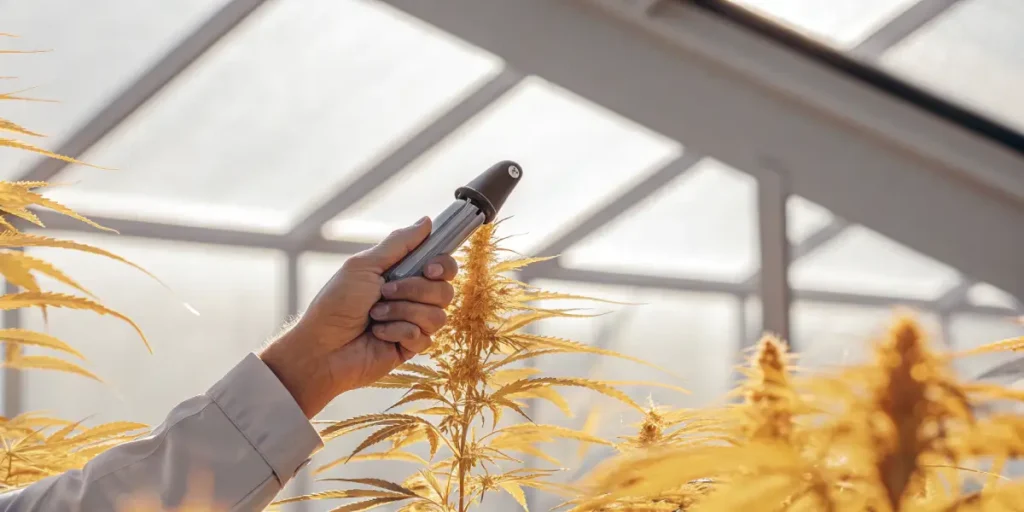
Practical Tips for Using a Refractometer
Start by calibrating your refractometer according to the manufacturer’s instructions. Calibration ensures that your readings are accurate. Most refractometers come with a calibration tool or require distilled water for this purpose.
When collecting sap samples, ensure that your tools are clean to avoid contamination. Use a clean knife or razor to make a small cut on a leaf or stem, and collect the sap using a pipette or dropper.
Ensure that your refractometer is stored correctly when not in use to maintain its accuracy. Keep it in a secure, dry place, and protect it from extreme temperature fluctuations or harsh chemicals that might affect its precision. Proper storage is crucial for maintaining the longevity and reliability of the device.
Consider keeping a logbook specifically for your refractometer readings and related observations. This can help you track changes in your plants’ health over time and identify any correlations between environmental factors and Brix levels. Such records are a valuable resource for fine-tuning your cultivation practices and maximizing your harvests.
FAQs about how to choose the right refractometer for cannabis cultivation
What is the importance of Brix levels in cannabis cultivation?
Brix levels are a measure of the sugar content in the plant’s sap, which serves as an indicator of the plant’s overall health. High Brix levels generally suggest that the plant is receiving adequate nutrients and is in good condition, leading to robust growth and resistance to pests.
Monitoring Brix levels can help growers make informed decisions about nutrient management and other cultivation practices. By keeping an eye on Brix levels, you can adjust your strategies to ensure optimal plant health and maximize yields.
Knowing how to choose the right refractometer for cannabis cultivation is crucial for accurately measuring Brix levels, which in turn can guide interventions to improve plant health. Consistent monitoring can also highlight successful cultivation practices, which can be replicated or adapted to different strains and growing conditions.
By integrating Brix level analysis into your regular cultivation routine, you can build a more responsive and informed approach to plant care. This proactive method can significantly enhance the quality and quantity of your cannabis yields, providing a substantial return on your investment in a refractometer.
How often should I check Brix levels in my cannabis plants?
The frequency of checking Brix levels can depend on various factors such as the growth stage of your plants and environmental conditions. However, a general recommendation is to check Brix levels once a week to keep track of plant health and make timely adjustments.
Regular monitoring allows you to identify any potential issues early and take corrective action before they impact your plants’ growth. Consistent tracking of Brix levels helps ensure that your plants remain healthy and productive throughout the cultivation cycle.
By establishing a routine schedule for Brix level checks, you can better understand the natural fluctuations in your plants’ sugar content and respond accordingly. This helps in creating a more stable growing environment where conditions are optimized for consistent and healthy growth.
It’s also beneficial to increase the frequency of checks during critical growth phases or when environmental conditions change significantly. This allows you to react swiftly to any unexpected shifts in plant health, ensuring that your cannabis cultivation remains on track for success.
Can I use a refractometer for all cannabis strains?
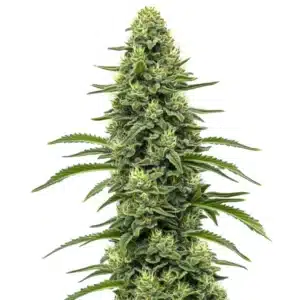
Yes, a refractometer can be used for all cannabis strains. Whether you’re growing classic strains like OG Kush or experimenting with newer varieties like GG4 from Blimburn Seeds, a refractometer can provide valuable insights into plant health.
Different strains may have varying Brix level benchmarks, so it’s essential to understand the specific needs and characteristics of the strains you are cultivating. This knowledge will help you make the most of your refractometer readings.
When choosing a refractometer for marijuana plants, make sure to consider the diversity of strains you plan to grow. Each strain might respond differently to nutrients and environmental conditions, making Brix level monitoring an essential part of tailored cultivation practices.
Leveraging the data provided by refractometers, you can better understand the specific requirements of each strain, optimizing conditions to achieve the best possible results. This can lead to healthier plants and potentially higher yields across a variety of cannabis strains.
Do I need to clean my refractometer after each use?
Yes, cleaning your refractometer after each use is crucial to ensure accurate readings and prolong the device’s lifespan. Residue from previous samples can lead to contamination and erroneous measurements.
To clean your refractometer, gently wipe the prism with a soft, lint-free cloth or use distilled water and a clean cloth to remove any sap residue. Proper maintenance will keep your refractometer in good working condition.
Regular cleaning also prevents the buildup of residue that can affect the refractive index measurements, ensuring that your readings remain consistent and reliable. This simple maintenance task is vital for the longevity and effectiveness of your refractometer.
If your refractometer requires more thorough cleaning, consult the manufacturer’s guidelines to ensure you’re using the correct methods and materials. Avoid using harsh chemicals or abrasive materials that could damage the prism or other sensitive components of the device.
Can a refractometer help diagnose nutrient deficiencies in cannabis plants?
While a refractometer primarily measures the sugar content in plant sap, changes in Brix levels can indicate potential nutrient deficiencies. A sudden drop in Brix levels may suggest that your plants are not receiving adequate nutrients.
By monitoring Brix levels alongside other cultivation data, you can identify patterns and diagnose potential issues related to nutrient management. This information can guide you in adjusting your nutrient regimen to support healthy plant growth.
Alongside other diagnostic tools and observations, refractometer readings can provide early warnings of nutrient imbalances. This allows growers to make timely adjustments to fertilization schedules, ensuring that plants receive the essential nutrients they need to thrive.
Incorporating refractometer data into your overall plant health monitoring system can enhance your ability to maintain optimal growing conditions. This holistic approach helps ensure that your cannabis plants remain healthy and productive throughout their growth cycle.