Expert Guide: How Strain Selection Reduces Microbial Contamination Risk

Choosing the right cannabis strain can be the difference between a healthy, thriving plant and one that’s plagued by microbial contamination. Strain selection is a crucial step that helps growers reduce the risks associated with harmful microorganisms. It’s essential for both first-time buyers and seasoned cultivators to understand how strain selection reduces microbial contamination risk, ensuring a successful harvest.
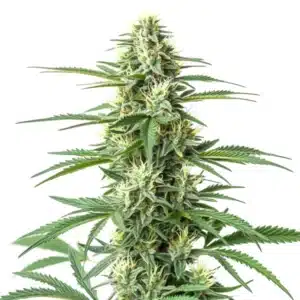
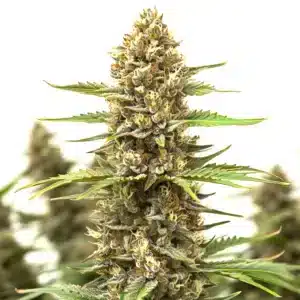
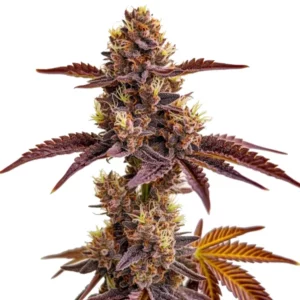
For instance, strains like GG4 from Blimburn Seeds are known for their resilience against common pathogens. Their genetic makeup provides a natural defense, minimizing the need for chemical interventions. This is how strain selection plays a pivotal role in managing contamination risks effectively.
Recommended Strains
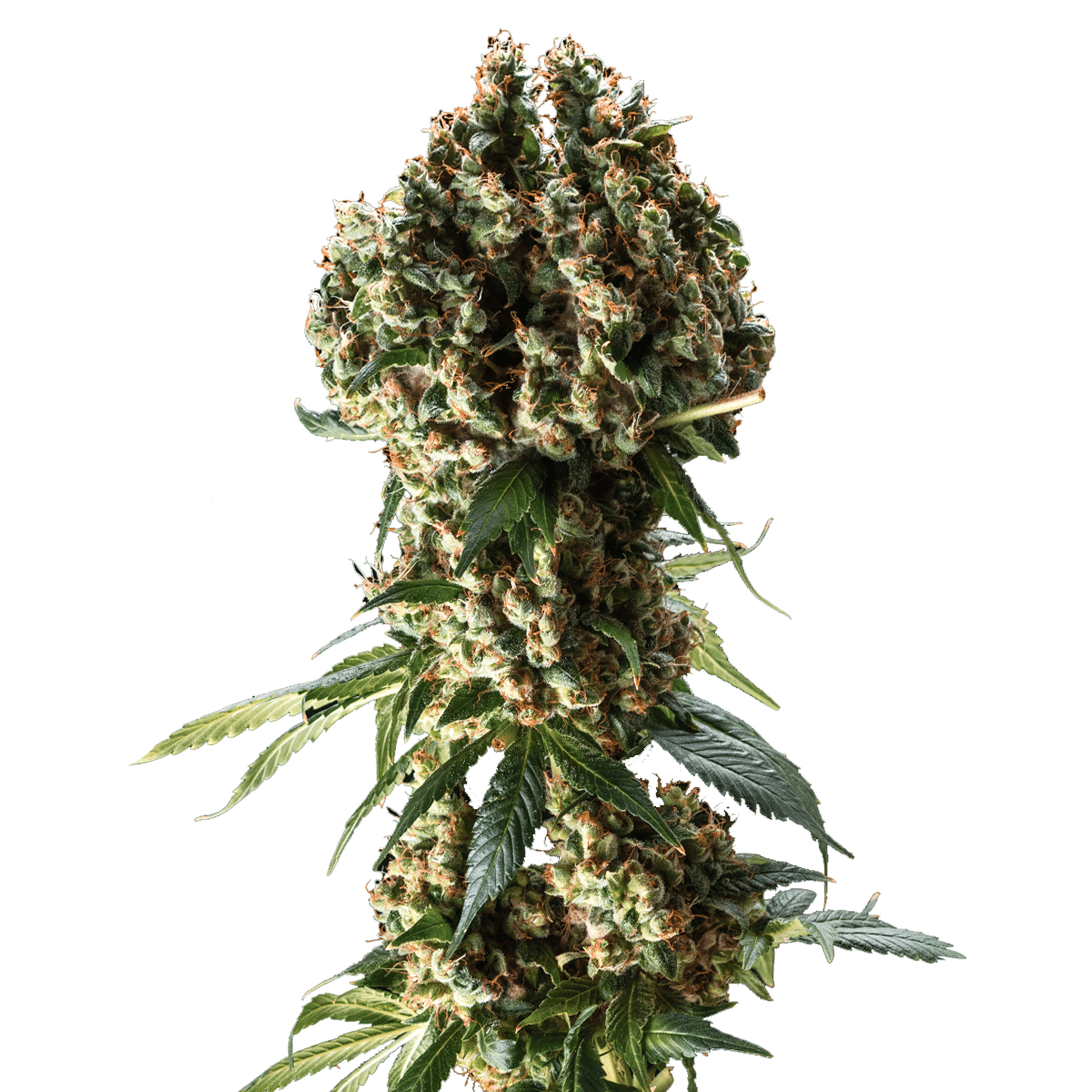
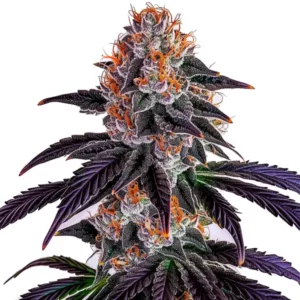
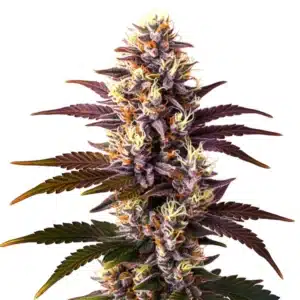
Granddaddy Purple

|
THC | 25% (High) |

|
Type | Feminized |

|
Yield | High |

|
Phenotype | 70% Indica / 30% Sativa |

GG4
|
|
THC | 27% (High) |
|
|
Type | Feminized |
|
|
Yield | High |
|
|
Phenotype | 40% Indica / 60% Sativa |
When selecting strains, consider factors such as resistance to mold and mildew. The Granddaddy Purple strain, also from Blimburn Seeds, is renowned for its robust resistance, making it a great choice for those looking to minimize contamination. By choosing strains with a proven track record, you can significantly reduce the risk of microbial issues.
Impact of Strain Selection on Contamination Risk Reduction
The impact of strain selection on contamination risk reduction cannot be overstated. Certain strains possess inherent characteristics that make them less susceptible to microbial threats. These traits can include thicker leaves, higher resin production, and a more robust root system. All these factors contribute to a plant’s ability to fend off unwanted microorganisms.
A practical example of this is the Blue Dream strain. Known for its adaptability and resilience, this strain from Blimburn Seeds offers growers peace of mind. Its ability to thrive in various environments while resisting common pathogens demonstrates how effective strain selection can be in preventing microbial contamination.
Furthermore, knowing the genetic lineage of a strain can provide insights into its potential for contamination resistance. By tracing the ancestry of a strain, growers can identify specific traits that contribute to its ability to withstand microbial attacks. This knowledge aids in making informed decisions that align with the goal of contamination risk reduction.
Additionally, selecting strains with a proven history of success in similar growing conditions can bolster a cultivator’s confidence in their chosen varieties. This approach not only enhances the likelihood of a successful harvest but also underscores how strain selection reduces microbial contamination risk in a tangible manner.
Microbial Contamination Prevention Through Strain Selection
Microbial contamination prevention through strain selection involves knowing the specific threats present in your growing environment. For instance, if you’re cultivating in a humid area, strains that are resistant to mold and mildew would be ideal. Choosing strains that naturally deter pests and pathogens reduces the need for chemical treatments, promoting a healthier grow space.
Strain selection strategies for minimizing contamination should also consider the plant’s growth cycle. Strains that mature quickly can reduce the window of opportunity for microbial contamination. This is particularly beneficial in outdoor grows where environmental conditions can fluctuate rapidly.
Besides to environmental considerations, growers should focus on the specific microbial threats that are prevalent in their region. By identifying these threats, cultivators can tailor their strain selection to include varieties that have demonstrated resistance to such pathogens, thus enhancing prevention efforts.
Moreover, collaborating with experienced growers and breeders can provide valuable insights into strain performance under various conditions. This shared knowledge can be instrumental in refining strategies for reducing microbial contamination with specific strain choices, ensuring optimal cultivation outcomes.
Promos & Deals
Strategies for Reducing Microbial Contamination with Specific Strain Choices
Reducing microbial contamination with specific strain choices involves a strategic approach. Begin by researching the genetic background of potential strains. Look for those with a history of resistance to the common pathogens in your area. This research is a fundamental step in strain selection strategies for minimizing contamination.
Consider strains that have been bred specifically for resilience. Many seed banks, like Blimburn Seeds, offer strains that are tailored to withstand specific environmental pressures. These strains often come with breeder notes that highlight their strengths in terms of contamination resistance.
Another key strategy is to focus on strains that exhibit vigorous growth patterns, as healthy plants are often better equipped to combat microbial threats. Vigorous growth can be an indicator of a plant’s overall health and its ability to fend off infections naturally.
Additionally, continuous monitoring and evaluation of strain performance throughout the growth cycle can provide insights into their effectiveness in contamination prevention. This ongoing assessment helps growers make necessary adjustments, reinforcing the function of strain selection in controlling contamination risks.
Function of Strain Selection in Controlling Contamination Risks
The function of strain selection in controlling contamination risks is integral to successful cannabis cultivation. Proper strain selection acts as a first line of defense against microbial threats. It empowers growers to cultivate plants that naturally resist contaminants, reducing the need for external interventions.
By knowing how strain selection reduces microbial contamination risk, growers can make informed decisions that align with their cultivation goals. For instance, strains like Critical Mass are known for their dense buds and strong resistance to mold, making them a reliable choice for risk-averse growers.
Furthermore, strain selection can be tailored to specific cultivation scales, whether it’s a small indoor operation or a large outdoor farm. Selecting strains that are well-suited to the grower’s specific setup ensures that contamination risks are minimized at every level of production.
Lastly, engaging in ongoing research and staying updated on new strain developments can further enhance a grower’s ability to manage contamination risks. As new resistant strains are developed, incorporating them into cultivation practices can provide an additional layer of protection against microbial threats.

FAQs about how strain selection reduces microbial contamination risk
How does strain selection impact overall plant health?
Strain selection impacts plant health by determining the plant’s natural resistance to pathogens and pests. Choosing a strain with robust genetic traits can result in healthier growth and higher yields. This selection process ensures that the plant is equipped to handle environmental stressors without succumbing to microbial contamination.
By reducing the dependency on chemical pesticides and fungicides, strain selection promotes a more organic method of cultivation. This not only benefits the plant but also contributes to a cleaner and more sustainable growing environment.
Additionally, healthy plants are more likely to produce higher quality flowers, which can result in better market value and consumer satisfaction. This underscores the economic benefits of informed strain selection besides to its impact on plant health.
Moreover, selecting strains with robust health traits can reduce the labor and resources required for plant maintenance, allowing growers to focus on optimizing other aspects of their cultivation process.
What are some common strains with high resistance to contamination?
Common strains with high resistance to contamination include Gorilla Glue #4, Granddaddy Purple, and Blue Dream. These strains have been bred for their resilience against mold, mildew, and other microbial threats. They are ideal for growers looking to minimize the risk of contamination.
These strains also offer robust growth characteristics, making them suitable for various environments. Their natural resistance reduces the need for chemical interventions, allowing for a more organic cultivation process.
Besides to these well-known varieties, emerging strains with innovative breeding techniques are continually being developed to enhance contamination resistance. Keeping an eye on these advancements can provide growers with new tools for maintaining plant health.
Furthermore, consulting with seed banks like Blimburn Seeds can provide access to detailed information about strain performance, helping growers make informed decisions based on their specific contamination risks and environmental conditions.
Are there specific environments where strain selection is more crucial?
Strain selection is particularly crucial in environments prone to high humidity, such as greenhouses and coastal regions. In these areas, the risk of mold and mildew is higher, making resistant strains essential for successful cultivation.
Indoor growers also benefit from careful strain selection, as it allows them to manage limited space effectively and avoid the rapid spread of contamination. Choosing the right strain is a strategic decision that can significantly impact the success of the crop.
In arid regions, selecting drought-resistant strains can be equally important, as water stress can make plants more susceptible to microbial infections. Tailoring strain choices to the specific environmental challenges helps ensure robust plant health.
Moreover, urban growers who face unique challenges such as limited light or space can benefit from strains that are specifically bred for compact growth and high resilience, further emphasizing the importance of strategic strain selection.
Can strain selection help reduce the need for chemical treatments?
Yes, selecting strains with natural resistance to pests and pathogens can significantly reduce the need for chemical treatments. This approach not only lowers the cost of cultivation but also promotes a healthier final product.
By focusing on microbial contamination prevention through strain selection, growers can minimize their environmental impact and produce cleaner cannabis. This is increasingly important as consumers become more conscious of the cultivation practices behind the products they purchase.
Furthermore, reducing chemical use not only benefits the environment but also enhances worker safety by minimizing exposure to potentially harmful substances. This holistic approach to cultivation aligns with modern agricultural sustainability goals.
Besides, organic cultivation methods, supported by strategic strain selection, often lead to superior flavor profiles and terpene expressions in the final product, which can be a significant selling point in a competitive market.
What role does strain selection play in achieving sustainable cultivation?
Strain selection plays a pivotal role in achieving sustainable cultivation by promoting biodiversity and reducing the reliance on synthetic inputs. By choosing strains that thrive in specific environments, growers can reduce their environmental footprint and maintain soil health.
This strategic approach supports long-term sustainability by ensuring that crops are resilient, reducing the likelihood of crop failure due to microbial contamination. It also aligns with the growing demand for eco-friendly and responsibly grown cannabis products.
Moreover, sustainable cultivation practices, supported by effective strain selection, contribute to the conservation of natural resources such as water and soil nutrients, ultimately benefiting the broader ecosystem.
As consumer awareness about sustainability continues to rise, growers who prioritize sustainable practices through thoughtful strain selection are likely to see increased demand for their products, further incentivizing ecological responsibility.