Why Autoflower Strains Reduce Microbial Exposure: Expert Insights

Autoflower strains have become increasingly popular among both novice and experienced cannabis growers. Many cultivators are interested in knowing why autoflower strains reduce microbial exposure, as these plants often provide advantages that support a cleaner growing environment. Because of their fast life cycle and resilience, many growers choose these strains to help ensure a safer and higher-quality final product.
One of the primary reasons autoflower strains reduce microbial exposure is their shorter life cycle. Unlike traditional cannabis plants, autoflowers transition from seed to harvest in a matter of weeks. This quick turnaround minimizes the time during which microbes can thrive, effectively limiting microbial presence.
Recommended Strains

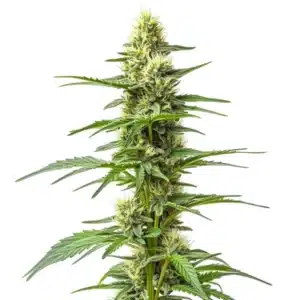
Lemon Z OG Auto

|
THC | 18% - 22% (Medium) |

|
Type | Autoflowering |

|
Yield | High |

|
Phenotype | 40% Indica / 60% Sativa |

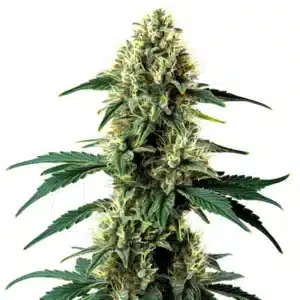
Tangie Autoflower
|
|
THC | 20% - 23% (Medium) |
|
|
Type | Autoflowering |
|
|
Yield | Medium |
|
|
Phenotype | 40% Indica / 60% Sativa |
Additionally, the resilience of autoflower strains plays a significant role. These plants are bred to withstand various conditions, which helps in reducing the microbial load on the plant surfaces. Let’s delve deeper into how autoflower strains contribute to microbial exposure reduction.
Life Cycle Efficiency and Microbial Exposure Reduction
The compact life cycle of autoflower strains is a game-changer for growers. Traditional photoperiod strains can take months to mature, offering plenty of time for microbes to develop. Autoflowers, however, complete their growth cycle faster, which leaves less time for microbial populations to establish.
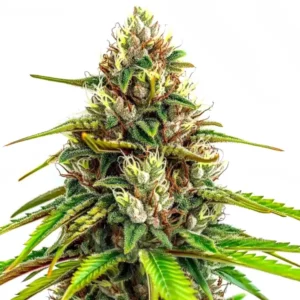
For example, Blimburn Seeds offers the GG4 Auto strain, which is known for its rapid growth cycle. This strain can be harvested in just 8-10 weeks, significantly reducing the opportunity for microbial contamination. Thanks to the quick turnaround, growers experience a decrease in microbial exposure with autoflower cannabis.
Besides to improving the pace of the growth cycle, autoflower strains also support the sustainability of cultivation practices. By enabling multiple harvests in a single year, these strains contribute to the benefits of autoflower strains in reducing microbes by lowering the risk of long-term microbial buildup. This continual renewal of the growing environment is a crucial element of why autoflower strains reduce microbial exposure.
The abbreviated life cycle also means that less time and energy are spent on maintaining the plants, which can lead to cost savings and efficiency improvements. These economic advantages further incentivize growers to choose autoflower strains, highlighting how autoflower strains limit microbial presence while providing a practical solution for cultivators.
Environmental Control and Microbial Presence
Managing the environment is crucial in controlling microbial growth. Autoflower strains thrive in various conditions, requiring less stringent control over environmental factors. This adaptability means that growers can maintain optimal conditions without the stress of prolonged exposure to pathogens.
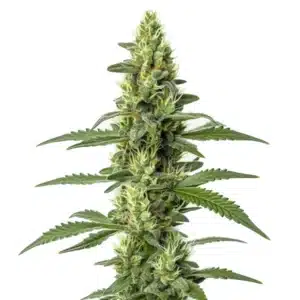
Strains like Tangie Auto from Blimburn Seeds are particularly suited for environments with fluctuating conditions. Their robust nature limits microbial risk, ensuring a safer yield. By growing autoflowers, cultivators can focus more on enjoying their plants than worrying about microbes.
Furthermore, the ability of autoflower strains to adapt to less-than-ideal conditions means that even novice growers can achieve successful harvests without extensive experience in environmental management. This characteristic is one of the reasons autoflower cannabis reduces microbial risk, offering a forgiving option that allows for successful cultivation in diverse climates.
By reducing the need for strict climate control, autoflower strains also contribute to the conservation of resources. This not only supports sustainable growing practices but also enhances the overall efficiency of operations. The way autoflower strains and microbial exposure reduction intersect demonstrates their value in both environmental and economic terms.
Practical Benefits of Autoflower Strains in Reducing Microbes
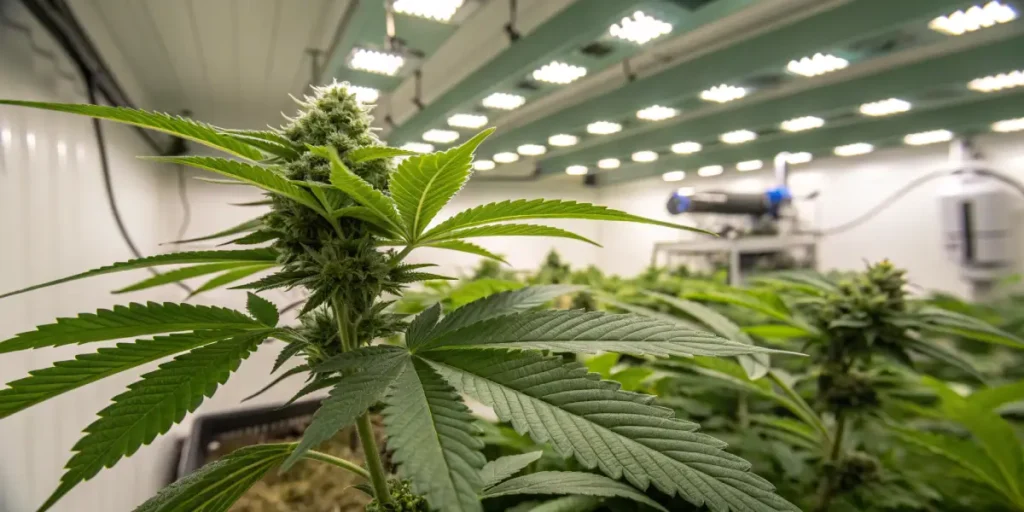
Autoflower strains offer practical solutions for reducing microbial exposure. For instance, their compact size allows for better air circulation around the plants. Improved airflow decreases humidity levels, which is a common breeding ground for mold and bacteria.
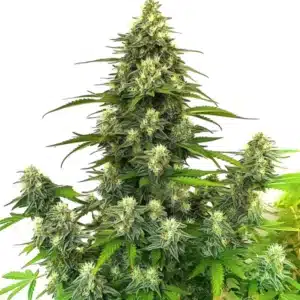
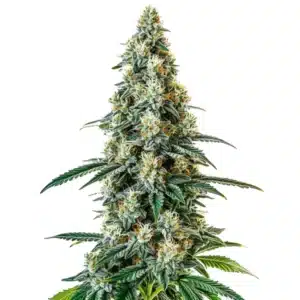
Consider the critical advantages offered by the Lemon Z OG Auto from Blimburn Seeds. The compact and bushy nature of this strain facilitates airflow and light penetration, further aiding in microbial exposure reduction. Growers find this attribute particularly beneficial in dense grow setups.
The practical benefits of autoflower strains in reducing microbes extend beyond just airflow. The reduced plant size also allows for more efficient use of space, making it possible to cultivate a larger number of plants in the same area. This can lead to increased yields without increasing the risk of microbial contamination, showcasing why autoflower strains reduce microbial exposure effectively.
Additionally, the inherent resilience of autoflower strains often means that fewer interventions are necessary to maintain plant health. This reduction in chemical inputs not only promotes a cleaner growing environment but also contributes to the overall microbial exposure decrease with autoflower cannabis, ensuring a healthier end product.

Promos & Deals


Managing Risks with Autoflower Strains
Autoflower strains are an excellent choice for managing microbial risks effectively. They offer a level of predictability that is highly valued by growers looking to minimize exposure to harmful microbes.
For those cultivating in regions with high humidity or fluctuating temperatures, choosing autoflower strains is a strategic decision. Their ability to thrive with minimal intervention is why autoflower strains reduce microbial exposure so effectively.
Moreover, the consistency in growth patterns among autoflower strains allows growers to plan and predict outcomes with greater accuracy. This predictability is a cornerstone of how autoflower strains limit microbial presence, offering a reliable option for cultivators seeking to optimize their harvests.
By providing a stable and resilient growing option, autoflower strains also reduce the pressure on growers to constantly monitor and adjust environmental conditions. This ease of management is another reason why autoflower strains reduce microbial exposure to a lesser extent, allowing for a more relaxed and enjoyable growing experience.
FAQs about why autoflower strains reduce microbial exposure
What are autoflower strains?
Autoflower strains are a type of cannabis plant that automatically transitions from the vegetative phase to the flowering phase without the need for a change in light cycle. This unique characteristic makes them ideal for both indoor and outdoor growing.
Their genetic makeup includes Ruderalis traits, which contribute to their fast-growing and resilient nature. These traits are responsible for the benefits of autoflower strains in reducing microbes and allow for multiple harvests in a single growing season.
The autopilot nature of autoflower strains simplifies the growing process, making them accessible to a wider range of cultivators. This ease of growth is a defining feature of why autoflower strains reduce microbial exposure, as it empowers growers with varying levels of experience to achieve successful outcomes.
Additionally, autoflower strains’ ability to initiate flowering without external cues means that they can be grown in a variety of settings, providing flexibility and convenience. This adaptability is a key factor in how autoflower strains limit microbial presence while maintaining high-quality yields.
How do autoflower strains limit microbial presence?
Autoflower strains limit microbial presence through their shorter growth cycle and inherent resilience. The abbreviated life span reduces the time microbes have to colonize plants, which is crucial in microbial exposure reduction.
Moreover, their ability to flourish in various environments without excessive monitoring helps keep microbial levels in check. This adaptability is a significant factor in how autoflower strains limit microbial presence.
By completing their growth cycle quickly, autoflower strains provide fewer opportunities for microbes to establish a foothold. This rapid progression from seed to harvest is a core reason why autoflower strains reduce microbial exposure, offering a proactive approach to managing microbial risks.
The genetic robustness of these strains further enhances their capacity to resist microbial challenges, reducing the likelihood of infections and ensuring healthier plants. This resilience is a testament to the effectiveness of autoflower strains and microbial exposure reduction strategies.
Can autoflower strains grow in any climate?
Yes, autoflower strains are known for their adaptability and can thrive in a wide range of climates. Their Ruderalis genetics equip them to handle different environmental conditions, reducing the need for extensive climate control.
This versatility is one of the reasons autoflower cannabis reduces microbial risk, as it allows for cultivation in less-than-ideal conditions while still producing a high-quality yield.
Whether facing high humidity or variable temperatures, autoflower strains offer a reliable option that doesn’t compromise on quality. This climate resilience is a significant advantage for growers, demonstrating how autoflower strains limit microbial presence across diverse environments.
Furthermore, their adaptability means that growers can experiment with different growing techniques and setups, further enhancing the appeal of these strains. This flexibility is a critical component of why autoflower strains reduce microbial exposure so effectively, offering a robust solution for any grower.
Are there specific strains recommended for beginners?
For beginners, strains like Gorilla Glue Auto and Tangie Auto from Blimburn Seeds are excellent choices. These strains offer a perfect balance of ease of growth and robust yields, making them ideal for newcomers.
Their forgiving nature and resistance to common issues make them particularly suitable for those learning the ropes. They provide a practical introduction to the benefits of autoflower strains in reducing microbes.
New growers will appreciate the minimal maintenance required for these strains, allowing them to focus on learning the basics of cultivation without being overwhelmed by complex challenges. This simplicity is one of the reasons autoflower cannabis reduces microbial risk, making it an attractive option for beginners.
By choosing beginner-friendly strains, novice cultivators can quickly see the results of their efforts, building confidence and encouraging further exploration of cannabis growing. This positive experience underscores why autoflower strains reduce microbial exposure and are an excellent starting point for anyone new to cultivation.
What are the key reasons autoflower cannabis reduces microbial risk?
The key reasons include their rapid growth cycle, environmental adaptability, and innate resilience. These factors collectively contribute to a reduced microbial footprint, ensuring a safer and cleaner end product.
Growers appreciate these attributes as they directly influence the quality and safety of the harvest. The microbial exposure decrease with autoflower cannabis is a testament to their efficiency and practicality.
By offering a streamlined path to harvest, autoflower strains minimize the time and effort needed to manage microbial risks. This efficiency is a core component of how autoflower strains limit microbial presence, providing peace of mind for cultivators focused on quality.
The strategic advantages provided by autoflower strains, such as their adaptability and resilience, make them a top choice for growers aiming to reduce microbial exposure. These reasons highlight why autoflower strains reduce microbial exposure, delivering both practical and economic benefits to the cultivation process.