Expert Guide: How Molecular Markers Identify Cannabis Strains Easily

Growing cannabis is both an art and a science. As the demand for specific cannabis strains rises, so does the need to ensure that what you’re getting is exactly what you think it is. Here’s where the science of how molecular markers identify cannabis strains comes into play. This method allows growers and buyers to confidently identify and differentiate between various cannabis strains.
Molecular markers in cannabis strain identification offer a reliable way to tell different strains apart. These markers are unique DNA sequences that can be used to profile and verify different strains. With this technology, even first-time buyers can rest assured that they’re purchasing the right seeds.
Recommended Strains

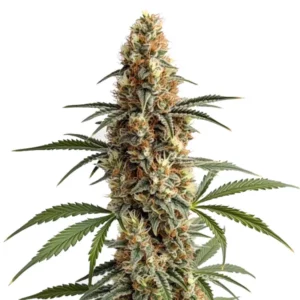
Blue Dream

|
THC | 17% - 24% (Medium) |

|
Type | Feminized |

|
Yield | High |

|
Phenotype | 50% Indica / 50% Sativa |
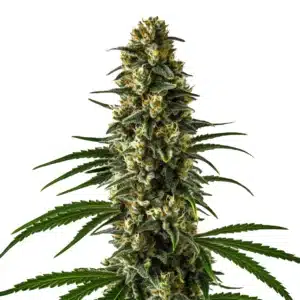
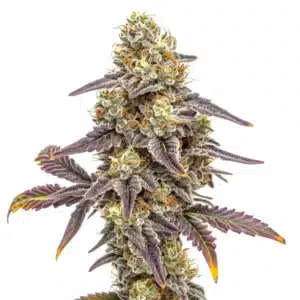
Girl Scout Cookies
|
|
THC | 18% - 25% (Medium) |
|
|
Type | Feminized |
|
|
Yield | High |
|
|
Phenotype | 60% Indica / 40% Sativa |
For example, if you’ve purchased the famous Blue Dream strain from Blimburn Seeds, molecular markers allow you to confirm that it is indeed Blue Dream. This is especially useful for both novice and seasoned growers who wish to maintain the integrity and quality of their cannabis plants.
What Are Molecular Markers?
Molecular markers are specific sequences in the DNA that help identify genetic differences. In the context of cannabis, they serve as unique identifiers for each strain. They are the genetic fingerprints that distinguish one strain from another.
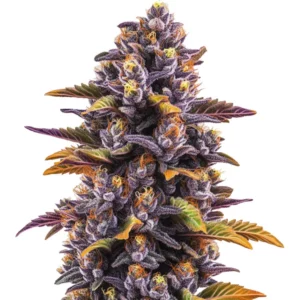
Think of molecular markers like a barcode for each cannabis strain. Just as a barcode uniquely identifies a product, DNA markers used in identifying cannabis varieties do the same for different strains. These markers are invaluable for maintaining the purity of strains, such as the Tangie strain from Blimburn Seeds.
By using molecular techniques for distinguishing cannabis strains, growers can ensure that their crops are consistent and true to type. This technology minimizes the risk of cross-breeding and accidental mix-ups, which can be costly and disappointing for growers.
The development of genetic markers for cannabis strain differentiation has advanced rapidly, allowing more precise identification and categorization of strains. As research progresses, the depth of information that can be extracted from these markers continues to grow, providing breeders and growers with invaluable insights into plant genetics.
Furthermore, the application of molecular markers extends beyond simply identifying strains. They also play a critical role in knowing disease resistance and environmental adaptability of different strains, helping cultivators make informed decisions about their planting strategies.
Types of Molecular Markers
There are several types of molecular markers used in cannabis strain identification. Each type has its own advantages and is selected based on the specific needs of the analysis. The most commonly used markers include SSR (Simple Sequence Repeats), SNP (Single Nucleotide Polymorphisms), and AFLP (Amplified Fragment Length Polymorphism).
SSR markers are highly polymorphic and abundant throughout the genome. They are useful for assessing genetic diversity and relationships among strains. For instance, if you’re growing the popular Girl Scout Cookies strain from Blimburn Seeds, SSR markers can help verify its genetic identity.
SNP markers, on the other hand, involve variations at a single DNA base pair. They are highly specific and useful for pinpointing exact genetic differences, making them ideal for detailed strain differentiation. AFLP markers, which combine DNA fragmentation and PCR amplification, are excellent for analyzing complex genomes.
Each type of marker has its own unique applications and benefits. For example, SSR markers are particularly useful in population genetics studies due to their high level of variability. They have been instrumental in tracing lineage and knowing genetic drift within cannabis populations.
Meanwhile, SNP markers are favored in high-resolution mapping and are often used in the fine-scale genetic analysis of traits, such as cannabinoid production. Their specificity allows breeders to develop targeted breeding programs aimed at enhancing or suppressing particular characteristics within a strain.
Practical Applications of Molecular Markers
The practical applications of how molecular markers identify cannabis strains are vast. For growers, these markers provide a way to authenticate the strains they are cultivating. This is crucial when producing high-value strains with specific characteristics, such as high THC or CBD content.
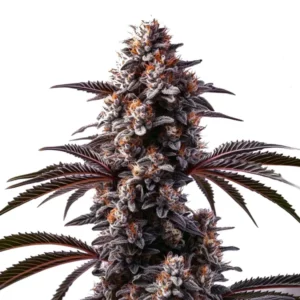
For buyers, knowing that molecular markers have verified their purchase adds a layer of confidence. No one wants to invest in a strain only to find out it’s not what they expected. For example, if you’re purchasing the Black Domina strain from Blimburn Seeds, molecular markers can assure you of its authenticity.
Moreover, genetic markers for cannabis strain differentiation help breeders develop new strains. By knowing the genetic makeup of existing strains, breeders can selectively cross-breed to enhance desirable traits. This not only improves the quality of cannabis available but also expands the variety of strains on the market.
The use of molecular markers also extends to quality control in commercial cannabis production. By ensuring that the genetic profile of plants matches the desired strain, producers can maintain a consistent product, which is critical for both regulatory compliance and consumer trust.
Additionally, molecular markers facilitate the management of intellectual property rights in the cannabis industry. By proving the uniqueness of a strain through its genetic profile, breeders can protect their innovations and ensure that they receive the appropriate recognition and compensation for their work.
Promos & Deals



Benefits of Using Molecular Markers
The benefits of using molecular markers in cannabis strain identification are numerous. One key advantage is accuracy. Traditional methods of strain identification, such as morphological analysis, can be subjective and influenced by environmental factors. Molecular markers provide a precise and objective way to identify strains.
Another benefit is efficiency. The process of using molecular genetics to identify strains is faster and more reliable than traditional methods. This means that growers and sellers can quickly verify the authenticity of their strains without lengthy waiting periods.
Lastly, using molecular markers helps in preserving genetic diversity. By accurately identifying strains, growers can avoid unintentional cross-breeding and maintain the genetic integrity of their plants. This is particularly important for preserving heirloom strains and ensuring the sustainability of cannabis cultivation.
As the cannabis industry continues to expand, the demand for precision and reliability in strain identification increases. Molecular markers provide the robust framework needed to meet this demand, ensuring that both consumers and producers can have confidence in the products they are dealing with.
Furthermore, the integration of molecular markers into standard cultivation practices can lead to significant cost savings. By reducing the risk of errors in strain identification, growers can avoid costly mistakes that might otherwise result in crop loss or reduced product quality.

How to Get Started with Molecular Markers
Getting started with how molecular markers identify cannabis strains doesn’t require a deep dive into genetic science. Many companies offer services that can analyze the DNA of your cannabis plants and provide detailed reports on their genetic identity.
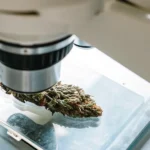
To begin, you’ll need a sample from your plant, which is usually a small leaf or bud. This sample is then sent to a lab where DNA extraction and analysis take place. The results will tell you exactly what strain you have, confirming its authenticity.
For those interested in a DIY approach, there are kits available that allow you to collect samples and send them off for analysis. These kits come with detailed instructions and are designed to be user-friendly, making them accessible even to those with no prior experience in molecular genetics.
Choosing the right service or kit is crucial for accurate results. Look for providers who have a proven track record in cannabis genetics and who offer comprehensive support throughout the testing process. This will ensure that you have access to expert advice and assistance should you encounter any issues.
Additionally, staying informed about the latest advancements in cannabis strain identification using molecular genetics can provide you with a competitive edge. As technology evolves, new techniques and markers are constantly being developed, offering more precise and comprehensive insights into cannabis genetics.
FAQs about how molecular markers identify cannabis strains
What are molecular markers and how do they work?
Molecular markers are short sequences of DNA that help identify and differentiate between cannabis strains. They are like unique fingerprints for each strain, allowing for precise identification. When you want to confirm the identity of a strain, these markers are analyzed and compared to known databases.
By using molecular genetics, growers and buyers can ensure that the strain they have is true to its label. This not only maintains the integrity of the cannabis product but also helps in selecting strains with specific desirable traits, such as high potency or particular flavor profiles.
These markers work by exploiting the genetic variability found in different cannabis strains. By identifying specific sequences that are unique to each strain, it becomes possible to create a detailed genetic profile that can be used for comparison and verification purposes.
In practice, this means that even subtle differences between strains can be detected, allowing for a level of precision that is unmatched by traditional identification methods. This precision is crucial for maintaining the quality and consistency of cannabis products in a competitive market.
Why are molecular markers important in cannabis cultivation?
Molecular markers are crucial in cannabis cultivation because they provide a reliable method for verifying strain identity. This is important for maintaining the purity and consistency of strains, which is essential for both medicinal and recreational purposes. Accurate identification helps in avoiding accidental cross-breeding and ensures that growers produce high-quality cannabis.
For example, if a grower is cultivating the Bruce Banner strain, molecular markers can confirm its identity, ensuring that the final product meets the expected profile. This verification is especially important for growers who focus on producing strains with specific cannabinoid profiles.
Besidesto maintaining strain purity, molecular markers can also aid in optimizing growing conditions. By knowing the genetic requirements of specific strains, growers can tailor their cultivation practices to better meet the needs of their plants, resulting in healthier crops and higher yields.
Furthermore, the use of molecular markers in cannabis cultivation can support sustainability efforts. By preserving genetic diversity and preventing the loss of rare or endangered strains, these markers contribute to the long-term viability of cannabis as a crop.
Can molecular markers help in breeding new cannabis strains?
Yes, molecular markers play a significant role in breeding new cannabis strains. By analyzing the genetic makeup of existing strains, breeders can identify specific traits they wish to enhance or introduce in new strains. This targeted breeding approach leads to the development of unique strains with desired characteristics.
For instance, if a breeder wants to create a strain with high CBD content, they can use molecular markers to find parent strains with the right genetic profile. This precision breeding enhances the quality and diversity of cannabis available to consumers.
Molecular markers also allow breeders to track the inheritance of specific traits across generations. This helps in creating more predictable and stable offspring, which is particularly important in commercial breeding programs where consistency is key.
Moreover, by using molecular markers, breeders can more efficiently explore the genetic potential of wild cannabis varieties. These wild strains may contain untapped genetic resources that can be harnessed to create novel and innovative cannabis products.
How do I choose a reliable service for DNA analysis of cannabis strains?
Choosing a reliable service for DNA analysis of cannabis strains involves a few considerations. First, look for labs with a good reputation and positive reviews from other growers. Experience in cannabis genetics is crucial, so prioritize labs that specialize in this area.
Additionally, consider the cost and turnaround time for analysis. Some services offer faster results at a premium price, while others may take longer but are more affordable. Ensure that the service provides a detailed report with clear explanations of the findings.
It is also beneficial to select a service that offers support and consultation beyond the initial analysis. Having access to experts who can interpret the results and provide guidance on how to apply the findings can be invaluable, especially for those new to cannabis genetics.
Lastly, verify that the service uses up-to-date technology and methodologies. The field of molecular genetics is constantly evolving, and using a service that employs the latest techniques will ensure that you receive the most accurate and comprehensive analysis possible.
Are there any limitations to using molecular markers for cannabis identification?
While molecular markers are a powerful tool for cannabis identification, there are some limitations. One challenge is the initial cost of setting up for DNA analysis, which can be a barrier for small-scale growers. However, the investment often pays off in the long run with improved strain quality and consistency.
Another limitation is that this technology requires access to a laboratory capable of performing genetic analysis. While there are DIY kits available, they still require sending samples to a lab for processing. Despite these limitations, the benefits of using molecular markers far outweigh the drawbacks, providing growers with a reliable method for strain verification.
Additionally, the accuracy of molecular markers depends on the quality of the reference databases used for comparison. Incomplete or outdated databases can lead to incorrect results, highlighting the importance of using a reputable analysis service with access to comprehensive genetic libraries.
Finally, while molecular markers are excellent for identifying and differentiating strains, they do not provide all the answers. Environmental factors and cultivation practices can still influence the expression of genetic traits, meaning that a holistic approach to cannabis cultivation is necessary for optimal results.