Expert Guide: How Climate Conditions Affect Nutrient Dynamics in Cannabis

Cannabis cultivation is an art and science. Climate conditions play a huge role in how your plants absorb nutrients. If you’re growing cannabis, whether indoors or outdoors, it’s important to know how climate affects nutrient dynamics. This knowledge can help you optimize growth and yield.
Temperature and humidity are two main factors. They influence how well cannabis plants take up nutrients. High temperatures can speed up nutrient absorption but also increase evaporation, leading to potential deficiencies. On the other hand, cooler temperatures can slow down nutrient uptake, affecting plant health.
Recommended Strains
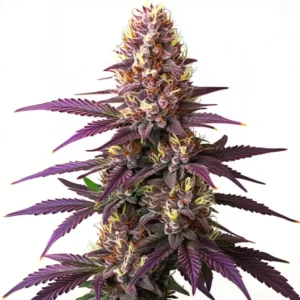
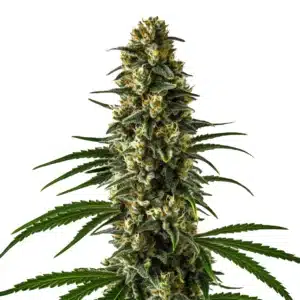
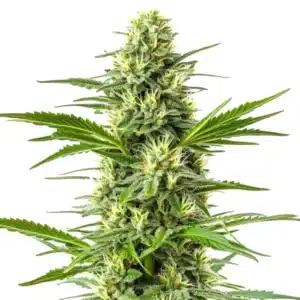
Blueberry

|
THC | 15% - 24% (Medium) |

|
Type | Feminized |

|
Yield | High |

|
Phenotype | 80% Indica / 20% Sativa |
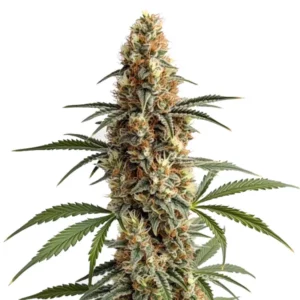
Amnesia Fast Version
|
|
THC | 22% - 25% (Medium) |
|
|
Type | Fast Flowering |
|
|
Yield | Medium |
|
|
Phenotype | 30% Indica / 70% Sativa |
Humidity levels are critical as well. When humidity is too high, it can lead to mold and other issues. Low humidity, however, can cause stress and make it hard for plants to absorb nutrients efficiently. Balancing these elements ensures cannabis thrives.
Climate Impact on Cannabis Nutrient Uptake
The climate has a direct impact on how cannabis plants absorb nutrients. Different strains react differently to climate variations. For example, the Blueberry strain from Blimburn Seeds thrives in moderate climates, where nutrient uptake is balanced and optimized.
In hot climates, like those found in southern regions, nutrient uptake can be rapid. However, this can lead to nutrient lockout if not managed correctly. On the flip side, cooler climates may require adjustments in nutrient delivery to ensure plants get what they need.
Knowing the climate impact on cannabis nutrient uptake is essential for growers aiming to maximize their yields. Different climates necessitate different strategies for nutrient management, making it crucial to tailor your approach to the specific conditions your plants face. This adaptive strategy not only improves plant health but also ensures better quality and potency of the harvest.
Additionally, how climate conditions affect nutrient dynamics in cannabis can be observed through different growth phases. During the vegetative stage, plants might need more nitrogen, while in the flowering phase, phosphorus becomes more critical. Adjusting nutrient supply according to these needs, and in response to climatic conditions, is key to successful cultivation.
Promos & Deals

Effects of Weather on Cannabis Nutrient Cycles
Weather patterns can change rapidly, and so can their effects on nutrient cycles in cannabis. For instance, heavy rain can leach nutrients from the soil, making them less available to plants. This is particularly important for outdoor growers who can’t control the weather.
Conversely, dry spells can concentrate nutrients, risking nutrient burns. It’s crucial to adjust watering and feeding schedules according to the weather. Growing the Amnesia Fast Version strain from Blimburn Seeds, known for its resilience, can help mitigate some weather-related challenges.
The effects of weather on cannabis nutrient cycles can be profound, requiring constant vigilance and adaptation from growers. Seasonal changes, such as the transition from wet to dry seasons, can necessitate a complete overhaul of nutrient strategies to maintain plant vitality and productivity.
Moreover, extreme weather events like storms or heatwaves can disrupt nutrient dynamics significantly. In such cases, having a responsive nutrient management plan is essential, allowing for quick adjustments to prevent long-term damage to the plants. Utilizing weather forecasts to anticipate these changes can help growers stay one step ahead, ensuring optimal nutrient cycles are maintained.
How Temperature Affects Cannabis Nutrient Absorption
Temperature directly influences the metabolic rate of cannabis plants. Warmer temperatures can boost the rate at which plants absorb nutrients, but there’s a catch. If temperatures get too high, nutrient absorption can be disrupted, causing deficiencies or toxicities.
In indoor setups, growers can control temperature more easily. This allows for precise management of nutrient uptake. Outdoor growers need to be more adaptable, perhaps choosing strains like the Girl Scout Cookies from Blimburn Seeds, which perform well in varying temperatures.
The knowing of how temperature affects cannabis nutrient absorption is crucial for both novice and experienced growers. By maintaining temperatures within an optimal range, you can ensure that the plants’ metabolic processes function efficiently, leading to healthier growth and improved yields.
Temperature fluctuations can also influence the availability of certain nutrients. For instance, a sudden drop in temperature might cause phosphorus to become less available, necessitating adjustments in nutrient solutions. Being aware of these subtle shifts can greatly enhance your ability to manage and optimize nutrient dynamics in varying climates.

Influence of Humidity on Cannabis Nutrient Levels
Humidity affects how cannabis plants absorb water and nutrients. High humidity can slow down transpiration, the process by which plants release water, affecting nutrient uptake. This can lead to deficiencies, even if the nutrients are present in the soil.
Low humidity, however, can cause plants to transpire too quickly. This can lead to a buildup of nutrients, resulting in potential nutrient burn. Managing humidity levels is crucial for maintaining healthy nutrient dynamics.
The influence of humidity on cannabis nutrient levels cannot be overstated. For growers, knowing the delicate balance required to maintain optimal humidity is key to preventing both deficiencies and toxicities. This balance is often achieved through careful monitoring and the use of tools like humidifiers or dehumidifiers.
Humidity fluctuations can also impact the plant’s immune system, making it more susceptible to diseases. Therefore, maintaining a consistent humidity range not only supports nutrient uptake but also strengthens the plant’s overall resilience. Selecting strains from Blimburn Seeds that are known for their adaptability to humidity changes can further enhance your success in cultivation.
FAQs about how climate conditions affect nutrient dynamics in cannabis
What is the best climate for growing cannabis?
While cannabis can be grown in various climates, moderate conditions are generally preferred. This includes temperatures between 70°F and 85°F with balanced humidity levels. These conditions allow for optimal nutrient uptake without stressing the plant.
Choosing the right strain is also important. For moderate climates, Blueberry from Blimburn Seeds is an excellent choice. It adapts well to these conditions, ensuring a healthy nutrient dynamic.
Knowing how climate conditions affect nutrient dynamics in cannabis is vital for selecting the best growing environment. Moderate climates with stable weather patterns provide a consistent backdrop for nutrient absorption, fostering optimal growth and minimizing stress.
Additionally, the best climate for growing cannabis often includes a balance of sunlight and shade, which helps maintain stable temperatures and humidity levels. This balance supports a robust nutrient cycle, enhancing both the quality and quantity of the harvest.
How does high temperature affect cannabis nutrient cycles?
High temperatures can increase the rate of nutrient uptake, but they can also lead to evaporation. This might cause nutrient deficiencies over time. Managing temperature is crucial to maintain the balance and health of the plants.
If you’re growing in a hot climate, consider strains like the Amnesia Fast Version from Blimburn Seeds. This strain is known for its ability to thrive in warmer conditions.
The challenge of managing high temperatures in cannabis cultivation lies in balancing rapid nutrient uptake with the risk of nutrient burnout. Knowing how temperature affects cannabis nutrient absorption is key to avoiding such pitfalls, ensuring that plants receive the right nutrients at the right time.
High temperatures can also accelerate the life cycle of cannabis plants, leading to premature flowering. This can disrupt nutrient dynamics, making it essential to adjust nutrient regimens accordingly to ensure the plants have the resources needed for each growth phase.
Why is humidity important for cannabis growth?
Humidity affects transpiration and nutrient uptake. If humidity is too high, plants may not transpire effectively, leading to poor nutrient absorption. Conversely, low humidity can cause nutrient burn due to rapid transpiration.
Maintaining a balance in humidity is key. For indoor growers, using humidifiers or dehumidifiers can help. Outdoor growers should select strains that can handle humidity variations, like Girl Scout Cookies from Blimburn Seeds.
Humidity plays a pivotal role in how climate conditions affect nutrient dynamics in cannabis. By knowing and controlling humidity levels, growers can optimize nutrient uptake and ensure healthy plant development throughout the growing cycle.
In addition to nutrient dynamics, humidity levels can influence pest and disease presence. High humidity can encourage mold and mildew, while low humidity can attract pests like spider mites. Thus, maintaining proper humidity is essential for both nutrient management and overall plant protection.
How do heavy rains affect cannabis nutrient dynamics?
Heavy rains can wash away essential nutrients from the soil, making them unavailable to the plants. This can lead to deficiencies that stunt growth and reduce yields. Adjusting nutrient schedules accordingly is crucial after heavy rain.
Outdoor growers should monitor the weather and consider supplementing with additional nutrients if necessary. Strains like Blueberry from Blimburn Seeds can handle these challenges due to their adaptable nature.
The effects of weather on cannabis nutrient cycles, particularly heavy rains, highlight the importance of soil management in outdoor cultivation. Implementing measures such as mulching can help retain soil nutrients and prevent excessive leaching.
Moreover, knowing the composition and drainage properties of your soil can aid in crafting an effective nutrient management strategy during rainy periods. This proactive approach ensures that cannabis plants continue to receive the necessary nutrients, even in challenging weather conditions.
Can cannabis thrive in cold climates?
Cannabis can grow in colder climates, but it requires careful management of nutrient dynamics. Cold temperatures can slow down nutrient absorption, so adjusting nutrient delivery is essential. Choosing the right strain is also vital in these conditions.
For colder climates, strains like Amnesia Fast Version from Blimburn Seeds can be more suitable. These strains have been bred for resilience and can handle the challenges of a cooler environment.
Cannabis nutrient dynamics in varying climates, especially cold ones, demand a strategic approach to cultivation. Cold weather can stunt growth, making it imperative to provide additional nutrients that are easily absorbed, ensuring the plants remain vigorous.
Furthermore, employing techniques like using greenhouses or cold frames can help moderate the microclimate around cannabis plants, enhancing nutrient uptake and overall plant health in cooler environments. These methods, combined with selecting cold-resistant strains, can lead to successful harvests even in less-than-ideal climates.