Expert Guide: Easy Troubleshooting Low Brix Levels in Cannabis Plants

Troubleshooting low brix levels in cannabis plants can be a real head-scratcher. Brix levels, measured using a refractometer, indicate the sugar content in plant sap. High brix levels often mean healthier plants and better yields. But what happens when those levels drop? Let’s dig into the causes and solutions.
Addressing low brix levels involves checking several factors. Poor soil quality, nutrient imbalances, or insufficient light can all play a role. Each of these elements affects the plant’s ability to produce sugars, impacting brix readings. By systematically addressing these areas, you can help your plants thrive.
Recommended Strains

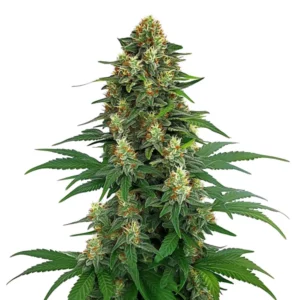
Blue Dream

|
THC | 17% - 24% (Medium) |

|
Type | Feminized |

|
Yield | High |

|
Phenotype | 50% Indica / 50% Sativa |
Tangie
|
|
THC | 19% - 22% (Medium) |
|
|
Type | Feminized |
|
|
Yield | High |
|
|
Phenotype | 30% Indica / 70% Sativa |
Real-life example: A grower using the Tangie strain from Blimburn Seeds noticed wilting leaves and tested brix levels, finding them low. By adjusting the soil pH and ensuring adequate light, the grower improved the plant’s health and increased brix levels effectively.
Identifying Causes of Low Brix Levels
Diagnosing low brix symptoms in cannabis requires a keen eye and some detective work. Start by observing your plants. Are the leaves yellowing or curling? These could be signs of nutrient deficiency, which directly affect brix levels.
Soil quality is another major factor. Poor soil conditions can limit nutrient uptake. A simple soil test can reveal deficiencies that might be the root cause of low brix levels. Adjusting soil pH to the optimal range for cannabis can often resolve these issues.
Besides to soil and nutrients, consider environmental stressors such as fluctuating temperatures or drastic changes in humidity. These conditions can strain your plants, leading to lower sugar production and thus lower brix levels. Consistent environmental control is key in troubleshooting cannabis low brix levels causes.
Another aspect to watch is pest and disease pressure. Infestations can sap the energy of your plants, reducing their ability to produce sugars. Regularly inspect your plants for signs of pests or disease, and take immediate action to mitigate these threats to improve brix readings in cannabis gardening.
Environmental Factors
Environmental conditions play a huge role in brix levels. Temperature, humidity, and light all influence how well your plants produce sugars. For instance, if your cannabis plants are not getting enough light, they won’t photosynthesize efficiently, leading to reduced brix levels.
Consider the Blue Dream strain from Blimburn Seeds, known for its resilience. Even this hardy strain can suffer if environmental conditions are off. Ensure your plants receive sufficient light and maintain a stable temperature and humidity level for optimal growth.
Managing environmental conditions can be challenging, especially in areas with unpredictable weather. Installing climate control systems, such as dehumidifiers or heaters, can help maintain consistent conditions, facilitating better sugar production and increasing brix levels in marijuana cultivation.
Light management is equally crucial. If natural sunlight is insufficient, supplement with LED grow lights to ensure your plants receive the necessary light intensity for optimal photosynthesis. Proper light management can significantly boost your plant’s health and brix levels.
Nutrient Management
Proper nutrient management is crucial for increasing brix levels in marijuana cultivation. Cannabis plants require a balanced diet of macro and micronutrients. Deficiencies or excesses can lead to low brix readings.
Using quality fertilizers can help maintain the right nutrient balance. However, over-fertilization can cause salt buildup in the soil, which hinders nutrient uptake and subsequently lowers brix levels. Regular flushing of the soil can prevent this issue.
Incorporating organic fertilizers can improve soil health and nutrient availability. Organic matter enhances microbial activity, which aids in nutrient breakdown and uptake, crucial for improving brix readings in cannabis gardening.
Regularly rotating your nutrient solutions can also prevent deficiencies. By providing a diverse nutrient profile, you ensure your plants receive all necessary elements for healthy growth, effectively troubleshooting low brix levels in cannabis plants.
Promos & Deals

Steps to Improve Brix Levels
Improving brix readings in cannabis gardening doesn’t have to be complex. Start by ensuring your cannabis plants receive adequate light. Consider using LED grow lights to supplement natural sunlight, especially in areas with less sun exposure.
Regularly test your soil. This helps you catch nutrient deficiencies early and allows for quick adjustments. Using organic matter like compost can enhance soil quality, promoting better nutrient uptake and higher brix levels.
Incorporating beneficial microbes into your soil can enhance nutrient availability and promote healthy root systems, leading to increased sugar production and higher brix levels. Products containing mycorrhizae or beneficial bacteria are excellent choices.
It’s also vital to maintain a balanced pH level in your soil, as extreme acidity or alkalinity can impede nutrient absorption. Regular testing and adjustments ensure your plants remain in optimal growing conditions, helping to fix low brix in cannabis plants.
Water Management
Water is vital for healthy cannabis plants, but too much or too little can affect brix levels. Overwatering can lead to root rot, while underwatering stresses the plant, both of which can lower brix levels.
Implementing a consistent watering schedule can help maintain the right moisture balance. Ensure your pots have proper drainage to prevent waterlogging. This practice supports healthy root development and improves overall plant health.
Consider using water-saving techniques such as drip irrigation, which delivers water directly to the root zone, reducing evaporation and ensuring efficient water use. This method helps maintain optimal moisture levels and supports stable brix readings.
Additionally, using rainwater or filtered water can prevent the introduction of chlorine and other harmful chemicals found in tap water, which might affect soil health and plant growth. Clean water sources are integral to troubleshooting low brix levels in cannabis plants.
Regular Monitoring and Adjustments
Regular monitoring is key in troubleshooting cannabis low brix levels causes. Use a refractometer to take regular brix readings and keep track of any changes. This data can help you identify patterns and make informed decisions.
Don’t hesitate to make adjustments as needed. Whether it’s tweaking nutrient mixes, modifying environmental conditions, or adjusting watering schedules, being flexible can lead to better outcomes.
Maintaining a detailed log of your plant’s progress, including brix levels, environmental conditions, and any changes made, can be invaluable. This record helps in diagnosing low brix symptoms in cannabis and allows for more precise interventions.
Engage with other growers or join cultivation forums to learn from shared experiences. Community insights can provide new troubleshooting techniques or solutions to common issues, enriching your knowing of how to fix low brix in cannabis plants.
FAQs about troubleshooting low brix levels in cannabis plants
What are brix levels, and why are they important for cannabis plants?
Brix levels measure the sugar content in plant sap. In cannabis plants, high brix levels often indicate better health and higher yields. These levels reflect the plant’s ability to photosynthesize and absorb nutrients, which are crucial for growth and development.
Growers use brix levels as a health indicator. Healthy plants with high brix levels are more resistant to pests and diseases. Regularly checking these levels can help spot potential issues early and ensure a successful harvest.
How can I test brix levels in my cannabis plants?
You can test brix levels using a refractometer, a simple tool that measures sugar content in plant sap. To get a reading, crush a small sample of plant material to extract the sap, then place it on the refractometer’s glass plate and look through the eyepiece.
Refractometers are easy to use and provide immediate results. Regular testing helps monitor plant health and guides necessary adjustments to optimize growth conditions.
What are common causes of low brix levels in cannabis?
Several factors can cause low brix levels in cannabis plants. Nutrient deficiencies, poor soil quality, and inadequate lighting are common culprits. Environmental stress, such as temperature fluctuations and improper watering, can also play a role.
Addressing these issues involves a systematic approach. Regular soil testing, ensuring proper lighting and nutrients, and maintaining consistent watering schedules can help improve brix levels in your cannabis garden.
Can specific cannabis strains affect brix levels?
Yes, some cannabis strains are naturally more resilient and may exhibit higher brix levels. Strains like Blue Dream, Tangie, and Girl Scout Cookies from Blimburn Seeds are known for their robustness and ability to maintain higher brix levels under optimal conditions.
While genetics play a role, environmental factors and care practices significantly influence brix levels. Providing the right conditions can help any strain achieve optimal brix readings.
How can I improve low brix levels in my cannabis plants?
Improving low brix levels involves addressing several key areas. Ensure adequate lighting, maintain soil quality, provide balanced nutrients, and establish consistent watering practices. These steps create an environment conducive to healthy plant growth.
Regular monitoring and adjustments are essential. Keep track of brix readings and plant health, and be prepared to make necessary changes. With patience and attention to detail, you can successfully increase brix levels in your cannabis plants.