Expert Guide: Difference Between Brix and Nutrient PPM in Cannabis

In the world of cannabis cultivation, knowing the difference between brix and nutrient ppm in cannabis can lead to healthier plants and better yields. Brix levels and nutrient ppm are critical factors for anyone from first-time growers to seasoned experts. Let’s delve into these concepts to help you optimize your cannabis farming practices.
Brix levels refer to the sugar content in the plant’s sap. Measuring this gives growers insights into the plant’s health and potential yield. On the other hand, nutrient ppm, or parts per million, indicates the concentration of nutrients in the water that feeds your cannabis plants. Both are vital, but they serve different roles in cannabis cultivation.
Recommended Strains
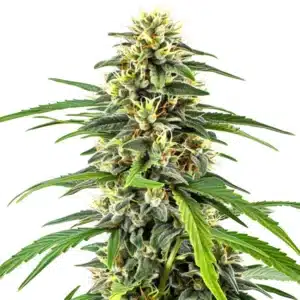
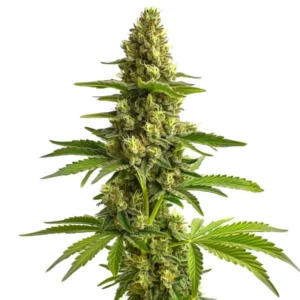
Amnesia Haze

|
THC | 18% - 22% (Medium) |

|
Type | Feminized |

|
Yield | High |

|
Phenotype | 30% Indica / 70% Sativa |
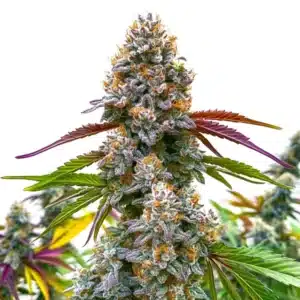
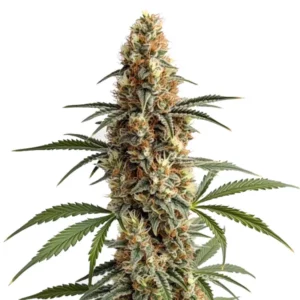
Critical Daddy Purple
|
|
THC | 19% (Medium) |
|
|
Type | Feminized |
|
|
Yield | High |
|
|
Phenotype | 50% Indica / 50% Sativa |
For those growing strains like GG4, Bruce Banner 3, or Critical Daddy Purple from Blimburn Seeds, knowing how brix and nutrient ppm interact can make all the difference. These strains thrive when their nutritional needs are met precisely, which is where knowing these metrics can help.
Brix Levels and Their Importance
Brix levels in cannabis plants point to the amount of dissolved sugars in the sap. A higher brix level typically indicates a healthier plant. This is because sugar production is a sign that the plant is photosynthesizing efficiently. Photosynthesis is the process by which plants use sunlight to synthesize foods from carbon dioxide and water.
Checking brix levels can reveal a lot about your plant’s overall vigor. For example, if you notice your plants aren’t growing as expected, a brix test can confirm if photosynthesis is occurring effectively. Higher brix levels often correlate with better taste, aroma, and resistance to pests, which is vital for strains like Amnesia Haze from Blimburn Seeds.
The difference between brix and nutrient ppm in cannabis becomes clearer when you consider their specific impacts. While brix levels focus on the internal sugar content, nutrient ppm assesses the external nutrient environment. This brix levels vs nutrient ppm cannabis comparison highlights the importance of both internal and external plant health.
Knowing brix and nutrient ppm in cannabis cultivation is crucial for optimizing plant growth. A comprehensive grasp of these measurements can help growers make informed decisions, ensuring that the plants are not only healthy but also reach their full potential in terms of yield and quality.
How to Measure Brix Levels
To measure brix levels, growers use a device called a refractometer. This tool measures the refraction of light passing through a liquid sample taken from the plant’s sap. The refraction indicates the sugar concentration, displayed as a percentage.
Measuring is straightforward. First, take a small sample of the plant’s sap, usually from the stem or leaves. Place a drop on the refractometer’s glass, and you’ll get an immediate reading. It’s essential to measure at the same time each day for consistency.
Consistent measurement of brix levels provides growers with a reliable gauge of plant health. By tracking these levels over time, you can identify trends and make necessary adjustments to your cultivation practices. This proactive approach to brix measurement and nutrient ppm cannabis growth ensures that your plants remain in optimal condition.
For growers using Blimburn Seeds, maintaining consistent brix readings is particularly beneficial. It allows for early detection of any issues that might arise, such as nutrient imbalances or environmental stressors, enabling timely interventions to safeguard plant health.
Promos & Deals


Nutrient PPM and Cannabis Health
Nutrient ppm is a measure of the concentration of nutrients in your water supply. Cannabis plants need a specific balance of nutrients to thrive, and ppm helps you keep track of this balance. Nutrient solutions that are too strong or too weak can negatively impact your plants.
Knowing nutrient ppm can be critical when growing nutrient-sensitive strains like GG4. Too high a concentration can lead to nutrient burn, while too low can cause deficiencies. Both situations will hinder plant growth and reduce yield quality.
By maintaining the right nutrient ppm, growers can ensure their plants receive the necessary nutrients without risking over- or under-fertilization. This balance is crucial for achieving high-quality yields and preventing common issues related to nutrient mismanagement.
In the context of how brix affects nutrient ppm in cannabis plants, it’s important to recognize that these two metrics are interrelated. High brix levels can improve nutrient uptake efficiency, which in turn can enhance overall plant health and productivity.
How to Measure Nutrient PPM
Measuring nutrient ppm involves using a TDS (Total Dissolved Solids) meter. This tool measures the electrical conductivity of your water, which correlates with the ppm of dissolved solids. Simply dip the meter into your nutrient solution, and it will display the ppm.
Regular monitoring of nutrient ppm is essential. For example, when cultivating Critical Daddy Purple from Blimburn Seeds, keeping the ppm within the recommended range ensures the plants receive adequate nutrients without excess.
Frequent checks of nutrient ppm allow growers to make timely adjustments to their nutrient solutions. This continuous monitoring helps in maintaining the delicate balance required for optimal plant health and growth.
Influence of brix on nutrient ppm in cannabis farming cannot be overstated. When brix levels are high, it often signifies that plants are efficiently utilizing available nutrients, ultimately leading to more robust growth and higher yields.
The Interplay Between Brix and Nutrient PPM
The difference between brix and nutrient ppm in cannabis lies in their influence on plant health. While brix measures sugar content, nutrient ppm measures nutritional concentration. Both are indicators of plant health but from different perspectives.
A higher brix level often indicates that the plant is efficiently utilizing the nutrients available at the measured ppm. If you find that your plants have low brix levels but high nutrient ppm, it might indicate an issue with nutrient uptake or photosynthesis efficiency.
The interplay between brix and nutrient ppm is crucial for achieving optimal cannabis growth. Knowing how these two metrics influence each other can help growers fine-tune their cultivation strategies, leading to healthier plants and improved yields.
For cultivators working with Blimburn Seeds strains, closely monitoring both brix and nutrient ppm can yield significant benefits. By ensuring these levels are in harmony, growers can maximize the potential of their cannabis plants, resulting in superior quality and higher yields.
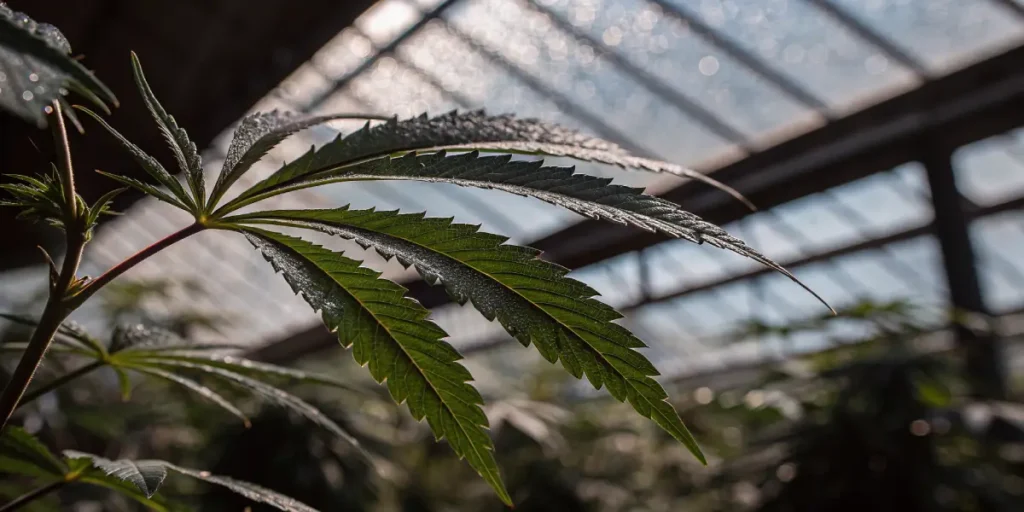
How Brix Affects Nutrient PPM
The relationship between brix and nutrient ppm is crucial. High brix levels can enhance nutrient uptake efficiency. This means your plants can make better use of the nutrients available, leading to healthier growth and higher yields.
For instance, when growing Amnesia Haze, an increase in brix levels can often lead to a proportionate improvement in nutrient uptake. This results in stronger, more robust plants that are less susceptible to pests and diseases.
In brix levels vs nutrient ppm cannabis comparison, high brix levels indicate that the plant’s photosynthesis and nutrient uptake processes are functioning optimally. This synergy is key to unlocking the full potential of your cannabis crops.
Knowing how brix affects nutrient ppm in cannabis plants can also aid in diagnosing potential issues. If brix levels are low despite adequate nutrient ppm, it may point to problems with nutrient absorption or environmental stress factors that need addressing.
FAQs about difference between brix and nutrient ppm in cannabis
What is the significance of brix levels in cannabis cultivation?
Brix levels are significant because they measure the sugar content of the plant’s sap, indicating the plant’s overall health. Higher brix levels suggest that the plant is photosynthesizing efficiently, which correlates with better taste, aroma, and pest resistance. For cannabis strains, such as those from Blimburn Seeds, maintaining high brix levels can lead to improved yield quality and plant vigor.
For a practical example, if you’re growing a strain like GG4, monitoring brix levels can give you early warning signs of any issues with photosynthesis. This allows you to make timely adjustments, ensuring your plants remain healthy and productive throughout the growing cycle.
In the context of the difference between brix and nutrient ppm in cannabis, brix levels offer insights into the plant’s internal health and vitality. By focusing on brix measurements, growers can better understand how effectively their plants are utilizing the nutrients provided.
For Blimburn Seeds cultivators, maintaining optimal brix levels can significantly enhance the overall quality of the harvest. This focus on internal plant health is a crucial aspect of successful cannabis cultivation.
How do I ensure my cannabis plants have the right nutrient ppm?
Ensuring the right nutrient ppm involves regular testing and adjustments based on your plants’ growth stage. Use a TDS meter to measure the nutrient concentration in your water. Compare the readings with recommended levels for your specific strain and growth stage. Adjustments can be made by adding more nutrients if ppm is low or diluting the solution if ppm is high.
For example, when growing Critical Daddy Purple, keeping a close eye on nutrient ppm can prevent nutrient burns or deficiencies, ensuring your plants receive the optimal nutrient balance for healthy growth.
Knowing brix and nutrient ppm in cannabis cultivation is essential for achieving balanced plant nutrition. By managing these factors effectively, growers can ensure their plants thrive and produce high-quality yields.
Incorporating regular nutrient ppm checks into your cultivation routine helps prevent common issues such as nutrient lockout and toxicity, which can negatively impact plant health and productivity.
Can brix levels indicate nutrient deficiencies?
Yes, brix levels can indicate potential nutrient deficiencies. If your plants have low brix levels despite having adequate nutrient ppm, it might suggest an issue with nutrient uptake. This could be due to several factors, including poor root health or inefficient photosynthesis.
For strains like Bruce Banner 3, consistent monitoring of both brix and nutrient ppm can help diagnose and address these issues early. By maintaining optimal brix levels, you ensure that your plants are making the most of the available nutrients.
In brix measurement and nutrient ppm cannabis growth, monitoring both metrics provides a comprehensive view of plant health. Low brix levels can serve as an early warning sign of underlying problems, allowing for timely intervention and correction.
This dual approach to monitoring helps growers identify and resolve potential issues before they impact the overall health and yield of their cannabis crops.
Is it necessary to measure both brix and nutrient ppm?
Measuring both brix and nutrient ppm is beneficial for a comprehensive view of plant health. While nutrient ppm provides insights into the nutrient availability, brix levels reveal how well the plant is utilizing those nutrients. Together, they offer a balanced perspective on your plants’ health and productivity.
For cannabis growers, particularly those cultivating high-value strains like Amnesia Haze, these measurements can guide nutrient management practices, leading to improved yields and plant quality.
The influence of brix on nutrient ppm in cannabis farming is significant, as the two are closely linked. By monitoring both metrics, growers can optimize their cultivation practices, ensuring that plants receive the right nutrients in the right amounts.
For those using Blimburn Seeds, this comprehensive monitoring approach can enhance the overall quality and yield of their crops, making it a vital aspect of successful cannabis farming.
How often should I measure brix and nutrient ppm?
It’s recommended to measure brix levels weekly to track changes in plant health over time. Consistency in measurement time is crucial for accurate comparisons. For nutrient ppm, more frequent checks, such as every few days, are advisable, especially after making any changes to your nutrient solution.
Regular monitoring allows for timely adjustments, ensuring your plants, such as those from Blimburn Seeds, receive the best possible care. This diligence helps maximize their growth potential and yield quality.
Consistent monitoring of brix and nutrient ppm is crucial for maintaining optimal plant health. By regularly tracking these metrics, growers can make informed decisions and adjustments that keep their plants thriving.
Knowing how brix affects nutrient ppm in cannabis plants is a key component of effective cultivation. By integrating regular measurements into your routine, you can ensure that your plants remain healthy and productive throughout the growing cycle.