Expert Guide: Common Mistakes When Using a Refractometer in Cannabis

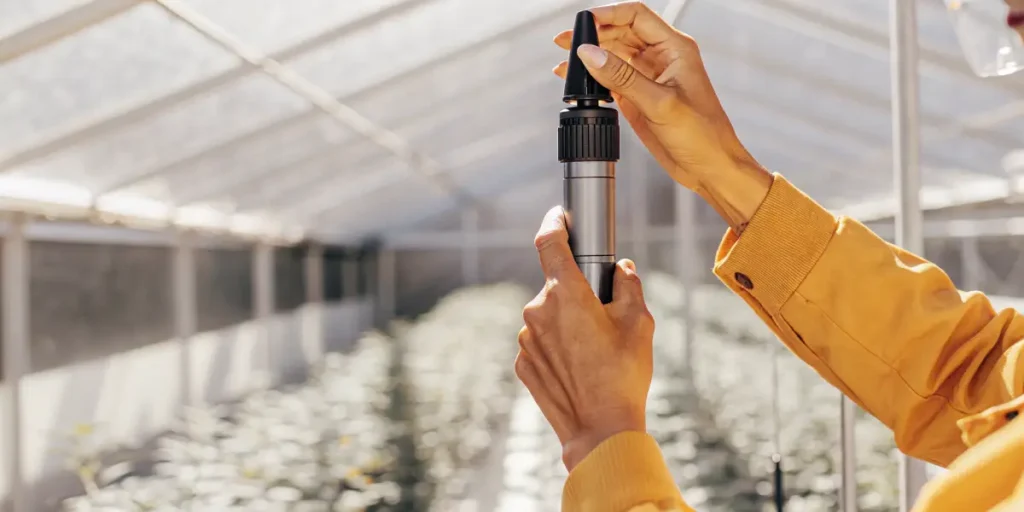
In the world of cannabis cultivation, precision is key, and a refractometer is a vital tool for measuring the sugar content in plant sap. However, like any tool, it’s easy to make mistakes. Common mistakes when using a refractometer in cannabis can lead to inaccurate readings, affecting plant health and yield.
For both novice and seasoned growers, avoiding these pitfalls can make a significant difference. Whether you’re growing Blimburn Seeds GG4 or Blue Dream, knowing how to properly use a refractometer is essential. Let’s dive into the 10 common mistakes and how to avoid them.
Recommended Strains
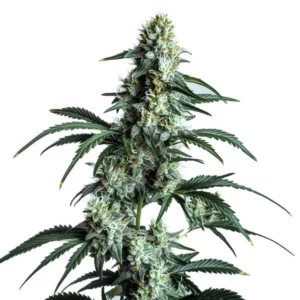
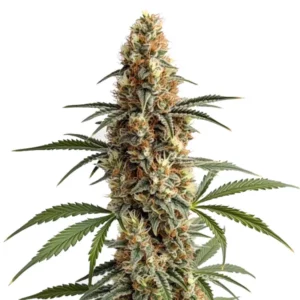
Sour Diesel

|
THC | 22% - 25% (Medium) |

|
Type | Feminized |

|
Yield | High |

|
Phenotype | 30% Indica / 70% Sativa |

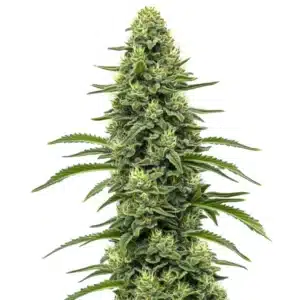
GG4
|
|
THC | 27% (High) |
|
|
Type | Feminized |
|
|
Yield | High |
|
|
Phenotype | 40% Indica / 60% Sativa |
Avoiding these errors not only saves time but also ensures your plants get the nutrients they need. With the right approach, your cannabis cultivation can thrive. Let’s explore these common refractometer usage errors in the cannabis industry.
Incorrect Refractometer Calibration for Cannabis
Calibration is crucial for accuracy. One of the most common mistakes when using a refractometer in cannabis is skipping this step. A refractometer must be calibrated before each use to ensure precise readings.
Use distilled water for calibration. Place a few drops on the prism and adjust the calibration screw until the scale reads zero. This simple step can prevent errors in reading cannabis refractometer results.
Ignoring the importance of regular calibration can lead to a cascade of issues in your cultivation process. Even slight deviations can result in misinterpretations of your plants’ health, leading to poor nutrient decisions. It’s a small but significant aspect of refractometer maintenance that can have a large impact.
Additionally, remember that refractometers can be sensitive to environmental changes. If your cultivation setup experiences frequent shifts in temperature or humidity, it’s wise to calibrate more frequently. This ensures that your readings remain as accurate as possible, avoiding common refractometer usage errors in the cannabis industry.
Promos & Deals
Misunderstanding Refractometer Scales in Cannabis Measurements
The scale on a refractometer measures Brix, representing sugar content. Misreading this scale is a frequent issue. Higher Brix values generally indicate healthier plants. However, interpreting these numbers incorrectly can lead to misguided cultivation decisions.
For instance, if you’re growing Sour Diesel from Blimburn Seeds, knowing these values can help you optimize feeding schedules. A Brix reading of 12 or more is often a sign of robust plant health.
Misunderstanding refractometer scales in cannabis measurements can cause unnecessary alarm or complacency among growers. It’s important to familiarize yourself with what each increment on the scale signifies for your specific strains and cultivation goals. This knowing helps maintain a consistent approach to nutrient management.
Moreover, it’s beneficial to keep a log of your Brix readings over time. This practice not only helps in tracking your plants’ progress but also aids in identifying patterns or anomalies. By doing so, you can make informed decisions and avoid the common mistakes when using a refractometer in cannabis cultivation.
Refractometer Temperature Compensation Mistakes in Cannabis
Temperature affects refractometer readings. Many growers overlook this, leading to inaccurate data. Most modern refractometers have Automatic Temperature Compensation (ATC), but this feature can be misunderstood.
Ensure your refractometer has ATC and is functioning correctly. If your device lacks this feature, make manual adjustments based on the ambient temperature. This helps maintain accuracy, even when conditions fluctuate.
Knowing refractometer temperature compensation mistakes in cannabis is essential for maintaining the integrity of your readings. Even a few degrees of temperature change can alter the refractive index of your samples, leading to skewed results. This can be especially problematic in outdoor growing environments where temperature fluctuations are common.
To further enhance accuracy, consider taking readings at a consistent time of day when environmental conditions are stable. This practice minimizes the impact of temperature variations and ensures that your data reflects true plant health. Investing time in knowing your refractometer’s temperature compensation features can significantly improve your cultivation outcomes.
Errors in Reading Cannabis Refractometer Results
Reading errors are another common issue. Often, growers rush through the process, leading to misinterpretation. It’s crucial to take your time when viewing the scale through the eyepiece.
Ensure you’re in a well-lit area and that the refractometer is clean and dry. Residue or moisture can skew results, leading to faulty assessments of your cannabis plants’ health.
Errors in reading cannabis refractometer results can stem from various factors, including poor lighting or improper viewing angles. To mitigate these issues, always ensure your workspace is well-lit and that you are viewing the scale directly. This attention to detail helps prevent misinterpretations that could affect your cultivation strategy.
Additionally, consider the quality and cleanliness of your sample. Contaminants or impurities in the plant sap can alter the reading, leading to inaccurate assessments. Regularly clean your refractometer and use fresh samples to maintain the reliability of your results, ensuring your cannabis plants receive the care they deserve.
Common Refractometer Usage Errors in the Cannabis Industry
Using the wrong type of refractometer is a common mistake. There are various models, and selecting one suited for cannabis is critical. Those designed for other industries may not provide the precision required for plant sap measurements.
Additionally, failing to store the refractometer properly can cause damage. Store it in a protective case away from extreme temperatures and moisture. This prolongs the life of your device and maintains its accuracy.
Common refractometer usage errors in the cannabis industry often arise from a lack of knowing of the specific needs of cannabis plants. Selecting a refractometer that accurately measures plant sap requires careful consideration of the device’s specifications and intended use. Investing in the right equipment can prevent future frustrations and inaccuracies.
Furthermore, the longevity and efficacy of your refractometer depend on proper maintenance and storage. Always clean your device after use and store it in a stable environment. These practices not only extend the life of your refractometer but also ensure ongoing precision in your cultivation efforts, empowering you to make data-driven decisions.
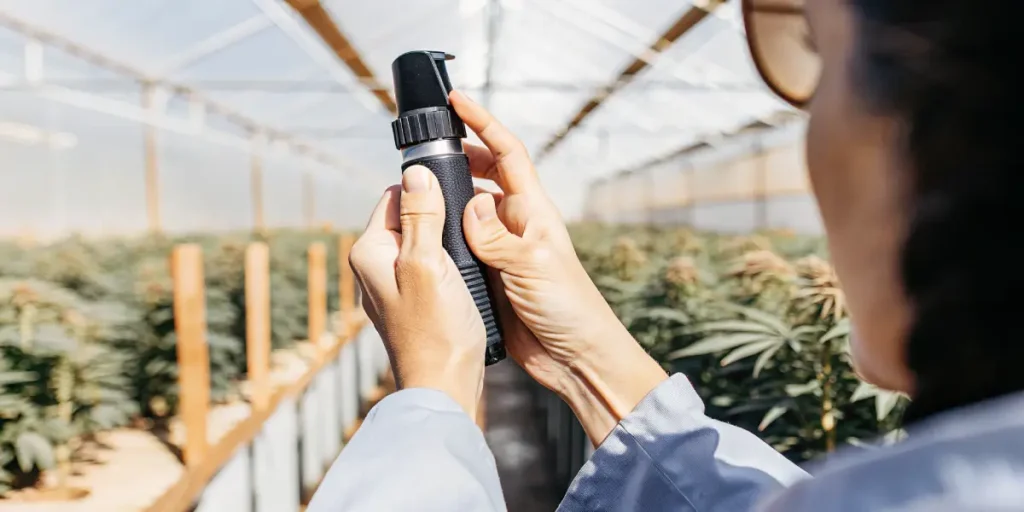
FAQs about common mistakes when using a refractometer in cannabis
Why is my refractometer giving inconsistent readings?
Inconsistent readings often result from improper calibration or a dirty prism. Ensure your refractometer is clean and calibrated before each use. Regular maintenance is key to obtaining reliable data.
Additionally, check for temperature fluctuations. Even with Automatic Temperature Compensation, extreme changes can affect readings. Stabilize the environment or adjust your device accordingly.
Another factor contributing to inconsistent readings can be the quality of the sample used. Ensure that the plant sap is fresh and free from contaminants, as impurities can lead to misleading results. Consistent sampling techniques can help maintain reliability across your data points.
Lastly, consider the possibility of wear and tear on your refractometer. Over time, components may degrade, affecting performance. Regularly inspect your device for signs of damage, and replace it if necessary to continue obtaining accurate readings in your cannabis cultivation efforts.
How often should I calibrate my refractometer?
Calibration should be done before every use. This ensures accuracy and reliability in your readings. Using distilled water, adjust the calibration screw until the scale reads zero for best results.
Regular calibration is especially important if you frequently use the refractometer in varying environments. Consistent calibration helps avoid common mistakes when using a refractometer in cannabis cultivation.
Besides to routine calibration, it’s beneficial to keep a log of your calibration activities. Documenting when and how you calibrate can help identify patterns or issues that may arise over time. This practice provides a record of maintenance that can be invaluable in troubleshooting problems.
Furthermore, if you notice a consistent drift in readings despite regular calibration, it may be indicative of a deeper issue with the refractometer. Consider consulting the manufacturer’s guidelines or reaching out to technical support for assistance in resolving persistent calibration challenges.
Can I use any refractometer for cannabis cultivation?
Not all refractometers are suitable for cannabis. Choose one designed for plant sap measurements. Models for other purposes may not provide the necessary precision, leading to errors.
Investing in the right tool can save time and improve accuracy. This ensures your cannabis plants, like those from Blimburn Seeds, receive the proper care and nutrients.
When selecting a refractometer, consider factors such as the range and resolution of the device. These specifications influence how well the refractometer can accommodate the specific needs of cannabis cultivation. Doing thorough research before purchasing can prevent common refractometer usage errors in the cannabis industry.
Additionally, seek recommendations from other cultivators or industry experts. Peer reviews and firsthand experiences can provide valuable insights into the effectiveness of different refractometer models and help you make an informed decision that aligns with your cultivation goals.
What is the ideal Brix reading for cannabis plants?
Brix readings vary by strain and growth stage. Generally, a reading of 12 or higher indicates healthy plants. However, consult specific guidelines for the strains you’re cultivating, such as GG4 or Blue Dream.
Higher Brix levels often mean better nutrient uptake and plant vigor. Keep track of readings to optimize your cultivation practices and achieve the best results.
Maintaining a consistent Brix level is crucial for maximizing the potential of your cannabis plants. By regularly monitoring these readings, you can adjust your cultivation practices to better support plant health and growth. This proactive approach helps in avoiding common mistakes when using a refractometer in cannabis.
It’s also important to understand that Brix readings alone do not tell the entire story. They should be used in conjunction with other indicators of plant health, such as leaf color and growth patterns. This comprehensive view allows for more nuanced cultivation strategies, leading to improved outcomes.
How does temperature affect refractometer readings?
Temperature can influence the refraction of light, affecting readings. Most modern refractometers include Automatic Temperature Compensation to adjust for this.
Without ATC, manual adjustments are necessary. Always consider the temperature when taking readings, especially in environments with fluctuating conditions.
Knowing the impact of temperature on refractometer readings is vital for maintaining data accuracy. Even with ATC, rapid temperature changes can introduce variability in results. Patience and consistency in measurement conditions help mitigate these effects.
Incorporating temperature control measures, such as using a stable environment for readings, can further enhance data reliability. By acknowledging and addressing refractometer temperature compensation mistakes in cannabis, you can ensure that your readings accurately reflect your plants’ condition, leading to more informed cultivation decisions.