Essential Symptoms of Chlorosis in Marijuana Plants: Expert Guide

Chlorosis is a common issue many cannabis cultivators face, whether you’re a novice or a seasoned grower. It’s crucial to identify the symptoms of chlorosis in marijuana plants early on to prevent further damage. Chlorosis primarily manifests as yellowing leaves in cannabis plants, and it can affect the overall health and yield of your crop. Recognizing these signs promptly can make all the difference in maintaining a healthy grow.
This condition arises when the plant lacks chlorophyll, the green pigment responsible for photosynthesis. Without enough chlorophyll, plants cannot convert sunlight into energy efficiently. This deficiency leads to identifying chlorosis in marijuana through distinct visual cues. While the issue might seem daunting, knowing its symptoms is the first step towards solving it.
Recommended Strains
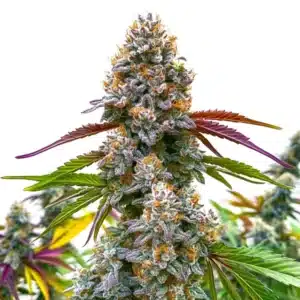
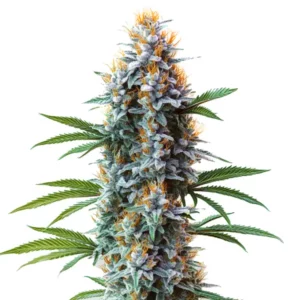
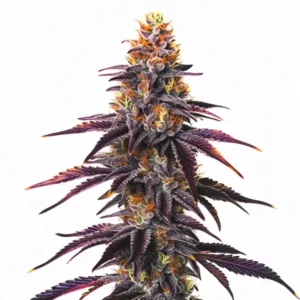
Critical Daddy Purple

|
THC | 19% (Medium) |

|
Type | Feminized |

|
Yield | High |

|
Phenotype | 50% Indica / 50% Sativa |
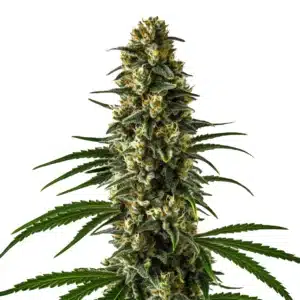
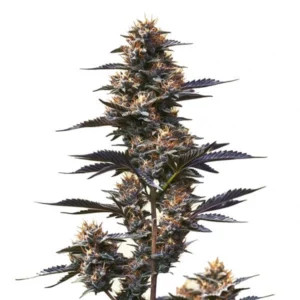
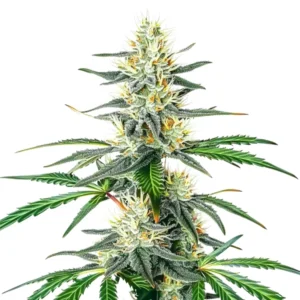
Girl Scout Cookies
|
|
THC | 18% - 25% (Medium) |
|
|
Type | Feminized |
|
|
Yield | High |
|
|
Phenotype | 60% Indica / 40% Sativa |
Let’s delve into the specific symptoms of chlorosis in marijuana plants and learn how to address them. By maintaining a keen eye on your plants, you can ensure a robust harvest. Whether you’re growing Blimburn Seeds Girl Scout Cookies or another strain, keeping your plants healthy is paramount.
Recognizing Yellowing Leaves in Cannabis Plants
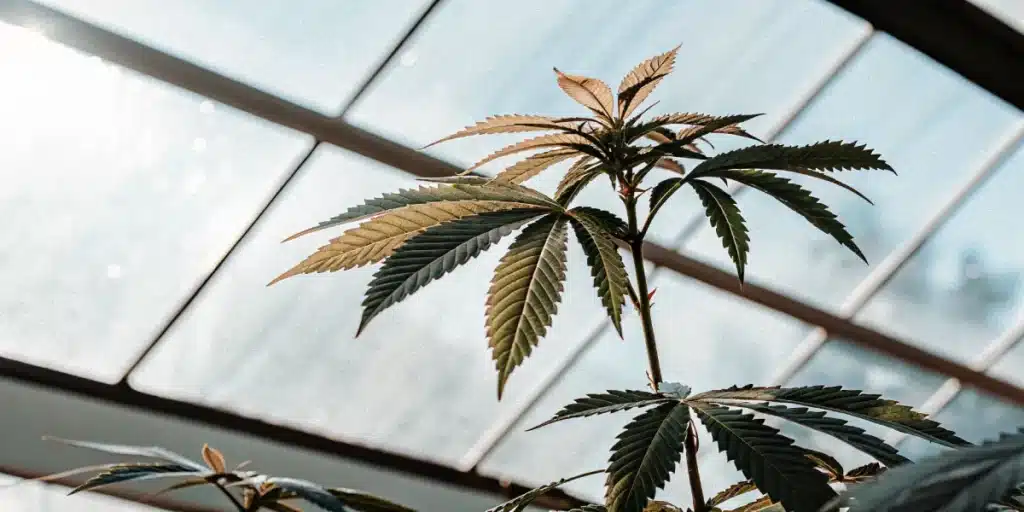
Yellowing leaves in cannabis plants are a tell-tale sign of chlorosis. This yellowing starts at the tips and edges of the leaves and progresses inward. If left unchecked, it can cover the entire leaf, affecting the plant’s ability to photosynthesize. It’s crucial to act quickly once you notice these symptoms to prevent further damage.
Another key aspect of diagnosing chlorosis in weed plants is observing the speed and pattern of yellowing. Rapid yellowing might indicate a severe nutrient deficiency, while slow progression could suggest other underlying issues. For instance, if you’re cultivating Blimburn Seeds Blue Dream, keep an eye out for any unusual color changes, as this strain is known for its vibrant green leaves.
Besides to monitoring the yellowing progression, pay attention to other signs that may accompany chlorosis. For instance, leaves might curl or become brittle, further indicating stress. Such symptoms of chlorosis in marijuana plants often hint at deeper issues, possibly linked to the plant’s growing environment. Knowing the full range of symptoms helps in accurately diagnosing chlorosis in weed plants and taking appropriate action.
Also, consider the age of the leaves affected by chlorosis. Older leaves are typically the first to show signs of yellowing, as nutrients are redirected to newer growth in a stressed plant. This pattern of yellowing leaves in cannabis plants can help growers pinpoint the causes of leaf chlorosis in cannabis more effectively, allowing for timely intervention and correction of the underlying problems.
Promos & Deals
Common Causes of Leaf Chlorosis in Cannabis
Nutrient deficiencies are among the primary causes of leaf chlorosis in cannabis. A lack of essential nutrients like nitrogen, iron, or magnesium can impede chlorophyll production, leading to yellowing leaves. Ensuring your plants receive a balanced diet is vital for preventing these deficiencies.
Environmental factors can also play a significant role. Poor soil quality, improper pH levels, and inadequate watering practices can all contribute to chlorosis. It’s essential to maintain optimal growing conditions to keep your cannabis plants healthy. For those growing Blimburn Seeds OG Kush, paying attention to these factors can help prevent chlorosis from taking hold.
Furthermore, pest infestations can exacerbate symptoms of chlorosis in marijuana plants. Insects such as spider mites or aphids can damage leaves and disrupt nutrient absorption, leading to yellowing leaves in cannabis plants. Regular inspection and integrated pest management strategies are essential to mitigate these risks and maintain plant health.
Another potential cause of chlorosis can be root damage, often resulting from overwatering or compacted soil. This can limit the roots’ ability to take up water and nutrients, causing stress and subsequent chlorosis. Diagnosing chlorosis in weed plants involves examining all these factors to develop a comprehensive treatment plan to restore plant vitality.
Diagnosing Chlorosis Symptoms in Cannabis Cultivation
Diagnosing chlorosis symptoms in cannabis cultivation involves more than just observing yellowing leaves. It’s important to examine the entire plant and its environment. Check the roots for signs of rot or damage, as these can affect nutrient uptake. Additionally, inspect your watering system to ensure it’s functioning correctly.
Consider performing a soil test if you’re unsure of the nutrient levels in your growing medium. This can help pinpoint deficiencies and guide you in adjusting your fertilization practices. Remember, a healthy root system is crucial for nutrient absorption, so address any issues promptly.
Additionally, using technology can aid in diagnosing chlorosis in weed plants. Tools such as digital pH meters and soil moisture sensors can provide precise data on the growing environment. These insights are invaluable for diagnosing potential causes of leaf chlorosis in cannabis, allowing growers to make informed decisions to correct imbalances.
Furthermore, keeping a detailed log of your cultivation practices, including watering schedules, nutrient feeds, and environmental conditions, can help identify patterns or changes that coincide with chlorosis symptoms. This practice not only aids in current diagnosis but also serves as a valuable reference for preventing future occurrences of chlorosis symptoms in cannabis cultivation.
Treatment and Prevention Strategies
Once you’ve identified the symptoms of chlorosis in marijuana plants, it’s time to take corrective action. Start by addressing any nutrient deficiencies. Providing a balanced fertilizer that includes nitrogen, iron, and magnesium can help restore your plant’s health.
Adjusting your watering practices is another effective strategy. Ensure your plants are receiving the right amount of water, as overwatering or underwatering can lead to nutrient deficiencies. For strains like Blimburn Seeds Critical Daddy Purple, consistent watering practices are essential for preventing chlorosis.
Preventive measures should also include regular soil testing to ensure nutrient levels remain balanced. By proactively managing soil health, growers can prevent the onset of chlorosis symptoms in marijuana plants. Additionally, rotating crops and using companion planting techniques can enhance soil fertility and reduce the risk of nutrient deficiencies.
Moreover, maintaining optimal environmental conditions is crucial for prevention. This includes ensuring adequate lighting, as plants need sufficient light for photosynthesis and chlorophyll production. Regularly inspecting your cultivation setup and making necessary adjustments can go a long way in keeping your plants vibrant and free from yellowing leaves in cannabis plants.
FAQs about symptoms of chlorosis in marijuana plants
What are the most common symptoms of chlorosis in marijuana plants?
The most common symptoms of chlorosis in marijuana plants include yellowing leaves starting from the tips and moving inward. The leaves may also appear pale and lack vibrancy. This yellowing is often accompanied by stunted growth and reduced vigor, indicating the plant’s struggle to photosynthesize effectively.
It’s crucial to act quickly when these symptoms appear, as they signify a deficiency in chlorophyll. Addressing the underlying causes, such as nutrient deficiencies and environmental factors, can help restore your plant’s health and prevent further damage.
Besides to these visible signs, growers should be aware of any changes in leaf texture or flexibility. Leaves affected by chlorosis may become brittle or develop a papery feel, indicating stress. Recognizing these subtle changes is key to identifying chlorosis in marijuana plants early in the problem’s development.
Moreover, these symptoms may vary slightly depending on the strain. For example, certain strains may display more pronounced yellowing or different leaf patterns. Knowing the typical appearance of your specific strain, such as Blimburn Seeds’ varieties, can aid in quicker identification and response to chlorosis.
How can I prevent yellowing leaves in cannabis plants?
Preventing yellowing leaves in cannabis plants involves maintaining optimal growing conditions. Ensure your plants receive a balanced diet of nutrients, including nitrogen, iron, and magnesium. Regularly test and adjust the pH levels of your soil or hydroponic solution to prevent nutrient lockout.
Additionally, practice consistent watering habits to avoid overwatering or underwatering your plants. By maintaining a healthy environment and monitoring your plants regularly, you can prevent yellowing leaves and promote robust growth.
Regularly rotating nutrient solutions and using high-quality water sources can also help prevent the build-up of salts and other compounds that can lead to chlorosis. This practice supports the prevention of symptoms of chlorosis in marijuana plants by ensuring consistent nutrient availability.
Furthermore, engaging in routine checks for pest infestations and applying appropriate control measures can protect your plants from pests that contribute to chlorosis. By being proactive, you can ensure your cannabis plants maintain their health and vitality throughout their growth cycles.
Why is chlorophyll important in cannabis cultivation?
Chlorophyll is essential in cannabis cultivation because it plays a critical role in photosynthesis. This process allows plants to convert sunlight into energy, which is necessary for growth and development. Without sufficient chlorophyll, plants cannot produce the energy needed to thrive.
Chlorosis, or the lack of chlorophyll, can significantly impact your cannabis plants’ health and yield. Ensuring your plants receive adequate nutrients and maintaining optimal growing conditions will support chlorophyll production and promote healthy growth.
Moreover, chlorophyll is integral to the plant’s ability to produce sugars, which are vital for energy storage and use. A deficiency in chlorophyll affects not only photosynthesis but also the overall metabolic functions of the plant. Recognizing this connection underscores the importance of addressing chlorosis symptoms in cannabis cultivation promptly.
Besides, chlorophyll contributes to the vibrant green coloration of plants, which is an indicator of their health. This color not only signifies efficient photosynthesis but also represents the plant’s overall vitality. Maintaining chlorophyll levels is crucial for achieving both aesthetic and functional success in cannabis cultivation.
Can environmental factors cause chlorosis in weed plants?
Yes, environmental factors can significantly contribute to chlorosis in weed plants. Poor soil quality, improper pH levels, and inadequate watering practices can all lead to nutrient deficiencies and chlorosis. Ensuring your plants have the right environment is crucial for preventing these issues.
Regularly check your soil and water pH levels, and adjust as needed. Providing a stable and healthy environment for your cannabis plants will support their growth and help prevent chlorosis.
Temperature fluctuations and inadequate light exposure are additional environmental factors that can exacerbate chlorosis symptoms. Maintaining consistent temperature ranges and ensuring sufficient light exposure are vital to preventing stress that leads to yellowing leaves in cannabis plants.
Moreover, air quality and ventilation play a role in plant health. Good airflow prevents the build-up of humidity and potential mold issues, supporting the overall well-being of the plants. By addressing these environmental factors, growers can create an optimal setting that diminishes the likelihood of chlorosis.
Is chlorosis reversible in cannabis plants?
Chlorosis is often reversible if caught early and treated promptly. By addressing the underlying causes, such as nutrient deficiencies or environmental imbalances, you can restore your cannabis plants’ health. Providing a balanced diet of nutrients and maintaining optimal growing conditions are key to reversing chlorosis.
However, if chlorosis is left unchecked for too long, it can cause permanent damage to your plants. Regular monitoring and maintenance can help catch issues early and increase the likelihood of successful treatment.
Timely intervention is crucial when dealing with chlorosis symptoms in cannabis cultivation. The sooner the symptoms are identified, the higher the chances of recovery. Utilizing targeted treatments, such as foliar sprays with essential nutrients, can provide immediate relief and start the reversal process.
In cases where chlorosis has progressed, pruning affected leaves may be necessary to redirect energy to healthier parts of the plant. This practice, combined with improved growing conditions, can facilitate recovery and help ensure future growth remains unaffected by previous setbacks.