Essential Guide: Proven Trace Elements and Cannabis Plant Health

Healthy cannabis plants rely on more than just water, sunlight, and the basic nutrients. Trace elements, often overlooked, play a crucial role in the robust growth and health of cannabis plants. These trace elements, or micronutrients, are needed in tiny amounts but have a significant impact on the plant’s overall health. For instance, copper, zinc, and manganese are essential for various physiological functions in cannabis.
Let’s talk about copper. It’s vital for photosynthesis and respiration. Without enough copper, cannabis plants might show stunted growth and deformed leaves. Zinc, on the other hand, is crucial for enzyme function and plant metabolism. A lack of zinc can lead to poor leaf development and reduced yield. Manganese is needed for nitrogen assimilation and photosynthesis. Deficiency can cause interveinal chlorosis, where leaves turn yellow while veins remain green.
Recommended Strains

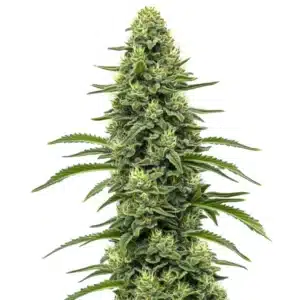
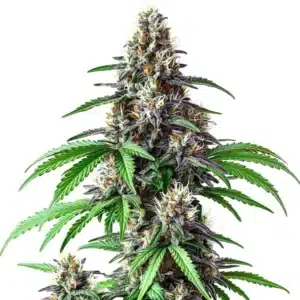
GG4

|
THC | 27% (High) |

|
Type | Feminized |

|
Yield | High |

|
Phenotype | 40% Indica / 60% Sativa |

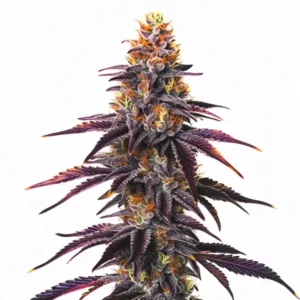
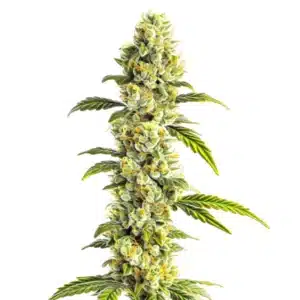
Blue Dream
|
|
THC | 17% - 24% (Medium) |
|
|
Type | Feminized |
|
|
Yield | High |
|
|
Phenotype | 50% Indica / 50% Sativa |
For growers, knowing the trace elements impact on cannabis growth is essential for achieving high-quality yields. By ensuring that plants receive the right amount of these micronutrients, you can prevent deficiency and promote healthy development. Blimburn Seeds offers strains like Blue Dream, known for its resilience and nutrient uptake efficiency, making it a great choice for those looking to optimize plant health through proper micronutrient management.
The Importance of Trace Elements in Cannabis Cultivation
Trace elements are vital to the metabolic processes of cannabis plants. They assist in enzyme activation, hormone regulation, and stress resistance. Without these elements, plants can suffer from poor growth and low yield. For instance, iron is crucial for chlorophyll synthesis. Without enough iron, plants can develop yellow leaves due to chlorosis, affecting photosynthesis.
Calcium and magnesium are also important. Calcium helps build cell walls, while magnesium is a core component of chlorophyll. Deficiencies in these elements can lead to weak stems and poor bud development. Knowing the role of micronutrients in cannabis cultivation helps growers like you make informed decisions about nutrient management. Strains such as GG4 from Blimburn Seeds are known for their robust growth and can benefit from balanced trace element supplementation.
Another critical aspect of trace elements and cannabis plant health is their role in plant defense mechanisms. Micronutrients like silicon can enhance a plant’s resistance to pests and diseases, acting as a physical barrier and boosting the plant’s immune system. This reduces the reliance on chemical pesticides, leading to a more natural and sustainable cultivation process.
Furthermore, the availability of trace elements in the soil can influence the aromatic and flavor profiles of cannabis. Terpenes, the compounds responsible for the distinctive smell and taste of cannabis, can be affected by the presence of micronutrients. Ensuring a balanced nutrient profile not only supports healthy growth but also enhances the quality and potency of the final product.
Promos & Deals


Identifying Trace Nutrient Deficiency in Cannabis Plants
Recognizing trace nutrient deficiency in cannabis plants early can save your crop. Symptoms often appear first on older leaves. For example, a calcium deficiency might show as brown spots on leaves, while magnesium deficiency might cause leaf curling and yellowing. It’s essential to monitor your plants regularly for these signs.
Using a soil test kit can help identify which nutrients are lacking. Once you know what’s missing, you can adjust your feeding schedule accordingly. Adding a balanced nutrient solution can correct deficiencies and promote healthy growth. Remember, over-fertilization can be just as harmful as under-fertilization, so balance is key.
Deficiencies in essential trace elements for cannabis yield can also lead to more subtle symptoms, such as delayed flowering and reduced potency. By knowing the specific needs of your cannabis strains, you can tailor your nutrient regimen to address these issues before they significantly impact your harvest.
Besides to visual inspections, growers can use technology to monitor plant health. Tools like leaf analysis meters and digital soil sensors provide real-time data on nutrient levels, allowing for precise adjustments. This proactive approach to managing trace nutrient deficiency in cannabis plants ensures that they remain in peak condition throughout the growth cycle.

Practical Tips for Managing Trace Elements in Cannabis Cultivation
Managing trace elements in cannabis cultivation doesn’t have to be complicated. Start with a quality soil mix that includes organic matter. This provides a good base of nutrients, including trace elements. Consider supplementing with a well-balanced nutrient solution designed for cannabis.
Regularly check the pH level of your soil or growing medium. Most trace elements are best absorbed at a pH between 6.0 and 7.0. If the pH is too high or too low, it can lock out certain nutrients, leading to deficiencies. Adjust the pH as needed to ensure your plants are getting what they need.
Additionally, rotating crops and incorporating cover crops can improve soil health and nutrient availability. This practice supports the long-term sustainability of your growing environment, ensuring a steady supply of cannabis plant health trace minerals from one season to the next.
For those growing indoors, using hydroponic systems can offer precise control over nutrient delivery. These systems allow you to tailor the nutrient mix to the specific needs of your plants, ensuring optimal absorption of trace elements and maximizing cannabis plant health and yield.
- Use a quality soil mix with organic matter for a good nutrient base.
- Supplement with a balanced nutrient solution designed for cannabis.
- Regularly check and adjust the pH of your growing medium.
- Monitor the environment to ensure optimal nutrient uptake.
- Consider strains like Blue Dream and GG4 for resilient growth.
FAQs
What are the most important trace elements for cannabis growth?
Several trace elements are crucial for cannabis growth, including iron, manganese, zinc, copper, and boron. Each of these plays a distinct role in plant health. Iron is essential for chlorophyll production, which is vital for photosynthesis. Manganese is involved in nitrogen assimilation and enzyme activation.
Zinc contributes to protein synthesis and growth regulation, while copper is important for reproductive growth and disease resistance. Boron helps with cell wall formation and pollen production. Together, these trace elements ensure robust growth and high yields in cannabis plants.
The synergy among these essential trace elements for cannabis yield is significant. For example, the presence of boron enhances the efficiency of calcium, contributing to stronger cell walls and better nutrient transport within the plant. Such interactions underscore the importance of a holistic approach to nutrient management.
Moreover, emerging research highlights the potential role of lesser-known elements like cobalt and molybdenum in cannabis cultivation. These trace minerals, although required in minute quantities, can influence enzymatic functions and nitrogen metabolism, further demonstrating the complexity of plant nutrition.
How can I tell if my cannabis plants lack trace elements?
Signs of trace element deficiencies often appear as changes in leaf color and shape. Yellowing leaves, interveinal chlorosis, and leaf curling are common indicators. For example, a lack of magnesium causes leaves to yellow between the veins, while a deficiency in zinc can lead to stunted leaf growth.
Regular monitoring and soil testing can help identify deficiencies early. Correcting these with targeted nutrient solutions can restore plant health. It’s important to diagnose the specific deficiency accurately to avoid overcompensating, which can cause other issues.
A systematic approach to diagnosing trace nutrient deficiency in cannabis plants involves both visual assessment and quantitative analysis. By combining these methods, growers can pinpoint deficiencies more accurately and implement corrective measures more efficiently.
Incorporating a routine of preventative care, such as bi-weekly foliar sprays with micronutrient solutions, can help maintain optimal levels of trace elements, reducing the likelihood of deficiencies and supporting overall cannabis plant health.
Can over-fertilization harm cannabis plants?
Yes, over-fertilization can be detrimental to cannabis plants. It can lead to nutrient burn, where the tips of the leaves turn brown and curl. This often happens when there’s an excess of nitrogen or other nutrients in the soil. Over-fertilization can also cause nutrient lockout, where plants cannot absorb the nutrients they need.
To avoid over-fertilization, follow the feeding guidelines provided with your nutrient solution and adjust based on plant response. It’s better to start with less and gradually increase as needed. Keep an eye on your plants’ health and growth patterns to guide your nutrient management strategy.
Another consequence of excessive fertilization is the alteration of soil microbial balance. High nutrient levels can disrupt beneficial microbial communities, which play a crucial role in nutrient cycling and plant health. Maintaining this balance is essential for sustainable cultivation practices.
Implementing a strategy of “less is more” can lead to healthier plants and improved yields. By focusing on the precise needs of your cannabis plants and adjusting nutrient inputs accordingly, you can minimize the risks associated with over-fertilization and optimize trace elements and cannabis plant health.
Is it necessary to use supplements for trace elements?
While a well-balanced soil mix can provide many of the trace elements cannabis plants need, supplements can be beneficial, especially if you notice signs of deficiency. Supplements can help ensure that plants receive all the necessary nutrients for optimal growth and yield.
Choosing a quality supplement designed specifically for cannabis can make a big difference. These are formulated to provide the right balance of nutrients, supporting robust plant health. Always follow the product instructions and adjust based on your plants’ needs.
Supplements can also play a role in enhancing stress tolerance in plants. During periods of environmental stress, such as heat waves or pest attacks, the demand for certain micronutrients may increase, and supplements can bridge this gap to maintain cannabis plant health.
Ultimately, the decision to use supplements should be guided by plant performance and environmental conditions. By observing your plants and making data-driven decisions, you can effectively utilize supplements to enhance the trace elements impact on cannabis growth.
What cannabis strains are best for beginners concerned about trace elements?
For beginners, choosing strains known for their resilience and ease of growth can reduce the stress of nutrient management. Blimburn Seeds offers several such strains. Blue Dream is a popular choice due to its forgiving nature and robust growth characteristics.
GG is another excellent option, known for its adaptability and high yield. Critical Daddy Purple is also a great choice, offering a balance of ease of growth and potent effects. These strains can give beginners a positive start while learning about trace elements and cannabis plant health.
These strains are not only resilient but also demonstrate efficient nutrient uptake, making them ideal candidates for growers looking to understand the role of micronutrients in cannabis cultivation. Their adaptability to varying nutrient levels offers a forgiving learning curve.
Moreover, strains like Blue Dream and GG4 have been bred to thrive in diverse growing conditions, providing beginners with a versatile foundation for experimenting with different nutrient regimens and exploring the effects of trace minerals on cannabis plant health.