
Essential Guide: How Soil Health Affects Brix Levels in Cannabis

The secret to growing cannabis with high brix levels lies beneath your feet. Healthy soil is the cornerstone of thriving plants. When we talk about brix levels, we’re referring to the measurement of sugars in the plant, and knowing how soil health affects brix levels in cannabis is crucial, as it directly influences plant health, flavor, and potency.
Soil health directly impacts these brix levels. Rich, nutrient-dense soil leads to sweeter, more potent cannabis. On the other hand, poor soil can cause weak, less flavorful plants. It’s essential to understand how different elements in the soil contribute to these outcomes.
Recommended Strains

Amnesia Haze

|
THC | 18% - 22% (Medium) |

|
Type | Feminized |

|
Yield | High |

|
Phenotype | 30% Indica / 70% Sativa |

GG4
|
|
THC | 27% (High) |
|
|
Type | Feminized |
|
|
Yield | High |
|
|
Phenotype | 40% Indica / 60% Sativa |
Growers, whether new or seasoned, often ask how soil health affects brix levels in cannabis. The answer is multi-faceted, involving the soil microbiome, organic amendments, and nutrient composition. Let’s delve into each of these aspects and see how they can boost your cannabis cultivation efforts.
The Importance of Soil Microbiome
The soil microbiome is a complex community of microorganisms living in the soil. These tiny organisms play a significant role in nutrient cycling and plant health. For cannabis, a robust soil microbiome can drastically improve brix levels.
Microorganisms break down organic matter into nutrients that are easily absorbed by cannabis plants. This process not only enhances plant growth but also contributes to higher sugar content in the plant tissues. When your soil teems with beneficial microbes, plants are healthier and more productive.
Knowing the soil microbiome impact on cannabis brix levels is crucial for growers aiming to optimize their yields. By fostering a diverse microbiome, growers can ensure that their plants have access to a balanced array of nutrients. This balance is essential for maximizing the sweetness and potency of cannabis.
Moreover, healthy soil microbiomes can protect plants from diseases and pests, reducing the reliance on chemical interventions. By nurturing the soil microbiome, growers not only enhance brix levels but also promote sustainable agricultural practices. This approach aligns with the growing demand for organic and eco-friendly cannabis cultivation.
- Promotes nutrient absorption
- Increases plant resilience
- Enhances brix levels
Promos & Deals


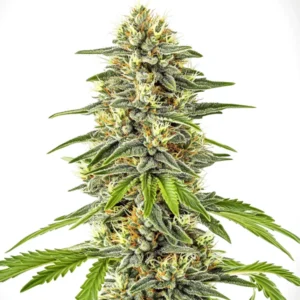

Organic Soil Amendments and Their Effects
Organic soil amendments are materials added to soil to improve its physical or chemical properties. These amendments are crucial for enhancing soil health and, consequently, brix levels in cannabis. Examples include compost, manure, and green manure.
These organic materials provide a steady release of nutrients and help maintain soil moisture. This environment is ideal for cannabis strains like “GG4” from Blimburn Seeds, which thrive in nutrient-rich soil. By improving soil structure, organic amendments ensure that roots can access nutrients more efficiently.
Integrating organic soil amendments and cannabis brix improvement strategies can significantly boost plant vigor. By enriching the soil with organic matter, growers can enhance the microbial life that supports nutrient uptake. This symbiotic relationship is vital for achieving high brix levels.
Besides to improving nutrient availability, organic amendments can increase soil aeration and drainage. These factors prevent root rot and other issues that can compromise plant health. By adopting organic practices, growers can enhance the overall quality and sweetness of their cannabis crops.
- Boosts soil fertility
- Improves soil structure
- Maintains moisture levels
The function of Soil Nutrients in Cannabis Sugar Content
Soil nutrients are the building blocks of plant growth. Essential nutrients like nitrogen, phosphorus, and potassium play a pivotal role in determining the sugar content of cannabis. Each nutrient contributes uniquely to plant health and brix levels.
For instance, nitrogen is crucial for vegetative growth, while potassium enhances flower production and sugar concentration. The correlation between soil health and cannabis sweetness is evident when plants receive balanced nutrition. Strains like “Blue Dream” from Blimburn Seeds show remarkable improvements in sweetness when grown in nutrient-rich conditions.
The function of soil nutrients in cannabis sugar content cannot be overstated. Each nutrient supports specific physiological processes that contribute to brix levels. For example, phosphorus is essential for energy transfer, enabling plants to efficiently convert sunlight into sugars.
Balancing the function of soil nutrients in cannabis sugar content involves regular soil testing and adjustments. This proactive approach allows growers to tailor their fertilization strategies to meet the specific needs of their plants. By ensuring optimal nutrient availability, growers can consistently produce high-brix cannabis.
- Nitrogen for growth
- Phosphorus for energy transfer
- Potassium for sugar concentration

Practical Tips for Improving Cannabis Brix with Soil Health
Improving cannabis brix with soil health involves practical steps that any grower can follow. Start by testing your soil. Soil tests reveal pH levels and nutrient deficiencies, allowing you to make informed decisions. It’s a simple step but crucial for optimizing soil health.
Next, consider implementing crop rotation and cover cropping. These practices boost soil fertility and disrupt pest cycles. For example, rotating cannabis with nitrogen-fixing plants can replenish soil nutrients naturally. Whether you’re growing “Amnesia Haze” or another favorite, these practices make a noticeable difference in brix levels.
Knowing how soil health affects brix levels in cannabis can guide growers in selecting the best soil management practices. For instance, incorporating organic matter and minimizing soil disturbance can enhance soil structure and microbial activity, leading to better brix levels.
Additionally, maintaining a balanced approach to irrigation is critical. Using drip irrigation systems can help regulate water supply, minimizing nutrient leaching and stress. By optimizing these aspects, growers can create an ideal environment for cannabis plants to thrive and maximize their sugar content.
FAQs about how soil health affects brix levels in cannabis
What is the correlation between soil health and cannabis sweetness?
The correlation between soil health and cannabis sweetness is rooted in the soil’s ability to supply essential nutrients. Healthy soil with a balanced microbiome and organic matter supports robust plant growth. This, in turn, results in higher sugar content and sweeter cannabis.
When soil health is compromised, plants struggle to obtain the nutrients they need. This leads to lower brix levels and less flavorful cannabis. Ensuring soil is nutrient-rich and well-maintained is key to achieving sweetness in your cannabis crops.
The correlation between soil health and cannabis sweetness highlights the importance of maintaining a thriving soil ecosystem. By fostering a healthy microbiome and providing organic amendments, growers can enhance the natural sweetness of their cannabis strains.
Investing in the soil’s health also translates to reduced chemical usage, promoting an organic approach to cultivation. This not only benefits the environment but also enhances the overall quality of the cannabis produced, aligning with the increasing demand for premium, flavorful cannabis products.
How do organic soil amendments improve cannabis brix levels?
Organic soil amendments improve cannabis brix levels by enhancing soil fertility and structure. These amendments provide a slow release of nutrients, ensuring that cannabis plants receive a steady supply of essential elements. This supports healthy growth and sugar accumulation.
Additionally, organic amendments improve soil moisture retention and aeration. This creates an optimal environment for root development and nutrient uptake, further boosting brix levels in cannabis plants.
By integrating organic soil amendments, growers can enhance the natural processes that contribute to brix levels. These amendments support a vibrant soil microbiome, which is integral to nutrient cycling and plant health.
Moreover, organic soil amendments and cannabis brix improvement go hand in hand in promoting sustainable cultivation practices. By reducing dependency on synthetic fertilizers, growers can ensure a more environmentally friendly approach, ultimately benefiting both the consumer and the ecosystem.
How can growers test soil health to improve cannabis brix?
Growers can test soil health by conducting soil tests that measure pH levels and nutrient content. These tests provide insights into any deficiencies or imbalances in the soil. With this information, growers can adjust their soil management practices to improve brix levels.
Regular soil testing allows growers to monitor changes over time and make necessary amendments. By knowing the specific needs of their soil, growers can optimize conditions for higher brix levels in their cannabis crops.
Testing soil health is a proactive step in improving cannabis brix with soil health strategies. By identifying specific nutrient deficiencies, growers can tailor their fertilization plans to address the unique needs of their soil and plants.
Furthermore, soil tests can reveal the presence of harmful contaminants or imbalances that might impede plant growth. By addressing these issues, growers can create a healthier soil environment, leading to more robust and flavorful cannabis plants.
What role do soil nutrients play in cannabis sugar content?
Soil nutrients play a crucial role in cannabis sugar content. Essential nutrients like nitrogen, phosphorus, and potassium support various stages of plant growth. A balanced supply of these nutrients ensures that cannabis plants develop properly and accumulate sugars efficiently.
Without adequate nutrients, plants cannot produce the sugars needed for high brix levels. Ensuring that soil is nutrient-rich and balanced is vital for achieving desired sugar content in cannabis plants.
The function of soil nutrients in cannabis sugar content is fundamental to achieving high-quality yields. Each nutrient plays a distinct part in plant metabolism, contributing to the overall sugar production.
By knowing and managing the nutrient needs of cannabis plants, growers can enhance their plants’ ability to produce sugars. This not only increases the brix levels but also improves the overall quality and marketability of the cannabis produced.
How do cover cropping and crop rotation affect soil health?
Cover cropping and crop rotation are effective methods for improving soil health. Cover crops protect soil from erosion, enhance organic matter, and suppress weeds. They also contribute to nutrient cycling, which is beneficial for subsequent cannabis crops.
Crop rotation disrupts pest and disease cycles, reducing the need for chemical interventions. By alternating different plant types, growers can naturally replenish soil nutrients and improve soil structure. These practices lead to healthier soil and, consequently, higher brix levels in cannabis.
Implementing cover cropping and crop rotation can significantly enhance soil health and improve cannabis brix with soil health techniques. These practices promote a sustainable cycle of nutrient replenishment and pest management.
By diversifying the plant species grown, growers can maintain soil fertility and structure, which are critical for optimal cannabis growth. This sustainable approach not only benefits the immediate crop but also contributes to long-term soil health and productivity.