Essential Guide: How Mercury in Cannabis Products Happens

Mercury in cannabis products: how it happens is a topic of growing concern among both new and experienced cannabis enthusiasts. Mercury is a heavy metal that can find its way into the cannabis plant through various channels, potentially affecting the quality and safety of the final product. As a cannabis grower or consumer, it’s crucial to be aware of how mercury contamination in marijuana products occurs and what can be done to minimize the risks.
One major source of mercury in cannabis cultivation is contaminated soil. Mercury is naturally present in the environment, and its levels can be elevated in certain areas due to industrial activities. When cannabis plants are grown in such soil, they can absorb mercury through their roots. This is why selecting a cultivation site with clean soil is critical for preventing mercury in cannabis products.
Recommended Strains
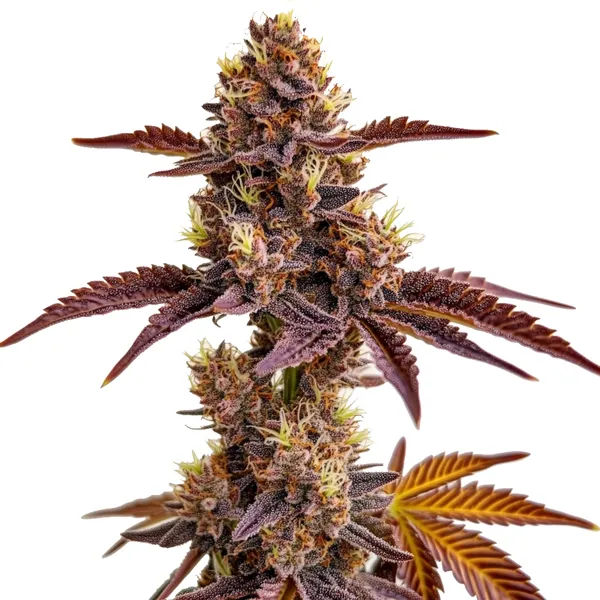
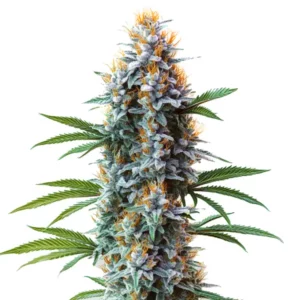
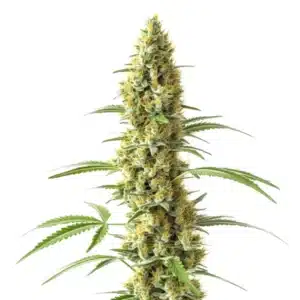
Gorilla Sherbet

|
THC | 26% - 30% (High) |

|
Type | Feminized |

|
Yield | High |

|
Phenotype | 70% Indica / 30% Sativa |

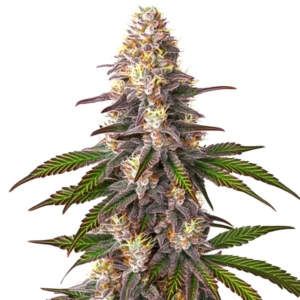
Blackberry Moonrocks
|
|
THC | 26% - 33% (High) |
|
|
Type | Feminized |
|
|
Yield | High |
|
|
Phenotype | 80% Indica / 20% Sativa |
Another avenue for mercury contamination is through water. If the water supply used for irrigation has traces of mercury, it can lead to accumulation in the cannabis plants. Ensuring the water used is free from contaminants is an essential step in maintaining the purity of cannabis products. Regular testing of both soil and water is a practical measure to reduce the risk of contamination.
Sources of Mercury in Cannabis Cultivation
Mercury can enter the cannabis supply chain from various sources, making it important for growers to be vigilant. Contaminated fertilizers and pesticides are common culprits. Some agricultural products may contain mercury as an ingredient or become contaminated during manufacturing processes. This makes it crucial to choose high-quality, tested products for cannabis cultivation.
Industrial pollution is another significant source of mercury. Regions near factories or power plants may have higher levels of mercury in the air and soil. For those growing cannabis outdoors, it’s wise to check the history and current industrial activities of the area. Indoor growers should also consider the potential for mercury contamination in building materials or equipment.
Furthermore, the use of substandard agricultural practices can inadvertently introduce mercury into the growing environment. This includes the use of untreated sewage sludge or runoff from industrial sites, which can carry mercury into the soil. Vigilant monitoring of agricultural inputs and adopting organic practices can help mitigate these risks.
Also, the atmospheric deposition of mercury can be a source of contamination. Mercury released into the atmosphere from various industrial processes can settle onto the soil and water bodies, eventually entering the cannabis cultivation system. Knowing these sources of mercury in cannabis cultivation is key to implementing effective preventive measures.
- Contaminated soil and water
- Pesticides and fertilizers with mercury
- Industrial pollution
Promos & Deals


Effects of Mercury in Cannabis Consumption
The presence of mercury in cannabis can lead to health risks for consumers. Mercury is toxic and can affect the nervous system, leading to symptoms like tremors, memory problems, and even mood changes. Long-term exposure can be particularly harmful, making it important to ensure cannabis products are free from mercury.
For medical cannabis users, the stakes are even higher. Patients using cannabis to manage conditions like chronic pain or epilepsy need to be confident that their medicine is safe. Mercury contamination in marijuana products could undermine the therapeutic benefits and introduce new health risks. This is why testing cannabis for mercury contamination is a step that cannot be overlooked.
Additionally, mercury exposure can have detrimental effects on the cardiovascular system. Studies have linked mercury exposure to increased risks of hypertension and heart disease. This makes it imperative for consumers to be aware of the potential effects of mercury in cannabis consumption and choose products that are tested for safety.
Moreover, the impact on vulnerable populations, such as pregnant women and children, can be more severe. Mercury can interfere with fetal development and lead to long-term cognitive impairments in children. Ensuring that cannabis products are free from mercury is crucial in protecting these sensitive groups from exposure risks.
- Nervous system damage
- Memory and mood issues
- Risks for medical cannabis users
Preventing Mercury in Cannabis Products
Preventing mercury in cannabis products starts with the cultivation process. Growers should prioritize using clean soil and water. Products like Blimburn Seeds Gorilla Sherbet can thrive in controlled environments where soil and water purity are maintained, reducing the risk of mercury exposure.
Another preventive measure is choosing the right strains. Strains like Blimburn Seeds Blackberry Moonrocks, which can be grown indoors, allow for better control over the growing conditions. Indoor cultivation minimizes the risk of exposure to outdoor pollutants, including mercury.
Implementing sustainable agricultural practices is another effective strategy for preventing contamination. Utilizing organic fertilizers and natural pest control methods can significantly reduce the risk of introducing mercury into the cultivation process. These practices not only protect the plants but also contribute to a healthier environment.
Furthermore, engaging in continuous education about mercury contamination in marijuana products and staying informed about industry best practices can empower growers and consumers alike. By knowing mercury in cannabis products: how it happens, the community can work together to uphold the highest standards of safety and quality.
Testing Cannabis for Mercury Contamination
Testing cannabis for mercury contamination involves analyzing samples for the presence of heavy metals. This can be done through various methods, including atomic absorption spectroscopy or inductively coupled plasma mass spectrometry. These techniques are highly sensitive and can detect even trace levels of mercury in cannabis.
Many states and countries have regulations requiring cannabis products to be tested for heavy metals before they are sold. Compliance with these regulations is crucial for ensuring consumer safety. Blimburn Seeds, for instance, emphasizes the importance of testing in their product quality assurance processes.
Regular testing not only protects consumers but also enhances the credibility of the cannabis industry. Knowing mercury in cannabis products: how it happens is essential to preventing contamination and ensuring product safety. By guaranteeing that products are free from harmful substances, companies can build trust and long-term loyalty among their customer base. This commitment to quality is a hallmark of reputable brands like Blimburn Seeds.
Moreover, transparency in testing procedures and results is vital. Providing access to detailed reports on mercury levels in products helps consumers make informed choices. As awareness grows about the importance of testing cannabis for mercury contamination, such transparency becomes an essential component of industry standards.
FAQs about mercury in cannabis products: how it happens
Is it common for cannabis products to be contaminated with mercury?
While not extremely common, mercury contamination can occur in cannabis products due to various factors like polluted soil or water. It’s important for growers and consumers to be aware of the potential risks and take steps to minimize them. Regular testing and choosing reputable sources can help ensure the safety of cannabis products.
Consumers should be particularly cautious with products from unregulated markets, where testing may not be as stringent. Opting for products from brands like Blimburn Seeds, which adhere to strict quality controls, can reduce the risk of mercury exposure.
Knowing mercury in cannabis products: how it happens can empower both producers and users to make informed decisions. By staying vigilant and informed, the likelihood of encountering mercury contamination can be significantly reduced, ensuring a safer cannabis experience for all.
Besides, advocating for stricter regulations and oversight in cannabis cultivation and production can help mitigate the risks of contamination. As the industry evolves, collaboration among stakeholders is essential to create a safer and more transparent market.
How can growers ensure their cannabis is free from mercury?
Growers can take several steps to ensure their cannabis remains free from mercury contamination. Starting with clean soil and water is crucial. Using high-quality, tested fertilizers and pesticides can also prevent mercury from entering the cultivation process. Regular testing for heavy metals provides an additional layer of assurance.
Indoor cultivation offers more control over the environment, significantly reducing the risk of contamination from external sources. Strains that thrive indoors, such as those offered by Blimburn Seeds, can be a safer option for growers concerned about mercury.
Furthermore, implementing rigorous quality control measures throughout the cultivation and production processes can help identify and address potential contamination issues early. By maintaining stringent standards, growers can demonstrate their commitment to producing safe and high-quality cannabis products.
Engaging in continuous research and development can also provide growers with innovative solutions to prevent mercury contamination. Exploring new technologies and sustainable practices can lead to breakthroughs in ensuring the purity and safety of cannabis products.
What are the symptoms of mercury exposure for cannabis consumers?
Mercury exposure can lead to symptoms like tremors, headaches, and memory issues. It can also affect mood, leading to irritability or anxiety. For individuals using cannabis for medical purposes, these symptoms can be particularly concerning and counteract any therapeutic effects.
Chronic exposure to mercury can have more severe health implications, including damage to the nervous system. This underscores the importance of ensuring cannabis products are free from mercury contamination, especially for regular users.
In severe cases, mercury exposure can lead to cognitive impairments and developmental delays, particularly in young children and fetuses. The neurotoxic effects of mercury are well-documented, emphasizing the need for stringent safety measures in cannabis production.
Moreover, knowing the potential symptoms of mercury exposure can help consumers identify any adverse reactions promptly. By staying informed and vigilant, individuals can take proactive steps to protect their health and well-being.
What should consumers look for when buying cannabis to ensure it’s mercury-free?
Consumers should look for products that come with a certificate of analysis (COA), which indicates the product has been tested for contaminants, including heavy metals like mercury. Buying from reputable brands that prioritize safety and quality, like Blimburn Seeds, can also provide assurance.
Additionally, consumers can inquire about the growing and testing practices of the supplier. Knowing that a product has been grown in a controlled environment and tested for heavy metals can offer peace of mind.
Seeking recommendations and reviews from trusted sources can also guide consumers in choosing safe cannabis products. Community feedback and experiences can provide valuable insights into the reliability and integrity of different brands and suppliers.
Moreover, staying updated on industry developments and regulatory changes can empower consumers to make informed decisions. As the cannabis market evolves, being aware of best practices and emerging trends can help individuals navigate the landscape more effectively.
Are there specific cannabis strains that are less prone to mercury contamination?
While no strain is immune to contamination, some strains are better suited for environments where growers can control the conditions more effectively. Indoor strains, such as those offered by Blimburn Seeds, are often exposed to fewer environmental contaminants compared to outdoor strains.
Choosing strains that thrive indoors or in controlled greenhouses can reduce the risk of mercury contamination. Strains like Gorilla Sherbet from Blimburn Seeds are popular among growers who prioritize purity and safety in their cultivation practices.
Additionally, selecting strains with a shorter growth cycle can potentially reduce the time plants are exposed to environmental contaminants. Rapid-growing strains can be harvested before significant mercury accumulation occurs, offering an added layer of protection.
Collaborating with experienced growers or consulting with experts can also provide valuable guidance in selecting strains that are less likely to encounter mercury contamination. By leveraging collective knowledge and expertise, growers can enhance their cultivation strategies and outcomes.