Essential Guide: How Cannabis Nutrients Interact for Best Growth

Cannabis cultivation is an art and science. The right nutrients can transform your plants into lush, productive specimens. But how cannabis nutrients interact is key to unlocking their full potential. Every grower, from novice to seasoned pro, needs to grasp this concept for a thriving garden.
Let’s dive into the cannabis nutrient uptake process. Nutrients are essential elements that plants consume through their roots. They dissolve in water, allowing roots to absorb them. This process powers growth and development. However, it’s not just about feeding your plants. It’s about ensuring they can access what they need.
Recommended Strains

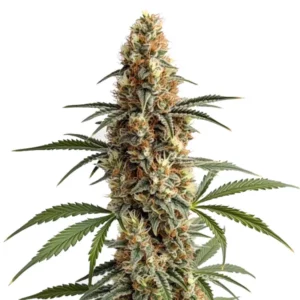
Bruce Banner #3

|
THC | 20% - 29% (High) |

|
Type | Feminized |

|
Yield | Medium |

|
Phenotype | 50% Indica / 50% Sativa |

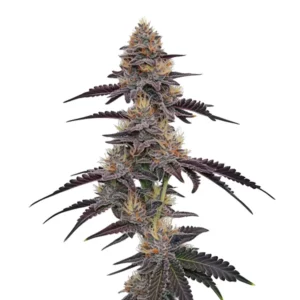
GG4
|
|
THC | 27% (High) |
|
|
Type | Feminized |
|
|
Yield | High |
|
|
Phenotype | 40% Indica / 60% Sativa |
Have you heard about nutrient lockout? It’s a common pitfall where plants can’t absorb the nutrients present, often due to pH imbalances. The effects of pH on cannabis nutrient absorption are profound. Keeping pH in check is crucial to prevent this issue and maintain a healthy nutrient uptake.
Knowing Nutrient Interactions
Think of nutrients as a team. They work together, but if one team member steps out of line, it can throw everything off. When one nutrient is in excess, it can hinder the absorption of others. This is how cannabis nutrients interact in a delicate balance.
For example, too much potassium can limit calcium and magnesium uptake. This imbalance can stunt growth and lead to deficiencies. Monitoring nutrient levels is key, ensuring each element is available in the right proportion. Remember, balance is everything.
The dance of how cannabis nutrients interact doesn’t stop at primary elements. Micronutrients also play a pivotal role in maintaining harmony. Even slight changes in their availability can ripple through the nutrient network, affecting overall plant health. This is why knowing the function of micronutrients in cannabis growth is as crucial as managing macronutrients.
Monitoring the cannabis nutrient uptake process involves more than just adding nutrients. It’s about knowing the symbiotic relationship between different elements and how environmental factors, such as pH and water quality, can affect this interaction. By keeping these elements in check, growers can ensure their plants receive a balanced diet, promoting robust growth and abundant yields.
Promos & Deals



Macro and Micronutrients
Macronutrients are the heavy lifters in your nutrient lineup. Nitrogen, phosphorus, and potassium are the big three. They support core plant functions like photosynthesis and energy transfer. Yet, micronutrients, though needed in smaller amounts, are equally vital.
The function of micronutrients in cannabis growth includes aiding enzyme production and disease resistance. Elements like zinc, iron, and manganese are critical. Without them, plant health suffers. They may be minute, but their impact is mighty.
Balanced nutrient solutions incorporate both macro and micronutrients, recognizing their individual and collective contributions to plant health. For instance, while macronutrients fuel the primary metabolic processes, micronutrients like boron and copper aid in the structural integrity of cell walls and reproductive success. This synergy underscores their significance in the cannabis nutrient uptake process.
In the organic vs synthetic cannabis nutrients comparison, the choice often influences the availability of these elements. Organic options typically release nutrients slowly, promoting a steady supply, whereas synthetic nutrients can provide a rapid influx. Deciding which to use depends on your growing conditions and desired outcomes, but both require careful management to optimize how cannabis nutrients interact.
Managing pH Levels
Maintaining the right pH is crucial. It affects how cannabis nutrients interact with the plant. A pH that’s too high or too low can cause nutrient lockout, where roots cannot absorb essential elements. The ideal pH range is between 6.0 and 7.0 for soil and 5.5 to 6.5 for hydroponics.
Testing and adjusting pH levels regularly is a must. If you’re using Blimburn Seeds’ strains like GG4, Bruce Banner #3, or Gelato, keeping pH optimal ensures they thrive. Use pH meters or test kits for accuracy.
The effects of pH on cannabis nutrient absorption extend beyond mere availability. The solubility of nutrients is directly influenced by the pH level, impacting how effectively plants can access what they need. An imbalance can lead to nutrient lockout, where essential elements become unavailable even though they are present in the soil or solution.
Regular pH monitoring is not just about preventing issues. It allows growers to create an optimal environment for the cannabis nutrient uptake process. By fine-tuning pH levels, particularly in hydroponic systems where changes can be more pronounced, you can enhance nutrient bioavailability, ultimately supporting vigorous growth and maximizing yields.

Organic vs. Synthetic Nutrients
Choosing between organic and synthetic nutrients affects how cannabis nutrients interact with your plants. Organic nutrients come from natural sources like compost and bone meal. They improve soil health and promote beneficial microorganisms.
Synthetic nutrients, on the other hand, are chemically formulated. They provide precise nutrient levels and may deliver faster results. However, they can also lead to salt buildup, requiring regular flushing to prevent toxicity.
In the organic vs synthetic cannabis nutrients comparison, it’s essential to weigh the benefits and challenges of each. Organic nutrients enhance the soil’s natural ecosystem, fostering a sustainable environment that supports long-term plant health. However, they may require more time to show results, demanding patience from growers.
Synthetic options, while providing immediate and measurable results, necessitate meticulous management to avoid nutrient imbalances. The precision they offer can be advantageous, especially in controlled environments, but this also means regular monitoring to prevent issues such as nutrient lockout. The choice between the two ultimately depends on the grower’s philosophy and the specific needs of their cannabis strains.
Preventing Nutrient Lockout
Nutrient lockout is a grower’s nemesis. It occurs when plants can’t access the nutrients available due to pH issues or nutrient excess. Solutions for cannabis nutrient lockout include flushing with pH-balanced water to reset the root zone.
Monitoring your feeding schedule is essential. Overfeeding can cause a buildup of salts, leading to lockout. Regularly assess your plants’ needs. Adjust feeding regimens based on their growth stage and condition.
Knowing how cannabis nutrients interact is fundamental in preventing lockout. It requires a proactive approach, combining regular pH checks and careful nutrient management. This vigilance helps in identifying early signs of imbalance, allowing growers to take corrective measures promptly.
Implementing effective cannabis nutrient lockout solutions involves more than just addressing symptoms. It requires a comprehensive strategy that includes the use of proper flushing techniques and ongoing monitoring to ensure nutrient availability. By maintaining optimal conditions, you can prevent the onset of lockout and support continuous, healthy growth.
Real-Life Tips for Successful Growth
Experienced growers often share practical tips to help you succeed. Start with quality seeds like those from Blimburn Seeds. Their genetic stability ensures a robust beginning. Pair this with a balanced nutrient regime for best results.
Use tools to monitor conditions closely. A simple pH meter and nutrient chart can save you from guesswork. Documenting your process helps identify what works and what doesn’t, providing valuable insights into how cannabis nutrients interact within your setup.
The cannabis nutrient uptake process can be optimized through careful observation and adaptation. Seasoned growers recommend keeping detailed records of your plants’ responses to different nutrient levels and environmental conditions. This data-driven approach allows for informed adjustments, ensuring your plants receive exactly what they need.
Another tip is to incorporate a diverse range of nutrients to cover all bases. While focusing on the big three macronutrients, don’t overlook the function of micronutrients in cannabis growth. Ensuring your plants have access to these vital components can make a significant difference in their overall vitality and yield.

FAQs about how cannabis nutrients interact
What are the signs of nutrient lockout in cannabis plants?
Nutrient lockout manifests in several ways. Common signs include yellowing leaves, stunted growth, and brown spots. These symptoms can mimic nutrient deficiencies, but the root cause is different. When plants can’t access nutrients, they can’t thrive.
Regularly check your plants for these signs. If you spot them, act quickly. Testing soil or hydroponic solutions for pH and nutrient levels can confirm if lockout is the issue. From there, you can implement cannabis nutrient lockout solutions, like flushing or pH adjustments, to restore balance.
Addressing nutrient lockout promptly is crucial. If left unchecked, it can lead to irreversible damage, severely impacting yield and plant health. Identifying the underlying cause—whether it’s a pH imbalance or nutrient excess—is the first step in resolving the issue effectively.
Besides to corrective measures, preventative strategies play a vital role in avoiding lockout. Regularly rotating nutrient solutions and maintaining optimal pH levels ensure a consistent nutrient uptake process, reducing the risk of future problems. This proactive approach is key to maintaining a thriving cannabis garden.
How does pH affect cannabis nutrient absorption?
PH levels directly impact how cannabis nutrients interact with plant roots. When pH is within the optimal range, nutrients are more available to plants. Outside this range, some nutrients become insoluble or overly abundant, leading to deficiencies or toxicities.
For soil, aim for a pH of 6.0 to 7.0. In hydroponics, 5.5 to 6.5 is ideal. Regular testing and adjustments keep pH stable, ensuring plants can uptake nutrients effectively. This proactive approach prevents many common growing issues.
The effects of pH on cannabis nutrient absorption are substantial, influencing everything from nutrient solubility to microbial activity in the soil. A balanced pH not only facilitates nutrient availability but also supports a healthy root environment, essential for robust growth.
Adjusting pH levels can be achieved through various methods, including the use of pH-up and pH-down solutions. These allow growers to fine-tune their growing medium, ensuring that the cannabis nutrient uptake process functions optimally. By maintaining a stable pH, you create an environment where your plants can access the full spectrum of nutrients available.
Should I use organic or synthetic nutrients for cannabis?
Both organic and synthetic nutrients have their advantages. Organic nutrients improve soil structure and support microbial life. They release nutrients slowly, reducing the risk of overfeeding. This natural approach can lead to healthier plants over time.
Synthetic nutrients provide precise control over nutrient levels. They are effective in hydroponic systems and can offer quick results. However, they may require more maintenance, such as regular flushing, to prevent buildup. Your choice depends on your growing preferences and system.
In the organic vs synthetic cannabis nutrients comparison, the decision often comes down to a balance between control and sustainability. Organic nutrients contribute to a regenerative growing system, enhancing soil health and promoting biodiversity, which can be beneficial for long-term cultivation efforts.
Conversely, synthetic nutrients offer the advantage of immediate impact, allowing for rapid adjustments and corrections in nutrient levels. This precision is particularly beneficial in controlled environments like hydroponics, where consistent nutrient availability is crucial for success. Ultimately, the choice reflects the grower’s philosophy and the specific needs of their cannabis strains.
What is the cannabis nutrient uptake process?
The cannabis nutrient uptake process involves roots absorbing nutrients dissolved in water. These nutrients are essential for growth, supporting various plant functions. Water acts as a medium, transporting nutrients from the soil or solution to the roots.
Healthy root systems are crucial for efficient uptake. Ensure roots are well-developed and not impeded by compacted soil or poor drainage. Adequate watering practices also promote effective nutrient absorption, leading to healthier plants.
The efficiency of the cannabis nutrient uptake process hinges on several factors, including root health, water quality, and environmental conditions. Ensuring that your plants have access to a well-aerated root zone and consistent moisture levels aids in maximizing nutrient absorption.
Innovative growing techniques, such as aeroponics and deep-water culture, can enhance the nutrient uptake process by providing optimal root exposure and nutrient availability. These systems highlight the importance of knowing how cannabis nutrients interact within different growing contexts, allowing for tailored strategies that support vigorous plant development.
What micronutrients are important for cannabis growth?
Micronutrients, although needed in small amounts, play vital roles in cannabis growth. Key micronutrients include zinc, which aids in enzyme function; iron, essential for chlorophyll production; and manganese, involved in photosynthesis.
Deficiencies in micronutrients can lead to poor plant health. Yellowing leaves and slow growth are common symptoms. Providing a balanced nutrient mix that includes these elements ensures your plants receive all they need for robust growth and development.
The function of micronutrients in cannabis growth extends beyond basic plant health. These trace elements contribute to critical physiological processes, such as hormonal balance and stress resistance, equipping plants to thrive in diverse conditions and fend off diseases.
Incorporating a comprehensive nutrient strategy that includes both macro and micronutrients ensures that your plants can reach their full genetic potential. Whether you choose organic or synthetic sources, knowing how cannabis nutrients interact and tailoring your approach accordingly fosters a healthy, productive garden.