Essential Guide: Cannabis Nutrient Lockout vs Antagonism Explained

Cultivating cannabis involves knowing various challenges, especially those related to nutrients. Two common issues growers face are cannabis nutrient lockout vs nutrient antagonism. Each can significantly impact your plants’ health and yield.
Nutrient lockout occurs when your cannabis plants can’t absorb nutrients due to pH imbalance or salt buildup. This can lead to deficiencies even if nutrients are present in the soil. On the other hand, nutrient antagonism happens when an excess of one nutrient blocks the uptake of another, causing an imbalance.
Recommended Strains
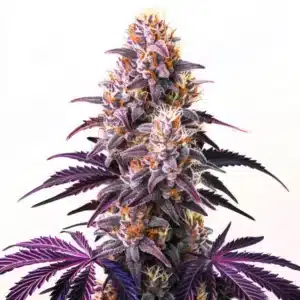
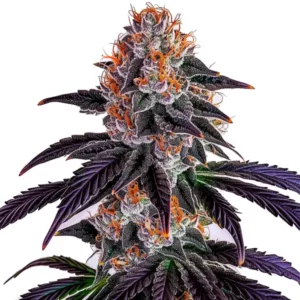
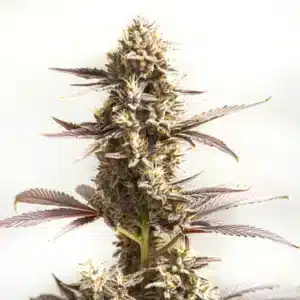
Purple Kush

|
THC | 17% - 27% (Medium) |

|
Type | Feminized |

|
Yield | Medium |

|
Phenotype | 30% Indica / 70% Sativa |
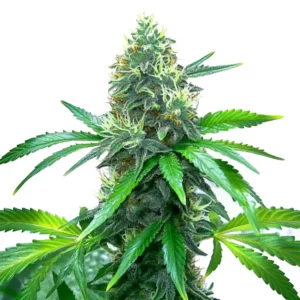
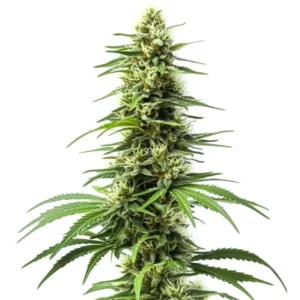
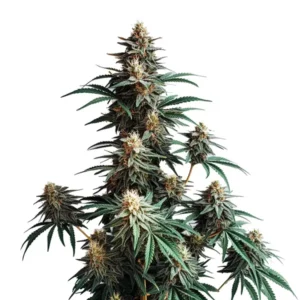
OG Kush
|
|
THC | 20% - 24% (Medium) |
|
|
Type | Feminized |
|
|
Yield | Medium |
|
|
Phenotype | 55% Indica / 45% Sativa |
Both issues can be daunting, but with the right knowledge, you can effectively manage them. Let’s discuss how cannabis nutrient lockout compares to nutrient antagonism and the steps you can take to address these problems.
Cannabis Nutrient Lockout Causes Comparison
One of the primary causes of nutrient lockout is improper pH levels. Cannabis plants thrive in a specific pH range, typically between 6.0 and 7.0 in soil. When the pH deviates from this range, nutrients become unavailable to the plant, even if they are present in abundance.
Another cause is salt buildup in the growing medium. Over time, excess fertilizers can accumulate, creating a barrier that prevents roots from accessing nutrients. This often occurs in hydroponic systems or container growing. Flushing your system with clean water can help alleviate this issue.
Knowing the cannabis nutrient lockout causes comparison helps us appreciate how subtle differences in growing conditions can lead to significant challenges. While improper pH is a primary factor, environmental issues such as temperature fluctuations and humidity can also contribute to nutrient lockout. Therefore, maintaining a stable growing environment is crucial for preventing lockout scenarios.
Besides, growers should consider the quality of water used in irrigation. Hard water or water with high mineral content can exacerbate salt buildup, further complicating nutrient uptake. Utilizing filtered or distilled water might be beneficial, especially if local water sources are known to have high mineral concentrations. This proactive approach can mitigate potential nutrient lockout causes before they manifest.
Promos & Deals
Nutrient Antagonism Effects on Cannabis Growth
Nutrient antagonism occurs when one nutrient inhibits the absorption of another. For example, an excess of potassium can interfere with the uptake of calcium and magnesium, vital nutrients for cannabis growth. This can lead to deficiencies, even if these nutrients are present in the soil.
The effects of nutrient antagonism can manifest as stunted growth, discolored leaves, or poor bud development. Recognizing these signs early can help you adjust your nutrient regimen to restore balance.
Beyond the immediate physical symptoms, the nutrient antagonism effects on cannabis growth can affect the plant’s overall resilience to pests and diseases. A deficiency in one nutrient due to antagonism might weaken the plant’s natural defenses, making it more susceptible to infestations or fungal infections. Therefore, maintaining nutrient balance is not only about optimal growth but also about strengthening the plant’s immune system.
Moreover, nutrient antagonism can impact the plant’s metabolic processes, such as photosynthesis and energy production. When the nutrient balance is disrupted, the plant may not efficiently convert sunlight into energy, leading to reduced vigor and yield. A comprehensive nutrient management plan that includes regular testing and adjustments can help mitigate these adverse effects, ensuring healthier and more productive plants.
Signs of Nutrient Lockout vs Antagonism in Cannabis
Identifying nutrient lockout involves looking for specific symptoms. Yellowing leaves, stunted growth, and poor root development are common signs. If you notice these in your plants, check the pH and flush the growing medium to remove excess salts.
On the other hand, signs of nutrient antagonism might be more subtle. You might see interveinal chlorosis (yellowing between the veins of leaves) or leaf tip burn. These symptoms often indicate a nutrient imbalance that needs addressing.
Delving deeper into the signs of nutrient lockout vs antagonism in cannabis, it’s crucial to conduct thorough inspections of your plants regularly. Visual assessments can be supplemented with soil or tissue testing to identify specific nutrient deficiencies or excesses. This approach allows growers to differentiate between lockout and antagonism more effectively, leading to more precise corrective actions.
Additionally, monitoring the plant’s growth rate can provide insights into potential nutrient issues. A sudden slowdown in growth or delayed flowering can be indicative of underlying nutrient problems. By maintaining detailed records of plant development and environmental conditions, growers can better correlate symptoms with nutrient issues, allowing for timely interventions.
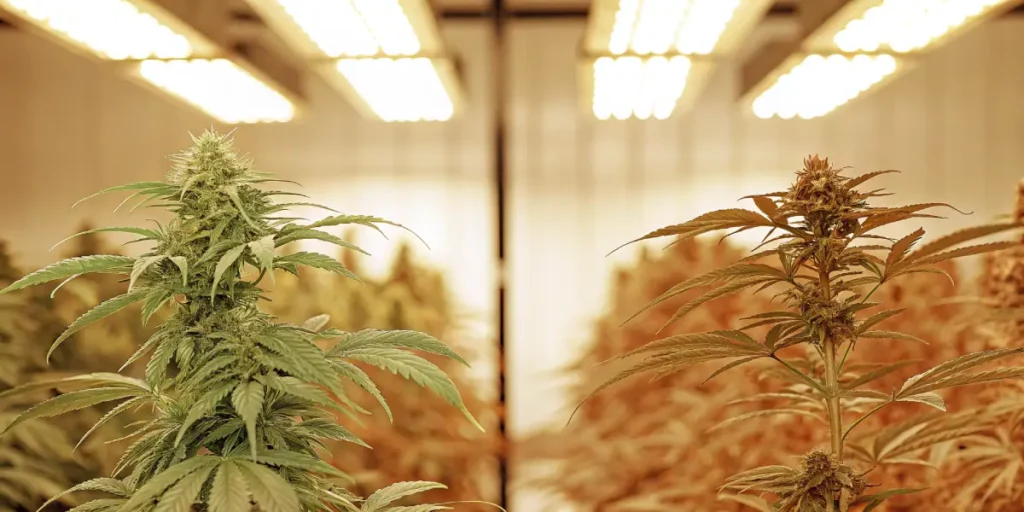
Managing Nutrient Lockout and Antagonism in Cannabis Plants
Managing nutrient lockout involves maintaining proper pH levels and preventing salt buildup. Regularly test your soil or hydroponic solution to ensure the pH is within the optimal range. If you detect a pH imbalance, adjust it with pH up or down solutions.
For nutrient antagonism, the key is balance. Avoid over-fertilizing and adhere to a nutrient schedule that takes into account the specific needs of your cannabis strain. Strains like Purple Kush from Blimburn Seeds may have varying nutrient requirements, so it’s essential to tailor your approach.
Effective management of nutrient lockout and antagonism in cannabis plants also includes periodic reviews of your nutrient solutions and schedules. As plants grow and environmental conditions change, their nutrient needs will evolve. Adjusting nutrient concentrations and ratios in response to these changes can prevent both lockout and antagonism, ensuring plants receive the nutrition they require at each growth stage.
Additionally, incorporating technology such as digital pH meters and nutrient dosing systems can streamline the management process. These tools offer precision and automation, reducing the margin for error and allowing for more consistent nutrient delivery. By staying informed and leveraging technology, growers can better address the challenges of cannabis nutrient lockout vs nutrient antagonism.
Cannabis Nutrient Management Techniques for Lockout and Antagonism
One effective technique for managing nutrient lockout and antagonism is to use a balanced nutrient solution. Ensure that your solution contains all necessary nutrients in the correct ratios. This helps prevent any one nutrient from overshadowing others, reducing the risk of antagonism.
Flushing your system is another crucial technique. This involves watering your plants with plain water to remove excess salts and nutrients. It’s particularly useful in hydroponic systems where nutrient buildup can occur quickly.
Integrating organic amendments into your growth strategy is another valuable cannabis nutrient management technique for lockout and antagonism. Organic materials such as compost and worm castings can enhance soil structure, improve nutrient retention, and promote beneficial microbial activity. These amendments can buffer against pH fluctuations and provide a steady release of nutrients, reducing the risk of nutrient lockout.
Furthermore, employing a diverse nutrient regimen that includes micronutrients and trace elements is essential. Cannabis plants require more than just the primary macronutrients (N-P-K) for optimal growth. By incorporating a wide range of nutrients, growers can prevent imbalances that lead to antagonism, fostering a more robust and resilient plant. Tailoring these techniques to your specific strain, especially when using quality seeds like those OG Kush from Blimburn Seeds, can lead to healthier plants and higher yields.

FAQs about cannabis nutrient lockout vs nutrient antagonism
What is the difference between nutrient lockout and nutrient antagonism?
Nutrient lockout occurs when cannabis plants can’t absorb nutrients due to external factors like pH imbalance or salt buildup. In contrast, nutrient antagonism happens when an excess of one nutrient prevents the uptake of another, creating a deficiency.
Both issues can cause similar symptoms like yellowing leaves or stunted growth. However, lockout is often related to environmental factors, while antagonism is due to nutrient imbalance. Addressing these issues requires different strategies tailored to the root cause.
Knowing the nuances between cannabis nutrient lockout vs nutrient antagonism is vital for effective plant care. While both can lead to similar symptoms, their underlying causes are distinct, necessitating specific interventions. By focusing on precise diagnosis and targeted solutions, growers can enhance their plants’ health and productivity.
Moreover, education and experience play crucial roles in differentiating these issues. As growers become more familiar with their plants’ responses and the subtleties of nutrient management, they can more accurately identify and address the root causes of these nutrient challenges. This proactive approach is essential for achieving successful cultivation outcomes.
How can I prevent cannabis nutrient lockout?
Preventing nutrient lockout involves maintaining the correct pH levels in your growing medium. Regularly test both soil and water to ensure they are within the optimal range for cannabis growth. Adjust pH as needed using appropriate solutions.
Additionally, avoid over-fertilizing your plants. Excessive use of fertilizers can lead to salt buildup, a primary cause of nutrient lockout. Flushing your plants periodically with clean water can help prevent this from happening.
Adopting a holistic approach to growing can also prevent cannabis nutrient lockout. Incorporating beneficial bacteria and fungi can enhance nutrient uptake and improve root health, making plants more resilient to lockout conditions. This symbiotic relationship helps maintain a balanced nutrient environment, reducing the likelihood of lockout.
Furthermore, selecting high-quality growing media that supports nutrient retention and drainage can mitigate lockout risks. Products designed for cannabis cultivation often include amendments that buffer pH and enhance nutrient availability, providing a more stable environment for plant growth.
Can nutrient antagonism be corrected once it occurs?
Yes, nutrient antagonism can often be corrected by adjusting your nutrient regimen. Start by identifying the nutrient that is in excess and reduce its presence in your nutrient solution. This can help restore balance and improve the uptake of other nutrients.
It may also be beneficial to use a balanced nutrient solution designed for cannabis. These solutions are formulated to provide the correct ratios of nutrients, reducing the risk of antagonism. Monitoring your plants regularly will help you spot issues early and adjust accordingly.
Besides to adjusting nutrient levels, incorporating foliar feeding can provide immediate relief from nutrient antagonism. Foliar sprays deliver nutrients directly to the leaves, bypassing any soil or root-related issues. This method can quickly address deficiencies caused by antagonism, supporting the plant’s recovery process.
Regular soil testing and nutrient analysis can also preemptively identify potential antagonism issues. By staying informed about nutrient levels, growers can make proactive adjustments to their feeding regimens, preventing antagonism from developing in the first place.
What are some signs that my cannabis plants are experiencing nutrient issues?
Common signs of nutrient issues include yellowing leaves, stunted growth, leaf tip burn, and interveinal chlorosis. If you notice these symptoms, it’s important to assess both pH levels and nutrient balance.
Specific strains, like those from Blimburn Seeds, may show different symptoms based on their genetic makeup. Knowing the particular needs of your strain can help you identify and correct nutrient issues more effectively.
Beyond visual symptoms, nutrient issues can also affect the plant’s aroma and flavor profiles. A deficiency or imbalance may lead to less fragrant plants or altered terpene production, impacting the overall sensory experience. Addressing nutrient issues promptly ensures that the plant reaches its full potential in both yield and quality.
Furthermore, maintaining detailed growth logs can aid in diagnosing nutrient problems. Recording environmental conditions, feeding schedules, and plant responses can reveal patterns that help identify the root cause of nutrient issues, allowing for more effective interventions.
Why is it important to use high-quality cannabis seeds when managing nutrients?
High-quality cannabis seeds, like those from Blimburn Seeds, are bred for optimal growth and resistance to common issues. These strains often have more predictable nutrient needs, making it easier to manage nutrient lockout and antagonism.
Using well-bred seeds can also result in more robust plants that are better equipped to handle minor nutrient imbalances. This can lead to healthier plants and better yields, which is the ultimate goal for any grower.
Moreover, high-quality seeds are often developed with specific environmental and nutrient requirements in mind. This targeted breeding approach ensures that the plants are well-suited to their intended growing conditions, reducing the likelihood of encountering nutrient-related issues. By starting with superior genetics, growers set the foundation for successful cultivation.
Investing in premium seeds can also provide consistent phenotypic traits, allowing for more accurate predictions of plant behavior and nutrient needs. This consistency simplifies the nutrient management process, enabling growers to focus on optimizing other aspects of cultivation, such as light and airflow.