Essential Cannabis Nutrient Chart for Antagonistic Interactions

Cultivating cannabis is both an art and a science. A cannabis nutrient chart for antagonistic interactions is a crucial tool for growers aiming to optimize plant health and maximize yield. This chart helps navigate the complex relationships between nutrients, ensuring that your plants get precisely what they need without interference from other elements.
Antagonistic interactions occur when one nutrient inhibits the uptake of another. This phenomenon can lead to deficiencies, even when a nutrient is present in adequate amounts. Avoiding these interactions is key to maintaining the delicate balance required for healthy cannabis growth.
Recommended Strains
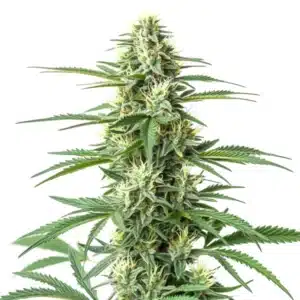
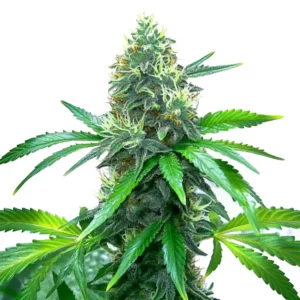
CBD Critical Mass (1:1)

|
CBD | 5% (Low) |

|
Type | CBD Feminized |

|
Yield | Medium |

|
Phenotype | 60% Indica / 40% Sativa |
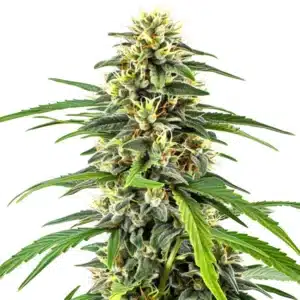
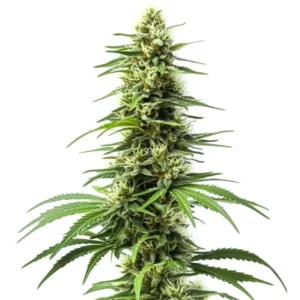
Amnesia Haze

|
THC | 18% - 22% (Medium) |
|
|
Type | Feminized |
|
|
Yield | High |
|
|
Phenotype | 30% Indica / 70% Sativa |
Consider the example of calcium and magnesium. When present in excessive amounts, calcium can hinder magnesium absorption. This knowledge helps growers adjust their nutrient feeds accordingly, ensuring both elements are available to the plant in optimal proportions.
Common Antagonistic Interactions in Cannabis Cultivation
Many nutrients interact antagonistically. For instance, an excess of potassium can reduce calcium uptake. This can result in calcium deficiency, characterized by weak stems and poor bud development. Monitoring nutrient levels and adjusting your feeding schedule can prevent such issues.
Another example is the interaction between nitrogen and potassium. High levels of nitrogen can decrease potassium absorption, which is detrimental to plant growth. Potassium is vital for water regulation and enzyme activation, making it crucial for robust plant development.
Knowing cannabis nutrient antagonism effects is essential for anyone seeking to master the art of cannabis cultivation. A comprehensive cannabis nutrient interaction chart guide can help outline the specific interactions that are most likely to impact your crop. This proactive approach supports healthier plants and higher yields.
It’s also important to consider the environmental factors that can exacerbate antagonistic interactions. For example, pH levels can influence nutrient availability and uptake. By maintaining optimal growing conditions, growers can mitigate the negative effects of nutrient antagonistic interactions in cannabis cultivation.
Promos & Deals
Practical Tips for Using a Nutrient Chart
A cannabis nutrient chart for antagonistic interactions is most effective when used regularly. Frequent monitoring allows you to spot potential issues before they impact your crop. Keep a record of nutrient levels and plant responses to adjustments.
When using a chart, start with a balanced nutrient mix. Adjust based on plant response and environmental factors. Consider the specific needs of different strains. For example, Blimburn Seeds’ Blue Dream requires more magnesium than other strains, making it essential to monitor calcium levels closely.
Optimizing cannabis growth with nutrient antagonism charts involves a careful balance of nutrients and environmental conditions. Tailoring nutrient solutions based on the specific requirements of your strain can significantly enhance growth and development. Strain-specific charts can guide these adjustments for optimal results.
Moreover, integrating technology such as automated nutrient monitoring systems can further enhance the effectiveness of nutrient charts. These tools can provide real-time data, helping growers make informed decisions and fine-tune their nutrient strategies with precision.
Examples of Cannabis Strains and Their Nutrient Needs
Certain strains have unique nutrient requirements. Blimburn Seeds’ Gelato, for example, thrives with higher phosphorus levels, especially during the flowering stage. This strain’s rich terpene profile benefits from balanced nutrient management.
Amnesia Haze from Blimburn Seeds is another strain with specific needs. It prefers slightly acidic soil with a balanced nutrient profile. Monitoring pH levels alongside nutrient interactions ensures this strain’s vigorous growth and high yields.
Besides to these strains, Blimburn Seeds’ OG Kush is known for its resilience but requires careful nutrient balancing during its vegetative phase. Ensuring a steady supply of nitrogen and phosphorus can enhance leaf development and overall plant vigor.
Another notable strain, Blimburn Seeds’ Critical Mass, demands attention to potassium and calcium levels to support its dense bud formation. Using a cannabis nutrient chart for antagonistic interactions can help ensure these elements are available in the right proportions.

FAQs about cannabis nutrient chart for antagonistic interactions
What is a cannabis nutrient chart for antagonistic interactions?
This chart helps growers understand how different nutrients interact with each other. It highlights which nutrients can inhibit the absorption of others. By using this chart, growers can adjust nutrient levels to prevent deficiencies and promote healthy growth.
For example, if you’re experiencing calcium deficiency despite adequate supply, the chart may reveal high potassium levels are the cause. Adjusting potassium levels can resolve the deficiency. This proactive approach is essential for optimizing cannabis growth.
By embracing a cannabis nutrient interaction chart guide, growers can take a structured approach to nutrient management. These guides often include visual aids and detailed explanations that simplify the complex web of nutrient interactions.
Utilizing such a guide not only aids in preventing deficiencies but also empowers growers to experiment with different nutrient combinations, potentially leading to improved plant health and yield outcomes through strategic nutrient management.
How do nutrient interactions affect cannabis cultivation?
Nutrient interactions can significantly impact plant health. Antagonistic interactions can lead to deficiencies and poor growth. A cannabis nutrient interaction chart guide can help growers identify and mitigate these issues, ensuring balanced nutrient availability.
Knowing cannabis nutrient antagonism effects allows for precise nutrient management. By adjusting feeding schedules and nutrient ratios, growers can prevent issues like magnesium deficiency caused by excessive calcium.
One key aspect of managing nutrient interactions is the timing of nutrient applications. Delivering nutrients at the right growth stage can mitigate antagonistic effects and enhance nutrient uptake efficiency. This precision is crucial in maximizing cannabis yields.
Additionally, recognizing the signs of nutrient antagonism early can prevent long-term damage to plants. Leaf discoloration, stunted growth, and poor flowering are all indicators that nutrient interactions may need to be addressed promptly.
What should I consider when optimizing cannabis growth with nutrient antagonism charts?
It’s important to regularly monitor nutrient levels and plant responses. Adjust your nutrient mix based on the specific needs of your strain and environmental conditions. Keep records of any changes and their effects.
Consider the individual nutrient needs of your strains. For instance, Blimburn Seeds’ strains like Blue Dream and Gelato may require specific nutrient adjustments. Using charts to guide these adjustments can prevent antagonistic interactions.
Optimizing cannabis growth with nutrient antagonism charts also involves knowing the environmental context. Factors such as light intensity, humidity, and temperature can influence how nutrients are absorbed and utilized by plants.
Furthermore, collaborating with other growers can provide valuable insights into effective nutrient management strategies. Sharing experiences and solutions can lead to improved practices and better outcomes for all involved in cannabis cultivation.
How can I resolve cannabis nutrient deficiency and antagonism solutions?
Start by identifying the deficiency. Use a nutrient chart to determine possible antagonistic interactions. Adjust nutrient levels accordingly, ensuring that no single nutrient is in excess, which could inhibit others.
Regular monitoring and adjustments are key. Test soil and water regularly for nutrient content. By staying proactive, you can prevent deficiencies and promote healthy plant development.
Implementing cannabis nutrient deficiency and antagonism solutions may also include soil amendments or foliar feeding. These methods can provide targeted nutrient delivery, bypassing some of the limitations of root uptake.
In some cases, seeking advice from an experienced agronomist or utilizing professional testing services can offer deeper insights into nutrient dynamics and help refine your cultivation approach.
Why are nutrient antagonistic interactions important in cannabis cultivation?
These interactions are crucial because they can dramatically affect plant health and yield. Recognizing and managing them ensures that each nutrient is available to the plant in the right amounts.
By using a cannabis nutrient chart for antagonistic interactions, growers can fine-tune their nutrient management. This approach maximizes plant health and crop yield, providing the best results for both novice and experienced growers.
Nutrient antagonistic interactions in cannabis cultivation highlight the importance of balanced nutrient delivery. Mismanagement can lead to wasted resources and suboptimal plant performance, underscoring the need for careful planning and execution.
Moreover, knowing these interactions fosters a more sustainable approach to cultivation. By minimizing waste and optimizing nutrient use, growers contribute to more environmentally friendly practices, aligning with broader sustainability goals in agriculture.