Essential Best Practices for Avoiding Nutrient Antagonism in Cannabis

Cannabis cultivation is as much about science as it is art. It’s essential to adopt best practices for avoiding nutrient antagonism in cannabis to ensure optimal growth and a bountiful harvest. Nutrient antagonism occurs when one nutrient interferes with the uptake of another, often leading to deficiencies despite an abundance of nutrients. This can be a common hurdle for both novice and expert growers.
One of the most effective strategies is to maintain a balanced nutrient solution. This means ensuring that each essential nutrient is available in the right proportion. For instance, an excess of potassium can hinder magnesium uptake. Therefore, it’s crucial to follow a nutrient schedule or plan that considers these interactions.
Recommended Strains
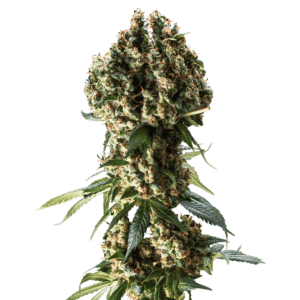
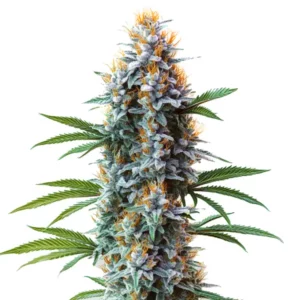
Granddaddy Purple

|
THC | 25% (High) |

|
Type | Feminized |

|
Yield | Medium |

|
Phenotype | 70% Indica / 30% Sativa |

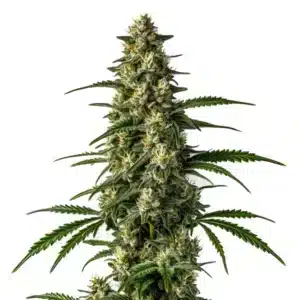
Blue Dream
|
|
THC | 17% - 24% (Medium) |
|
|
Type | Feminized |
|
|
Yield | High |
|
|
Phenotype | 50% Indica / 50% Sativa |
To manage nutrient interactions effectively, consider using high-quality cannabis seeds like those from Blimburn Seeds. Strains such as Blue Dream, Girl Scout Cookies, and Granddaddy Purple are known for their resilience and ability to thrive with proper nutrient management. These strains can be more forgiving if you’re experimenting with different nutrient ratios.
Balancing Nutrients for Optimal Growth
Balancing nutrients is a fundamental practice for any cannabis grower. Achieving the right balance can be the difference between a healthy plant and one that’s struggling. It requires a keen knowing of the nutrient needs of cannabis at various growth stages. During the vegetative phase, nitrogen is crucial, while phosphorus and potassium take center stage during flowering.
Utilize soil tests to understand the existing nutrient levels in your growing medium. This method allows you to tailor your nutrient mix, avoiding the pitfalls of over or under-fertilizing. For instance, if your soil has high calcium levels, you might need to adjust magnesium inputs to prevent nutrient antagonism, a common issue in cannabis cultivation.
Besides to soil tests, a proactive approach involves observing plant behavior under varying nutrient conditions. By closely monitoring leaf coloration, growth patterns, and plant vigor, growers can fine-tune nutrient applications. This hands-on method is part of the best practices for nutrient balance in cannabis cultivation, ensuring each plant receives just what it needs.
Moreover, integrating organic amendments can enhance nutrient uptake by improving soil structure and microbial activity. Organic options like compost and worm castings not only supply nutrients but also help buffer against fluctuations, thus reducing the risk of nutrient antagonism. This approach aligns with the principles of sustainable cannabis farming.
Promos & Deals

Using Quality Nutrients and Supplements
Investing in quality nutrients and supplements can make a significant difference. Products that are specifically designed for cannabis cultivation often include the necessary micronutrients that prevent deficiencies. These nutrients are formulated to work together, minimizing the risk of nutrient antagonism.
Regularly monitor your plants for signs of nutrient deficiencies or toxicities, such as yellowing leaves or burnt tips. These signs can indicate imbalances that need correcting. For example, if you notice signs of magnesium deficiency, it might be due to an excess of calcium, necessitating a recalibration of your feeding regimen.
Additionally, choosing supplements that enhance nutrient absorption, such as chelated minerals, can be advantageous. Chelated nutrients are designed to be more readily absorbed by plant roots, thereby optimizing nutrient uptake in cannabis plants and reducing the likelihood of antagonistic interactions.
Furthermore, the use of beneficial microbes, like mycorrhizal fungi and beneficial bacteria, can enhance nutrient availability and absorption. These organisms form symbiotic relationships with plant roots, effectively expanding the root system’s reach and efficiency. This biological approach is integral to cannabis nutrient interaction management strategies.
Implementing Cannabis Nutrient Interaction Management Strategies
Implementing effective cannabis nutrient interaction management strategies involves a holistic approach. It starts with knowing the specific needs of your chosen cannabis strains. Some strains, like the iconic Blue Dream from Blimburn Seeds, are known for their nutrient tolerance, making them ideal for beginners.
Daily observation is key. Keep a close eye on your plants, looking for any changes in leaf color, growth rate, and overall plant vigor. These observations can guide you in adjusting your nutrient strategy to better suit your plants’ needs.
Incorporating technology, such as automated nutrient delivery systems, can further streamline nutrient management. These systems provide precise control over nutrient dosing, reducing the potential for human error and ensuring consistent nutrient delivery, which is crucial for avoiding nutrient antagonism in cannabis growing tips.
Moreover, staying informed about the latest research and trends in cannabis cultivation can provide valuable insights into effective nutrient management. Engaging with the community through forums, workshops, and seminars can enhance your knowing and implementation of best practices for avoiding nutrient antagonism in cannabis.
Practical Tips for Avoiding Nutrient Antagonism
Consider using reverse osmosis water if you’re dealing with hard water. Excess minerals in tap water can throw off your nutrient balance, leading to antagonism. Reverse osmosis water provides a blank slate, allowing you to precisely control what nutrients your plants receive.
Regular flushing of your growing medium can prevent nutrient build-up. This practice helps to remove excess salts and minerals that can contribute to nutrient antagonism. Flushing is especially important in hydroponic systems where nutrient concentrations can quickly become imbalanced.
Rotating nutrient brands periodically can also help maintain a balanced nutrient profile. Different products have unique formulations, and switching between them can prevent the accumulation of specific elements, thus avoiding imbalances. This strategy can be a vital component of preventing nutrient antagonism in cannabis farming.
Another tip is to maintain detailed records of your nutrient applications and plant responses. By keeping a log, you can identify patterns and potential issues over time, allowing for more informed adjustments and more effective nutrient management practices.
FAQs about best practices for avoiding nutrient antagonism in cannabis
What is nutrient antagonism in cannabis growing?
Nutrient antagonism occurs when an excess of one nutrient inhibits the uptake of another. For instance, too much potassium can reduce magnesium absorption, causing deficiencies. It’s crucial to monitor nutrient levels and adjust them as needed to prevent this issue.
Knowing nutrient interactions is vital for preventing nutrient antagonism in cannabis farming. A balanced nutrient regimen that considers potential interactions can help mitigate these issues, ensuring your cannabis plants receive the nutrients they need.
To effectively combat nutrient antagonism, growers should adopt a comprehensive approach that includes regular testing, observation, and adjustment of nutrient inputs. This proactive stance allows for quick responses to changes in plant health and soil conditions.
Furthermore, education and awareness about the specific nutrient needs and interactions in cannabis cultivation are essential. By staying informed, growers can implement best practices for nutrient balance in cannabis cultivation, ensuring the health and productivity of their plants.
How can I prevent nutrient antagonism in my cannabis plants?
To prevent nutrient antagonism, monitor the nutrient levels regularly and adjust your feeding schedule accordingly. Utilize soil or water tests to understand the existing nutrient profiles. This knowledge allows for precise adjustments to prevent nutrient imbalances.
Additionally, using quality nutrients and following best practices for nutrient balance in cannabis cultivation can significantly reduce the risk of antagonism. Regular plant observation and adjusting nutrients based on plant feedback are essential strategies.
Incorporating regular soil amendments and using balanced fertilizers can also help maintain nutrient harmony. These practices ensure that your growing medium provides a consistent supply of essential nutrients without overwhelming the plants.
Establishing a routine for nutrient management that includes a mix of organic and synthetic inputs can offer the benefits of both approaches. This hybrid method can enhance nutrient uptake while maintaining soil health and preventing nutrient antagonism in cannabis farming.
Are there specific strains that are less prone to nutrient antagonism?
Some cannabis strains are more resilient and can handle nutrient imbalances better than others. Strains like Girl Scout Cookies and Granddaddy Purple from Blimburn Seeds are known for their robustness, making them suitable choices for growers concerned about nutrient issues.
These strains are bred to be hardy and can tolerate a range of growing conditions while still producing high yields. This resilience can be particularly beneficial for first-time growers still mastering their nutrient management approach.
Selecting strains with a reputation for nutrient tolerance can provide a buffer for growers as they refine their skills. These strains allow for a margin of error, making it easier to experiment with different nutrient regimens without significant risk.
Consulting with seed banks and experienced growers can provide valuable insights into which strains are best suited for specific growing environments. This information can guide your choices and help optimize nutrient uptake in cannabis plants.
Can nutrient antagonism affect the quality of my cannabis harvest?
Yes, nutrient antagonism can significantly impact the quality and quantity of your cannabis harvest. Deficiencies caused by antagonism can lead to stunted growth, poor bud development, and reduced cannabinoid and terpene profiles, impacting the plant’s overall quality.
By following cannabis nutrient interaction management strategies, you can mitigate these risks, ensuring a healthy, high-quality harvest. Maintaining a balanced nutrient regimen is key to optimizing nutrient uptake in cannabis plants.
Effective nutrient management not only supports plant health but also enhances the overall sensory experience of the final product. By preventing antagonism, growers can ensure that their cannabis achieves its full potential in terms of potency and flavor.
Implementing a structured approach to nutrient management, one that includes thorough documentation and routine assessments, can safeguard against the negative effects of nutrient antagonism. This disciplined method is crucial for achieving consistent, top-quality harvests.
What role does pH play in nutrient antagonism?
pH levels play a crucial role in nutrient uptake. Each nutrient is absorbed best at specific pH levels, and deviations can lead to nutrient lockout or antagonism. For cannabis, a pH range of 6.0-6.8 in soil and 5.5-6.5 in hydroponics is ideal.
Regularly testing and adjusting the pH of your growing medium helps maintain the right conditions for nutrient absorption, thereby preventing antagonism. This practice is a cornerstone of best practices for avoiding nutrient antagonism in cannabis.
Maintaining optimal pH levels ensures that nutrients remain in their most available forms, facilitating efficient uptake by plant roots. Consistent monitoring and adjustment of pH can prevent fluctuations that lead to nutrient antagonism.
Utilizing pH-stabilizing products or techniques can help maintain the desired pH range over time. These tools can simplify the process of pH management, making it easier to adhere to best practices for nutrient balance in cannabis cultivation.