Does UV Sterilization Light Affect Cannabis Potency? Expert Insights

As cannabis cultivation grows in popularity, growers are always on the lookout for ways to enhance their yields and potency. One method that has sparked interest is using UV sterilization light. But the big question is, does UV sterilization light affect cannabis potency (UV-C risk vs benefit)? Let’s delve into this intriguing topic.
UV sterilization lights, particularly UV-C, are known for their germicidal properties. They can kill bacteria and mold effectively. However, when it comes to cannabis, these lights might do more than just sterilize. The potential impact on potency is a hot topic among growers. Some believe it enhances the plant’s defensive mechanisms, potentially boosting resin production, while others worry about the possible degradation of cannabinoids.
Recommended Strains
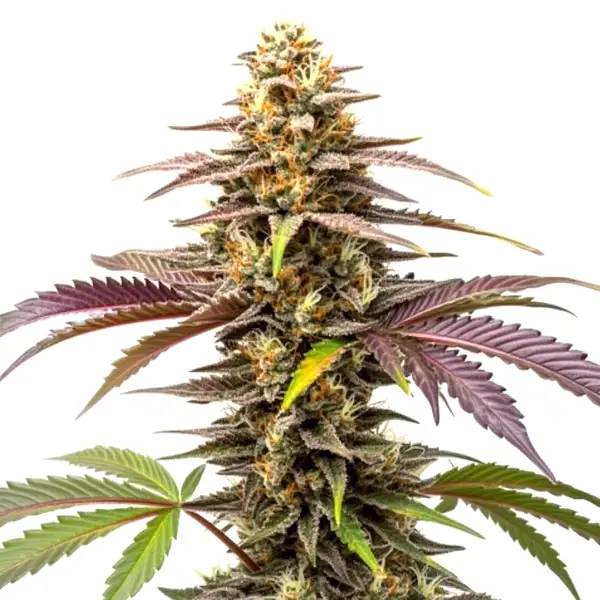
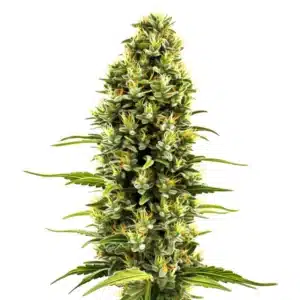
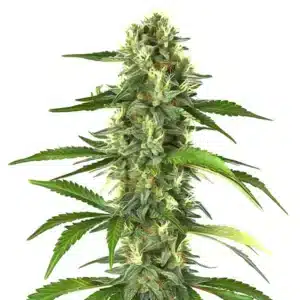
Z OG

|
THC | 16% - 20% (Medium) |

|
Type | Feminized |

|
Yield | High |

|
Phenotype | 75% Indica / 25% Sativa |
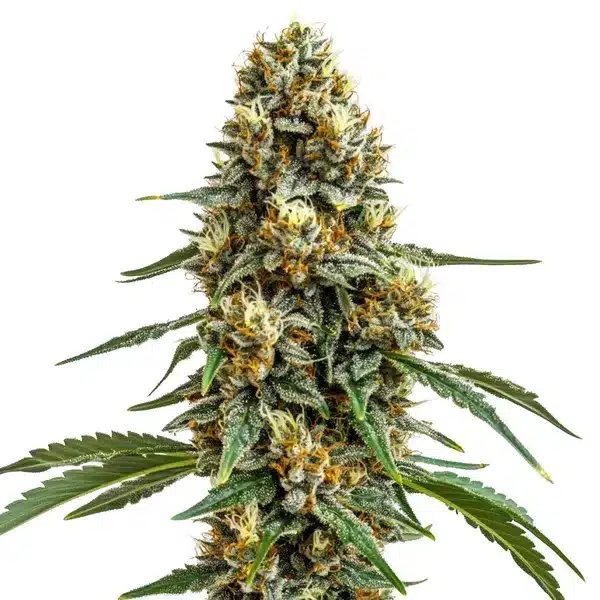
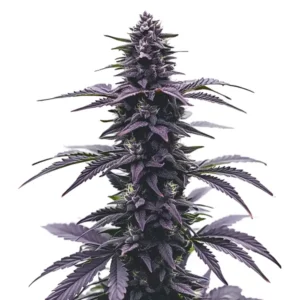
Durban Poison
|
|
THC | 15% - 25% (High) |
|
|
Type | Feminized |
|
|
Yield | High |
|
|
Phenotype | 10% Indica / 90% Sativa |
UV-C exposure risk vs benefit cannabis is a balancing act. While there’s potential for increased potency, there’s also the risk of damaging delicate plant structures. To understand this better, it’s essential to consider both the scientific insights and practical experiences shared by seasoned growers.
UV Sterilization Light and Its Impact
UV sterilization light cannabis potency impact is not straightforward. The science behind UV-C light effects on marijuana potency involves how these lights interact with plant biology. UV-C light is a type of ultraviolet light that’s shorter in wavelength and more energetic than other types, making it effective at breaking down microorganisms.
When asking does UV sterilization light affect cannabis potency, it’s important to understand that UV-C exposure can also influence the delicate compounds within the plant, including cannabinoids and terpenes, depending on intensity and duration.
When cannabis plants are exposed to UV-C light, they may trigger a stress response. This response can lead to an increase in certain cannabinoids and terpenes as the plant attempts to protect itself. However, excessive exposure can harm the plant, leading to reduced yields and compromised potency. Blimburn Seeds Blue Dream strain, known for its robust growth and potency, could potentially benefit from controlled UV-C exposure, enhancing its rich terpene profile.
Besides to these biological interactions, the timing and duration of UV-C exposure are crucial. Short, controlled bursts can stimulate the plant’s natural defenses without overwhelming it, while prolonged exposure might cause irreversible damage. This delicate balance is essential for growers aiming to optimize the UV sterilization light cannabis potency impact.
Moreover, environmental factors like humidity and temperature can also play a significant role in how effective UV-C light exposure can be. Growers must consider these variables to maximize benefits while minimizing risks, ensuring that UV light sterilization marijuana potency concerns are addressed comprehensively.
Promos & Deals


Practical Experiences from Growers
Many experienced growers have shared their insights on how cannabis potency changes due to UV sterilization. Some have reported a noticeable increase in resin production, suggesting a potential benefit. However, they emphasize the importance of controlling exposure time and intensity to avoid negative effects.
For instance, growers cultivating Blimburn Seeds Z OG strain, prized for its unique flavor and high THC content, might experiment with brief UV-C exposure during the late flowering stage. This can potentially enhance the strain’s already potent qualities without risking damage.
These growers often rely on trial and error to find the optimal exposure levels, keeping detailed records of their observations. This methodical approach allows them to fine-tune their practices, ensuring that UV-C light effects on marijuana potency are maximized while minimizing potential drawbacks.
Furthermore, community forums and grower networks serve as valuable resources for sharing experiences and tips about does UV sterilization light affect cannabis potency. By exchanging knowledge, growers can collectively refine their techniques and better understand the complex dynamics of cannabis potency changes due to UV sterilization.
Finding the Right Balance
Achieving the desired cannabis potency change due to UV sterilization requires precision. Growers need to consider the specific needs of each strain. Some strains may respond positively to UV-C exposure, while others might be more sensitive. It’s a trial-and-error process that requires careful observation and adjustments.
For those growing Blimburn Seeds Durban Poison, a strain known for its energetic high, a balanced approach to UV-C exposure can help maintain its potency while ensuring plant health. Short, controlled bursts of UV-C light can be beneficial, but it’s crucial to monitor the plant’s response closely.
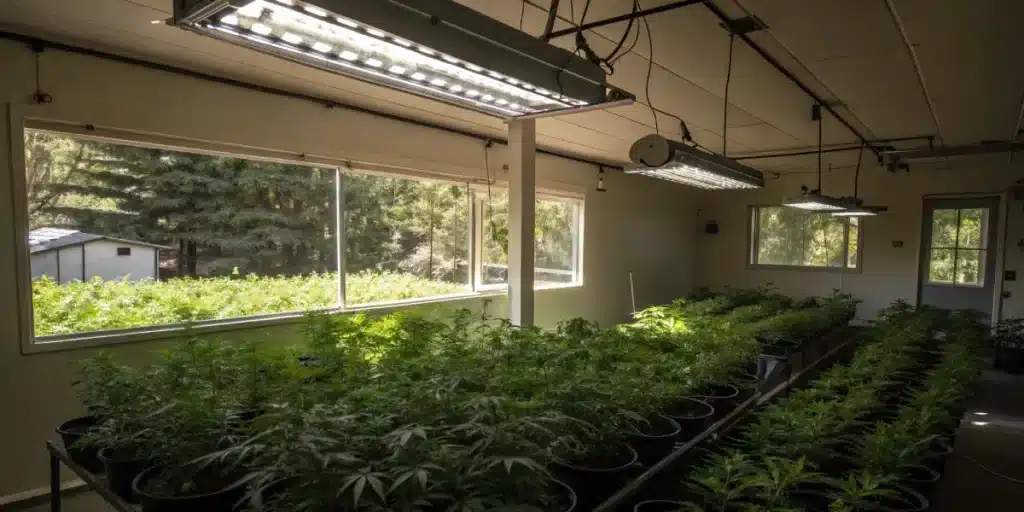
Advanced growers often employ tools like light meters and timers to ensure consistent exposure levels, reducing the risk of overexposure. This technology aids in achieving a precise balance, helping growers optimize UV-C exposure risk vs benefit cannabis outcomes.
Additionally, knowing the strain’s genetic background can provide insights into its potential reaction to UV-C light. By leveraging genetic knowledge, growers can make informed decisions that enhance the positive effects of UV sterilization light cannabis potency impact.
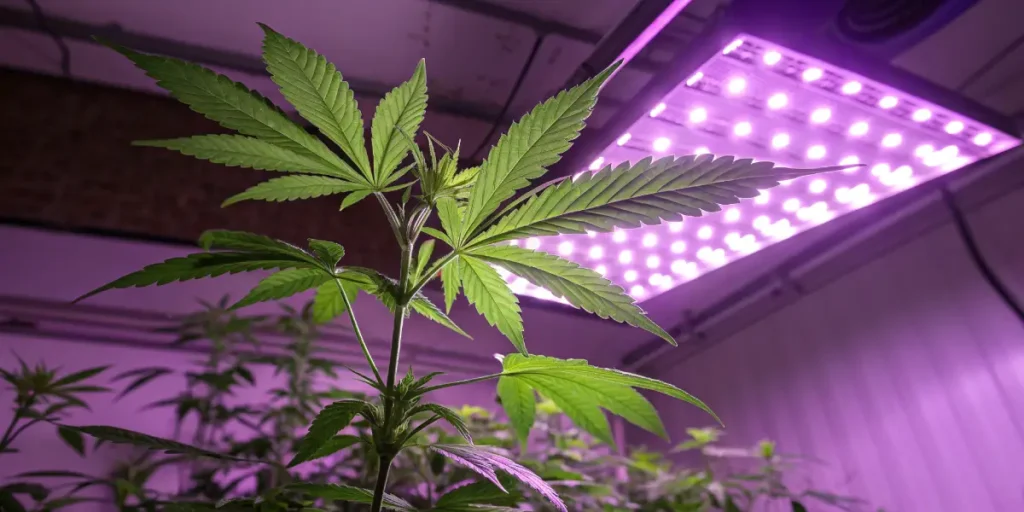
FAQs about does UV sterilization light affect cannabis potency
How does UV-C light affect cannabis potency?
UV-C light can potentially increase cannabis potency by inducing a stress response in the plant. This response may lead to higher resin production as the plant attempts to protect itself. However, this is not guaranteed and depends on several factors, including the strain and environmental conditions.
While some growers have reported positive changes in potency, others have noted adverse effects when UV-C exposure is not carefully controlled. It’s essential to start with low exposure levels and observe how the plants react before making adjustments.
Growers should also consider external factors such as nutrient availability and overall plant health, as these can influence how effectively UV-C light effects on marijuana potency manifest. Ensuring a holistic approach to plant care can amplify the benefits of UV exposure.
Moreover, integrating UV-C light exposure with other cultivation techniques, like pruning and nutrient management, can help create a synergistic effect, further enhancing cannabis potency change due to UV sterilization.
Are there risks associated with using UV-C light on cannabis?
Yes, there are risks. Excessive UV-C exposure can damage plant tissues, leading to reduced yields and compromised potency. It can also negatively impact the photosynthesis process if not managed carefully.
To minimize these risks, growers should use UV-C lights sparingly and always monitor their plants for signs of stress or damage. This involves regular checks and adjustments to the exposure levels as needed.
Implementing a gradual increase in exposure time allows plants to acclimate to UV-C light, reducing the likelihood of adverse effects. This careful approach helps balance UV-C exposure risk vs benefit cannabis considerations effectively.
Additionally, protective measures like using reflective surfaces to distribute light evenly can mitigate some of the risks associated with UV sterilization light cannabis potency impact, ensuring more uniform plant responses.
Which cannabis strains benefit most from UV-C exposure?
Strains with robust genetic profiles, such as Blimburn Seeds’ Blue Dream, Zkittlez, and Durban Poison, tend to respond better to UV-C exposure. These strains have shown resilience and the capacity to enhance their potency when exposed to controlled UV-C light.
However, it’s important to remember that each plant is unique, and results can vary. Growers should experiment cautiously and document their findings to determine what works best for their specific setup.
Knowing the specific growth patterns and genetic makeup of each strain can provide insights into their potential responses to UV-C light. This knowledge empowers growers to tailor their approaches, optimizing UV light sterilization marijuana potency concerns.
Moreover, collaborating with breeders and utilizing strain-specific data can enhance the precision of UV-C light applications, ensuring that only strains with a high likelihood of positive responses are selected for UV exposure.
How can growers safely implement UV-C light in their cannabis cultivation?
To safely use UV-C light, growers should start with short exposure times, gradually increasing as they observe positive plant responses. It’s also crucial to ensure the lights are installed at a safe distance from the plants to prevent direct damage.
Using timers and light meters can help maintain consistent exposure levels. Additionally, protective gear should be worn by anyone working with UV-C lights to prevent harm from direct UV exposure.
Incorporating automated systems can further enhance safety by ensuring precise control over exposure times and intensity. This automation reduces human error and ensures consistent application of UV sterilization light cannabis potency impact.
Furthermore, regular maintenance of UV-C equipment is essential to ensure optimal performance and prevent malfunctions that could lead to unintended exposure levels, safeguarding both plant health and grower safety.
Do all cannabis plants react the same way to UV-C exposure?
No, cannabis plants don’t all react the same way to UV-C exposure. The response can vary widely depending on the strain, with some benefiting more than others. Environmental factors and the overall health of the plant also play significant roles in how UV-C exposure affects them.
Growers should remain attentive and responsive to their plants’ needs, adjusting UV-C exposure based on individual plant responses. This personalized approach ensures the best possible outcomes in terms of both plant health and potency.
Documenting each plant’s response to UV-C exposure allows growers to build a valuable database of information, helping refine future cultivation strategies. This data-driven approach enhances the knowing of UV-C light effects on marijuana potency.
By fostering an adaptive cultivation environment, growers can ensure that each plant reaches its full potential, maximizing the benefits while minimizing the risks associated with UV sterilization light cannabis potency impact.