Grow Tent Humidifier: DIY Setup and How to Choose the Best One

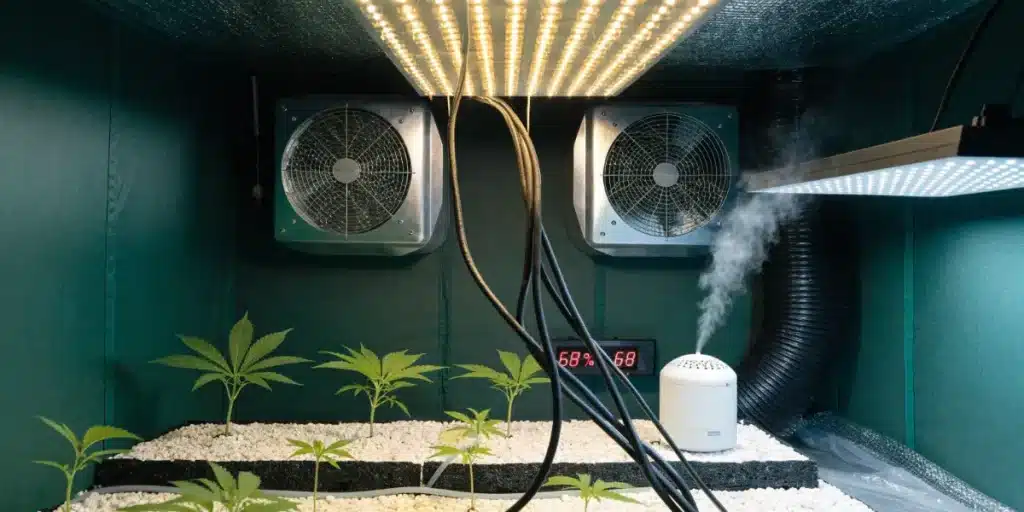
A grow tent humidifier adds moisture to the dry air that indoor lights and extraction fans create, keeping your plants transpiring and feeding properly. You can buy one or build your own, and this guide covers both: a cheap, effective DIY setup and how to pick the best humidifier for your tent size. Pairing it with a hygrometer, or a humidistat that reads vapor pressure deficit (VPD), keeps humidity dialed in automatically.
Humidity matters as much as light and nutrients, especially early on: seedlings and clones thrive at 65-70% RH and struggle in dry air. The target then drops as the plant matures, so the goal is control at every stage. Here is exactly what each stage needs:
Recommended Strains

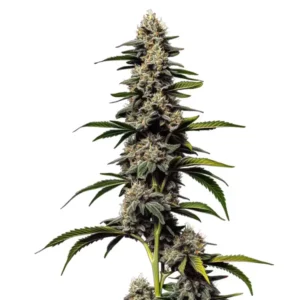
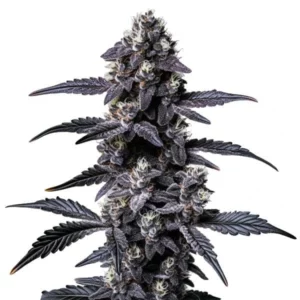
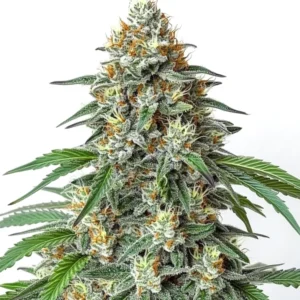
HellFire OG

|
THC | 28% - 30% (High) |

|
Type | Feminized |

|
Yield | High |

|
Phenotype | 45% Indica / 55% Sativa |

Hellfire OG Auto
|
|
THC | 24% - 30% (High) |
|
|
Type | Autoflowering |
|
|
Yield | High |
|
|
Phenotype | 70% Indica / 30% Sativa |
| Growth stage | Ideal relative humidity (RH) |
|---|---|
| Seedling / clone | 65-70% |
| Vegetative | 50-60% |
| Early flowering | 40-50% |
| Late flowering / pre-harvest | 40-45% |
A humidifier does its heaviest work early, when seedlings and clones drink moisture through their leaves. As the plant matures you actually want less humidity, which is where a dehumidifier takes over in late flower.
Why Use a Humidifier in Your Grow Tent?
Benefits of a Humidifier for Cannabis
The clearest benefit of a humidifier shows up at the start. Seedlings and fresh clones have tiny or no root systems, so they drink moisture straight through their leaves. Holding 65-70% RH lets them do that efficiently, which drives faster rooting, less transplant shock and stronger early growth.
Beyond the seedling phase, steady humidity keeps plants from stressing in either direction. Air that is too dry forces plants to close their stomata and slow down, while swings in RH invite problems and stunt growth. A stable environment protects yield and potency far more reliably than reacting to problems after they appear.
A humidifier also makes your whole setup easier to manage. Consistent moisture means fewer wilting scares, more even watering intervals, and healthier leaf surfaces that photosynthesize better. For growers in dry climates or running powerful LEDs and extraction, it is often the single piece of gear that turns an inconsistent tent into a predictable one.
DIY vs Commercial Humidifiers
A DIY humidifier is the budget route: a plastic container, a fan and some wicking material give you passive moisture for a few dollars, and you can scale it up or down as your plants change. Commercial units cost more but add convenience, higher output and, with a humidistat, hands-off automation. The right choice comes down to tent size, climate and budget, which the comparison below breaks down.
Promos & Deals

How to Make a DIY Grow Tent Humidifier
Materials Needed
Everything you need is cheap and easy to find at a hardware store or online:
- A plastic container to act as a water reservoir
- A small clip-on or USB fan
- Wicking material (a towel, felt strips or a sponge)
- Clean water (distilled is best)
- A hygrometer to check RH (optional but recommended)
The principle is simple: the wick draws water up out of the container, the fan blows across the damp material, and that airflow speeds evaporation, releasing moisture into the tent. More wick surface and more airflow mean more humidity, so the setup scales to your tent size.
Step-by-Step Guide
- Fill the container with water and drape the wicking material over the edge, keeping one end fully submerged.
- Position the fan so it blows gently across the exposed, damp part of the wick.
- Place the setup inside the tent, below and to the side of your plants (not directly on the canopy).
- Check your hygrometer after 30-60 minutes and note the RH.
- Fine-tune: add more wicks or a faster fan to raise humidity, or reduce them if it climbs too high.
| Feature | DIY humidifier | Commercial humidifier | Integrated system |
|---|---|---|---|
| Cost | $10-$20 | $50-$200 | $300-$500 |
| Customization | High | Medium | Low |
| Ease of use | Moderate | Easy | Easy |
| Maintenance | Low | Medium | High |
| Scalability | Flexible | Fixed | Fixed |
Choosing the Best Humidifier for Your Grow Tent
If DIY is not enough, matching the humidifier to your space is what separates a good buy from a frustrating one. The main question is output versus tent size: a small 2×2 tent needs far less than a 4×4 or a full grow room. Undersize it and RH never climbs; oversize it and you fight mold. Use this quick comparison to find the right type: “
| Humidifier type | Best for | Output / capacity | Notes |
|---|---|---|---|
| DIY (container, wick and fan) | Small tents, tight budgets | Low, passive | ~$10-20; great for a 2×2 or a single seedling dome |
| Ultrasonic humidifier | 2×2 to 4×4 tents | 1-6 L tank | Quiet, fine mist; use distilled water to avoid white dust |
| Evaporative humidifier | 4×4 tents and small grow rooms | Larger tank / higher output | Cooler mist, needs a wick filter changed periodically |
| Commercial / inline + humidistat | Grow rooms and multi-tent setups | 2+ gallons | Precise, automated control; higher cost |
For most home growers, an ultrasonic humidifier with a decent tank hits the sweet spot of price, quiet operation and control, especially paired with a humidistat so it switches off once you hit target RH. Reserve evaporative or commercial units for larger rooms. Whatever you pick, size it to your biggest tent and always run distilled water to keep it clean.
Best Practices for Humidity Control
Monitoring and Adjustments
Keep a hygrometer at canopy height and check it daily against the stage targets in the chart above. To adjust a DIY unit, change the wick surface or fan speed; for a commercial one, set the humidistat. Small, frequent tweaks beat big corrections, which tend to overshoot.
Let the plants and the hygrometer guide you: dry, curling leaf tips mean you need more humidity, while condensation on the walls or any musty smell means you have too much. Make changes gradually, and clean or replace the wick on a DIY unit regularly, since a damp sponge or cloth is exactly where mold likes to start.
Humidifiers for Larger Grow Rooms
Scaling up from a tent to a room changes the math: aim for a commercial humidifier with at least a 2-gallon capacity, ideally with a built-in humidistat for precise, hands-off control. Match the capacity to your square footage so you avoid the two failure modes, an undersized unit that never reaches target, or an oversized one that pushes RH into mold territory.
For the hardware itself, an ultrasonic humidifier is quiet and efficient, while evaporative models resist mineral buildup; either way, fill it with distilled water to avoid white dust settling on your leaves. Place it away from the plants and the direct airflow path, and wire it to a humidistat so it switches off automatically once the room hits target.
Pro Tips for Humidity Control
- Target 65-70% RH for seedlings and step down as the plant grows; below 60% can slow early development.
- Keep a hygrometer in the tent at canopy height and read it daily; mold thrives above 65% in flower.
- Use distilled water to stop mineral scale from clogging wicks and to avoid white ultrasonic dust.
- Adjust fan speed to control output, higher speed dries the air faster, lower speed spreads moisture more evenly.
- Clean the reservoir weekly; stagnant water breeds bacteria and mold that can reach your plants.
- Switch to a dehumidifier in late flower if RH creeps over 55-60% to protect dense buds from rot.

FAQs: Grow Tent Humidifiers
Should I put a humidifier in my grow tent?
Usually yes, especially in dry climates or under strong LEDs and extraction. A grow tent humidifier holds seedlings at 65-70% RH and keeps levels steady as needs drop to 40-50% in flower. Without one, humidity swings stress plants and cut yields. In naturally humid rooms you may need a dehumidifier instead.
How do I humidify my grow tent?
You can build a DIY humidifier from a water container, a wick and a small fan, or buy an ultrasonic or evaporative unit sized to your tent. Both raise humidity by adding water vapor to the air. Keep a hygrometer inside and adjust output to hold 65-70% RH for seedlings, less as they mature.
What makes a DIY humidifier effective?
The two levers are evaporation surface and airflow. More wicking material exposed to a fan releases more moisture, so you tune RH by adding wicks or raising fan speed. That flexibility, plus a near-zero cost, is what makes a DIY humidifier effective for small tents and seedling stages in particular.
Can I use a commercial humidifier in a grow tent?
Absolutely, and for most growers an ultrasonic unit with a humidistat is the best humidifier for a grow tent thanks to its quiet, precise control. The key is sizing: pick a capacity that matches your tent so you avoid over-humidifying, which invites mold, or undersizing, which never reaches your target RH.
How often should I clean my DIY humidifier?
Clean it at least weekly, and refresh the water every few days. Stagnant water grows bacteria and mold that can spread to your plants, and mineral scale clogs the wick over time. Empty the reservoir, wipe it out, and use distilled water to keep the system running cleanly and efficiently. Humidity control does not stop at the humidifier.
Once buds fatten up you will want to lower RH, so it is worth reading our guides on the best dehumidifier for a grow tent and on curing cannabis at the right humidity.