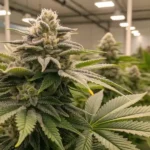
Discover The Secrets of Nutrient Deficiencies in Cannabis

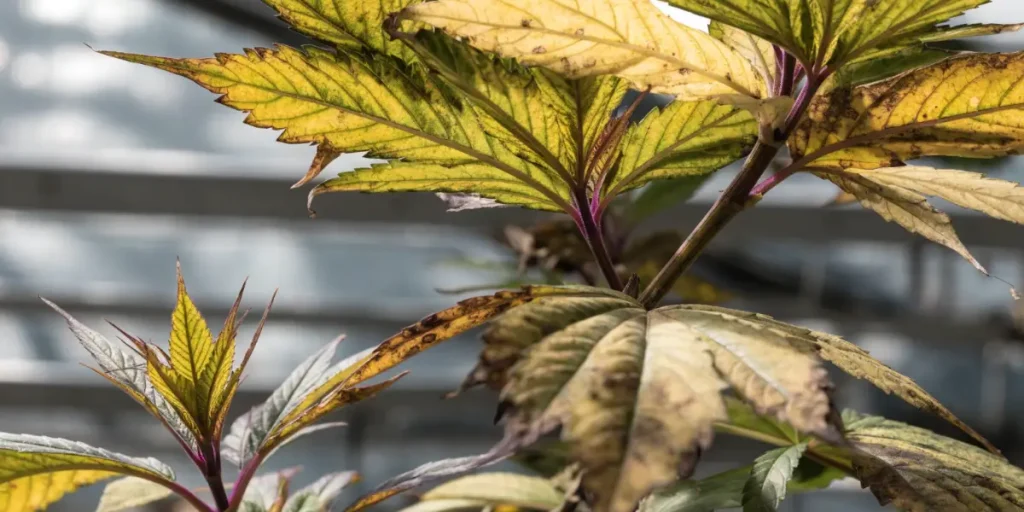
Cannabis nutrient deficiencies show up as telltale changes in the leaves, and the pattern points to the missing nutrient: nitrogen yellows the lower, older leaves first; phosphorus darkens leaves with purple stems; potassium burns and browns leaf edges; magnesium causes interveinal yellowing; and calcium leaves brown spots on newer growth. The single most important fix is to check and correct root-zone pH first (about 6.0-6.5 in soil), because when pH drifts, nutrients get ‘locked out’ and the plant shows deficiency symptoms even when the nutrients are present. Diagnose by leaf pattern and location, fix pH, then adjust feeding, and watch new growth to confirm recovery.
Deficiency Symptom Chart
Match the leaf symptom to the nutrient:
Recommended Strains

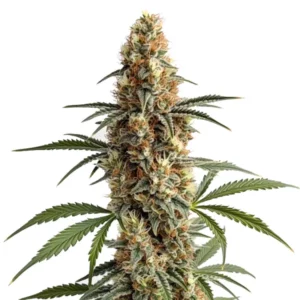
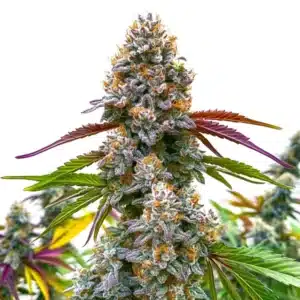
Green Crack

|
THC | 21% (Medium) |

|
Type | Feminized |

|
Yield | High |

|
Phenotype | 35% Indica / 65% Sativa |

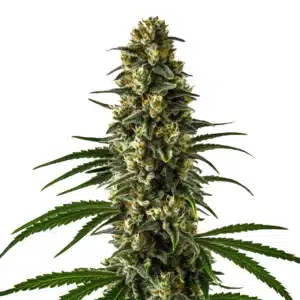
Green Crack Auto
|
|
THC | 18% - 20% (Medium) |
|
|
Type | Autoflowering |
|
|
Yield | High |
|
|
Phenotype | 50% Indica / 50% Sativa |
| Nutrient | Typical symptom | Where |
|---|---|---|
| Nitrogen (N) | Uniform yellowing, leaves drop | Lower/older leaves first |
| Phosphorus (P) | Dark/bluish leaves, purple stems | Older leaves |
| Potassium (K) | Burnt, brown leaf edges/tips | Older leaves |
| Magnesium (Mg) | Interveinal yellowing (green veins) | Lower leaves |
| Calcium (Ca) | Brown/rust spots | Newer growth |
| Iron (Fe) | Yellowing between veins | New top growth |
Promos & Deals
Why Nutrients Matter (Mobile vs Immobile)
Cannabis needs a balance of macronutrients (nitrogen, phosphorus, potassium) and secondary and micro nutrients (calcium, magnesium, sulfur, iron and others) to grow and flower well. A useful rule for diagnosis is that ‘mobile’ nutrients like nitrogen, phosphorus, potassium and magnesium can be moved by the plant from old leaves to new growth, so their deficiencies show up on the lower, older leaves first.
‘Immobile’ nutrients like calcium, iron and sulfur cannot be relocated, so their deficiencies appear on the newest top growth. Knowing this split lets you narrow a problem quickly just by noting whether the damage is low or high on the plant, which, combined with the exact symptom, usually points straight to the nutrient involved.
How pH Causes ‘Fake’ Deficiencies
Before adding any nutrients, check pH, because wrong pH is the most common hidden cause of deficiency symptoms. Cannabis roots only absorb nutrients within a specific pH range (about 6.0-6.5 in soil, lower in hydro/coco), and when pH drifts outside it, nutrients become ‘locked out’ and unavailable even though they are physically present in the medium. The plant then shows classic deficiency signs, and growers who respond by adding more nutrients often make things worse.
Always test the pH of your water and runoff first: if it is off, correct it and the locked-out nutrients become available again, often resolving the ‘deficiency’ without adding anything. Only once pH is right should you adjust actual feeding levels.
Deficiency vs Nutrient Burn vs Light Burn
Not every damaged leaf is a deficiency. Nutrient burn is the opposite problem, overfeeding, and shows as burnt, brown or ‘clawing’ leaf tips, often on healthy, dark-green plants. Light burn bleaches and curls the top leaves nearest the lamp. True deficiencies follow the mobile/immobile pattern above and usually involve yellowing or spotting rather than just burnt tips.
So before acting, ask three questions: is it the tips (likely nutrient burn), the top canopy nearest the light (likely light burn), or a color/pattern change by leaf age (likely a deficiency or pH issue)? Getting this right avoids the common mistake of feeding more when the plant actually needs less, or needs a pH fix. See our guides to cannabis leaf problems and light burn.
Preventing Deficiencies
Prevention is mostly about consistency. Start in good soil or a quality medium, use a balanced nutrient line suited to the plant’s stage (more nitrogen in veg, more phosphorus and potassium in flower), and feed to the plant’s needs rather than overdoing it. Keep pH in range every time you water, and keep an eye on EC/strength if you measure it. Cal-mag supplements help in coco and soft-water situations where calcium and magnesium run short.
Monitor new growth regularly so you catch a change early, when it is easy to correct. Healthy roots in well-draining, living soil also buffer against swings. Build these habits and most deficiencies never get started. For a strong foundation, see our guide to organic soil.
The Bottom Line on Cannabis Nutrient Deficiencies
Cannabis nutrient deficiencies are readable from the leaves: note whether the problem is on old lower leaves (mobile nutrients like N, P, K, Mg) or new top growth (immobile nutrients like Ca, Fe, S), match the exact symptom to the nutrient, and act. Crucially, check and fix root-zone pH (about 6.0-6.5 in soil) first, since lockout mimics deficiency.
Distinguish true deficiencies from nutrient burn (overfeeding) and light burn (top-canopy bleaching). Correct pH, adjust feeding to the stage, and judge success by healthy new growth. Caught early, plants bounce back quickly.
FAQs
What are the most common nutrient deficiencies in cannabis?
Nitrogen (yellowing lower leaves), magnesium and calcium (‘cal-mag’, interveinal yellowing and brown spots), potassium (burnt leaf edges) and phosphorus (dark leaves, purple stems) are the most common. Iron and sulfur deficiencies show on new top growth. Note the symptom and whether it is on old or new leaves to identify the culprit.
What pH do cannabis plants need to absorb nutrients?
About 6.0-6.5 in soil, and roughly 5.5-6.0 in hydro or coco. Within that range roots absorb nutrients efficiently; drift outside it and nutrients get locked out, causing deficiency symptoms even when nutrients are present. Always check pH before adding more feed, since pH is the most common hidden cause.
Is it a deficiency or nutrient burn?
Nutrient burn (overfeeding) shows as burnt, brown or clawing leaf tips on otherwise healthy, dark-green plants. A deficiency usually shows yellowing or spotting following the old-leaf/new-leaf pattern for the nutrient involved. If the tips are burning, feed less; if color or pattern is changing by leaf age, check pH and feeding levels.
How can I prevent nutrient deficiencies?
Start in quality soil, use a balanced stage-appropriate nutrient line, keep pH in range every watering, add cal-mag where needed (coco/soft water), and avoid overfeeding. Monitor new growth so you catch changes early. Healthy roots in well-draining, living soil buffer against swings, so most deficiencies never get started.