Difference Between Tissue and Sap Analysis in Cannabis Plants

Grasping the subtle nuances of cannabis cultivation can be the key to unlocking superior growth and yield. Among those nuances, tissue and sap analysis stand out as essential diagnostic tools for growers. These methods help in deciphering the nutritional health of cannabis plants, ensuring they are neither underfed nor overfed. Let’s dive into the difference between tissue and sap analysis and see how they can benefit your cannabis plants.
Grasping tissue analysis in cannabis cultivation
Tissue analysis is a method used by cannabis cultivators to assess the nutrient content directly within the plant leaves. This approach provides a snapshot of what the plant has absorbed over time. By analyzing the nutrient levels within the plant tissue, growers can pinpoint deficiencies or toxicities that might not be apparent through visual inspection alone.
Recommended Strains
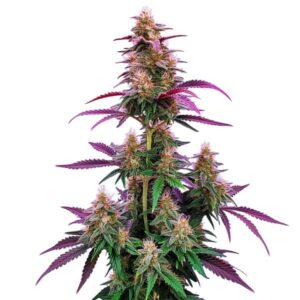
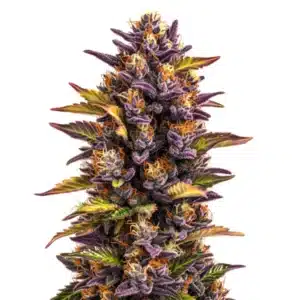
Pink Runtz

|
THC | 20% - 24% (Medium) |

|
Type | Feminized |

|
Yield | Low |

|
Phenotype | 50% Indica / 50% Sativa |
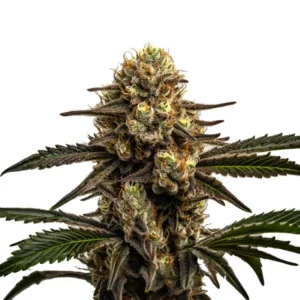
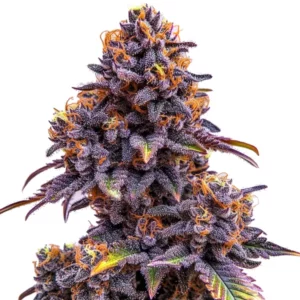
Apple Fritter
|
|
THC | 22% - 25% (Medium) |
|
|
Type | Feminized |
|
|
Yield | Medium |
|
|
Phenotype | 60% Indica / 40% Sativa |
The process of tissue analysis
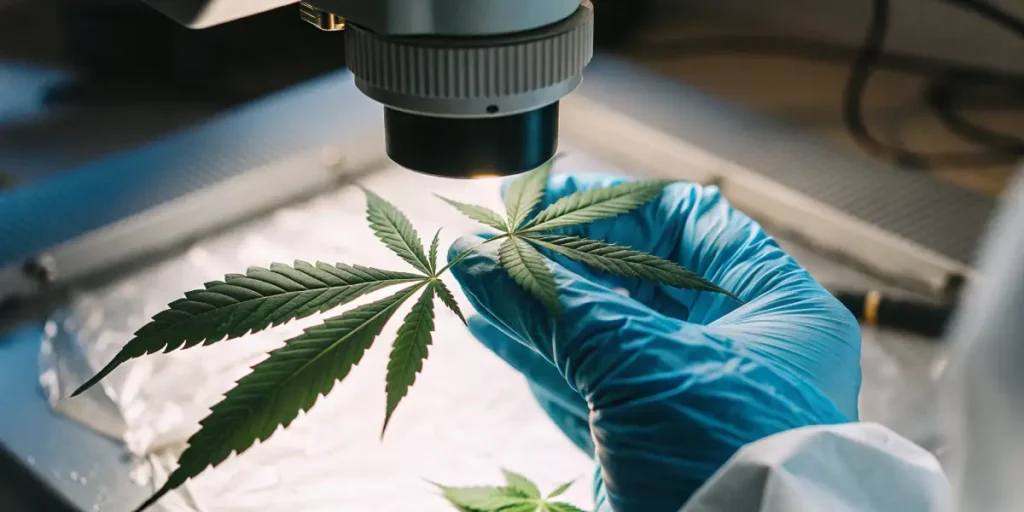
In tissue analysis, samples are taken from specific parts of the plant, usually the recently matured leaves. These samples are then sent to a lab where they are dried, ground, and analyzed for nutrient content. This process provides a detailed report on macro and micronutrient levels, which helps in making informed decisions about nutrient management.
For instance, if you’re growing Pink Runtz, grasping the tissue nutrient levels can be crucial. This strain, known for its intense aroma and strong genetics, might require specific nutrient adjustments to achieve optimal yields.
Benefits of tissue analysis
- Provides historical nutrient data that reflects long-term nutrient uptake.
- Helps identify nutrient imbalances, aiding in precise nutrient adjustments.
- Supports the health of demanding strains like Apple Fritter, ensuring they thrive.
Tissue analysis can be particularly beneficial for new growers who are still learning what their specific strains require. Whether you’re nurturing a Mimosa F1 or a Velvet Lushers, monitoring tissue health is vital.
Promos & Deals

Exploring sap analysis for cannabis health
Sap analysis offers a dynamic view of a plant’s current nutrient status. Unlike tissue analysis, sap analysis measures the nutrients present in the plant’s sap, akin to a plant’s bloodstream. This method provides real-time data, allowing for swift adjustments to nutrient regimens.
The process of sap analysis
To perform sap analysis, growers extract sap from the petioles of the leaves. This sap is then analyzed to determine the concentration of nutrients. The results offer a real-time glimpse into what the plant is absorbing and utilizing at that moment, enabling growers to make immediate corrective actions if needed.
For example, if your Tropicana Cookies Purple Auto plants show signs of nutrient stress, sap analysis can quickly identify whether the issue is due to a deficiency or an excess, allowing for timely interventions.
Advantages of sap analysis
- Provides real-time nutrient status, enabling quick corrective actions.
- Helps prevent nutrient lockout by identifying imbalances immediately.
- Ideal for fast-growing strains like Slurricane, where timing is critical.
With sap analysis, experienced growers can fine-tune their feeding schedules to meet the precise needs of their plants, ensuring optimal growth conditions.
Comparing cannabis plant tissue vs sap analysis
While both tissue and sap analysis provide valuable insights, they serve different purposes in cannabis cultivation. Grasping these differences can guide you in choosing the right method for your growing needs.
Key differences and considerations
- Timing: Tissue analysis offers a historical view, while sap analysis provides real-time data.
- Data type: Tissue analysis reflects cumulative nutrient uptake, whereas sap analysis shows current nutrient flow.
- Application: Use tissue analysis for long-term nutrient management and sap analysis for immediate adjustments.
For strains like Cereal Milk, which may require specific nutrient balances to enhance their terpene profile, using both methods can ensure a comprehensive grasp of plant health.
FAQs about Difference between tissue and sap analysis in cannabis plants
What is the primary difference between tissue and sap analysis?
The primary difference between tissue and sap analysis lies in the timing of the data they provide. Tissue analysis offers a historical overview of what nutrients the plant has absorbed over time, helping growers plan future nutrient regimens.
Sap analysis, however, provides real-time data on the nutrients currently flowing through the plant, allowing for quick corrective actions. Both methods are valuable for maintaining balanced nutrition.
How often should tissue and sap analysis be conducted?
The frequency depends on your cannabis crop and growing conditions. Tissue analysis is often done at key stages—like during vegetative growth and early flowering—to track long-term trends.
Sap analysis can be conducted more frequently, such as weekly or biweekly, to react quickly to nutrient changes, especially in vigorous strains like Berry Zkittlez.
Can both tissue and sap analysis be used together for cannabis plants?
Absolutely. Combining both provides a full picture of plant health. Tissue analysis helps you grasp long-term nutrient absorption, while sap analysis shows current status. Together, they ensure your Red Dragon plants get everything they need to flourish.
Are there specific strains that benefit more from one type of analysis?
Fast-growing strains like Lemon Cherry Gelato often benefit from sap analysis because they respond quickly to nutrient shifts.
In contrast, resilient, slower-growing cultivars like Blackberry Moonrocks may rely more on periodic tissue testing to maintain balanced nutrition.
How do environmental factors impact the choice between tissue and sap analysis?
Environmental factors such as temperature, humidity, and light intensity play a big role. In fluctuating grow spaces, sap analysis helps growers make quick nutrient corrections.
In stable, controlled environments—ideal for strains like Jelly Bean Regular—tissue analysis may be enough to ensure consistent results. Ultimately, the best choice depends on your environment and the needs of your cannabis plants.