Determining the Ideal Number of Cannabis Plants to Grow

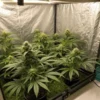
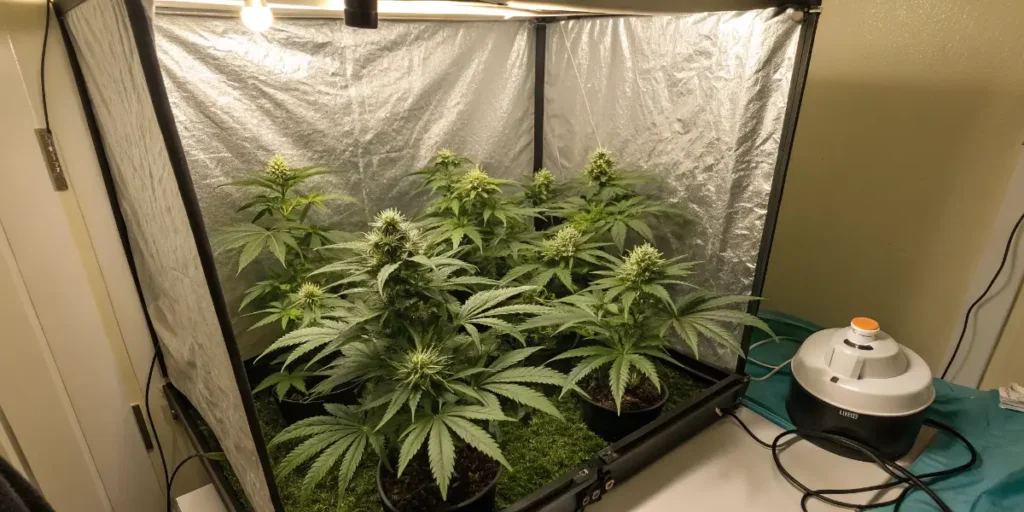
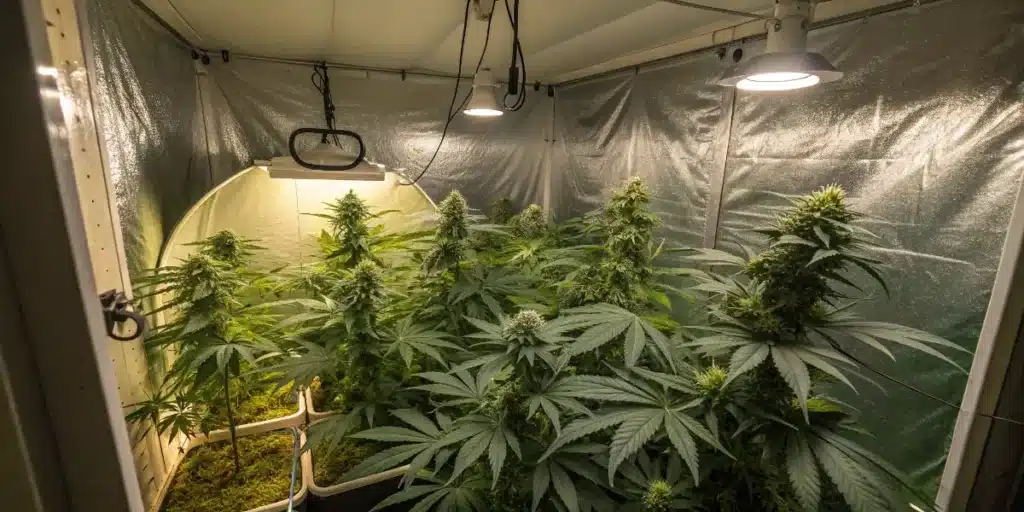
Optimal Grow Space: When determining the ideal number of cannabis plants to grow, consider factors such as available space, light intensity, and legal restrictions. Typically, a 4×4 grow tent can support 4-6 plants, ensuring optimal yield without overcrowding. By knowing these elements, growers can tailor their cultivation strategy to meet specific needs and maximize productivity.
When planning your cannabis garden, focus on terpene profiles and flowering times. For instance, strains like Super Lemon Haze offer a citrusy aroma due to its high limonene content, while flowering in about 9-10 weeks. Tailoring your grow setup to the unique characteristics of each strain can enhance both yield and quality.
Recommended Strains

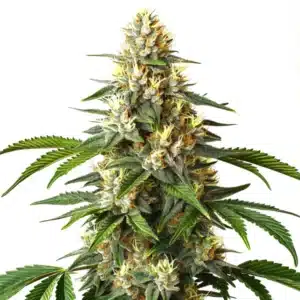
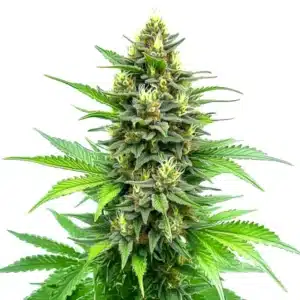
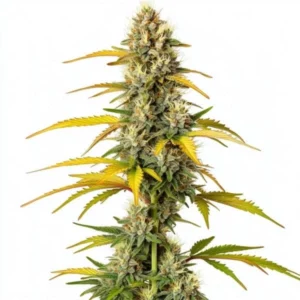
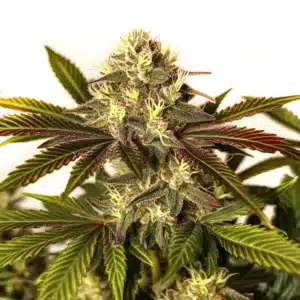
Hindu Kush Autoflower

|
THC | 22% - 24% (High) |

|
Type | Autoflowering |

|
Yield | Medium |

|
Phenotype | 90% Indica / 10% Sativa |

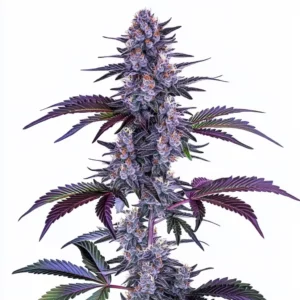
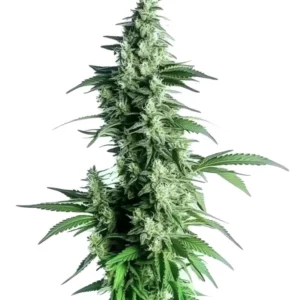
Super Lemon Haze
|
|
THC | 19% (Medium) |
|
|
Type | Feminized |
|
|
Yield | High |
|
|
Phenotype | 20% Indica / 80% Sativa |
Factors Influencing the Number of Cannabis Plants
Space and Light Considerations
The size of your grow space is a critical factor. A 4×4 foot area typically accommodates 4-6 plants, allowing each to receive adequate light and airflow. Light intensity, measured in µmol/m²/s, should ideally range between 800-1000 for optimal photosynthesis. Overcrowding can reduce light penetration, leading to lower yields.
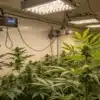
Experienced growers often recommend using LED lights for energy efficiency and optimal spectrum control. LEDs can be adjusted to maintain a 20/4 light schedule for vegetative growth and a 12/12 schedule for flowering. This ensures plants develop robustly without excessive energy consumption.
Legal Restrictions and Compliance
Legal constraints vary by location and can significantly impact your grow. In some regions, you may be limited to cultivating a certain number of plants, such as six per household. Compliance with local laws is crucial to avoid penalties, which can range from fines to more severe legal actions.
Many cultivators emphasize the importance of staying informed about local regulations. Regularly checking legal updates ensures you remain compliant and can plan your cultivation activities accordingly. Ignoring these rules can result in the loss of your crop and potential legal consequences.
Promos & Deals

Determining the Ideal Number of Cannabis Plants to Grow
Calculating Based on Grow Space
To calculate the ideal number of plants, consider both the square footage of your grow area and the growth characteristics of your chosen strains. For example, indicas like Hindu Kush Auto are more compact, allowing for denser planting, while sativas like Hawaiian Snow require more space due to their taller structure.
Master growers suggest a plant density of about 1 plant per square foot for indicas and 1 plant per 2 square feet for sativas. This spacing ensures adequate light distribution and airflow, which are essential for preventing mold and promoting healthy growth.
Adjusting for Indoor vs Outdoor Cultivation
Indoor cultivation allows for more control over environmental conditions, but space is often limited. Brands like Blimburn Seeds offer strains specifically bred for indoor environments, such as the compact Blueberry Auto. Outdoor grows, on the other hand, benefit from natural sunlight and can accommodate larger plants.
When growing outdoors, consider the climate and season. In warmer climates, you can cultivate strains like Pineapple Kush, which thrive in long, sunny days. Conversely, cooler climates may require fast-flowering strains to avoid early frost damage.
| Feature | Super Lemon Haze | Hindu Kush Auto | Blueberry Auto |
|---|---|---|---|
| THC Content | 19% | 22-24% | 17-23% |
| Flowering Time | 8-10 weeks | 7-9 weeks | 8-10 weeks |
| Dominant Terpene | Terpinolene | Myrcene | Humulene |
| Yield (Indoor) | 2.62 oz/ft² | 800 g/m² | 1.31 – 1.47 oz/ft² | 400 – 450 g/m² | 1.15 oz/ft² | 350 g/m² |
| Height | 3.28 ft | 1 m | 4.92 ft | 1.5 m | 3.28 ft | 1 m |
Week by Week Cannabis Grow Guide
Monitoring Plant Development
A week-by-week cannabis grow guide helps track progress and make necessary adjustments. In the first two weeks, focus on root development and maintaining a stable environment. Ensure temperatures remain between 68-77°F (20-25°C) and humidity levels at 60-70% to promote healthy growth.
As plants transition into the flowering stage, reduce humidity to 40-50% to prevent mold. Light intensity should increase to 800-1000 µmol/m²/s to support bud development. A Critical Blue strain, with its robust growth, can benefit from these conditions.
Additional Resources
For those seeking more detailed guidance, a downloadable cannabis grow guide PDF can be invaluable. It offers structured advice and troubleshooting tips for each growth stage. Many cultivators find these resources helpful for planning and executing successful grows.
Common Questions About Cannabis Cultivation
Male vs Female Plants
Identifying marijuana’s plants male vs female is crucial for maximizing yield. Female plants produce the buds sought after by growers, while males pollinate females, leading to seed production rather than bud development. Removing males early ensures a higher-quality harvest.
Expert growers recommend checking plants for pre-flowers around the fourth week. Female pre-flowers resemble small hairs, while males develop small sacs. This early identification prevents unwanted pollination and maintains the focus on bud production.
Uses of Cannabis Plants
Cannabis plants are versatile, with uses ranging from medicinal to recreational. They can be processed into oils, edibles, and topicals, each offering unique benefits. For instance, CBD-rich strains like CBD Carmagnola are popular for therapeutic applications without psychoactive effects.
In addition to consumption, cannabis plants contribute to sustainable agriculture. Their fibers are used in textiles and building materials, showcasing the plant’s multifaceted utility. This adaptability makes cannabis a valuable crop in various industries.
Professional Tips for Cannabis Cultivation
- Maintain 58-62% RH during curing to preserve terpenes. Lower levels can halt development, while higher levels risk mold.
- Use a 12/12 light schedule for photoperiod strains to initiate flowering. Deviating from this can delay or prevent flowering.
- Ensure nutrient solutions are at 6.0-6.5 pH for soil grows. Incorrect pH can lock out essential nutrients.
- Prune lower branches to improve airflow and light penetration. This reduces the risk of mold and increases yield quality.
- Monitor plant height weekly to manage canopy levels. Uneven canopies can lead to inconsistent light exposure and growth.
- Check for pests regularly and use organic pesticides as needed. Early detection prevents infestations from damaging crops.
Frequently Asked Questions
What factors determine the number of cannabis plants I can grow?
The number of cannabis plants you can grow depends on space, light, and legal limits. For example, a 4×4 foot area typically supports 4-6 plants. Legal restrictions may limit plant numbers, such as six per household. Consider these factors to optimize your grow.
How does plant sex affect cannabis cultivation?
Plant sex is crucial in cannabis cultivation as only female plants produce buds. Male plants can pollinate females, leading to seed production instead of buds. Identifying and removing males early maximizes yield and quality, ensuring a successful harvest.
What are the legal restrictions for growing cannabis plants?
Legal restrictions vary by location, often limiting the number of plants per household. For instance, some areas allow up to six plants. Compliance with these laws is essential to avoid fines or legal action. Always check local regulations before starting a grow.
How can I maximize yield in a small grow space?
Maximize yield in small spaces by optimizing light and plant density. Use LED lights for efficient energy use and maintain a plant density of 1-2 plants per square foot. Pruning and training techniques like topping and LST can also enhance yield.
What are the uses of cannabis plants?
Cannabis plants offer diverse uses, from medicinal applications to industrial products. They can be processed into oils, edibles, and topicals. Additionally, cannabis fibers are used in textiles and building materials, highlighting the plant’s versatility and economic value.