Companion Planting for Cannabis Cultivation

Companion planting for cannabis cultivation is a natural and beneficial strategy that can enhance the growth of your plants. By planting certain species together, you can improve the health and yield of your cannabis garden. This method is not only for seasoned growers but also for first-time seed buyers looking to optimize their crops.
Think of your cannabis garden as a community where each plant contributes to the overall health. Some plants deter pests, while others improve soil quality. When done correctly, companion planting creates a self-sustaining ecosystem, reducing the need for chemical fertilizers and pesticides.
Recommended Strains
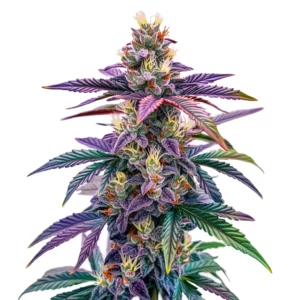
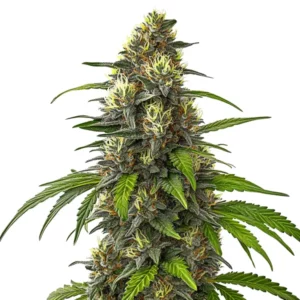
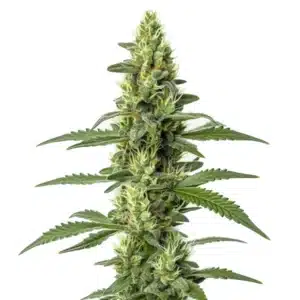
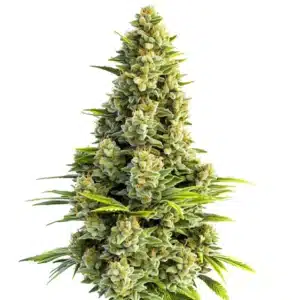
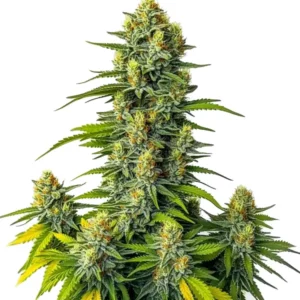
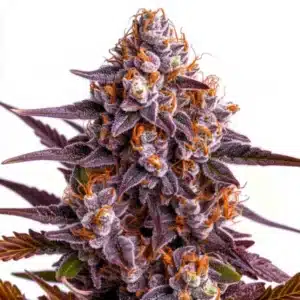
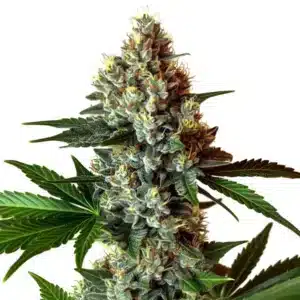
Blue Dream Autoflower

|
THC | 10% - 13% (Low) |

|
Type | Autoflowering |

|
Yield | Medium |

|
Phenotype | 30% Indica / 70% Sativa |
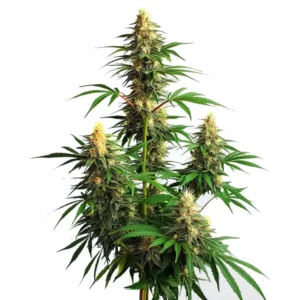
Amnesia Haze Auto
|
|
THC | 16% - 17% (Medium) |
|
|
Type | Autoflowering |
|
|
Yield | Low |
|
|
Phenotype | 25% Indica / 75% Sativa |
Choosing the right companion plants can make a significant difference. For example, certain aromatic herbs can repel unwanted insects, and others can attract beneficial ones. This article will guide you through the best companion plants for your cannabis, with a focus on enhancing the growth of strains like Amnesia Haze Autoflower, Blue Dream Auto, and Wedding Cake Auto.
The Benefits of Companion Planting
Companion planting offers various advantages that contribute to a healthy cannabis garden. By selecting the right partners, you can reduce pests, improve soil health, and increase yields.
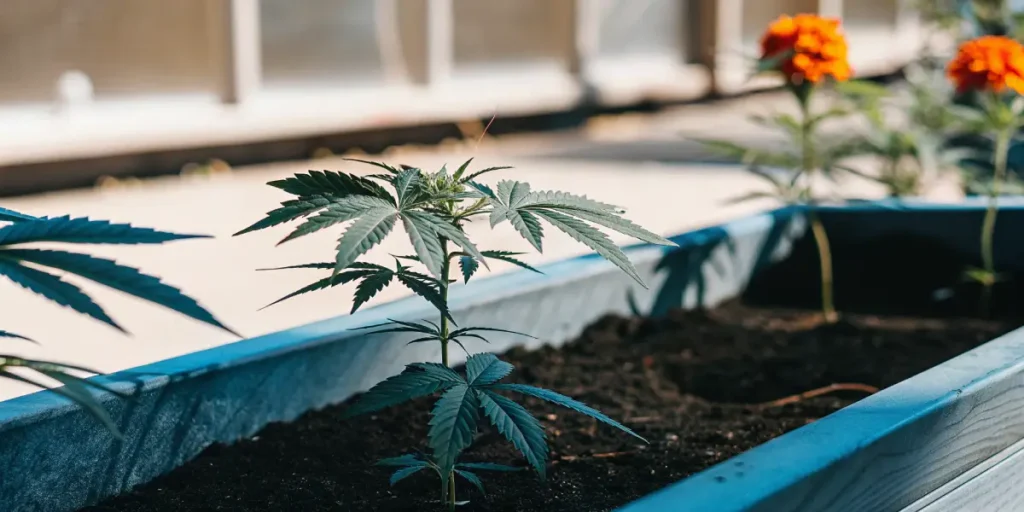
One major benefit is pest control. Certain plants naturally repel harmful insects. For example, marigolds are known to deter nematodes, which can damage cannabis roots. Planting marigolds next to your Amnesia Haze Autoflower can keep these pests at bay.
Soil improvement is another key benefit. Legumes, such as clover and peas, fix nitrogen in the soil, which cannabis plants need to thrive. This is especially beneficial for nutrient-hungry strains like Wedding Cake Auto, ensuring they receive ample nutrients throughout their growth cycle.
Pest Control Through Companion Plants
Pest control is a significant concern for cannabis growers. By integrating companion plants, you can create a natural barrier against pests. Plants like basil and lavender repel mosquitoes, while garlic and onions deter aphids and beetles.
For a strain like Blue Dream Auto, which thrives under stable conditions, integrating pest-repelling plants can be essential. The aromatic oils from these herbs confuse pests, reducing the likelihood of infestations.
Improving Soil Health
Healthy soil is the foundation of a productive cannabis garden. Companion plants like chamomile and yarrow release nutrients into the soil as they decompose. These nutrients benefit heavy feeders like Wedding Cake Auto.
Planting legumes is also a wise choice. They enhance soil nitrogen levels, a critical nutrient for cannabis plants. This natural fertilization reduces the need for synthetic fertilizers, promoting a more organic growing practice.
Promos & Deals
Best Plants with Cannabis Cultivation
Choosing the best plants with cannabis cultivation can seem daunting, but it’s all about balance. The right combination will support your cannabis plants’ needs without competing for resources.
Sunflowers make an excellent choice as they draw pests away from cannabis plants. Their towering presence acts as a decoy, protecting delicate strains like Amnesia Haze Autoflower from unwanted attention.
Using Herbs as Companions
Herbs are not only great for cooking; they play a crucial role in companion planting for cannabis cultivation. Basil, mint, and rosemary can be strategically placed around your cannabis plants to deter pests and attract beneficial insects like bees for pollination.
These herbs can also improve the flavor profile of your cannabis. For example, the terpenes in Blue Dream Auto might be subtly influenced by nearby aromatic herbs, enhancing its sweet and fruity notes.
Flowers That Complement Cannabis
Flowers like borage and nasturtium not only add beauty to your garden but also serve as excellent companions. Borage attracts pollinators, while nasturtium acts as a trap crop, drawing aphids away from your cannabis plants.
For a strain like Wedding Cake Auto, which benefits from increased pollinator activity, planting borage nearby can boost flower production and, subsequently, your harvest.
Successful Companion Planting Techniques
Implementing successful companion planting techniques requires planning and observation. Start by knowing your cannabis plants’ needs and the characteristics of potential companion plants.
Consider factors like plant height, root depth, and growth cycle. Group plants with similar water and light requirements to ensure they thrive together. For instance, pairing low-growing herbs with taller cannabis strains like Blue Dream Auto can maximize space and light availability.
Creating a Balanced Ecosystem
A balanced ecosystem is crucial for companion planting. Incorporate a mix of tall, medium, and ground-cover plants to create layers in your garden. This layering mimics natural ecosystems, providing habitats for beneficial insects and microorganisms.
For instance, combining the towering presence of sunflowers with the compact growth of Amnesia Haze Autoflower and the sprawling nature of clover can create a dynamic and productive cannabis garden.
Monitoring and Adjusting Plant Combinations
Companion planting is not a set-it-and-forget-it method. Regular observation is necessary to ensure that your plants are thriving. Monitor for signs of competition, such as stunted growth or nutrient deficiencies.
If certain combinations aren’t working, don’t hesitate to adjust. Every garden is unique, and what works for one may not work for another. Experiment with different combinations and observe the results to find the best setup for your cannabis strains.
FAQs about Companion planting for cannabis cultivation
What is companion planting for cannabis cultivation?
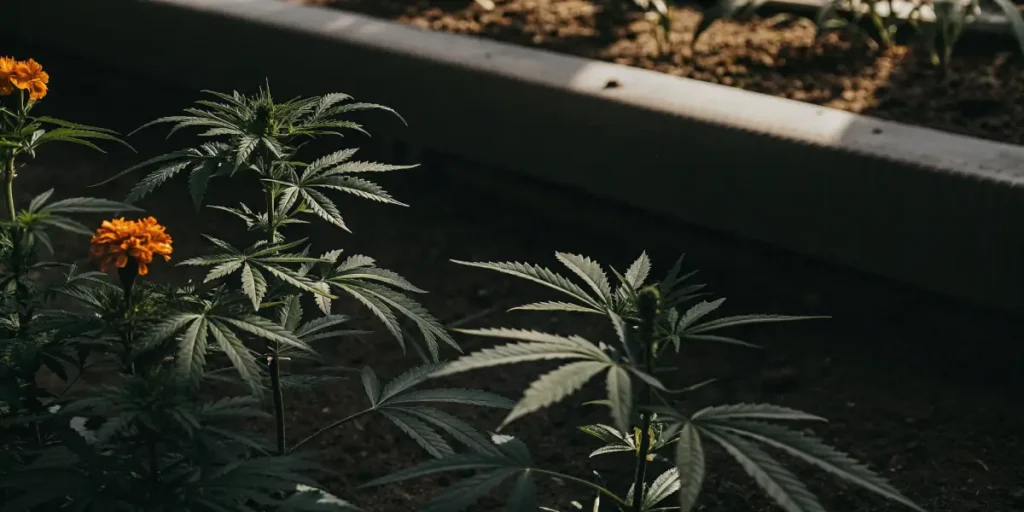
Companion planting for cannabis cultivation involves growing specific plants together to enhance growth, improve soil health, and deter pests. This method creates a balanced ecosystem where each plant benefits the others, reducing the need for chemical interventions.
By selecting the right companions, such as marigolds to repel nematodes or legumes to fix nitrogen, you can optimize your cannabis garden naturally. This approach is suitable for both beginners and experienced growers looking to enhance their yields organically.
Why is pest control important in cannabis cultivation?
Pest control is crucial in cannabis cultivation because pests can severely damage plants, reducing yields and affecting quality. Insects like aphids and beetles can attack leaves and flowers, while nematodes can damage roots.
Using companion plants like basil, garlic, and marigolds provides natural pest control. These plants release chemicals that deter pests, helping to protect your cannabis plants without the need for harmful pesticides.
Which companion plants are best for improving soil health?
Legumes such as clover and peas are excellent companion plants for improving soil health. They fix nitrogen in the soil, a vital nutrient for cannabis growth. Additionally, plants like chamomile and yarrow release nutrients as they decompose.
These plants contribute to a richer, more fertile soil environment, reducing the need for synthetic fertilizers and promoting organic growth. This is particularly beneficial for nutrient-demanding strains like Blue Dream Auto or Wedding Cake Auto.
How can I create a balanced ecosystem in my cannabis garden?
Creating a balanced ecosystem in your cannabis garden involves layering plants of different heights and functions. This mimics natural ecosystems and provides habitats for beneficial insects and microorganisms.
For example, planting tall sunflowers alongside medium-height cannabis strains and low-growing herbs creates diverse layers. This diversity supports a healthy, self-sustaining garden that can thrive with minimal intervention.
What should I do if my companion planting combinations aren’t working?
If your companion planting combinations aren’t working, observe your plants closely for signs of competition or nutrient deficiencies. Adjust your plant groupings as needed to find the best arrangement for your garden.
Experiment with different combinations and be patient. Companion planting is a dynamic process that may require tweaking to achieve the best results, ensuring a thriving and productive cannabis garden.