Cannabis Strains to Avoid in Polyculture Gardens

Polyculture gardening is a popular method among cannabis growers looking for diverse and sustainable crops. However, not all cannabis strains are ideal for this type of garden. Some strains can outcompete others, disrupt the balance, and lead to suboptimal growth. Knowing cannabis strains to avoid in polyculture gardens is essential, as knowing which varieties cause imbalance can save you time and improve overall harvest quality.
In a polyculture setup, the interaction between different plant species can enhance the growing environment. But, certain cannabis strains have characteristics that can upset this harmony. Let’s explore which strains might be problematic in a polyculture garden and why.
Recommended Strains


The Impact of Dominant Strains
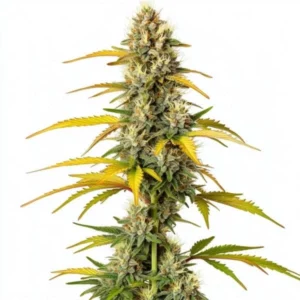
Dominant cannabis strains can take over the garden, overshadowing other plants. They often require more resources and space, leading to reduced yields of companion plants. Knowing which cannabis strains to avoid in polyculture gardens is crucial for maintaining balance, ensuring all plants have equal access to light, nutrients, and space for healthy, harmonious growth.
The Aggressive Growth of GG4
GG4 is known for its vigorous growth and high yield potential. While this makes it a favorite for some growers, in a polyculture, its rapid growth can monopolize resources. GG4 requires plenty of nutrients and light, which might not leave enough for other plants in a shared garden.
Growers have reported that GG4 can stretch significantly during the flowering phase. This can overshadow shorter plants, reducing their access to light and leading to stunted growth. For a balanced polyculture, it’s best to keep GG4 in a monoculture setting.
GMO: A Space-Hogging Strain
GMO is another strain that can disrupt a polyculture garden. Its bushy structure and expansive growth pattern can crowd out neighboring plants. GMO’s large foliage means it requires ample space, which can be challenging in a densely planted garden.
In a polyculture environment, space is a premium. GMO’s tendency to spread wide and tall can suffocate smaller companions, leading to competition for light and nutrients. This strain might thrive at the expense of others, making it one of the worst cannabis strains for polyculture.
Promos & Deals
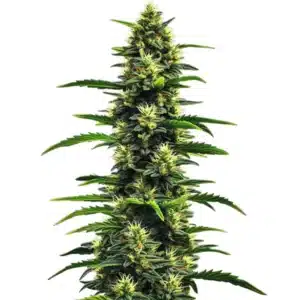
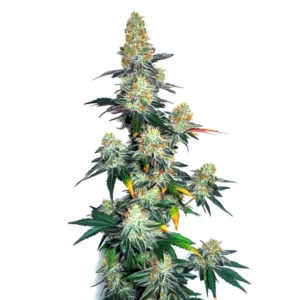
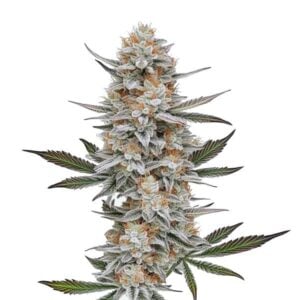
Strains with Specific Needs
Some cannabis strains have particular requirements that make them less suitable for polyculture gardens. These needs might conflict with the conditions necessary for other plants in the same space.
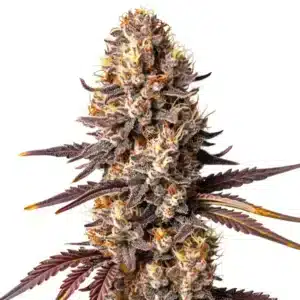
The Unique Requirements of Purple Lemonade Autoflower
Purple Lemonade Autoflower is a strain that demands specific light cycles and temperatures to flourish. In a polyculture garden, where different plants might have varying needs, this can pose a problem. Its autoflowering nature means it will flower under any light cycle, potentially disrupting the planned schedule for photoperiod plants.
The temperature and humidity preferences of Purple Lemonade Autoflower can also differ significantly from other plants. Meeting these specific conditions might require compromising the needs of other species in your polyculture setup, making it a better fit for dedicated spaces.
Temperature Sensitivity of Green Crack Auto
Green Crack Auto is a strain with a penchant for stable, warm climates. Its sensitivity to temperature fluctuations can be a challenge in a polyculture garden that includes plants with different climate tolerances.
If your garden includes species that prefer cooler conditions, Green Crack Auto might suffer, or vice versa. Balancing the microclimate to accommodate all plants can be difficult, suggesting that separating Green Crack Auto might be wise in a diverse setup.
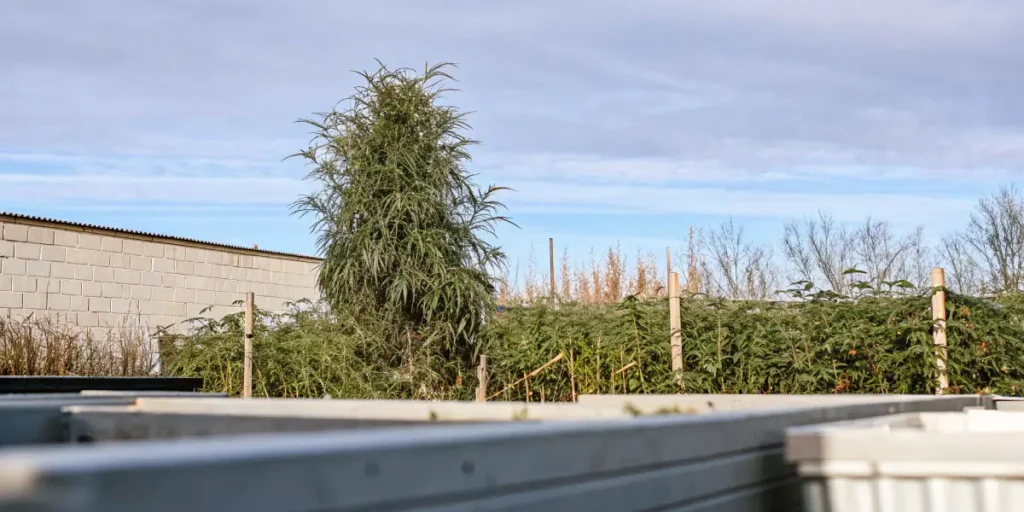
Considerations for Polyculture Success
Choosing the right strains for a polyculture garden requires careful consideration. Beyond growth patterns and environmental needs, there are other factors to keep in mind to ensure harmony among your plants.
Balancing Nutrient Needs
Different cannabis strains have varying nutrient requirements. Strains like Gorilla Sherbet, which may demand high nutrient levels, could starve other plants in a polyculture setup. It’s essential to match strains with similar nutritional needs to avoid imbalances.
Over-fertilization or under-fertilization to cater to one specific strain can negatively affect the entire garden ecosystem. Plan your nutrient schedule with all your plants in mind, favoring those with compatible needs.
Managing Pest Resistance
Some cannabis strains have been bred for pest resistance, while others may be more susceptible. In a polyculture garden, introducing a highly susceptible strain can increase the risk of infestations.
Strains like Mamba Negra are known for their natural resistance to common pests. Combining such strains with less resistant varieties can help protect the entire garden, but relying too heavily on sensitive strains could lead to issues.
FAQs about Cannabis strains to avoid in polyculture gardens
What are the worst cannabis strains for polyculture?
The worst cannabis strains for polyculture are typically those with aggressive growth patterns or specific environmental needs. GG4, for instance, can overshadow other plants due to its rapid growth and high nutrient demand. Its dominance can disrupt the balance in a polyculture setup.
Similarly, strains like GMO, with their space-hogging characteristics, can crowd out other plants. Their expansive growth requires significant resources, leaving little for companion species. Avoiding such strains can enhance the success of a polyculture garden. In contrast, more balanced and faster-finishing cultivars like Early Skunk x C99 Fast Version offer a more manageable growth structure, making them a smarter choice for growers aiming to maintain harmony and efficiency in a mixed planting environment.
Why is GG4 unsuitable for polyculture gardens?
GG4 is unsuitable for polyculture gardens primarily because of its aggressive growth and resource demands. It can quickly take over a shared garden space, depriving other plants of the light and nutrients they need to thrive.
In a polyculture environment, maintaining balance is key. GG4 tendency to dominate can disrupt this balance, making it better suited for a monoculture setup where its full potential can be harnessed without negative impacts on other plants.
How can I manage temperature-sensitive strains in a polyculture garden?
Managing temperature-sensitive strains like Green Crack Auto in a polyculture garden requires careful planning. You may need to create microclimates within your garden using shade cloths or ventilation systems to accommodate different temperature needs.
Group plants with similar climate preferences together and consider using environmental controls to maintain stable conditions. This approach can help ensure that all plants in your polyculture setup thrive without compromising the specific needs of temperature-sensitive strains. Strains like Dip Sixt, known for their resilient growth and adaptability, are a great fit for mixed environments where maintaining consistent conditions is key to overall success.
What role do nutritional needs play in choosing strains for polyculture?
Nutritional needs are critical when choosing strains for a polyculture garden. Strains with high nutrient demands, like Gorilla Sherbet, can deplete resources quickly, leaving little for other plants. Balancing these needs is essential to prevent nutrient imbalances.
Opt for strains with similar nutritional requirements to maintain harmony in your garden. This ensures that all plants receive adequate nutrition without over-fertilizing or under-fertilizing, which can harm the overall health of your polyculture setup.
Are autoflowering strains suitable for polyculture gardens?
Autoflowering strains, like Purple Lemonade Autoflower, can be challenging in polyculture gardens due to their independent flowering schedules. They flower regardless of light cycles, which might not align with the needs of photoperiod plants, disrupting planned growth cycles. In contrast, photoperiod strains such as Banana Cake offer greater control over vegetative growth and flowering, making them easier to synchronize within mixed gardens and more adaptable to planned cultivation strategies.
To integrate autoflowering strains into a polyculture garden successfully, ensure that their light and environmental requirements match those of other plants. Careful planning and management can help mitigate potential disruptions and achieve a harmonious garden environment.