Cannabis Allelopathy Compared to Other Plants

Allelochemicals are natural compounds released by plants that affect the growth and development of surrounding plant life. In cannabis, these chemicals can play a crucial role in plant competition and survival. When studying Cannabis allelopathy compared to other plants, it becomes clear that cannabis produces unique allelochemicals that may inhibit or stimulate neighboring species differently, influencing both growth patterns and ecological balance. But what exactly are these mysterious chemicals?
When comparing cannabis allelopathy to other plants, it’s important to note that not all plants have the same level of chemical influence. Some plants, like black walnut, are notorious for their strong allelopathic effects, which can inhibit the growth of many other plants around them. Cannabis, while not as aggressive, still holds its own in the plant kingdom.
Recommended Strains

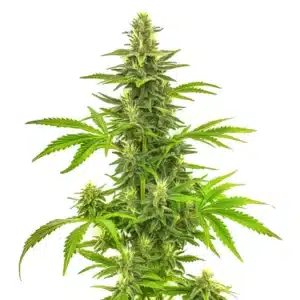
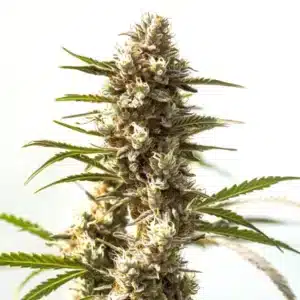
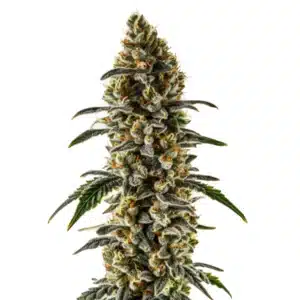
GG4

|
THC | 27% (High) |

|
Type | Feminized |

|
Yield | High |

|
Phenotype | 40% Indica / 60% Sativa |

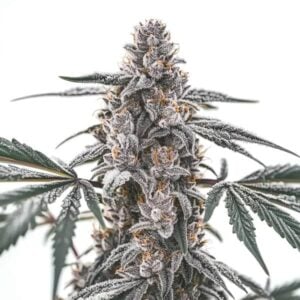
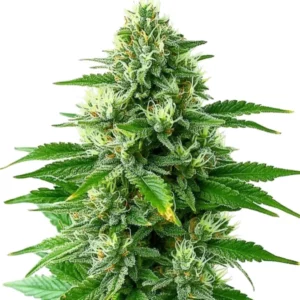
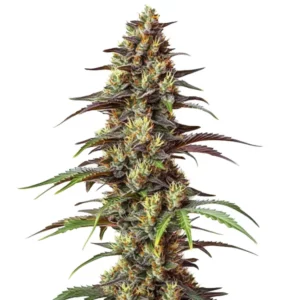
Purple Lemonade Autoflower
|
|
THC | 20% - 22% (Medium) |
|
|
Type | Autoflowering |
|
|
Yield | Medium |
|
|
Phenotype | 70% Indica / 30% Sativa |
In this article, we’ll dive deep into how cannabis allelopathy compares to other plants and what that means for your growing practices. We’ll explore how different strains like GG4, Purple Lemonade Autoflower, and Bruce Banner Fast Version can be affected by or benefit from allelopathic interactions.
What Is Allelopathy?
Allelopathy is a biological phenomenon where plants release biochemicals known as allelochemicals into the environment. These chemicals can have beneficial, detrimental, or neutral effects on neighboring plants. In a cannabis context, knowing allelopathy can give you insights into how your plants might compete or cooperate with each other. When studying cannabis allelopathy compared to other plants, researchers observe that cannabis may influence surrounding vegetation differently, sometimes inhibiting or enhancing the growth of nearby species depending on soil and environmental factors.
How Allelopathy Works
Plants release allelochemicals through various means such as root exudates, leaf litter, or volatilization from leaves. These chemicals can alter soil chemistry, affect seed germination, and influence plant growth patterns. For cannabis, this often means creating an environment that favors its own growth while potentially inhibiting competitors.
In a grow room setting, this can mean adjusting plant spacing and considering companion planting to optimize the allelopathic interactions. It’s a dance of chemistry and plant biology that can be leveraged for better yields.
Cannabis Allelopathy vs. Plant Interactions
When considering cannabis allelopathy vs plant interactions, it’s vital to recognize that cannabis doesn’t exist in isolation. It interacts with the entire ecosystem around it, including other plants, soil microbes, and insects. Some interactions are enhanced by allelopathic chemicals, while others might be hindered.
For growers, knowing these interactions can be the key to preventing issues like nutrient lockout or poor germination. It’s about creating a harmonious environment where cannabis can thrive alongside other plants.
Promos & Deals
Cannabis Allelopathy in Practice
In practical terms, cannabis allelopathy can influence how you set up your grow space. Whether you’re growing indoors or outdoors, knowing these interactions can help you avoid potential pitfalls and make the most of your cultivation efforts.
Strain Selection
Choosing the right cannabis strains can have a significant impact on how allelopathy plays out in your grow space. For instance, GG4 is known for its robust growth and resilience, making it a great choice for competing in an allelopathic environment.
Similarly, strains like Purple Lemonade Autoflower, with its vibrant purple hues and fast growth cycle, might require different companion plants or spacing to mitigate any negative allelopathic effects. Each strain has unique characteristics that interact differently within the plant community.
Companion Planting
Companion planting involves growing certain plants together to enhance growth and yield. In the context of cannabis, knowing which plants are allies can make a big difference. Some plants can benefit from cannabis’s allelopathic properties, while others might be suppressed.
- Herbs like basil and mint can thrive alongside cannabis, benefiting from its pest-repellent properties.
- Marigolds can deter pests but might compete for nutrients, requiring careful management.
- Lettuce or spinach can be used to cover soil, protecting it and benefiting indirectly from the cannabis canopy.

Comparing Allelopathy Across Plant Species
When comparing cannabis allelopathy to other plants, it’s clear that not all plants are created equal. Some species have stronger allelopathic effects, while others are more susceptible to being influenced. This knowing can guide your decisions in both cannabis and general gardening.
Strong Allelopathic Plants
Plants like black walnut and eucalyptus are known for their potent allelochemicals, which can severely inhibit the growth of other plants. These species are often avoided in mixed plantings unless specifically managed.
Cannabis, while allelopathic, doesn’t match the intensity of these plants. However, it can still influence its immediate environment, which is something to consider when planning your garden layout.
Susceptible Plants
Some plants are more vulnerable to allelopathic chemicals. Grasses and small annuals can often be affected by the chemicals released by nearby plants, including cannabis. This can lead to stunted growth or poor seed germination if not managed properly.
Knowing which plants are susceptible helps in planning your crop rotations and companion planting strategies, ensuring a more productive garden.
FAQ
What is cannabis allelopathy?
Cannabis allelopathy refers to the release of chemicals by cannabis plants that affect other plants in their vicinity. These allelochemicals can influence the growth, germination, and overall health of neighboring plants. This phenomenon is a key consideration for growers who wish to optimize their cultivation environment.
By knowing cannabis allelopathy, growers can make informed decisions about plant spacing, companion planting, and soil management. This knowledge helps in creating a balanced ecosystem that supports robust cannabis growth while managing potential negative impacts on other plants.
How does cannabis allelopathy compare to other allelopathic plants?
Cannabis allelopathy is less aggressive compared to some notoriously allelopathic plants like black walnut. While cannabis does release chemicals that can impact plant interactions, its effects are generally milder, allowing for more flexibility in planting strategies. This makes cannabis a more compatible option for mixed plantings.
Knowing these differences is crucial for growers who cultivate multiple plant species. By leveraging the milder allelopathic effects of cannabis, it is possible to create a harmonious growing environment that minimizes competition and maximizes productivity.
Can allelopathy influence cannabis strain selection?
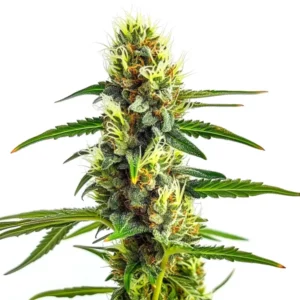
Yes, allelopathy can influence cannabis strain selection. Different strains may have varying abilities to interact with their environment, affecting how they respond to or influence neighboring plants. Selecting strains like Bruce Banner Fast Version or GG4 can provide an advantage due to their growth characteristics and resilience.
Knowing the allelopathic tendencies of your chosen strains can help optimize planting arrangements and companion planting strategies, ensuring each strain reaches its full potential in the grow space.
Are there specific companion plants that benefit from cannabis allelopathy?
Certain companion plants can benefit from the allelopathic properties of cannabis. Herbs like basil and mint can thrive alongside cannabis, as they take advantage of its pest-repellent properties. Additionally, plants like marigolds can deter pests, creating a synergistic environment with cannabis.
Effective companion planting requires an knowing of plant interactions and how cannabis’s allelochemicals can aid or hinder other plants. This knowledge can lead to a more productive and harmonious garden.
How can growers manage allelopathic effects in a cannabis garden?
Growers can manage allelopathic effects by carefully selecting companion plants, optimizing plant spacing, and rotating crops to minimize negative interactions. By knowing the specific needs and interactions of cannabis strains, growers can create a balanced environment that enhances growth and yield.
Regular monitoring and adjustments based on observed plant behavior and growth patterns can help manage any allelopathic influences. This proactive approach ensures a healthy grow room or garden and maximizes the potential of each plant.