Smoking Lavender: Benefits, Risks, and How-To Guide

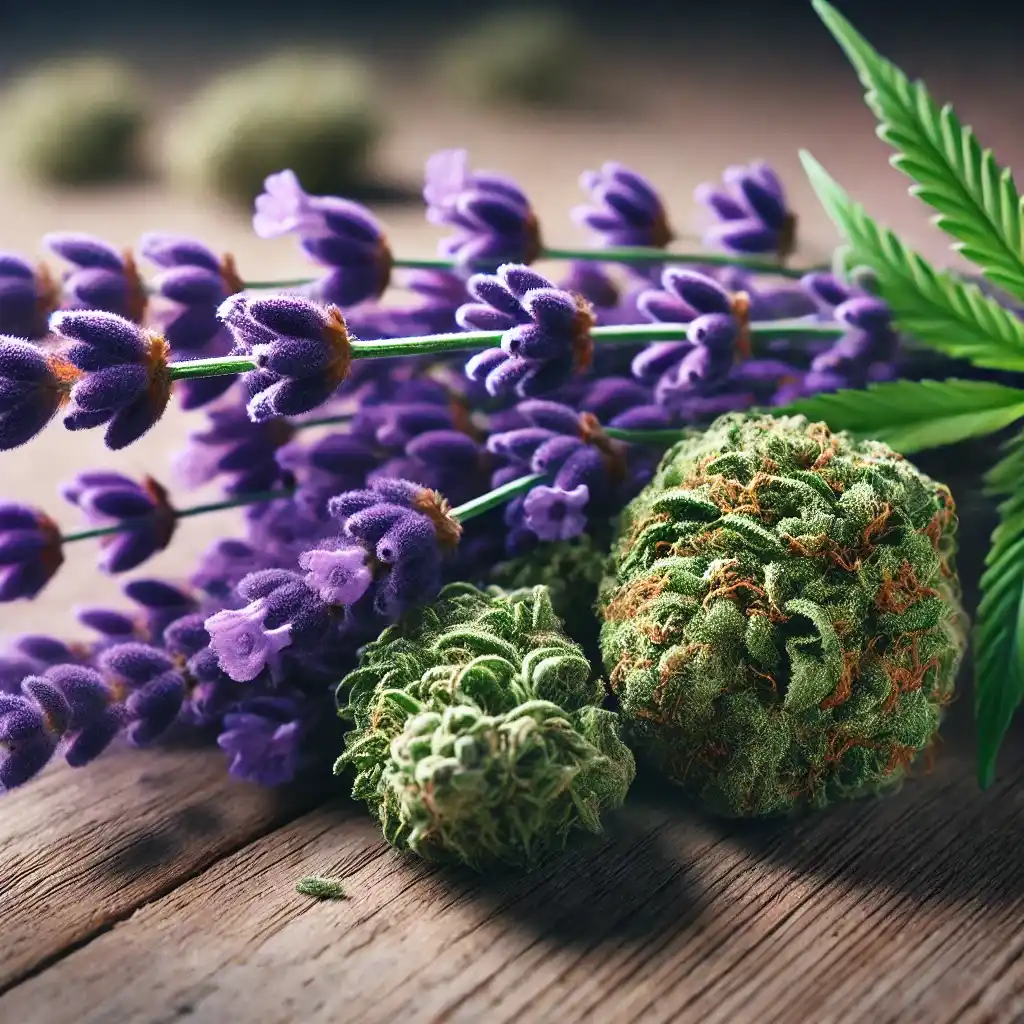
Herbal smoking practice: Smoking dried lavender is a favored herbal method, often combined with cannabis to boost flavor and induce relaxation. While it serves as a natural, nicotine-free substitute to tobacco, inhaling any smoke poses respiratory risks. This practice is popular for its calming effects, but safety precautions are essential to minimize health risks.
Smoking lavender is an ancient practice that offers a unique twist to herbal blends, often paired with cannabis for enhanced relaxation. While it provides a nicotine-free alternative to tobacco, it’s essential to smoke lavender safely to avoid respiratory risks. Lavender’s primary compound, linalool, is known for its calming effects, making it a popular choice for those seeking natural stress relief.
Recommended Strains


Can You Smoke Lavender?
What Happens When You Smoke Lavender?
When you smoke lavender, you release its natural compounds, like linalool, into the air. This terpene is also found in some cannabis strains and is known for its calming properties. The process involves burning dried lavender, which can be inhaled similarly to cannabis. This practice is centuries-old, rooted in herbal medicine traditions.
Lavender smoke is smooth and fragrant, often described as floral and slightly sweet. The calming effects of linalool can help reduce stress and promote relaxation. However, moderation is key, as excessive inhalation may irritate the lungs. For those interested in herbal blends, lavender offers a unique sensory experience.
Benefits of Smoking Lavender
Smoking lavender offers more than just a pleasant aroma. Its calming effects are primarily due to linalool, which can enhance relaxation and reduce anxiety. This terpene interacts with the nervous system, promoting a sense of calm. The floral aroma adds a soothing element to smoking sessions, especially when mixed with cannabis.
Lavender has mild analgesic properties, which can help relieve headaches and mild pain. Its use in smoking blends can complement the effects of cannabis, creating a balanced experience. While more research is needed, its historical use in traditional medicine suggests potential benefits for stress relief and relaxation.
Promos & Deals
How to Smoke Lavender Safely
How to Prepare Lavender for Smoking
To prepare lavender for smoking, start with organic, pesticide-free dried lavender buds. These are the most potent part of the plant. Grind the buds finely, ensuring they are free from moisture to prevent mold. You can roll them into a cigarette, use a pipe, or add them to a vaporizer for a smooth experience.
When mixing with cannabis, a common ratio is 80% cannabis to 20% lavender. Adjust this based on your preference for flavor and effects. The goal is to enhance the cannabis experience, not overpower it. Always start with a small amount and increase gradually to find your ideal blend.
What Type of Lavender is Smokable?
Not all lavender is suitable for smoking. The most common variety used is Lavandula angustifolia, known for its high linalool content. This species provides the most potent calming effects. Ensure the lavender is organic and free from chemicals, as these can be harmful when inhaled.
Lavender should be dried properly before use. The drying process involves hanging the lavender in a cool, dark place until it is completely dry. This ensures that the lavender retains its aromatic properties and is safe for smoking. Proper preparation is crucial to avoid respiratory irritation.
| Feature / Merkmal | Lavender Blunt | Cannabis Only | Lavender Only |
|---|---|---|---|
| Aroma | Floral, Sweet | Earthy, Pungent | Floral, Sweet |
| Calming Effect | Enhanced | Moderate | High |
| THC Content | Varies | High | None |
| Smoke Harshness | Smooth | Varies | Smooth |
| Usage | Recreational | Recreational | Medicinal |
Mixing Lavender with Cannabis
What Does Lavender Do in a Blunt?
Adding lavender to a blunt introduces a floral aroma and enhances the relaxing effects of cannabis. The linalool in lavender can amplify the calming properties of indica strains, making them more effective for stress relief. This combination creates a unique sensory experience, perfect for unwinding.
When blending lavender with cannabis, the floral notes complement the earthy tones of many cannabis strains. This enhances the overall flavor profile, making each session more enjoyable. The synergy between lavender and cannabis can create a balanced, therapeutic experience.
Top Strains for Smoking Lavender
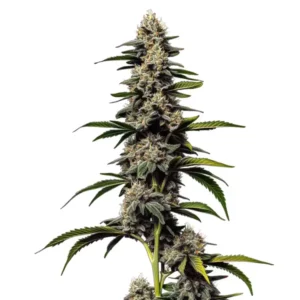
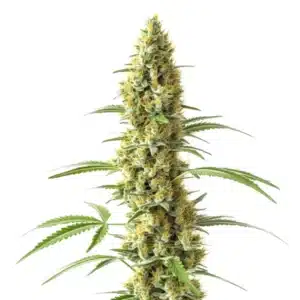
Combining lavender with cannabis can enhance the smoking experience. Here are some top strains that pair well with lavender:
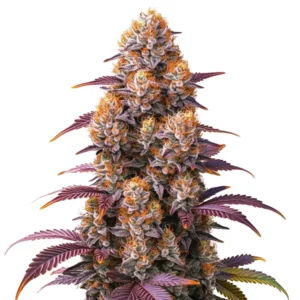
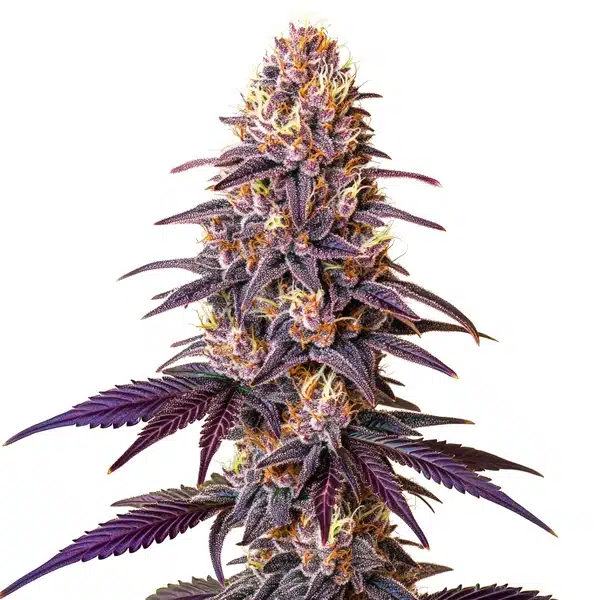
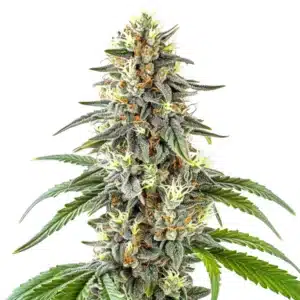
Black Domina Regular: With 20-24% THC, this strain’s myrcene terpene offers earthy, musky notes that complement lavender’s floral aroma. It provides a deeply relaxing effect, ideal for evening use. Black Domina Regular
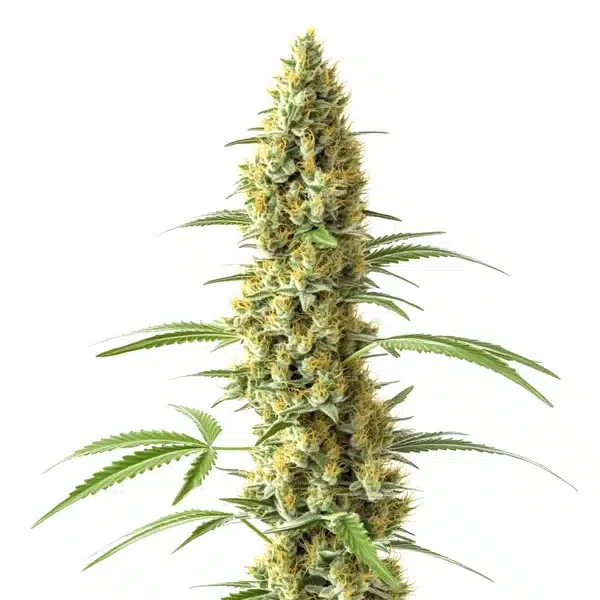
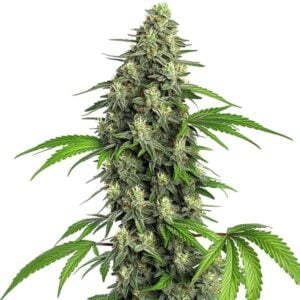
Head Band Auto: This strain features 18-22% THC and a dominant limonene terpene, adding a citrusy zest to the lavender blend. Its uplifting effects make it perfect for daytime relaxation. Head Band Auto
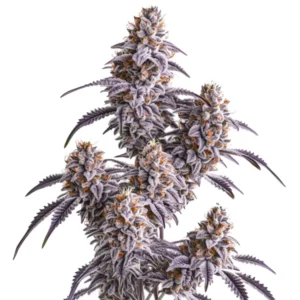
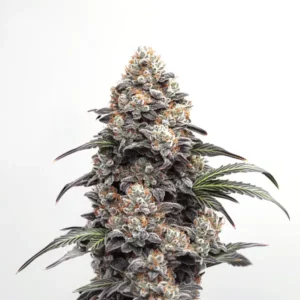
Do Si Dos Fast Version: With 22-26% THC, it has a caryophyllene terpene that brings spicy, peppery undertones. This strain enhances the calming effects of lavender, making it great for stress relief. Do Si Dos Fast Version
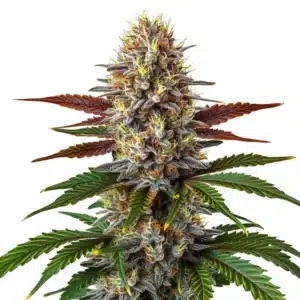
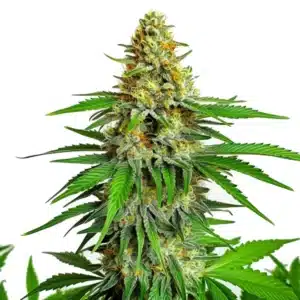
Alien Og Regular: Featuring 20-24% THC, the pinene terpene offers a refreshing pine aroma that blends well with lavender. It provides a balanced high, suitable for both day and night use. Alien Og Regular
Banana Sherbet: With 18-22% THC, its dominant humulene terpene adds earthy, woody notes to the lavender mix. This strain is known for its euphoric and calming effects. Banana Sherbet
Professional Tips for Smoking Lavender
- Use organic lavender to avoid inhaling pesticides. Non-organic lavender can contain harmful chemicals that become toxic when burned.
- Maintain a ratio of 80% cannabis to 20% lavender to prevent overpowering the cannabis flavor. Too much lavender can mask cannabis effects.
- Store dried lavender in a cool, dark place at 59-70°F (15-21°C) to preserve its aromatic properties.
- Use a vaporizer set at 356°F (180°C) for optimal lavender vaporization. Higher temperatures can degrade beneficial compounds.
- Limit smoking sessions to reduce lung irritation. Frequent inhalation of any smoke can lead to respiratory issues over time.
- Consult a healthcare provider if you have asthma before smoking lavender, as it can exacerbate respiratory conditions.
FAQs about Smoking Lavender
What happens when you smoke lavender?
Smoking lavender releases its natural compounds, such as linalool, which is known for calming effects. When inhaled, these compounds can reduce stress and promote relaxation. However, excessive inhalation may irritate the lungs. Lavender smoke is floral and slightly sweet, making it a popular choice for herbal blends.
What does lavender do in a blunt?
In a blunt, lavender adds a floral aroma and enhances the calming effects of cannabis. The linalool terpene in lavender synergizes with cannabis, amplifying relaxation. This combination creates a unique sensory experience, perfect for unwinding. Lavender’s floral notes complement the earthy tones of many cannabis strains.
What type of lavender is smokable?
Lavandula angustifolia is the most commonly used type of lavender for smoking due to its high linalool content. This variety provides potent calming effects. Ensure the lavender is organic and free from chemicals, as these can be harmful when inhaled. Proper drying is essential for safe smoking.
How to prepare lavender for smoking?
To prepare lavender for smoking, start with dried, organic lavender buds. Grind them finely and ensure they are free from moisture to prevent mold. You can roll the lavender into a cigarette, use a pipe, or add it to a vaporizer. Proper preparation ensures a smooth and enjoyable smoking experience.
Can smoking lavender help with sleep?
Yes, smoking lavender can aid sleep by promoting relaxation and reducing anxiety. The calming effects of linalool can make it easier to fall asleep. Combining lavender with a sleep-inducing cannabis strain can enhance these effects, creating a natural sleep aid. Always use lavender in moderation to avoid lung irritation.