Can a COA Show PGR Residues? Expert Insights & Proven Answers

When buying or growing cannabis, knowing what’s in your product is key. A Certificate of Analysis (COA) can tell you a lot, but can a COA show PGR residues? Let’s dive into this important question. PGRs, or plant growth regulators, are chemicals used to control plant growth. They can affect the final product, so knowing whether they’re present is crucial.
Many growers use COA testing for PGR residues to ensure their product is clean. This test can identify unwanted chemicals, giving you peace of mind. When interpreting COA results for PGR, look for specific markers that indicate these residues. But how accurate are these tests? And can PGR residues be detected in COA reports with certainty?
Recommended Strains
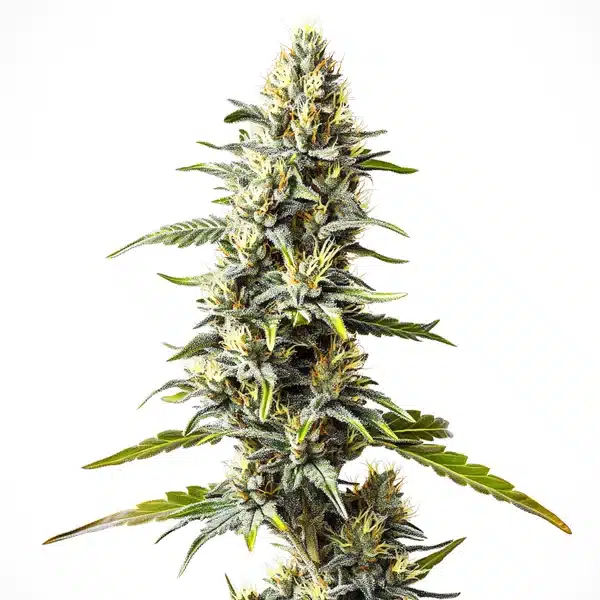
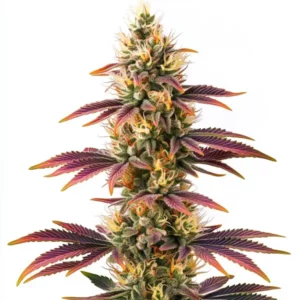
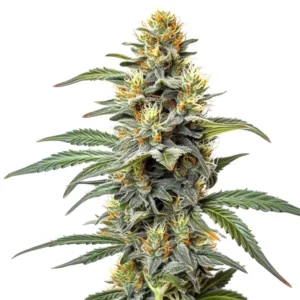
Cream Caramel

|
THC | 19% - 24% (High) |

|
Type | Feminized |

|
Yield | High |

|
Phenotype | 90% Indica / 10% Sativa |

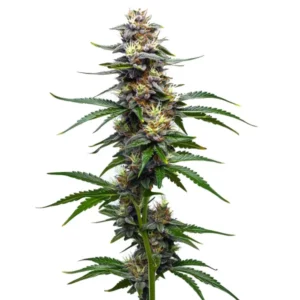
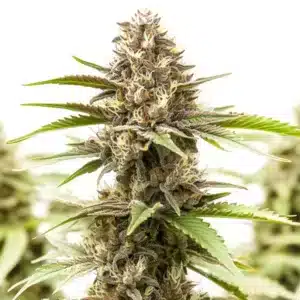
Sour Diesel
|
|
THC | 22% - 25% (High) |
|
|
Type | Feminized |
|
|
Yield | High |
|
|
Phenotype | 30% Indica / 70% Sativa |
For both first-time buyers and seasoned growers, knowing about COA PGR residue analysis is beneficial. It ensures you are informed about what you consume or sell. COA reports identifying PGR residues help maintain quality and safety in the cannabis industry. Knowing the details of these reports is as crucial as knowing the strains you choose to grow.
What are PGRs and Why Do They Matter?
Plant Growth Regulators (PGRs) are chemicals that influence plant growth. They can speed up growth, increase yields, and even change the appearance of plants. While this sounds beneficial, PGRs can also leave residues that impact the quality and safety of cannabis. This is why knowing what PGRs are, how they work, and knowing can a COA show PGR residues is important for both growers and consumers.
Not all PGRs are harmful, but some synthetic versions can be. These chemicals might enhance plant growth, but they can also introduce unwanted residues. For example, PGRs like paclobutrazol or daminozide are known for their potential health risks. Therefore, COA reports identifying PGR residues are vital for ensuring product safety.
PGRs can be particularly concerning because they may not only affect the plant’s growth rate but also its chemical composition. This can lead to unexpected interactions with other compounds within the cannabis, potentially altering its effects. Knowing COA PGR residue analysis is essential to ensure that the cannabis retains its intended profile and potency.
Moreover, in an industry where consumer safety is paramount, the presence of PGRs can have significant implications for a brand’s reputation. By ensuring that their products are free from these chemicals, companies like Blimburn Seeds can maintain consumer trust and uphold quality standards. Thus, asking “can a COA show PGR residues” becomes a fundamental step in quality assurance.
COA Testing for PGR Residues Explained
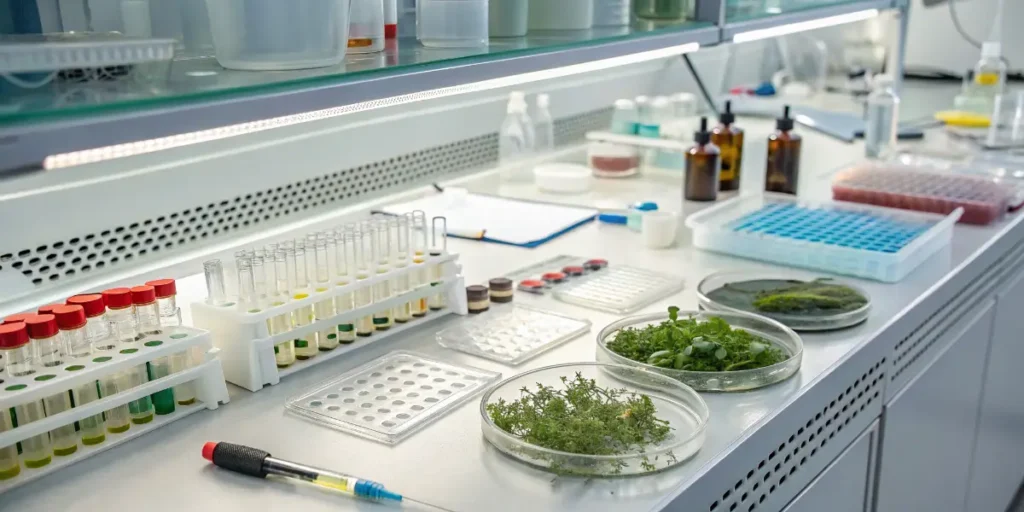
A COA is a document that shows the results of various tests conducted on cannabis products. It includes tests for cannabinoids, terpenes, and contaminants like PGRs. COA testing for PGR residues involves analyzing the chemical makeup of the plant to detect unwanted substances.
The process of COA PGR residue analysis involves sophisticated equipment and techniques. Labs use methods like high-performance liquid chromatography (HPLC) to identify specific compounds. These tests are designed to detect even small amounts of PGRs, ensuring that the final product is safe for consumption.
Besides to HPLC, some labs may utilize gas chromatography-mass spectrometry (GC-MS) to further verify the presence of PGR residues. This dual testing approach increases the accuracy and reliability of the COA, making it a crucial tool for producers who want to ensure their cannabis is uncontaminated.
For growers, choosing a lab that excels in COA testing for PGR residues is as important as selecting the right strain to cultivate. This ensures that the final report not only meets industry standards but also provides valuable insights into the product’s chemical safety. This precision in testing helps growers like those at Blimburn Seeds to maintain high standards of purity and quality.
Interpreting COA Results for PGR
Reading a COA can be daunting, but it’s easier once you know what to look for. When interpreting COA results for PGR, focus on the section detailing contaminants. This part of the report will list any detected PGRs and their concentrations.
If PGR residues are found, the COA will usually indicate whether they are within acceptable levels. These levels are determined by health and safety standards, ensuring that any detected residues do not pose a risk. This is crucial information for both growers and consumers.
Interpreting these results requires an knowing of the acceptable thresholds for various PGRs, as set by regulatory bodies. Knowing whether the levels are compliant with safety standards can help growers make informed decisions about their cultivation practices.
Moreover, knowing COA PGR residue analysis can be a powerful tool for consumers, offering them a way to verify product safety independently. By scrutinizing COA reports, consumers can make informed choices, ensuring they invest in cannabis that meets their quality expectations.
Real-Life Examples: COA and PGR Residues
Consider a grower cultivating Cream Caramel from Blimburn Seeds. They send their product for COA testing to check for PGR residues. The lab’s COA report shows no detectable levels of harmful PGRs, confirming the quality of their harvest. This result allows the grower to confidently market their product as safe and clean.
Another scenario involves a buyer interested in purchasing Sour Diesel. They request a COA to ensure it’s free of PGR residues. The COA confirms the absence of these chemicals, reinforcing the buyer’s trust in the product’s safety. This demonstrates the importance of COA reports in the cannabis industry.
These examples illustrate that COA reports are not just about verifying the absence of harmful substances but also about building consumer confidence. When COA reports identifying PGR residues are clear and transparent, they serve as a testament to the quality and integrity of the product.
For companies like Blimburn Seeds, using COA reports to validate their product quality can differentiate them in a competitive market. Consumers are increasingly savvy, seeking out products that are not only potent but also safe and responsibly produced. Thus, the question “can a COA show PGR residues” is vital in both protecting consumer health and establishing industry credibility.
Promos & Deals
FAQs about can a COA show PGR residues
What is a COA in cannabis testing?
A COA, or Certificate of Analysis, is a document that provides detailed information about the chemical composition of cannabis products. It includes data on cannabinoids, terpenes, and any contaminants like PGR residues. A COA is essential for verifying the quality and safety of cannabis.
For growers and consumers, a COA ensures transparency and trust. It confirms that the product meets safety standards and is free from harmful substances. This is crucial for anyone involved in the cannabis industry, from cultivators to end-users.
Beyond just being a document, a COA serves as a guarantee of quality. It is an assurance that the product has undergone rigorous testing and is compliant with industry regulations. This can be particularly important in regions where cannabis is heavily regulated.
Moreover, knowing how to read and interpret a COA empowers consumers to make informed decisions. By knowing what to look for, such as PGR residues, consumers can choose products that align with their health and safety standards, enhancing their overall experience with cannabis.
How reliable is COA testing for PGR residues?
COA testing for PGR residues is generally reliable when conducted by reputable labs. These labs use advanced techniques to detect even trace amounts of PGRs. However, the accuracy of the results depends on the lab’s equipment and procedures.
It’s important to choose a lab known for its precision and thoroughness in COA testing. This ensures that the results you receive are dependable and can be trusted to reflect the true quality of your cannabis product.
Reputable labs often have certifications that further validate their credibility, such as ISO accreditation. Such certifications indicate that the lab adheres to strict quality control measures, ensuring reliable and repeatable results.
Besides to the lab’s reputation, the methods used for testing can also influence the reliability of COA results. Techniques like HPLC and GC-MS are industry standards for a reason—they provide accurate and detailed analyses, which are crucial for detecting even the smallest amounts of PGR residues.
Can PGR residues be detected in COA reports easily?
Yes, PGR residues can be detected in COA reports, provided the testing lab employs the right methods. Techniques like HPLC are effective at identifying these chemical residues. A well-detailed COA will clearly indicate the presence or absence of PGRs.
For growers and buyers, this means you can rely on COA reports to verify product safety. It’s a valuable tool for ensuring that the cannabis you grow or purchase is free from unwanted chemicals.
The ease of detection also depends on the lab’s proficiency in conducting the tests. Labs that specialize in cannabis testing are more likely to provide accurate and comprehensive reports, showcasing their expertise in knowing COA PGR residue analysis.
For consumers, the ability to easily verify the presence of PGR residues in a COA report offers peace of mind. It allows them to confidently select products that align with their health preferences, knowing that they are free from potentially harmful additives.
Why should growers avoid using PGRs?
Growers should avoid using harmful PGRs because they can compromise the safety and quality of cannabis. Some synthetic PGRs have been linked to health risks, making them undesirable for consumers. Ensuring your product is free from these substances maintains its integrity.
Moreover, avoiding PGRs can result in a more natural and flavorful product. Consumers increasingly prefer cannabis that is organic and free from chemical additives, making PGR-free cultivation a smart choice for growers.
Besidesto health concerns, the use of PGRs can have legal implications, especially in markets where regulations strictly prohibit their use. Compliance with these regulations is crucial for maintaining licenses and avoiding potential legal issues.
Furthermore, by focusing on organic cultivation methods, growers can enhance the natural attributes of their cannabis strains. This not only meets consumer demand for purity but also elevates the overall quality and appeal of the product, benefiting both the grower and the end consumer.
How can consumers ensure they’re buying cannabis free of PGR residues?
Consumers can ensure they’re buying cannabis free of PGR residues by requesting a COA from the seller. A reliable COA will indicate if any PGRs are present and whether they are within safe limits. This document is a trustworthy way to verify product safety.
Additionally, consumers should buy from reputable sources known for transparency and quality. Brands like Blimburn Seeds, which focus on quality cultivation and transparent testing, are excellent choices for those concerned about PGR residues.
Another effective method for consumers is to educate themselves about COA interpretation. By knowing how to read COA reports and what markers to look for, consumers can independently verify the safety and quality of their cannabis products.
Moreover, participating in communities or forums where cannabis quality is discussed can provide additional insights and recommendations. Engaging with informed communities can help consumers stay updated on best purchasing practices and trustworthy brands in the industry.