Best Coco Coir for Weed: Top Picks & Tips

Quick answer: the best coco coir for cannabis is washed, buffered and low in salt (low EC), with a consistent texture, ideally blended with 20-30% perlite for drainage and air. Quality, buffered coco from a reputable brand saves you from Cal-Mag headaches and uneven results. Coco grows fast like hydro but is more forgiving. Here is what to look for, top options and how to grow in coco successfully.
What Is Coco Coir?
Coco coir is a soilless growing medium made from the fibrous husks of coconuts. It holds water and air well, is renewable, and gives roots an ideal balance, which is why it is a favorite for cannabis.
Recommended Strains

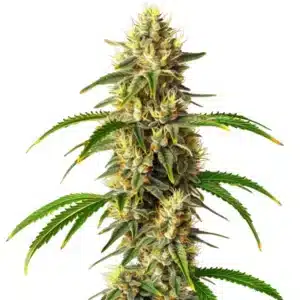
Tangie Autoflower

|
Type | Autoflowering |

|
THC | 20% - 23% (Medium) |

|
Phenotype | 40% Indica / 60% Sativa |

|
Yield | Medium |

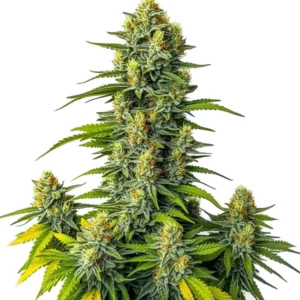
Tangie
|
|
Type | Feminized |
|
|
THC | 19% - 22% (Medium) |
|
|
Phenotype | 30% Indica / 70% Sativa |
|
|
Yield | High |
Benefits of Coco Coir
Coco offers fast, hydro-like growth with more forgiveness, excellent aeration and drainage, strong root development, and reusability. It is sterile and pest-free when new, and lets you control feeding precisely.
Quality Factors to Consider
Look for coco that is washed and buffered (pre-treated to stabilize calcium and magnesium), low in salt/EC, consistent in texture, and from a trusted brand. Poor coco is salty and unbuffered, causing deficiencies.
Promos & Deals

Choosing the Best Coco Coir
Match the product and mix to your setup and strain. The table below compares top options; details follow.
Top Coco Coir Options
Reputable, buffered coco products (often sold as blocks, bricks or ready bags, some pre-mixed with perlite) give the most reliable results. Choosing a known, washed-and-buffered brand is more important than any single label.
Best Coco Mix for Autoflowers
Autoflowers like a light, airy medium, so a 70/30 coco-to-perlite mix suits them well, giving fast drainage and oxygen for quick root growth on a short clock.
Advanced Coco Techniques
Experienced growers fine-tune feeding (coco is fed like hydro), run frequent small irrigations or drip systems, and recharge or reuse coco between grows after rinsing and re-buffering.
Tips for Growing in Coco
Rinse and buffer coco before use if it is not pre-treated, add 20-30% perlite for air, feed a coco-specific nutrient with Cal-Mag, keep pH at 5.5-6.2, and water little and often, since coco should stay evenly moist but never waterlogged.
Buffering and Cal-Mag in Coco Coir
Raw coco naturally holds onto calcium and magnesium and releases sodium, which can leave plants deficient if it is not prepared. Quality coir is pre-buffered, but many growers still buffer with a Cal-Mag solution before planting and continue supplementing Cal-Mag throughout the grow. This is the single most common coco-specific step new growers miss, and skipping it shows up as rust-colored spots and weak growth. Using good Cal-Mag from the start, especially with soft or RO water and under LED, keeps coco plants green and vigorous and lets the medium’s fast-growth advantage show.
Watering Frequency in Coco
Coco behaves between soil and hydro: it holds water well but drains freely, so it likes frequent, smaller feeds rather than big, infrequent soakings. Many growers feed to a little runoff once or more per day in warm conditions, keeping the medium evenly moist but never waterlogged. Because coco holds no nutrients of its own, you feed with every watering at a light, consistent strength. This frequency is what gives coco its speed, but it also means coco is less forgiving of neglect than soil. Automated or regular feeding keeps plants thriving.
Coco vs Soil: Key Differences
Soil carries its own nutrients and biology, buffers pH and watering mistakes, and suits a hands-off, forgiving grow. Coco is inert, so you control every nutrient, which means faster growth and bigger potential yields but also more attention: daily feeding, Cal-Mag, and tighter pH around 5.5-6.2. Coco drains and aerates better, reducing overwatering risk, and is cleaner to work with. Choose soil for simplicity and forgiveness, coco for speed and control. Many growers move from soil to coco as they gain confidence and want to push performance without the full complexity of hydroponics.
Advanced Techniques for Using Coco Coir
To maximize the benefits of coco coir, consider integrating advanced growing techniques. Implementing a drip irrigation system can provide consistent moisture levels, preventing overwatering and promoting healthy root development. This method also reduces labor and increases efficiency in nutrient delivery.
Another technique is employing a controlled environment with precise temperature and humidity settings. Maintaining day temperatures between 20°C – 25°C and night temperatures with an 8°C – 11°C drop can optimize plant metabolism. Additionally, keeping humidity at 60% – 70% during vegetative stages and 40% – 50% during flowering prevents mold and enhances bud quality.
| Feature | Coco & Coir | Canna Coco | Roots Organics |
|---|---|---|---|
| EC Level | Low | Low | Medium |
| Buffering | Yes | Yes | No |
| Organic Certification | Yes | No | Yes |
| Texture | Fluffy | Dense | Light |
| Moisture Retention | High | Medium | High |

FAQs About Coco Coir for Cannabis
What are the downsides of coco coir?
Coco must be fed like hydroponics (it holds no nutrients of its own), often needs extra Cal-Mag, and poor unbuffered coco can be salty and cause deficiencies. It also needs more frequent watering than soil. Using quality buffered coco avoids most of these issues.
Which coco coir is best?
The best coco coir is washed, buffered and low in salt, with a consistent texture, from a reputable brand, ideally pre-mixed or combined with perlite. Brand name matters less than those quality markers, which prevent nutrient problems and give even, reliable growth.
Does coco coir suppress weeds?
In gardening terms, coco coir used as mulch can help limit unwanted weeds by covering soil, though it is not a dedicated weed barrier. For cannabis growing, coco is used as a sterile root medium rather than for weed suppression.
What is the best coco coir mix for autoflowers?
A light, airy blend of about 70% coco to 30% perlite suits autoflowers, giving fast drainage and plenty of oxygen for quick root growth. Use buffered coco, feed with Cal-Mag at pH 5.5-6.2, and water little and often for the best results.
Can coco coir be reused?
Yes. Coco can be reused for several grows if you remove old roots, rinse out salts, and re-buffer and sterilize it between runs. Mixing in fresh coco and perlite restores structure. Reusing cuts cost and waste, as long as you recondition it properly first.
Do I need to add nutrients to coco coir?
Yes. Coco is inert and holds almost no nutrients of its own, so you feed with every or most waterings using a complete nutrient solution plus Cal-Mag. This is what gives coco its fast growth, but it also means plants depend entirely on what you provide, kept at the right strength and a pH around 5.5-6.2.
How is coco coir different from peat?
Both are soilless media, but coco drains and aerates better, resists compaction, rewets easily and is more sustainable, while peat is more acidic and holds water longer. Coco suits frequent feeding and fast growth; peat leans toward moisture retention. Many growers prefer coco for cannabis because of its airy structure and forgiving drainage.