Benefits of Growing Cannabis Alone vs Mixed Planting

When it comes to cultivating cannabis, growers often debate the merits of growing cannabis alone versus mixed planting. Each method offers unique advantages, appealing to both novice and experienced growers. Choosing the right approach can enhance your yield and influence the quality of your harvest. Knowing the benefits of growing cannabis alone vs mixed planting helps you decide which method best suits your setup, resources, and cultivation goals for optimal results.
Growing cannabis alone, known as monoculture, often means focusing solely on one strain. This allows growers to tailor the growing environment to the specific needs of that strain. On the other hand, mixed planting involves cultivating different strains or even different types of plants together, creating a diverse ecosystem that can offer various benefits.
Recommended Strains
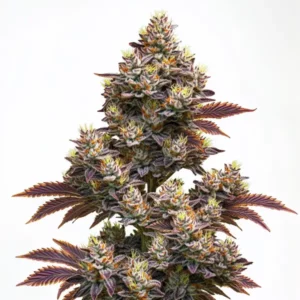
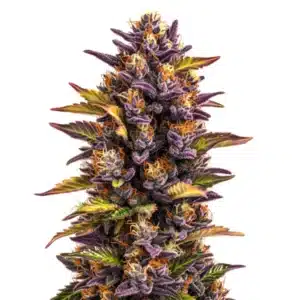
Purple Punch Autoflower

|
THC | 16% - 18% (Medium) |

|
Type | Autoflowering |

|
Yield | Low |

|
Phenotype | 80% Indica / 20% Sativa |
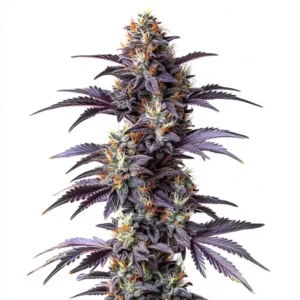
Mimosa Cake Auto
|
|
THC | 22% - 24% (Medium) |
|
|
Type | Autoflowering |
|
|
Yield | High |
|
|
Phenotype | 40% Indica / 60% Sativa |
For growers on Blimburn Seeds, mastering these methods is crucial, especially when selecting from our premium autoflower strains like Mimosa Cake Auto, Purple Punch Auto, and Z OG Auto. Let’s dive into the benefits and challenges of each approach.
Monoculture: focusing on a single strain
Monoculture, or growing cannabis alone, involves dedicating your grow space to a single strain. This method can lead to impressive results, especially for those aiming for consistency and predictability. Knowing the benefits of growing cannabis alone vs mixed planting helps growers decide whether to focus on one strain for uniform results or diversify their garden for resilience, variety, and improved soil health.
Streamlined growing conditions
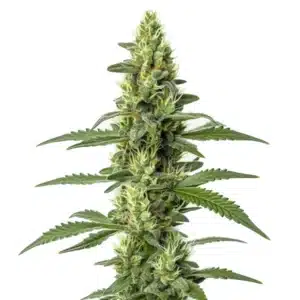
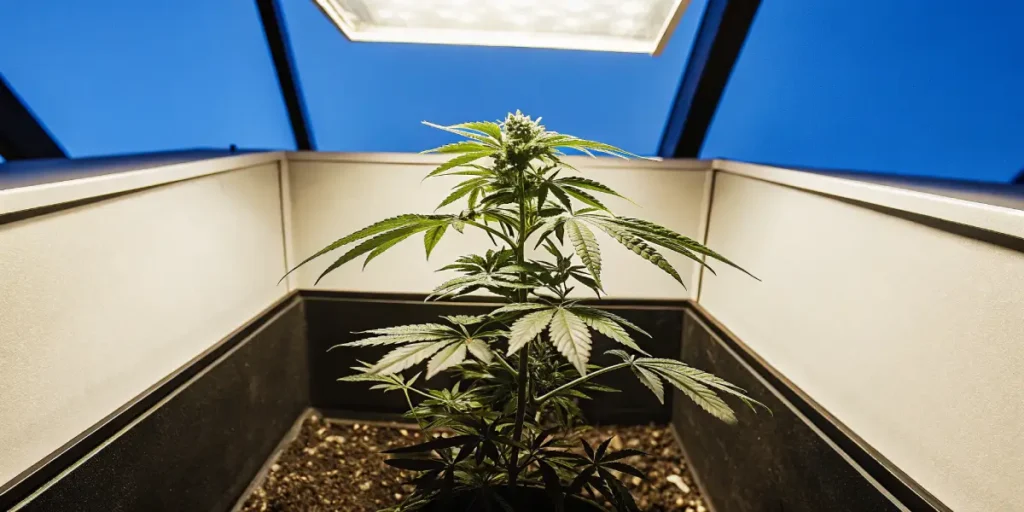
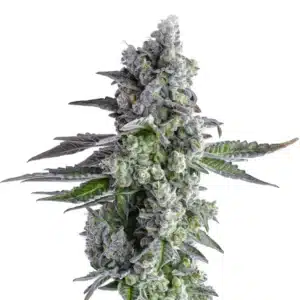
When you grow a single strain, you can precisely tailor the environment to its specific needs. This includes temperature, humidity, and nutrient levels. For instance, Mimosa Cake Auto thrives in a well-controlled indoor environment where these factors are optimized, leading to vigorous growth and flavorful, resin-rich buds.
Such control can simplify the cultivation process, making it easier to manage and predict outcomes. This is particularly beneficial for first-time growers who can focus on mastering the needs of one strain without the added complexity of multiple plant types.
Consistency and quality control
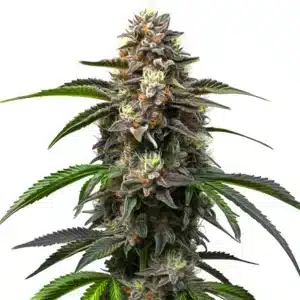
Monoculture allows for consistent quality across your harvest. When cultivating Purple Punch Auto, you can ensure that each plant receives the same care, leading to uniformity in flavor, aroma, and potency. This consistency can be a major advantage for commercial growers or those who want a predictable and premium-quality yield.
Additionally, focusing on one strain can help you become an expert in its cultivation, knowing its growth patterns, nutrient demands, and potential challenges. This knowledge can translate into higher yields and better quality over time.
Promos & Deals
Mixed planting: embracing diversity
Mixed planting involves growing different strains or plants together. This method can create a more resilient and dynamic growing environment, offering several ecological and practical benefits.
Ecological benefits and pest control
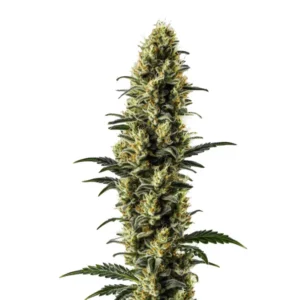
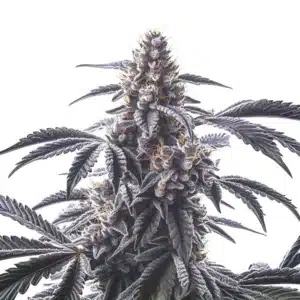
By planting diverse strains like Z OG Auto alongside other compatible plants, you can establish a balanced ecosystem that naturally deters pests. Certain companion plants act as natural repellents, reducing the need for chemical pesticides.
This diversity can also prevent the spread of diseases. If one plant variety is susceptible to a particular pest or pathogen, the presence of other plant types can act as a barrier, limiting the spread and minimizing damage.
Enhanced soil health and resource utilization
Mixed planting improves soil health by varying nutrient demands and contributions among plants. This diversity prevents nutrient depletion and promotes richer, more fertile soil over time.
For example, rotating cannabis with nitrogen-fixing plants enhances soil nitrogen levels, benefiting future cannabis crops. This natural cycle supports sustainable farming practices, reducing dependency on synthetic fertilizers.
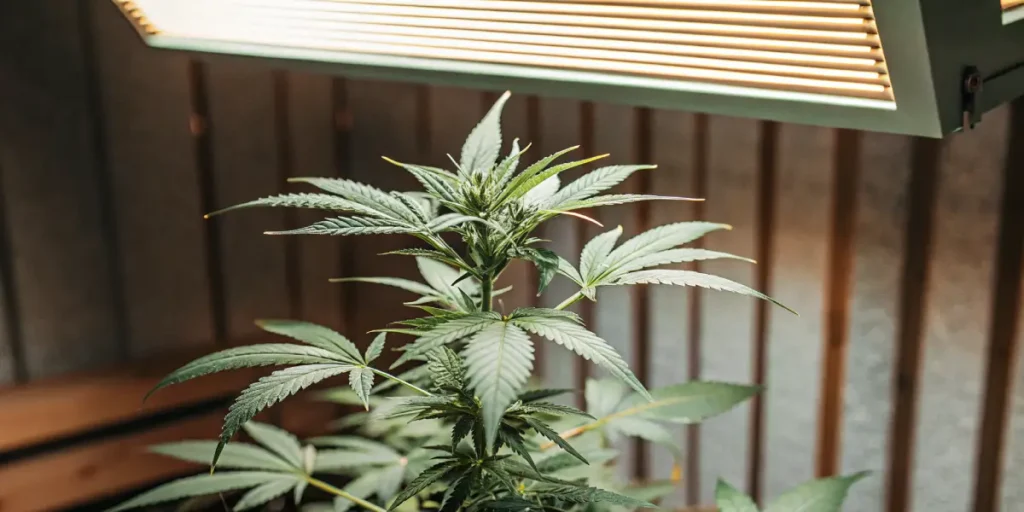
Benefits of growing cannabis alone vs mixed planting
The choice between growing cannabis alone and mixed planting depends on your goals, resources, and preferences. Each method offers distinct advantages suited to different cultivation styles.
Cannabis monoculture benefits comparison
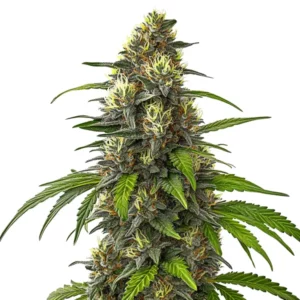
Monoculture provides streamlined operations and consistent outcomes, ideal for growers focused on producing large quantities of a single strain. Cultivators can maximize the traits of specific strains, such as the fast growth and dense buds of Forbidden Runtz Auto.
In contrast, mixed planting supports biodiversity and resilience. It is especially beneficial in outdoor settings where environmental factors are less controllable. By integrating various plants, growers can create a more adaptive and sustainable cultivation system.
FAQs about
Is it better to grow one strain or multiple strains of cannabis together?
Growing one strain allows for optimized conditions tailored to that particular plant’s needs. This can lead to greater yield consistency and ease in managing plant care. For example, when focusing on a strain like Bruce Banner Fast Version, growers can achieve high potency and yield by meeting the strain’s specific environmental demands.
On the other hand, growing multiple strains can offer variety in flavor and effects. It can also create a more resilient ecosystem, especially if different strains have varying resistance to pests and diseases. This approach may be more challenging but can yield diverse results that cater to a wider range of preferences.
What are the downsides of cannabis monoculture?
One downside of cannabis monoculture is the risk of pest and disease outbreaks. When all plants are genetically similar, a threat that affects one plant can quickly impact the entire crop. This can lead to significant losses if not managed properly.
Furthermore, monoculture can lead to soil nutrient depletion over time, as the same plant type continually draws the same nutrients from the soil. This necessitates more careful soil management and potential reliance on fertilizers to maintain soil health.
How does mixed planting benefit cannabis growers financially?
Mixed planting can reduce costs associated with pest control and soil management. By incorporating plants that naturally repel pests or improve soil health, growers can minimize the need for chemical interventions and fertilizers, cutting down on expenses.
Additionally, the diversity in plant types can lead to a more stable yield. If one strain underperforms due to environmental factors, others may thrive, providing a safety net that ensures a more consistent overall harvest.
Can mixed planting improve cannabis flavor and potency?
Mixed planting can indeed influence the flavor profile of cannabis. Companion plants may affect the terpene development in cannabis, leading to unique flavors and aromas. This can enhance the overall sensory experience of strains like Ricky Bobby.
While potency is largely determined by genetics, a healthy, balanced growing environment can maximize a plant’s potential. The improved soil health and reduced pest pressure associated with mixed planting can contribute to more robust growth, potentially enhancing potency.
What type of plants work well with cannabis in a mixed planting setup?
Plants that are known to repel pests or improve soil health make excellent companions for cannabis. Examples include marigolds, which repel nematodes, and clover, which can help fix nitrogen in the soil, benefiting cannabis plants.
Herbs like basil and mint can also be good companions, as they can deter pests while providing aromatic diversity. These plants can enhance the growing environment, contributing to the resilience and health of your cannabis crop.