Optimal Temperature and Humidity for Autoflower Seedlings

Autoflower seedlings thrive in a warm, humid environment: aim for about 65-70% relative humidity and temperatures of 68-77 F (20-25 C). Young seedlings have tiny, undeveloped roots and rely heavily on absorbing moisture through their leaves, so higher humidity prevents them drying out and stressing while the roots establish. As the seedling grows and the root system develops over the first couple of weeks, gradually lower humidity (toward 55-60%) to prepare it for the vegetative stage and discourage mold. Keep temperatures steady and avoid cold, wet conditions. Get this early environment right and your autoflowers get the strong, stress-free start that, because autos can’t make up lost time, largely sets up the whole grow.
Ideal Seedling Temp and Humidity
Target these and step humidity down as the seedling develops:
Recommended Strains

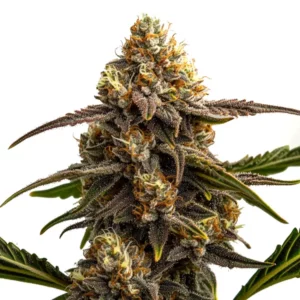
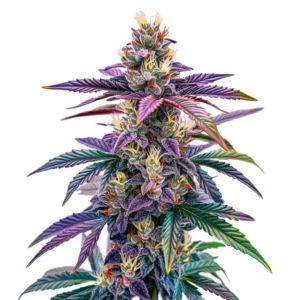
Pure Haze

|
THC | 14% - 22% (Medium) |

|
Type | Feminized |

|
Yield | High |

|
Phenotype | 20% Indica / 80% Sativa |

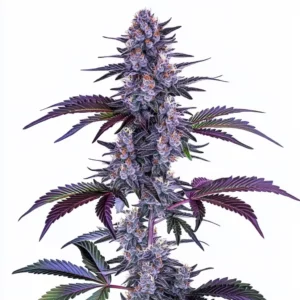
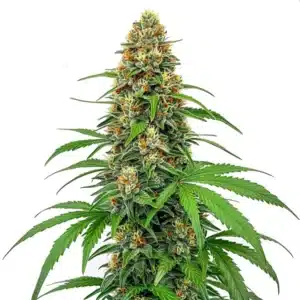
Pure Indica
|
|
THC | 14% - 19% (Medium) |
|
|
Type | Feminized |
|
|
Yield | Low |
|
|
Phenotype | 90% Indica / 10% Sativa |
| Stage | Temperature | Humidity |
|---|---|---|
| Just sprouted | ~68-77 F (20-25 C) | ~65-70% |
| Early seedling (1-2 weeks) | ~68-77 F (20-25 C) | ~60-65% |
| Into vegetative | ~70-82 F (21-28 C) | ~55-60% |
Slightly warmer days and not-too-cold nights, with high early humidity easing down over time, suit seedlings best.
Promos & Deals
Why Seedlings Need High Humidity
It seems backwards that seedlings want humidity when flowering plants want it low, but it makes sense given their biology. A fresh seedling has a tiny, fragile root system that cannot yet take up much water, so it relies heavily on absorbing moisture directly through its leaves from humid air.
If the air is too dry, the seedling loses water faster than its roots can replace it, leading to stress, slow growth and drooping. Warm temperatures, meanwhile, drive healthy early growth and root development, while cold, damp conditions stall seedlings and invite damping-off. So the warm, humid start is really about keeping a vulnerable plant hydrated and growing until its roots can take over, which is exactly why you then lower humidity as those roots develop.
How to Hold (and Step Down) Humidity
A humidity dome or propagator is the classic tool: it traps moisture around new seedlings to keep humidity high, and you crack it open gradually over days to acclimatise the plant and then remove it as the seedling establishes. In a tent or room, a humidifier helps hold the target, and grouping young plants can raise local humidity.
The key technique is the gradual step-down: start high (65-70%), then ease humidity lower week by week as roots develop, so by the time the plant is in full veg it is comfortable at more moderate levels. Avoid sudden swings. Keep the medium lightly moist but not soggy, since overwatering a seedling is as harmful as low humidity, and let the roots, not standing water, do the work.
Getting Temperature Right
Temperature works hand in hand with humidity. Aim for a steady 68-77 F (20-25 C) for seedlings, warm enough to drive growth and germination-stage vigor without heat-stressing the tiny plant. Avoid cold, which slows seedlings dramatically and, combined with damp medium, encourages damping-off and rot, and avoid large day-night temperature swings. A seedling heat mat can gently warm the root zone in a cool space, while good airflow prevents hot, stagnant pockets.
Remember that temperature and humidity interact: as a space cools at night, relative humidity rises, which can push a seedling’s environment too damp, so monitor both together. Keeping temperature steady and comfortable is half of giving autoflower seedlings their strong start.
Monitoring and Common Mistakes
You cannot manage what you do not measure, so a hygrometer-thermometer (ideally one logging min/max) near the seedlings is essential to catch night-time humidity spikes and temperature dips. Beyond that, the common mistakes are easy to avoid: letting the air get too dry (seedlings droop and stall), overwatering the medium (roots suffocate, damping-off), running too cold, and removing the dome too fast.
Make changes gradually and watch the plant respond, healthy seedlings stand up firm with fresh green growth. Because autoflowers run on a fixed clock, a stressed or stunted seedling cannot be ‘made up’ later, so these first two weeks genuinely matter. If early leaves discolor, check conditions first; see our note on leaves turning brown.
The Bottom Line on Autoflower Seedling Conditions
Give autoflower seedlings a warm, humid start, about 65-70% humidity and 68-77 F (20-25 C), because their tiny roots rely on leaf moisture from humid air, then step humidity down toward 55-60% over the first couple of weeks as the roots develop and the plant heads into veg.
Keep temperatures steady, avoid cold and overwatering, use a dome or humidifier plus a hygrometer, and change conditions gradually. Since autos can’t recover lost time, this stress-free start sets up the whole grow. Note it is the opposite of flowering, which wants low humidity.

FAQs About Autoflower Seedling Temp and Humidity
What humidity do autoflower seedlings need?
About 65-70% relative humidity. Young seedlings have tiny roots and absorb much of their moisture through their leaves from humid air, so high humidity prevents them drying out and stalling. As the roots develop over the first couple of weeks, gradually lower humidity toward 55-60% to prepare for the vegetative stage and discourage mold.
What temperature suits autoflower seedlings?
A steady 68-77 F (20-25 C) is ideal, warm enough to drive healthy early growth without heat-stressing the tiny plant. Avoid cold, which stalls seedlings and encourages damping-off, and avoid big day-night swings. A seedling heat mat helps in cool spaces, and good airflow prevents stagnant hot pockets.
Is 75% humidity too high for seedlings?
Not really, seedlings tolerate and even benefit from high humidity, so the low-to-mid 70s is acceptable early on, especially under a dome. The key is to step it down gradually toward 55-60% as the roots develop, rather than holding it that high into veg, when excess humidity starts to invite mold. High early, lower later.
Why is seedling humidity high but flowering humidity low?
Because their needs differ. Seedlings have tiny roots and rely on leaf moisture from humid air, so high humidity keeps them hydrated. Flowering plants have dense buds that trap moisture and rot in humid air, so they need it low (around 40-50%). You step humidity down across the grow, from high at seedling to low in flower.