5-Leaf Weed Plant: What Your Cannabis Leaves Are Telling You

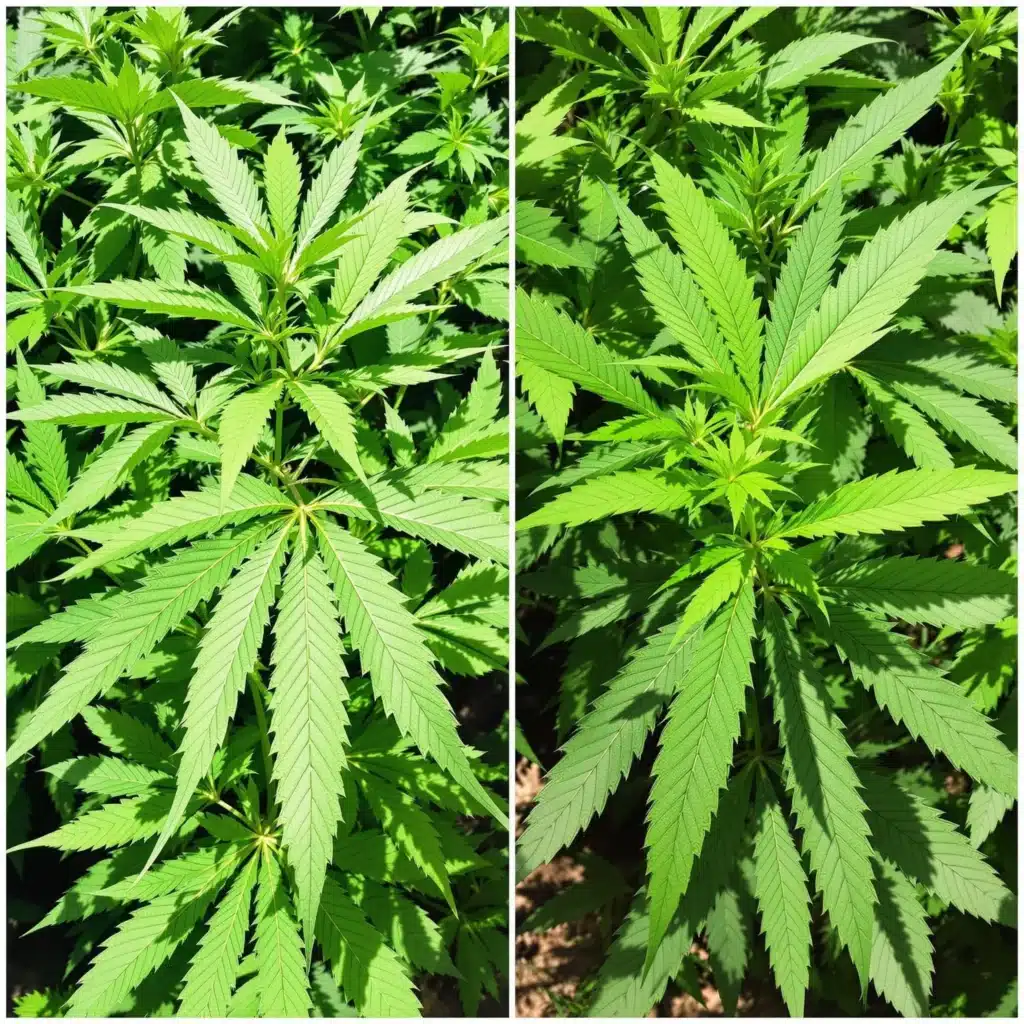
A 5-leaf weed plant is usually a healthy sign that the plant is moving into the vegetative stage. Leaflet counts naturally range from 1 to 13 depending on genetics and age, so the number of fingers matters far less than people think. The posture and color of the leaves tell you much more about the plant’s real health.
What the leaflet count does not tell you is just as important: it has no bearing on a plant’s potency, sex, or final quality. Seedlings naturally start with one to three leaflets, mature plants often settle at seven or nine, and the number climbs with vigor and genetics. A sudden change, like a mature plant reverting to single-finger leaves, is the more meaningful signal, usually pointing to light stress or an accidental re-vegetation rather than anything to do with the magic number five.
Recommended Strains

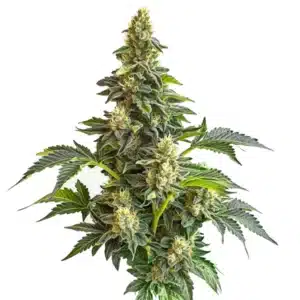
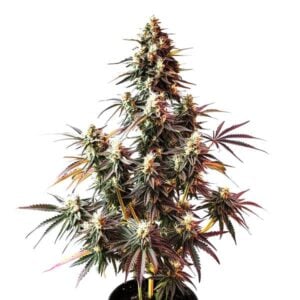
Silver Surfer Haze

|
THC | 20% - 25% (High) |

|
Type | Feminized |

|
Yield | High |

|
Phenotype | 20% Indica / 80% Sativa |

Super Silver Haze
|
|
THC | 22% - 24% (High) |
|
|
Type | Feminized |
|
|
Yield | High |
|
|
Phenotype | 10% Indica / 90% Sativa |
Beyond the 5-Leaf Weed Plant: Cannabis Leaf Morphology
The marijuana leaf is the plant’s main solar panel and metabolic factory. A common beginner myth is that the number of leaflets, often starting with the classic 5-leaf shape, tells you the quality or potency of a strain. It does not. Leaflet count simply follows the plant’s development: a seedling starts with two cotyledons, then a single serrated leaf, then a 3-finger leaf, reaching the iconic 5-leaf stage and often 7, 9 or 11 leaflets in vigorous sativas. How many fingers it adds depends heavily on the Daily Light Integral (DLI) in your grow room, so one real warning sign is a mature plant suddenly dropping from 7 leaflets back to 3 or 5, which usually means re-vegging or photoperiod stress from light leaks during the dark cycle.
Promos & Deals


5 Finger Fan Leaves: Meaning and Diagnosis
A 5-finger fan leaf usually means the plant is in early to mid-vegetative growth, when it needs plenty of nitrogen for chlorophyll and leaf expansion. A healthy leaf sits in a “praying” posture, angled 10-15 degrees upward, a sign that transpiration and nutrient uptake are working well. When leaves go limp or droop downward, it often points to a root-zone problem like overwatering, or a high VPD forcing the stomata shut.
Experienced growers watch runoff EC so leaves do not develop “the claw.” When leaf tips curl and turn brittle, it usually signals nutrient toxicity, a buildup of mineral salts that throws off the plant’s water balance and burns the tissue. The fix is to flush with pH-balanced water (5.8-6.2 for coco or hydro, 6.5 for soil) to reset the root zone before it affects the flowers.
Leaf Comparison: Sativa vs Indica vs Ruderalis
| Feature | Cannabis Sativa | Cannabis Indica | Cannabis Ruderalis |
|---|---|---|---|
| Leaf morphology | Long, slender fingers; often 9-13 leaflets | Wide, broad blades; often 7-9 leaflets | Small, rugged; often 3-5 leaflets |
| N-P-K sensitivity | Low tolerance; prone to nutrient burn | High tolerance; heavy feeders | Moderate; low N in veg |
| Primary terpenes | Limonene, pinene, terpinolene | Myrcene, linalool, caryophyllene | Variable; low psychoactive terpenes |
| Flowering trigger | Strict 12/12 photoperiod | Strict 12/12 photoperiod | Age-based (autoflowering) |
| PPFD threshold | 800-1200 µmol/m²/s | 600-1000 µmol/m²/s | 400-600 µmol/m²/s |
| Ideal VPD (flower) | 1.2-1.6 kPa | 1.1-1.4 kPa | 1.0-1.2 kPa |
Advanced Leaf Management: The Lungs of the Plant
Cannabis leaves act as the plant’s lungs and solar panels. Through the stomata on the underside of each leaf, the plant takes in CO2 and releases oxygen. In high-performance indoor grows, raising CO2 to 1200-1500 ppm can sharply boost photosynthesis, but only if you raise light intensity and temperature to match. Without that, the leaf cannot use the extra carbon, which leads to metabolic “choking” and nutrient lockout.
Pruning is a balancing act. Removing lower leaves that get less than 100 µmol/m²/s of light (“lollipopping”) improves airflow and sends energy to the top colas, but over-defoliation stunts growth. Strip too many fan leaves and the plant slows its hormone production and vascular flow. The veteran rule: never remove more than 20% of healthy leaves in one session, so the plant keeps enough “battery” for flowering. See our full guide on how to defoliate.
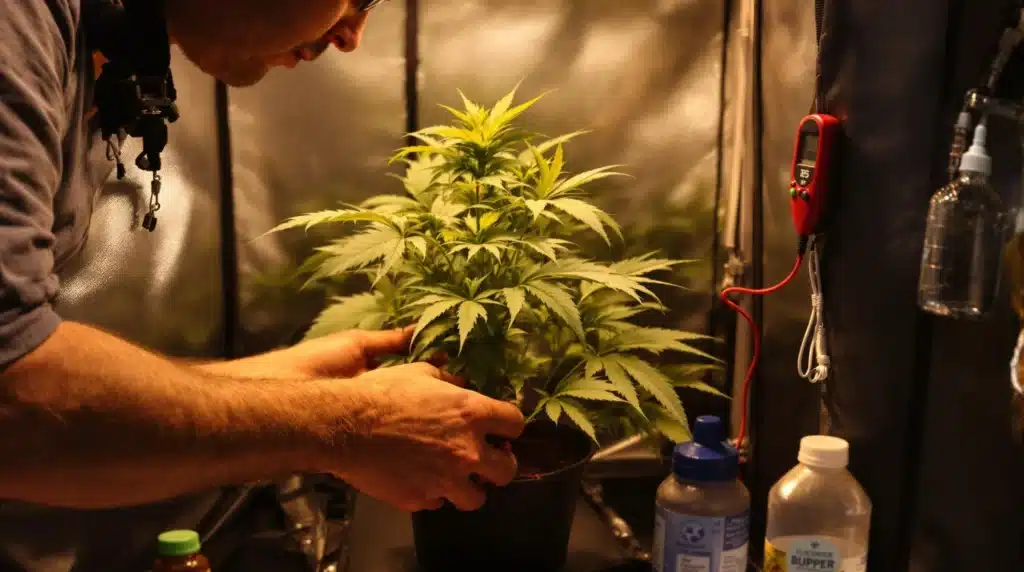
Professional Cultivator Tips
- Check the leaf underside: use a 60x jeweler’s loupe every 3 days. Pests like spider mites start as tiny dots before white spotting shows on top.
- The “praying” test: if the leaf tips point almost straight up, your light is too intense; if the leaf is flat or drooping, PPFD is too low or you have root rot.
- Anthocyanin check: if leaves turn purple, check night temperatures. Below 60°F (15°C) triggers purple pigments, which look nice but can slow metabolism if too cold.
- Magnesium check: yellowing between the veins (interveinal chlorosis) usually means a magnesium deficiency. Use Epsom salts at 1 gram per gallon to fix it without shifting pH.
FAQs About Weed Leaves
What does a weed leaf look like?
A weed leaf is a palmate fan leaf with serrated, finger-like leaflets radiating from a central point, usually deep green. Mature plants most often show 5 or 7 pointed fingers, though counts range from 1 to 13. Sativa leaves are long and slender; indica leaves are broad and wide, which is the fastest way to tell them apart.
How many leaves does a weed plant have?
A cannabis plant grows hundreds of leaves over its life, and the number of fingers per leaf changes with age. It begins with single-blade leaves, then 3, then the classic 5-leaf stage, and finally 7 to 13 leaflets on mature plants. Genetics and stress can make these numbers fluctuate throughout the cycle.
What do 5 finger fan leaves mean for plant health?
A healthy 5-finger fan leaf usually means the plant has left the fragile seedling stage and entered full vegetative growth. It signals the plant has enough energy to build more complex structures and can handle higher nutrient concentrations (a higher EC). Posture and color still tell you more about its health than the finger count.
Why does my 5-leaf cannabis plant have yellowing lower leaves?
Yellowing lower leaves is usually a mobile nutrient deficiency, most often nitrogen: the plant pulls it from older bottom leaves to feed new top growth. Nudge up your base N-P-K a little, and if the plant is over 8 weeks old, check for root binding, which can cause the same symptom.
5 leaf vs 7 leaf weed: which produces better buds?
Leaflet count does not directly decide bud quality. That said, a 7 or 9-finger leaf usually comes from a plant with more photosynthetic capacity, which can mean bigger yields when light, CO2 and nutrients are dialed in. So a 5-leaf plant is not worse; it is often just younger or a different genetic type.
Is a 7-leaf weed plant rarer than a 5-leaf one?
No. A 7-leaf weed plant is completely standard for most established indica and sativa hybrids. The 5-leaf stage is simply more common in early vegetative growth, while 7 to 9 leaflets are the norm on a mature plant in peak veg or early flowering. Neither is rare or better; they are just different growth stages.