Cannabis Oil Powder: The Avant-Garde Technique to Elevate Your Home Cooking

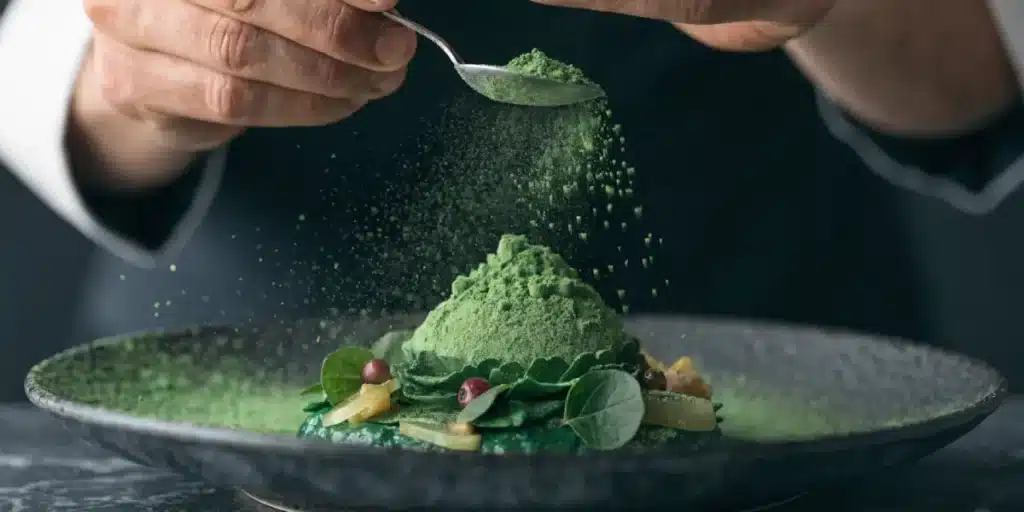
Contemporary haute cuisine is no longer defined solely by the quality of primary ingredients, but by a chef’s ability to transform those ingredients into unexpected sensory experiences. One technique that has captivated diners in avant-garde gastronomic temples is the creation of cannabis oil powder, a physical metamorphosis that allows liquid fats to be presented in solid, ethereal, and crumbly textures. Applying this technique to cannabis seed oil opens a new culinary dimension, where the plant’s vibrant emerald green color and earthy aroma are presented as a fine “snow” that melts instantly upon contact with the palate.
Bringing this technique from the kitchens of master chefs into your own home is much simpler than its sophisticated appearance suggests. It is not a matter of complex chemistry, but rather a physical phenomenon of absorption that allows us to play with contrasts in temperature and texture. By converting cannabis oil into powder, we gain absolute control over plating, preventing the oil from “bleeding” into other ingredients and ensuring its flavor is released only at the exact moment of tasting. At Blimburn Seeds, we believe innovation should be accessible, and mastering this “cannabis powder” is the first step in turning any domestic dinner into a high-end gastronomic display.
Recommended Strains

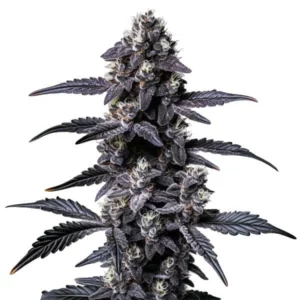
The Toad

|
THC | 27% - 32% (High) |

|
Type | Feminized |

|
Yield | High |

|
Phenotype | 60% Indica / 40% Sativa |

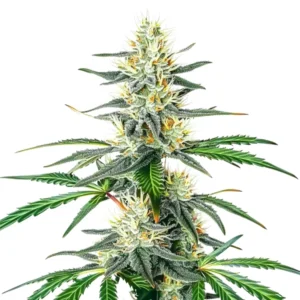
Permanent Marker
|
|
THC | 32% - 34% (High) |
|
|
Type | Feminized |
|
|
Yield | High |
|
|
Phenotype | 50% Indica / 50% Sativa |
The Science of the Powder: The Role of Tapioca Maltodextrin
To perform this culinary miracle, we need a specific ally: tapioca maltodextrin (known in professional kitchens by brand names like Maltosec). This is a carbohydrate with an extremely low density that possesses the astonishing ability to absorb fats without altering the flavor of the original ingredient. Maltodextrin acts as a molecular sponge: it surrounds the micro-droplets of the cannabis oil powder and holds them in a solid, volatile structure. What is fascinating about this compound is that it is highly water-soluble; therefore, when it hits the tongue, the carbohydrate structure dissolves in milliseconds, releasing the cannabis oil in its pure, liquid state inside the mouth.
Using this ingredient allows you to transform a healthy fat, rich in Omega-3 and Omega-6, into a decorative element with high visual impact. Unlike other thickeners that can leave a gummy or floury sensation, tapioca maltodextrin disappears without a trace, leaving the spotlight entirely on the cannabis terpene profile. It is a clean, odorless, and technical method that allows cannabis oil to become an elegant “topping,” ideal for dishes where we want to provide the lipid richness of the seed without resorting to the classic drizzle of oil that often floods the bottom of the plate.
Promos & Deals
Cannabis Oil as a Chromatic and Aromatic Protagonist
Oil extracted from cannabis seeds is, visually, one of the most beautiful oils in existence. Its deep green hue, a result of the chlorophyll present in the seed, translates into a powder with a pale pistachio tone that is extremely attractive on top of contrasting colored dishes. When we transform this oil into powder, we are creating a green “snow” that doesn’t just provide flavor; it functions as a chromatic accent that elevates the aesthetics of any preparation. It is the most sophisticated way to tell your guests that what they are about to eat has been designed with artistic and botanical intent.
From an aromatic standpoint, cannabis oil powder concentrates the nutty and dry hay notes characteristic of the plant. By being in powder format, the surface area in contact with the air is greater, allowing the aromas to reach the olfactory bulb more quickly just before ingestion. This “volatility” of flavor is what makes the technique so prized: the diner first perceives the aroma, then the slightly crunchy texture of the powder, and finally, the liquid explosion of the oil. It is a complete sensory journey that highlights the quality of the cannabis seed as a luxury ingredient.
Practical Applications: The Art of Decorating Tartares and Salads
For tartares whether mutton, red tuna, or beetroot for vegan versions cannabis oil powder is the perfect counterpoint. A tartare usually has a soft, minced texture; adding a “snow” of cannabis on top provides a layer of complexity that does not interfere with the juiciness of the meat but rather envelops it in a cloud of healthy fat. At the first bite, the powder turns back into oil, integrating with the tartare’s dressing in a much more elegant way than if it had simply been mixed in during preparation.
In the world of salads, this technique allows for a surprise factor. Imagine an heirloom tomato salad where the dressing is not liquid but presented in the form of green powder “rocks” that crumble when pierced. This prevents green leaves from wilting prematurely due to the acidity and weight of the oil, keeping the vegetables fresh until the last moment. Additionally, the powder allows for a more controlled distribution of the cannabis flavor, letting each ingredient in the salad shine on its own until the diner decides to mix them on their palate.
The Recipe: Creating Cannabis “Snow” in Three Minutes
To perform this technique at home, you only need two ingredients and a whisk or a fine sieve. The standard ratio is approximately 2 parts maltodextrin to 1 part cannabis oil, though this can vary depending on the intensity you desire. Place the maltodextrin in a large bowl and slowly pour in the cannabis oil while whisking gently. You will see how, almost instantly, the white powder begins to absorb the oil and turn a greenish hue, forming small rocks or a fine, light sand.
Once the mixture is achieved, the professional secret is to pass the result through a fine strainer or sieve, rubbing with the back of a spoon. This will break up any large clumps and give you a perfect, homogeneous “snow” texture, ready to be sprinkled over your dishes. If you have any left over, you can store it in an airtight container in a cool, dry place for several days, although it is best consumed quickly to maintain its aromatic freshness. It is a quick preparation that guarantees an immediate “wow” effect at any dinner party, proving that culinary avant-garde is within reach of anyone who dares to experiment.
Blimburn Innovation: Genetics That Melt on the Palate
At Blimburn Seeds, our obsession with genetic excellence leads us to value every part of the plant, and the seed oil is one of its purest manifestations. Promoting techniques like cannabis oil powder is our way of showing that cannabis culture is sophisticated, technical, and deeply linked to modernity. We are not just talking about food; we are talking about applying botanical knowledge to the engineering of flavor, treating our genetics with the respect and elegance they deserve.
This avant-garde approach completes the circle of our philosophy: from the collector’s seed to the most refined plating technique. Cannabis powder is the symbol of a plant that has traveled through eons to adapt to our most demanding needs, including aesthetic and gastronomic pleasure. We invite you to become the chef of your own garden and your own kitchen, using these tools to rediscover cannabis as the definitive ingredient of the modern era capable of melting on your palate and transforming your perception of what is possible at the table.
FAQs: Cannabis Oil Powder (The “Snow” Technique)
What is the science behind turning cannabis oil into powder?
The process relies on a physical phenomenon called fat absorption using tapioca maltodextrin. This low-density carbohydrate acts as a “molecular sponge” that encapsulates tiny droplets of cannabis oil. Because maltodextrin is highly water-soluble, it holds the oil in a solid, powdery state until it touches your tongue, where it dissolves instantly and releases the liquid oil.
Does this process change the nutritional benefits of the cannabis oil?
No. Since this is a cold technique that doesn’t involve heat, the delicate Omega-3 and Omega-6 fatty acids and the terpene profile of the cannabis seed oil remain intact. It is a “clean” way to add healthy fats to a dish without the oil becoming oxidized or rancid, which often happens when cooking at high temperatures.
What is the standard ratio for creating the perfect cannabis “snow”?
The professional standard is a 2:1 ratio by volume (approximately 2 parts maltodextrin to 1 part cannabis oil). However, you can adjust this depending on the desired texture: more maltodextrin will yield a finer, lighter “snow,” while slightly less will create small, flavorful “oil rocks” or crumbles.
Why is cannabis powder better for plating than traditional liquid oil?
Technically, it offers plating precision. In dishes like salads or tartares, liquid oil tends to pool at the bottom of the plate or wilt delicate greens through acidity and weight. The powder remains on top of the ingredients, maintaining the structural integrity of the dish and ensuring the flavor is only released the moment the guest takes a bite.