What is Humulene Terpene? Strains, Benefits, and Effects

Quick Summary: Humulene is a powerful anti-inflammatory sesquiterpene found in cannabis and hops. Unique for its appetite-suppressant properties, it offers a woody, spicy aroma. Strains high in humulene, like Cafe Racer and Zookies, are favored for therapeutic relief and non-psychoactive metabolic support.
What is Humulene Terpene? A Deep Dive into Sesquiterpene Science
Humulene, also known as α-caryophyllene, is a dominant sesquiterpene characterized by its three isoprene units (C15H24). Unlike monoterpenes, sesquiterpenes like humulene are less volatile and possess a higher boiling point, typically around 106-107°C (223-225°F). In the biosynthetic pathway of the cannabis plant, humulene is synthesized within the secretory cells of glandular trichomes. Its primary biological function is defensive; it acts as a sophisticated deterrent against various insect pests and fungal pathogens, ensuring the plant’s survival through the late flowering stages.
Recommended Strains
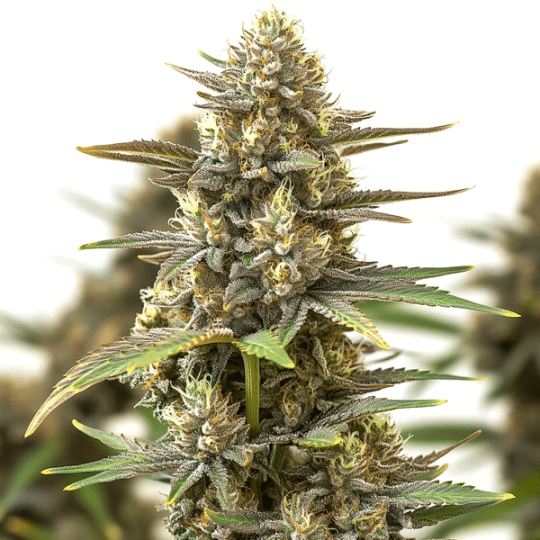
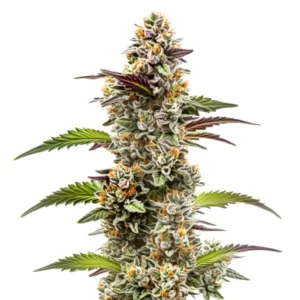
Berry Z OG

|
THC | 15% - 19% (Medium) |

|
Type | Feminized |

|
Yield | High |

|
Phenotype | 60% Indica / 40% Sativa |

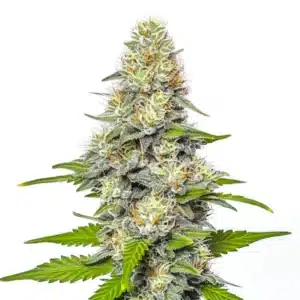
Banana Z OG
|
|
THC | 30% - 32% (High) |
|
|
Type | Feminized |
|
|
Yield | Medium |
|
|
Phenotype | 60% Indica / 40% Sativa |
From a clinical perspective, humulene is a cornerstone of the Entourage Effect. When humulene interacts with cannabinoids like THC and CBD, it modulates the body’s CB1 and CB2 receptors indirectly, primarily through its potent anti-inflammatory pathways. This synergy allows for lower therapeutic doses of cannabinoids while achieving superior analgesic results. Its presence in high-quality cannabis is often a marker of a mature, well-cured floral profile where complex secondary metabolites have had time to fully develop.
Promos & Deals
Humulene Terpene Effects and Bioavailability
The physiological effects of humulene are distinct and multifaceted. Most notably, it acts as an anorectic agent, meaning it can suppress appetite. This is a rare trait in the cannabis world, where many terpenes and cannabinoids (specifically THC) are known to stimulate hunger. By inhibiting specific signaling pathways in the brain’s hunger centers, humulene-rich strains offer a specialized option for patients managing obesity or metabolic syndromes who still require the medicinal benefits of cannabis.
Furthermore, humulene exhibits systemic anti-inflammatory properties comparable to certain pharmaceutical-grade steroids. It works by inhibiting the production of prostaglandin E2 and reducing cyclooxygenase-2 (COX-2) expression. This biological “why” explains its effectiveness in treating chronic conditions such as Crohn’s disease, arthritis, and localized swelling. Because it is non-psychoactive, humulene provides these systemic benefits without altering the user’s cognitive state, making it ideal for daytime therapeutic applications.
Technical Comparison of Humulene-Rich Cannabis Strains
| Strain Name | Cultivation Type | Terpene Synergy | Est. Humulene % | Optimal Light Cycle | Flowering Time |
|---|---|---|---|---|---|
| Cafe Racer Auto | Autoflower | Humulene + Myrcene | 0.5% – 0.9% | 20/4 (PAR 800+) | 8 – 9 Weeks |
| Berry Z OG | Photoperiod | Humulene + Limonene | 0.4% – 0.7% | 12/12 (Flower) | 9 – 10 Weeks |
| Zookies | Photoperiod | Humulene + Linalool | 0.6% – 1.1% | 12/12 (Flower) | 8 – 9 Weeks |
| Girl Scout Cookies | Photoperiod | Humulene + Caryophyllene | 0.3% – 0.6% | 12/12 (Flower) | 9 – 10 Weeks |
| White Widow | Photoperiod | Humulene + Pinene | 0.2% – 0.5% | 12/12 (Flower) | 8 – 9 Weeks |
Humulene Benefits in Modern Horticulture
In advanced cultivation, humulene production is often used as a benchmark for environmental optimization. To maximize humulene benefits and concentrations, growers must maintain a strict Vapor Pressure Deficit (VPD) during the late bloom phase. High intensity lighting, measured via PPFD (Photosynthetic Photon Flux Density), should peak between 800-1000 μmol/m²/s. However, because terpenes are highly volatile, temperatures must be kept strictly below 26°C (79°F) to prevent the humulene molecules from evaporating before harvest.
The antibacterial and anti-fungal properties of humulene provide a natural shield against Botrytis cinerea (gray mold). Strains with a high genetic predisposition for humulene synthesis tend to have higher survival rates in humid environments. Cultivators can encourage this by using organic inputs rich in phosphorus and potassium during the transition to flower, while ensuring a proper “flush” period of 7-10 days with RO (Reverse Osmosis) water to allow the plant to utilize stored nutrients and focus energy on secondary metabolite (terpene) maturation.
Expert Tips for Maximizing Humulene Production
- Control Ultraviolet Exposure: Supplementing with UV-B light during the final 2-3 weeks of flowering can trigger a stress response that increases trichome density and terpene concentrations, including humulene.
- Cold Curing is Critical: After harvest, dry your buds slowly at 15-18°C (60-65°F) with 50-55% humidity. Standard drying at higher temperatures will destroy the delicate humulene profile.
- Autoflower Precision: For high-humulene autoflowers like Cafe Racer, never use a 12/12 cycle. Stick to 18/6 or 20/4 to provide the Daily Light Integral (DLI) required for heavy resin production.
- Avoid Over-Feeding: Excessive nitrogen during mid-to-late flower can inhibit the synthesis of complex sesquiterpenes. Taper off nitrogen early to allow the plant to “fade” and boost aromatic complexity.
- Glandular Integrity: Use surgical gloves during manicuring to prevent rupturing the delicate resin heads where humulene is stored. Friction is the number one enemy of terpene potency.

What are humulene terpenes and their primary health benefits?
Humulene is a sesquiterpene found in cannabis, hops, and sage. Its primary health benefits include potent anti-inflammatory action, antibacterial properties, and a unique ability to act as an appetite suppressant. Unlike most cannabis compounds, it helps regulate metabolism, making it a valuable tool for weight management and chronic pain relief without inducing the “munchies.”
What are the most common humulene terpene effects on the user?
The most common effects of humulene include systemic physical relaxation, reduced localized swelling, and appetite suppression. It works synergistically with other terpenes to create a “heady” but physically calming experience. Because it is non-psychoactive, it mitigates some of the inflammation-related discomfort without adding to the intoxicating intensity of the THC high.
Which humulene strains are best for medicinal use?
Strains like Cafe Racer, Zookies, and Berry Zkittlez are top choices for medicinal users. Cafe Racer is particularly effective for stress and mood regulation, while Zookies is favored for deep physical analgesia. These strains leverage high humulene levels to provide relief from inflammatory conditions like arthritis while maintaining a clear-headed, energetic profile.
How does humulene contribute to the Entourage Effect in cannabis?
Humulene enhances the Entourage Effect by facilitating the transport of cannabinoids across cellular membranes and inhibiting inflammatory markers that cause pain. It balances the effects of THC, specifically suppressing hunger signals, which allows for a more targeted medicinal experience. This chemical synergy ensures that the total therapeutic impact is greater than the sum of individual cannabinoids.