Linalool Terpene: Effects, Benefits and Aroma

Quick answer: Linalool is a floral, lavender-scented terpene found in cannabis as well as in lavender, mint and many flowers. It is most associated with calming, relaxing and stress-easing effects, which is why linalool-rich strains are often described as soothing. Early research also explores anti-anxiety and anti-inflammatory potential, though evidence is still limited. On its own linalool is non-intoxicating; it shapes aroma and may influence a strain’s overall feel. This is general information, not medical advice.
Linalool is one of the most recognisable terpenes in nature, the compound behind lavender’s calming, floral scent, and it appears in many cannabis strains too. Because of that association with relaxation, linalool is often highlighted when people discuss which terpenes make a strain feel soothing rather than racy, and it is a favourite topic for anyone interested in the aromatic, potentially therapeutic side of cannabis.
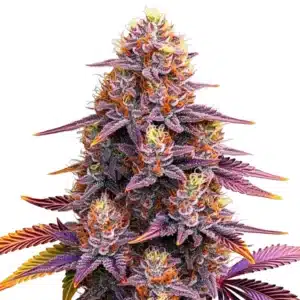
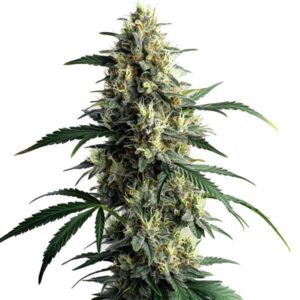
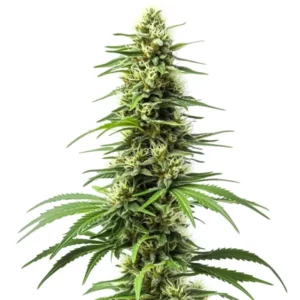
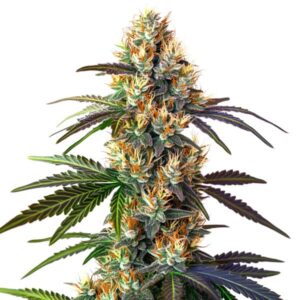
Recommended Strains


This guide covers what linalool is, how it smells and tastes, its associated effects and benefits, whether it is intoxicating, and which strains tend to be rich in it. Throughout, keep in mind that terpene research is still early and individual, so this is general, educational information rather than medical advice.
| Linalool at a glance | |
|---|---|
| Aroma / flavour | Floral, lavender-like, slightly sweet and spicy |
| Also found in | Lavender, mint, cinnamon, coriander, many flowers |
| Associated effects | Calming, relaxing, stress-easing (early research) |
| Common in strains like | Lavender-leaning, relaxing indica and hybrid varieties |
What Is Linalool?
Linalool is a naturally occurring terpene, an aromatic compound, found in over 200 plants, most famously lavender, as well as mint, cinnamon and coriander. In cannabis, it is one of many terpenes that combine to create a strain’s unique scent and character. It is responsible for soft, floral, lavender-like aromas with a subtle sweet-spicy edge.
Like all terpenes, linalool is not unique to cannabis and is widely used in the fragrance and food industries for its pleasant smell. On its own it does not get you high, terpenes are non-intoxicating, but it contributes to how a strain smells, tastes and, many believe, feels, as part of the combined ‘entourage effect’ with cannabinoids and other terpenes.
Promos & Deals


Aroma and Flavour of Linalool
Linalool’s signature is its floral, lavender-like aroma, soft, calming and instantly recognisable, often with gentle hints of citrus, spice and sweetness underneath. In cannabis, a strain high in linalool tends to smell soothing and perfumed rather than sharp or gassy, which many people find especially pleasant.
On the palate, linalool carries that same floral character into the flavour, a smooth, slightly sweet and spicy, lavender-tinged taste. It rarely dominates alone; instead it rounds out and softens a strain’s overall profile, pairing with fruitier or earthier terpenes. If a strain strikes you as ‘relaxing and floral’ to smell and taste, linalool is often part of the reason.
Potential Benefits of Linalool
Linalool is one of the most studied terpenes for wellbeing, and early research explores its potential calming, anti-anxiety, sleep-supporting and anti-inflammatory properties, much of the interest stems from lavender’s long traditional use for relaxation. In cannabis, linalool-rich strains are frequently chosen by people looking for a soothing, stress-easing experience rather than a stimulating one.
It is important to keep expectations realistic: most of this research is preclinical or early, effects vary by person and depend on the strain’s full chemical profile, and none of this is medical advice. Enjoy linalool for its calming reputation and lovely aroma, but treat specific health claims cautiously. For relaxing strains generally, see our guide on cannabis strains for sleep, and for terpenes studied for mood, the best terpenes for depression and anxiety.

Strains High in Linalool
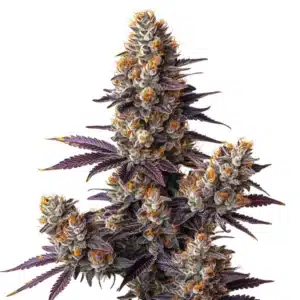
If you want to experience linalool, look for strains known for a floral, lavender-like, soothing character. Classic examples include lavender-named and purple, relaxing varieties, as well as many indica-leaning strains chosen for a calm, mellow feel. The tell is in the aroma: a soft, perfumed, slightly spicy-floral scent rather than a sharp, citrusy or gassy one usually signals linalool in the mix.
That said, terpene content varies between phenotypes and grows, so two batches of the ‘same’ strain can differ in how much linalool they carry. The only way to know for certain is a lab terpene report (certificate of analysis), which lists each terpene present. If a soothing, floral, relaxing experience is your goal, choosing linalool-forward genetics, confirmed by a COA where possible, is the way to get it.
FAQs
What is linalool and what does it do?
Linalool is a floral, lavender-scented terpene found in cannabis and in plants like lavender and mint. It is most associated with calming, relaxing, stress-easing effects and is studied for anti-anxiety and anti-inflammatory potential, though evidence is early. On its own it is non-intoxicating; it shapes aroma and a strain’s feel. Not medical advice.
What does linalool taste and smell like?
Linalool has a soft, floral, lavender-like aroma with subtle sweet, citrus and spice notes, and that character carries into the flavour as a smooth, slightly sweet, floral-spicy taste. In cannabis it makes a strain smell and taste soothing and perfumed rather than sharp or gassy, usually rounding out other terpenes.
Does linalool get you high?
No. Linalool is a terpene, not a cannabinoid, so on its own it is non-intoxicating and will not get you high. It contributes aroma, flavour and, many believe, a calming influence on a strain’s overall feel through the entourage effect with cannabinoids like THC. This is general information, not medical advice.
Which strains are high in linalool?
Strains with a floral, lavender-like, soothing character, often lavender-named, purple or relaxing indica-leaning varieties, tend to be rich in linalool. A soft, perfumed, spicy-floral aroma (rather than sharp citrus or gas) is the clue. Because terpene levels vary by phenotype and grow, a lab terpene report is the only way to confirm linalool content.
Is linalool good for sleep?
Linalool is widely associated with calming, relaxing effects, which is why lavender (rich in linalool) is a traditional sleep aid and why linalool-forward cannabis strains are often chosen for unwinding. Research is still early, and effects depend on the whole strain and the person. This is general information, not medical advice.