Best CBD Strains for Arthritis and Rheumatoid Arthritis Pain

This article is general information, not medical advice. Cannabis and CBD are not a cure for arthritis and should not replace prescribed treatment such as DMARDs or biologics. Evidence is still limited, so talk to your doctor or rheumatologist before using cannabis, especially alongside other medication.
Quick answer: For arthritis, most people do best with high-CBD, low-THC strains rich in anti-inflammatory terpenes, such as Harlequin, ACDC and Cannatonic. These may help ease joint pain and stiffness with little or no intoxication, which suits daytime use, but they are a complement to medical care, not a replacement, and responses vary a lot.
Recommended Strains
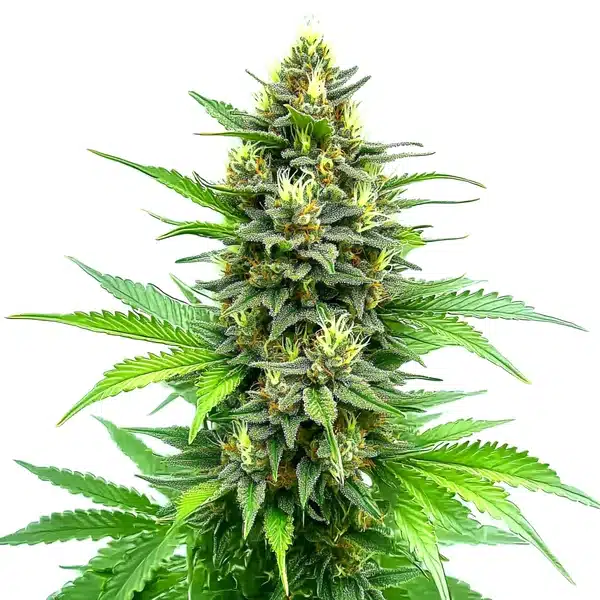
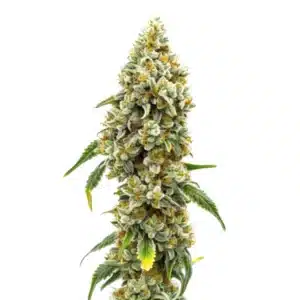
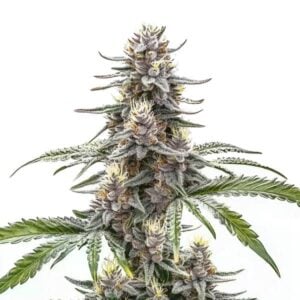
Carmagnola CBD

|
CBD | 9% – 12% (Medium) |

|
Type | CBD Feminized |

|
Yield | Medium |

|
Phenotype | 20% Indica / 80% Sativa |

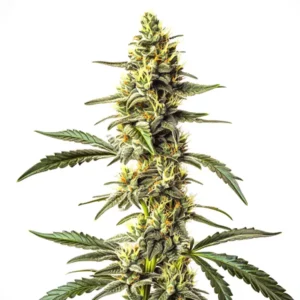
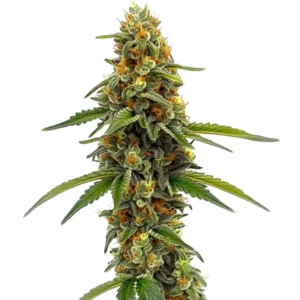
Cannatonic

|
THC | 4% - 6% (Low) |
|
|
Type | Feminized |
|
|
Yield | High |
|
|
Phenotype | 50% Indica / 50% Sativa |
How CBD and THC May Help Arthritis
Both CBD and THC act on the body’s endocannabinoid system, which helps regulate pain and inflammation, and this is why cannabis is studied for joint conditions. CBD is the one most associated with anti-inflammatory activity and, importantly, it is non-intoxicating, so high-CBD strains can take the edge off discomfort without a strong high.
THC can add to pain relief too, but it brings intoxication, which is why balanced or CBD-dominant ratios are usually preferred for daytime arthritis management. It is worth being clear that much of this evidence is still emerging rather than settled, so cannabis is best seen as a possible complement to, not a substitute for, proven anti-rheumatic treatment.
| Feature | Harlequin | ACDC | Cannatonic |
|---|---|---|---|
| CBD content | 15-20% | 16-20% | 12-15% |
| THC content | 5-10% | 1-6% | 6-9% |
| Dominant terpene | Myrcene | Pinene | Caryophyllene |
| Psychoactive effect | Low | Very low | Low |
| Best for | Daytime relief | Clear-headed use | Balanced relief |
Promos & Deals
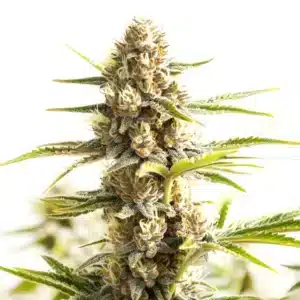
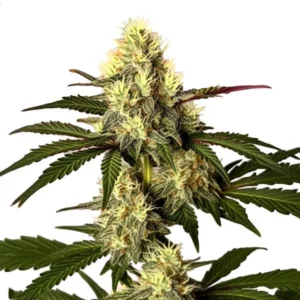
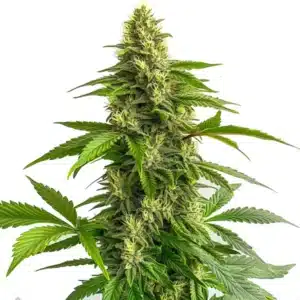
Best CBD Strains for Arthritis Pain
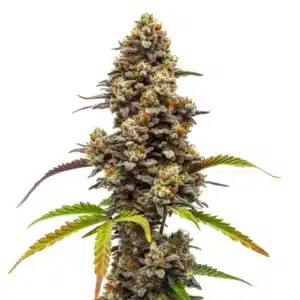
The strains people reach for most are high-CBD classics. Harlequin keeps you clear-headed thanks to its high CBD and modest THC, making it a popular daytime choice. ACDC goes even further, with so little THC that most users feel barely any high while still getting relief. Cannatonic rounds out the group with a balanced, gentle profile.
If you want to grow your own supply, these sit in the high-CBD category; browse our CBD seeds to find similar genetics. As with any strain, start low and track what actually helps your symptoms, since the ‘best’ strain is the one that works for your body and tolerance.
Terpenes That May Ease Inflammation
Terpenes do more than shape aroma; several are studied for anti-inflammatory potential that may complement CBD. Beta-caryophyllene is the standout, because it interacts with CB2 receptors involved in the body’s inflammatory response, while myrcene is linked to relaxation and pinene to a clearer head. You can read how these work in our guide to trichomes and terpenes.
Think of terpenes as part of the whole-plant picture rather than a treatment on their own. Choosing a strain whose terpene profile leans anti-inflammatory, on top of a solid CBD content, is a sensible way to stack the odds, but it is still no substitute for medical guidance.
Using Cannabis Alongside Your Treatment
If you do explore cannabis for arthritis, the safest approach is ‘start low, go slow’: begin with a small dose of a high-CBD strain and increase gradually while tracking your pain, stiffness and side effects. Many people use it to complement conventional treatment rather than replace it, which can mean better symptom control.
Crucially, do this in conversation with your doctor, because cannabis and CBD can interact with other medications and are not right for everyone. Never stop a prescribed arthritis treatment to switch to cannabis on your own, and remember that what helps one person may do little for another.
When choosing a product, look past the strain name to three things: the CBD-to-THC ratio, the terpene profile, and the format. A high-CBD ratio keeps you functional, an anti-inflammatory terpene profile (think caryophyllene) may add benefit, and the format decides how you feel it. Flower and vapes act fast but briefly, edibles last longer, and topicals target a specific joint without any high at all.
Formats matter more for arthritis than many people expect. A CBD topical rubbed into a painful knuckle or knee acts locally and is non-intoxicating, which suits daytime relief, while an oil or capsule gives longer, whole-body effects for background pain. Many people combine a topical for flare-ups with a low oral dose, but as always, run the plan past your doctor first.

FAQs about Cannabis for Rheumatoid Arthritis
What is the best CBD strain for arthritis pain?
High-CBD, low-THC strains are the usual choice, with Harlequin, ACDC and Cannatonic among the most popular for joint pain and stiffness. They aim to ease inflammation with little intoxication. The best one depends on your body and tolerance, so start low and, ideally, discuss it with your doctor first.
Does cannabis help rheumatoid arthritis?
Some people report less pain and stiffness, and CBD in particular is studied for anti-inflammatory effects, but the evidence is still limited and cannabis is not a proven treatment or cure. It may complement medical care, not replace disease-modifying drugs. Always consult a rheumatologist before using it for RA.
CBD or THC for arthritis: which is better?
For most arthritis users, CBD-forward strains are preferable because they target inflammation with little or no high, which suits daytime use. A small amount of THC can add pain relief through the entourage effect, so a CBD-dominant or balanced ratio is common. Start low and adjust with professional guidance.
Can you use CBD topically for joint pain?
Yes, and many arthritis sufferers prefer it. A CBD cream or balm applied to a sore joint works locally and does not cause a high, which makes it convenient for daytime use. Evidence is still limited, so treat it as a complement to medical care, and patch-test first to check for skin sensitivity.
Will a CBD strain for arthritis get you high?
High-CBD, low-THC strains like ACDC or Harlequin produce little to no intoxication, which is why they suit daytime arthritis relief. The small amount of THC can aid pain through the entourage effect without a strong high. If you want zero intoxication, choose the lowest-THC option and start with a small dose.