Best Cannabis Strains for Depression and Anxiety

This article is general information, not medical advice. Cannabis is not a treatment for depression or anxiety, and for some people, especially with high-THC strains, it can make symptoms worse. If you are struggling, speak to a doctor or mental-health professional, and contact a local crisis line or emergency services if you are in crisis.
Quick answer: People exploring cannabis for low mood or anxiety usually do best with higher-CBD, lower-THC strains, like CBD Tangie or CBD Lemon Haze, because high THC can trigger anxiety and paranoia. Terpenes such as limonene and linalool are associated with a brighter, calmer feel. This can complement professional care, but it is not a substitute for it.
Recommended Strains

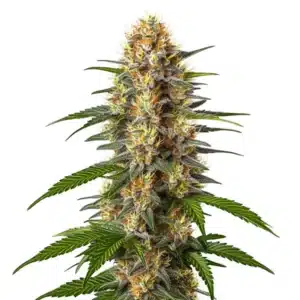
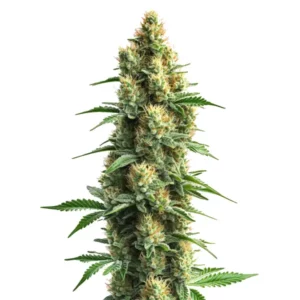
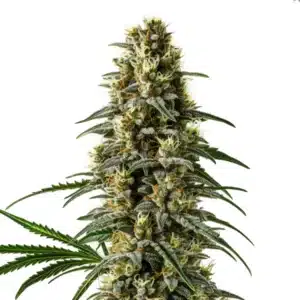
CBD Tangie (1:15)

|
CBD | 12% – 14% (Medium) |

|
Type | CBD Feminized |

|
Yield | Medium |

|
Phenotype | 50% Indica / 50% Sativa |

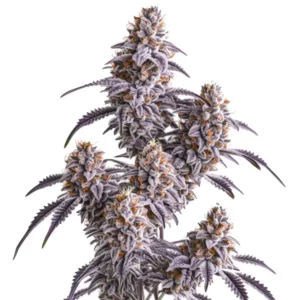
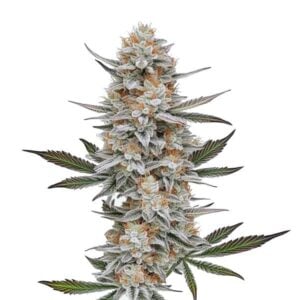
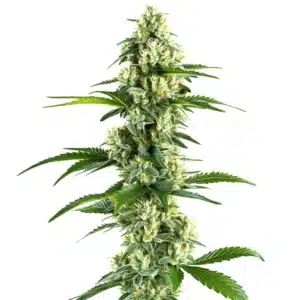
CBD Lemon Haze Auto
|
|
CBD | 5% – 8% (Low) |
|
|
Type | CBD Autoflowering |
|
|
Yield | Medium |
|
|
Phenotype | 40% Indica / 60% Sativa |
| Strain | Profile | Best for |
|---|---|---|
| CBD Tangie | High CBD, very low THC | Daytime, minimal intoxication |
| CBD Lemon Haze Auto | Moderate CBD, low THC, citrusy | Uplifting daytime use |
| Balanced 1:1 (CBD:THC) | Even CBD and THC | Relief with manageable effects |
| High-THC strains | Strong psychoactive | Use cautiously; can worsen anxiety |
How Cannabis Affects Mood (and the Risks)
Cannabis acts on the endocannabinoid system, which helps regulate mood and stress, and cannabinoids like CBD and THC influence neurotransmitter activity. That is why some people report feeling calmer or lighter, with CBD generally linked to reduced anxiety and THC to mood lift, supported by terpenes such as limonene and linalool.
But the relationship is genuinely double-edged, and this is the part that matters most. Higher doses of THC can increase anxiety, paranoia and low mood rather than easing them, and regular heavy use is associated with worse mental-health outcomes for some people. So any potential benefit is dose-dependent, highly individual, and comes with real risk, which is why professional guidance is essential rather than optional.
Promos & Deals

CBD-Forward Strains for Gentle Relief
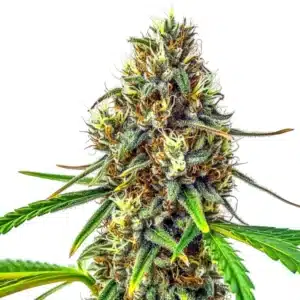
High-CBD strains are the usual starting point because they aim to ease symptoms without a strong high. CBD Tangie, for example, pairs high CBD with very low THC, so it can take the edge off anxiety while keeping you clear-headed for daytime use, and its bright citrus aroma (from limonene) is part of its uplifting reputation.
CBD Lemon Haze Auto offers a similar, gentler profile with an energizing lean. Whichever you try, the sensible approach is to start with the lowest effective dose, avoid high-THC strains until you know how you respond, and track your mood honestly, since the goal is support, not self-medication. Browse our CBD seeds for similar genetics.
Important Cautions Before You Try It
A few cautions are worth stating plainly. Cannabis can interact with antidepressants and other medications, is not recommended for people with a history of psychosis, and should be approached very carefully by anyone whose anxiety or depression is severe. For teenagers and young adults, whose brains are still developing, the risks are higher still.
Most importantly, cannabis is not a replacement for evidence-based treatment like therapy or prescribed medication. If low mood or anxiety is affecting your life, the first and best step is a conversation with a healthcare professional, who can help you weigh whether cannabis has any place alongside, not instead of, proper care.
Using Cannabis Mindfully for Mood
If you and a healthcare professional decide cannabis has a place alongside your care, a cautious approach lowers the risk. Start with a high-CBD, low-THC option, use the smallest amount that helps, and avoid daily heavy use, which is more associated with low mood over time. Note how each session actually affects you rather than how you hoped it would, and stop if it makes anxiety or depression worse.
It also helps to treat cannabis as one small piece of a bigger picture. Sleep, exercise, routine, social connection and professional support do far more for mood than any strain, and cannabis can quietly undermine some of them if it becomes a crutch. Used honestly and sparingly, it may complement that foundation; it cannot replace it.

FAQs About Cannabis Strains for Depression and Anxiety
What is the best strain for depression?
There is no single best strain, and cannabis is not a proven treatment. Many people find higher-CBD, lower-THC strains like CBD Tangie gentler, since high THC can worsen anxiety. Responses vary a lot and the risks are real, so discuss it with a doctor rather than self-medicating for depression.
Can cannabis make depression or anxiety worse?
Yes, it can. Higher-THC cannabis can trigger anxiety, paranoia and low mood, and regular heavy use is linked to worse mental-health outcomes for some people. This is why CBD-forward, low-THC options are usually preferred and why professional guidance matters. If cannabis worsens your mood, stop and speak to a doctor.
Is CBD or THC better for anxiety and depression?
CBD is generally the safer starting point, since it is non-intoxicating and more associated with easing anxiety, while high THC can aggravate it. Some people prefer a balanced, low-THC ratio. Start low, avoid strong THC strains early on, and treat any use as a complement to professional care.
Does CBD help with anxiety?
Some research and many users suggest CBD may ease anxiety for some people, and it is non-intoxicating, which makes it a gentler starting point than high-THC products. Evidence is still developing and responses vary, so it is not a guaranteed treatment. If anxiety is affecting your life, speak to a doctor rather than self-medicating.
Is indica or sativa better for depression?
The indica-sativa split is a rough guide, not a reliable rule for mood. What matters more is the CBD-to-THC ratio and your own response: high-THC strains of any type can worsen anxiety. Many people prefer CBD-forward options for daytime use. Treat labels loosely and prioritize professional advice over strain categories.
When should I see a doctor?
If low mood, anxiety or loss of interest lasts more than a couple of weeks, affects daily life, or includes thoughts of self-harm, speak to a healthcare professional promptly, and contact a crisis line or emergency services if you are in immediate danger. Cannabis is not a substitute for that care.
Can cannabis replace antidepressants?
No. Cannabis is not a proven treatment for depression and should never replace prescribed medication or therapy. It can also interact with antidepressants. Never stop or change a prescription on your own. If you want to explore cannabis alongside your treatment, discuss it first with the doctor who manages your care.