Antibiotics and Cannabis: What You Need to Know

Quick Summary: Using antibiotics and cannabis simultaneously can trigger metabolic competition in the liver’s cytochrome P450 enzyme system. While not typically lethal, this interaction may alter antibiotic serum levels, potentially increasing side effects or reducing treatment efficacy. Always consult a physician before mixing these substances.
The Interaction: Antibiotics and Cannabis
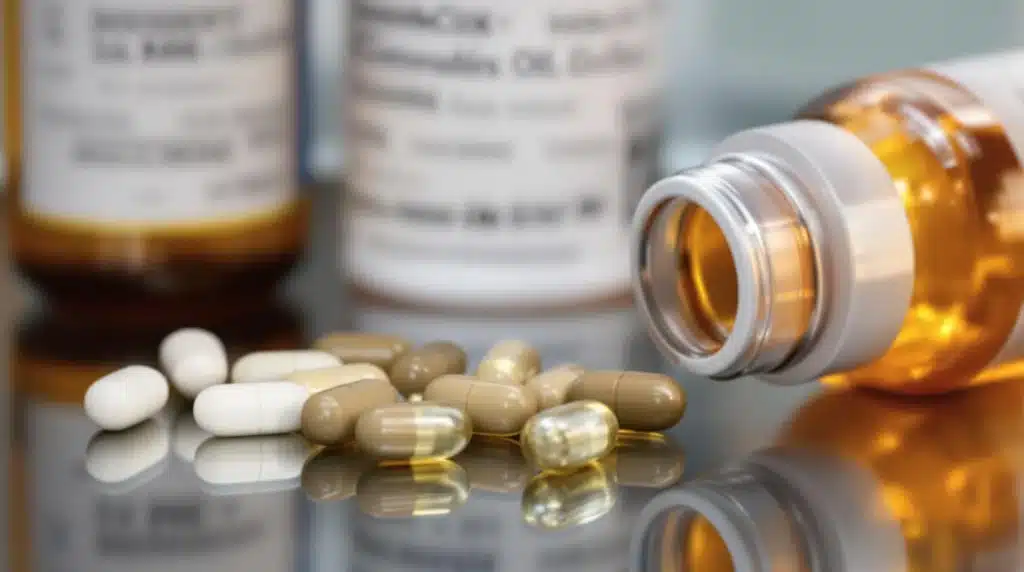
The intersection of Antibiotics and Cannabis is a complex pharmacological landscape governed by the liver’s metabolic capacity. When you consume cannabis, its primary phytocannabinoids, Delta-9-Tetrahydrocannabinol (THC) and Cannabidiol (CBD), enter the bloodstream and are eventually processed by the cytochrome P450 (CYP450) enzyme family. This is the exact same system many antibiotics rely on for breakdown and elimination from the body.
Recommended Strains

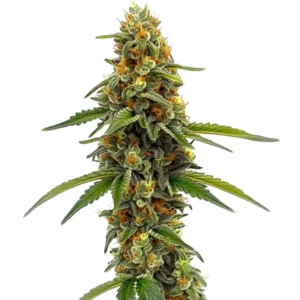
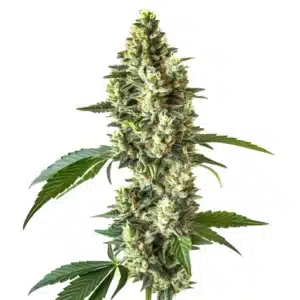
Fat Bastard

|
THC | 30% - 38% (High) |

|
Type | Feminized |

|
Yield | High |

|
Phenotype | 50% Indica / 50% Sativa |

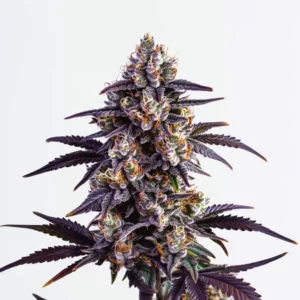
Fat Bastard Auto
|
|
THC | 30% - 38% (High) |
|
|
Type | Autoflowering |
|
|
Yield | High |
|
|
Phenotype | 50% Indica / 50% Sativa |
Biologically, this creates a “metabolic bottleneck.” If the CYP3A4 or CYP2C9 enzymes are occupied processing high concentrations of CBD, they may not be available to break down specific antibiotics like azithromycin and weed or ciprofloxacin and weed. This competition can lead to “supratherapeutic” levels of the antibiotic in your system, meaning the drug stays in your body longer and at higher concentrations than intended, which significantly spikes the risk of toxicity and adverse reactions.
Promos & Deals
The Metabolic Pathway: How Marijuana Affects Antibiotics
The core concern regarding does marijuana affect antibiotics lies in enzyme inhibition. CBD, in particular, is a potent inhibitor of certain CYP enzymes. If you are taking an antibiotic that is a “substrate” of these enzymes, the presence of cannabis can effectively “turn off” the machinery meant to clear the medicine. Conversely, some cannabis terpenes like Myrcene or Limonene may alter gut permeability, potentially affecting how oral antibiotics are absorbed in the first place.
Furthermore, the weed and antibiotics interaction isn’t just about the liver. Cannabis is known to have mild immunosuppressive qualities in heavy users, potentially slowing the body’s natural response to infection. While cannabinoids show some in-vitro antibacterial promise, they lack the targeted precision required to replace traditional antibiotic therapy. Relying on cannabis to fight a systemic infection instead of prescribed medication can lead to antibiotic resistance, a dangerous state where bacteria evolve to survive drug exposure.
Technical Comparison: Antibiotic Classes and Cannabis Risk
| Antibiotic Class | Common Examples | Metabolic Pathway | Cannabis Interaction Risk | Primary Side Effect Risk |
|---|---|---|---|---|
| Nitroimidazoles | Metronidazole | CYP2C9 / CYP3A4 | High | Extreme Nausea, Vertigo |
| Macrolides | Azithromycin, Erythromycin | Strong CYP3A4 Substrate | Moderate | GI Distress, Heart Arrhythmia |
| Fluoroquinolones | Ciprofloxacin | CYP1A2 Inhibition | Moderate | Central Nervous System Stimulation |
| Penicillins | Amoxicillin | Renal Excretion (Kidneys) | Low | Standard (Rash, Diarrhea) |
| Cephalosporins | Cephalexin | Renal Excretion | Low | Standard Side Effects |
| Tetracyclines | Doxycycline | Non-CYP specific pathways | Low | Photosensitivity |
Specific Risks: Metronidazole and Marijuana
One of the most frequently asked questions involves metronidazole and marijuana. Metronidazole is commonly prescribed for anaerobic bacterial infections and certain parasites. Combining metronidazole and weed is particularly risky because both can impact the central nervous system. Users report heightened instances of dizziness, severe nausea, and a “hangover” feeling when combining these two.
Furthermore, metronidazole and cannabis interactions may mimic a disulfiram-like reaction (the reaction typically associated with mixing metronidazole and alcohol). This can lead to rapid heartbeat, skin flushing, and persistent vomiting. If you are taking this specific medication, the safest protocol is to suspend cannabis use entirely until 48 hours after your final dose.
Professional Tips for Patients
- The 3-Hour Rule: To minimize direct metabolic competition, space your cannabis use at least three hours away from your antibiotic dose. This allows the peak serum concentration of the antibiotic to pass before the liver begins processing cannabinoids.
- Prioritize Hydration: Both antibiotics and cannabis can cause dry mouth (xerostomia). Chronic dehydration can stress the kidneys, which are responsible for filtering out many antibiotic byproducts.
- Monitor Heart Rate: Some antibiotics (like Macrolides) and THC both increase heart rate. If you feel palpitations, stop cannabis use immediately.
- Avoid Edibles: Edibles must be processed by the “First Pass” metabolism in the liver, which is exactly where the antibiotic interaction is most intense. Inhalation (vaporizing at low temps) bypasses the first pass, though it is still not 100% risk-free.
- VPD and Environment: If you are a grower and a consumer, remember that your health affects your garden. If you are sick, ensure your grow room has high air exchange to prevent the spread of opportunistic pathogens while your immune system is occupied.

Can you smoke weed on antibiotics?
While you can technically smoke weed on antibiotics, it is not recommended without medical clearance. The primary risk is not a “deadly” reaction, but rather an alteration in how your body clears the medication. For drugs like ciprofloxacin and weed, the combination can lead to increased anxiety and jitters. Inhaling smoke while fighting a respiratory infection is also counterproductive to healing lung tissue.
Does marijuana affect antibiotics’ strength?
Yes, marijuana can indirectly affect the “strength” or efficacy of antibiotics. By inhibiting the enzymes that break down the drugs, cannabis can make the antibiotic concentration too high (leading to side effects) or, in rarer cases, interfere with the activation of “prodrug” antibiotics that need enzymes to start working. This makes the treatment unpredictable and less reliable.
Is combining azithromycin and weed safe?
Combining azithromycin and weed carries a moderate risk. Azithromycin is a long-acting macrolide antibiotic. Because it lingers in the tissue for days, the window for interaction with cannabinoids is much longer than with other drugs. CBD’s inhibition of CYP3A4 can slow down azithromycin clearance, potentially increasing the risk of gastrointestinal upset and, in rare cases, affecting heart rhythm.
What are the risks of metronidazole and marijuana?
The risks of metronidazole and marijuana include extreme dizziness, nausea, and confused mental states. Since metronidazole is often used for sensitive GI or vaginal infections, the added burden of cannabis on the liver and nervous system can make the recovery process much more uncomfortable. It is highly advised to avoid metronidazole and cannabis until the infection is fully cleared.