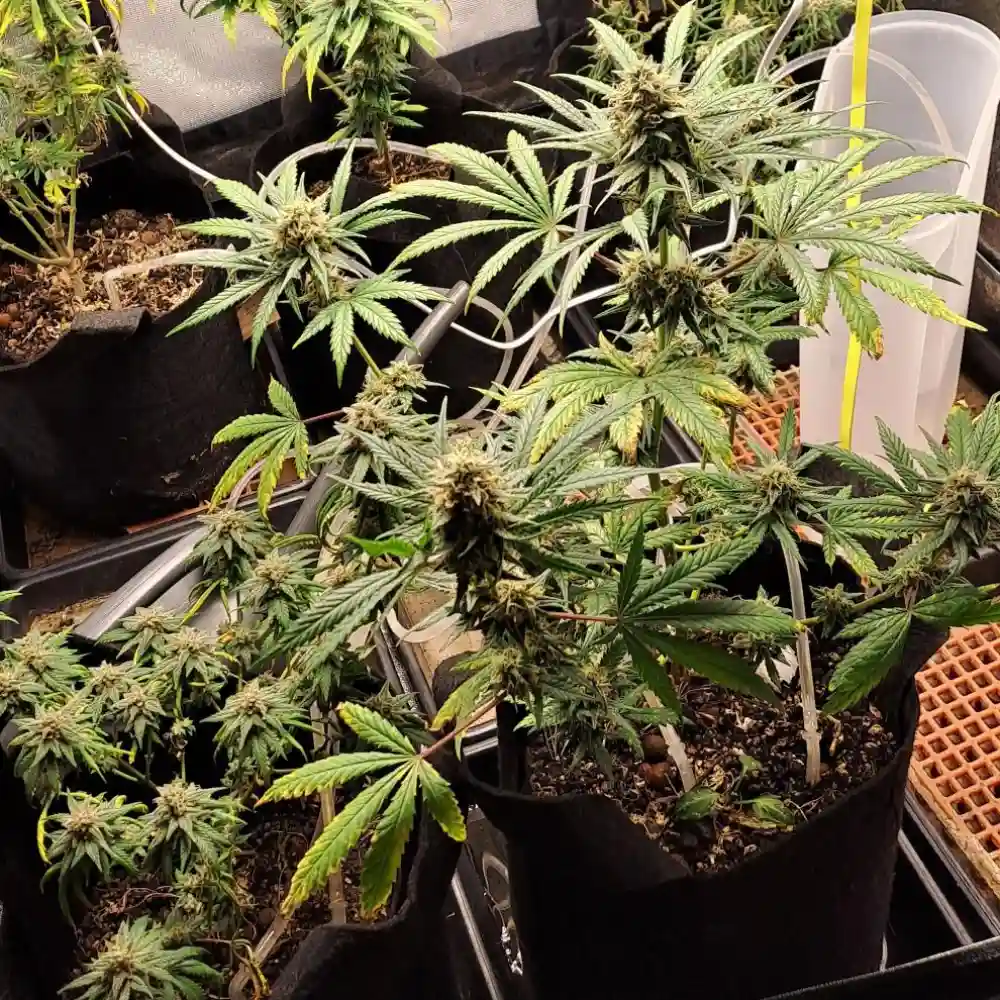
How to Grow White Widow Regular Strain

White Widow Regular Strain: Known for its high THC levels, White Widow Regular offers a potent experience with THC percentages ranging from 18% to 24%. This strain is celebrated for its balanced effects, providing both a euphoric high and a calming body sensation. Ideal for both recreational and medicinal use, it thrives in various growing environments, making it a versatile choice for cultivators.
White Widow Regular is a legendary strain renowned for its unique terpene profile and robust growth. Its flowering time ranges from 8 to 10 weeks, making it a favorite among growers. The strain boasts a rich blend of terpenes, including myrcene and caryophyllene, contributing to its earthy and spicy aroma. This guide explores the intricacies of cultivating White Widow Regular.
Recommended Strains

White Widow Regular

|
THC | 18% - 24% (High) |

|
Type | Regular |

|
Yield | High |

|
Phenotype | 40% Indica / 60% Sativa |

White Widow Fast Version
|
|
THC | 15% - 20% (Medium) |
|
|
Type | Fast Flowering |
|
|
Yield | Medium |
|
|
Phenotype | 60% Indica / 40% Sativa |
White Widow Regular Overview
Strain Overview
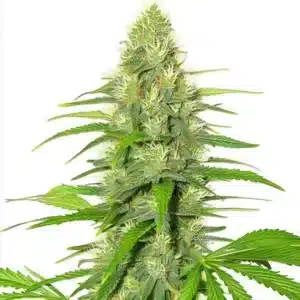
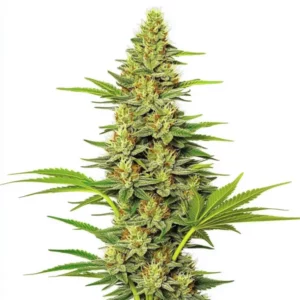
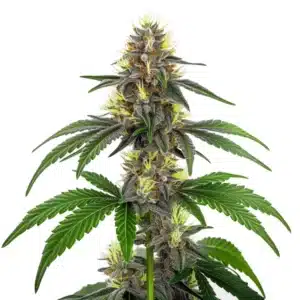
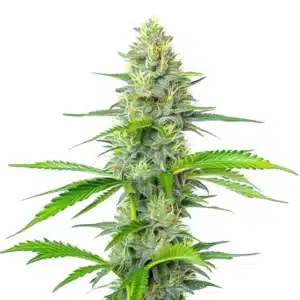
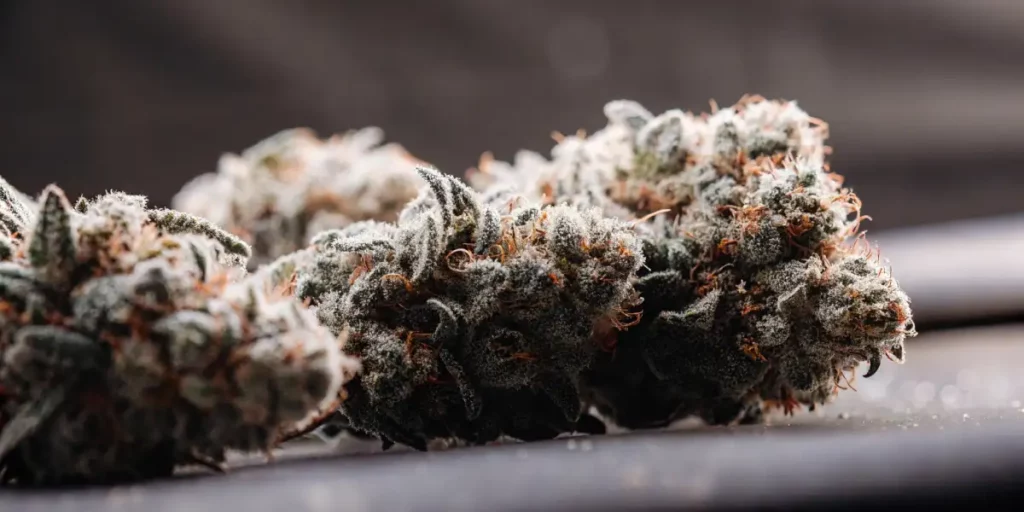
White Widow Regular is a hybrid strain that combines the best traits of its parent strains, Indian and Brazilian landraces. It is known for its medium to dense buds with a striking mix of light green and brown hues. The strain’s high THC content, ranging from 18% to 24%, makes it a potent choice for both recreational and medicinal users.
Its flavor profile is a delightful mix of herbal, sweet, and fruity notes, making each puff enjoyable. The dominant terpene, myrcene, ranges from 0.8-1.2%, enhancing THC uptake and providing anti-inflammatory effects. Caryophyllene, present at 0.4-0.7%, adds a spicy kick and interacts with CB2 receptors to reduce pain and anxiety.
Promos & Deals
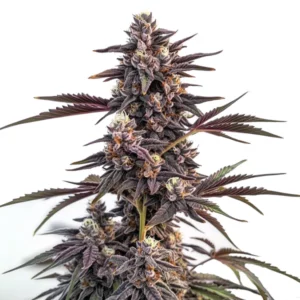

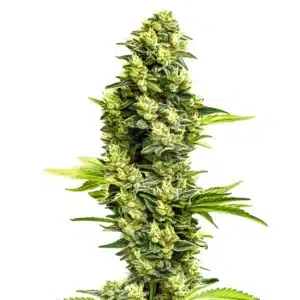
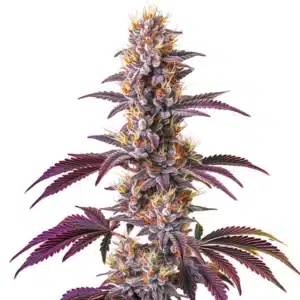
Growing White Widow Regular
Indoor Growing Tips
For indoor cultivation, maintaining a stable environment is crucial. White Widow Regular thrives in temperatures between 70-80°F (21-27°C) with a relative humidity of 60-70% during the vegetative phase, decreasing to 40-50% during flowering. Use high-quality LED grow lights or HPS lamps to ensure proper photosynthesis and dense bud development.
Implement a 16-24 hour light schedule during the vegetative stage, transitioning to a 12/12 light cycle to initiate flowering. Maintaining adequate airflow and ventilation prevents mold and mildew, ensuring healthy plants and high yields. Aim for yields of 1.5-1.8 oz/ft² (450-550 g/m²) indoors.
Outdoor Growing Tips
White Widow Regular flourishes in warm climates with consistent sunlight. Outdoor plants can reach up to 4.92 ft (1.5 m) in height, so choose a location with ample space for vertical growth. In cooler climates, a greenhouse setup can provide additional warmth and protection, extending the growing season and improving harvest results.
Ensure the soil is nutrient-rich and well-draining, with plenty of organic matter. Consider using fabric pots or large containers for better control over soil quality and root growth. Outdoor yields can reach 21-25 oz/plant (600-700 g/plant) under optimal conditions.
| Feature | White Widow Regular | White Widow | White Widow Autoflower |
|---|---|---|---|
| THC Content | 18-24% | 18-25% | 20-25% |
| Dominant Terpene | Caryophyllene | Caryophyllene | Humulene |
| Flavor Profile | Fruity, Hashish, Herbal, Sweet | Earthy, Pine, Pungent | Citrus, Earthy, Pine, Pungent |
| Yield Indoor | 1.97 – 2.29 oz/ft² | 600 – 700 g/m² | 1.8 oz/ft² | 550 g/m² | 1.15 – 1.47 oz/ft² | 350 – 450 g/m² |
| Flowering Time | 8-10 weeks | 8-10 weeks | 8-10 weeks |
White Widow Flowering Stage
The flowering stage of White Widow Regular is a critical period where the plant reveals its potential. To trigger flowering, reduce the light cycle to 12 hours of light and 12 hours of darkness. This photoperiod change signals the plant to start producing buds, which will become dense and coated with trichomes.
During this stage, switch to a nutrient formula with higher phosphorus and potassium content to support bud formation. Maintain temperatures between 65-75°F (18-24°C) and keep humidity levels around 40-50% to minimize mold risk.
Managing Bud Development
As the buds grow, they may become heavy, requiring support to prevent branches from breaking. Use stakes or trellises to help the plant bear the weight of the developing buds, ensuring they continue to grow without damage. Monitor trichome development closely; when they turn milky with some amber, it’s time to harvest.
The flowering period typically lasts between 8 to 10 weeks. This timing ensures a well-balanced effect between potency and flavor, providing a rewarding harvest for growers.
Professional Tips for Growing White Widow Regular
- Maintain 58-62% RH during curing to preserve terpene profiles and prevent mold.
- Use a 12/12 light schedule to initiate the flowering phase for photoperiod strains.
- Monitor pH levels between 6.0 and 6.5 for optimal nutrient uptake in soil.
- Implement low-stress training (LST) to maximize light penetration and increase yields.
- Use carbon filters during flowering to manage the strong odor of White Widow Regular.
- Flush plants with plain water two weeks before harvest to improve bud flavor.
FAQs on White Widow Regular
How does White Widow Regular compare to Dutch Passion White Widow?
White Widow Regular and Dutch Passion White Widow both offer high THC levels, but White Widow Regular is known for its resilience and adaptability to various growing conditions. Dutch Passion may provide slightly different flavor profiles due to its unique breeding techniques. Both strains are excellent choices for potency and balanced effects.
What are the best conditions for growing White Widow indoors?
For optimal indoor growth, maintain temperatures between 70-80°F (21-27°C) and humidity levels at 40-50% during the vegetative stage. Use high-quality LED or HPS lights and ensure proper ventilation. An 18-20 hour light schedule during the vegetative phase is recommended, transitioning to 12/12 for flowering.
How long does the White Widow flowering stage last?
The flowering stage for White Widow Regular typically lasts between 8 to 10 weeks. This period allows for the development of dense, trichome-rich buds. Monitoring trichome color is essential for determining the optimal harvest time, ensuring a balance between potency and flavor.
What are common pests affecting White Widow plants?
Common pests include spider mites, aphids, and thrips. Regular inspection and maintaining proper airflow can help prevent infestations. Introducing beneficial insects like ladybugs or using organic pest control methods such as neem oil can effectively manage these pests.
How do you manage odor when growing White Widow indoors?
White Widow Regular has a strong aroma, particularly during flowering. To manage odor, use carbon filters and ensure proper ventilation in your grow space. This helps control the scent and maintains a discreet growing environment, especially important for indoor cultivators.