How To Grow Super Kush CBD 1:25

Quick Summary: Super Kush CBD 1:25 is an Indica-dominant medical powerhouse featuring a massive 25% CBD concentration and near-zero THC (0.1-0.2%). It requires an 8-10 week flowering period, thriving in stable environments with high-intensity PAR lighting and precise NPK management for therapeutic resin optimization.
Technical Overview: The Genetic Mastery of the Super Kush Strain
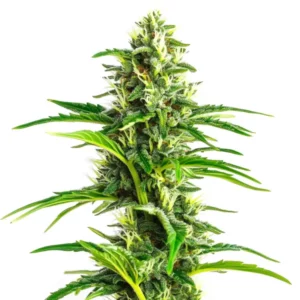
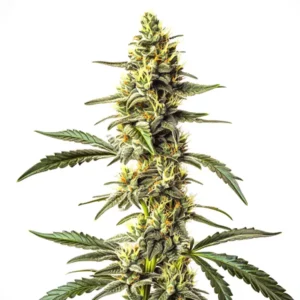
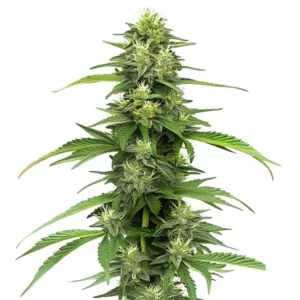
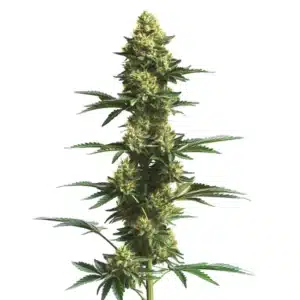
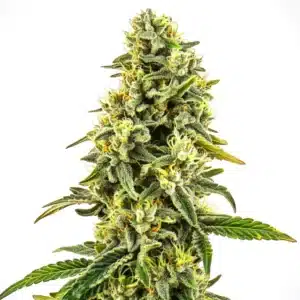
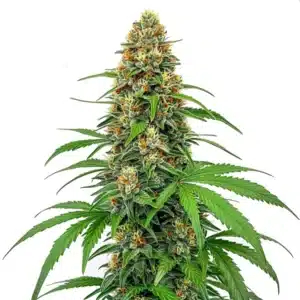
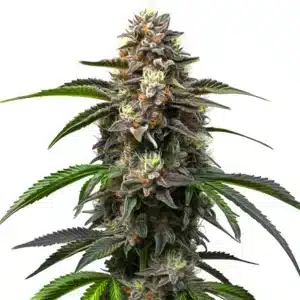
The Super Kush strain CBD 1:25 represents a pinnacle in cannabinoid engineering, specifically designed to bridge the gap between heavy Indica morphology and pure therapeutic utility. By crossing the legendary OG Kush with specialized high-CBD parents, breeders have stabilized a chemotype that virtually eliminates the psychoactive potential of THC while maximizing secondary metabolite production. The plant exhibits a robust architectural structure with short internodal spacing and broad fan leaves, typical of its Indica heritage, which allows for a high density of flowering sites.
Recommended Strains
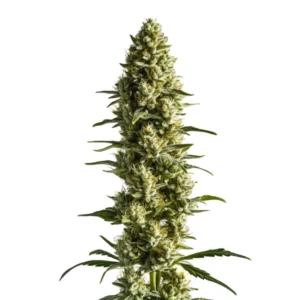
CBD Super Kush (1:25)

|
CBD | 20% – 25% (High) |

|
Type | CBD Feminized |

|
Yield | Medium |

|
Phenotype | 70% Indica / 30% Sativa |
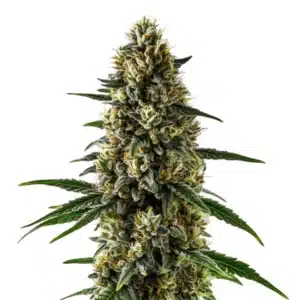
CBD Super Kush (1:15)
|
|
CBD | 16% – 18% (Medium) |
|
|
Type | CBD Feminized |
|
|
Yield | Medium |
|
|
Phenotype | 70% Indica / 30% Sativa |
Biochemically, the 1:25 ratio is maintained through the dominance of the CBD-synthase enzyme over THC-synthase. This biological pathway ensures that as the plant matures, the precursor CBGA is almost exclusively converted into CBDA. The presence of specific terpenes like Myrcene and Pinene creates a synergy known as the Entourage Effect. Myrcene, in particular, is known to increase cell membrane permeability, which allows the high concentration of CBD to be absorbed more efficiently by the human endocannabinoid system, enhancing its anti-inflammatory and analgesic properties.
Promos & Deals

Advanced Environmental Control: PAR, VPD, and Metabolic Optimization
To successfully grow Super Kush CBD 1:25, cultivators must look beyond basic temperature and move toward Vapour Pressure Deficit (VPD) management. During the vegetative stage, a VPD of 0.8–1.1 kPa is ideal, while the flowering stage requires a higher deficit of 1.2–1.5 kPa to prevent the onset of Botrytis cinerea (bud rot) in its dense floral clusters. Maintaining these levels ensures that the plant’s stomata remain open for optimal CO2 intake without losing excessive moisture, which would otherwise stress the resin glands.
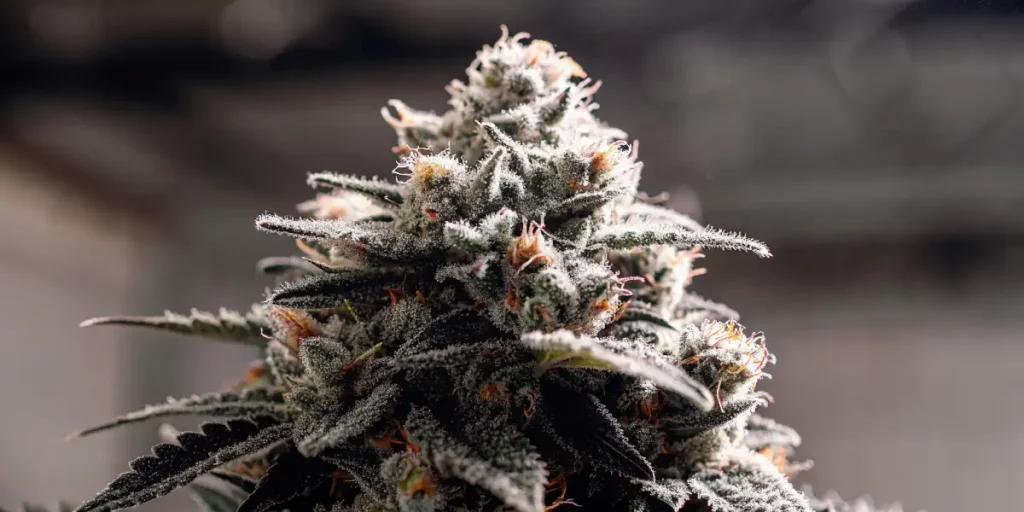
Lighting is the primary driver of cannabinoid synthesis. For peak CBD production, plants require high Photosynthetic Photon Flux Density (PPFD). During the vegetative phase, aim for 400-600 µmol/m²/s. Once transitioned to the 12/12 flowering cycle, levels should be increased to 600-900 µmol/m²/s. Using a spectrum rich in blue light during the first few weeks of veg prevents “stretching,” while adding far-red and UVA/UVB light during the late flowering stage can trigger a protective response in the plant, further increasing the trichome density and the concentration of protective terpenes like Limonene.
Technical Comparison: Super Kush CBD 1:25 vs. Competitors
| Feature | Super Kush CBD 1:25 | ACDC 1:18 | Amnesia CBD 1:1 |
|---|---|---|---|
| CBD:THC Ratio | 1:25 (Ultra-High) | 1:18 (High) | 1:1 (Balanced) |
| Flowering Time | 56-70 Days | 65-75 Days | 60-70 Days |
| Growth Habit | Compact Indica Bush | Leggy Sativa Lean | Hybrid Vigorous |
| Primary Terpenes | Myrcene, Pinene | Limonene, Caryophyllene | Terpinolene, Myrcene |
| Max CBD % | Up to 25% | Up to 20% | Up to 10% |
| Yield Potential | 450g/m² (Dense) | 400g/m² (Light) | 500g/m² (High) |
Nutritional Regimen and Metabolic Feeding Phases
Feeding Super Kush CBD 1:25 requires a phased approach to manage its high metabolic demand for minerals. During the vegetative stage, implement an NPK ratio of 3-1-2. Nitrogen is critical here not just for leaf mass, but for building the enzymatic infrastructure required for later cannabinoid synthesis. As an Indica-leaning variety, this strain is sensitive to salt buildup; ensure that your Electrical Conductivity (EC) levels remain between 1.2 and 1.6 mS/cm during this phase to avoid nutrient lockout.
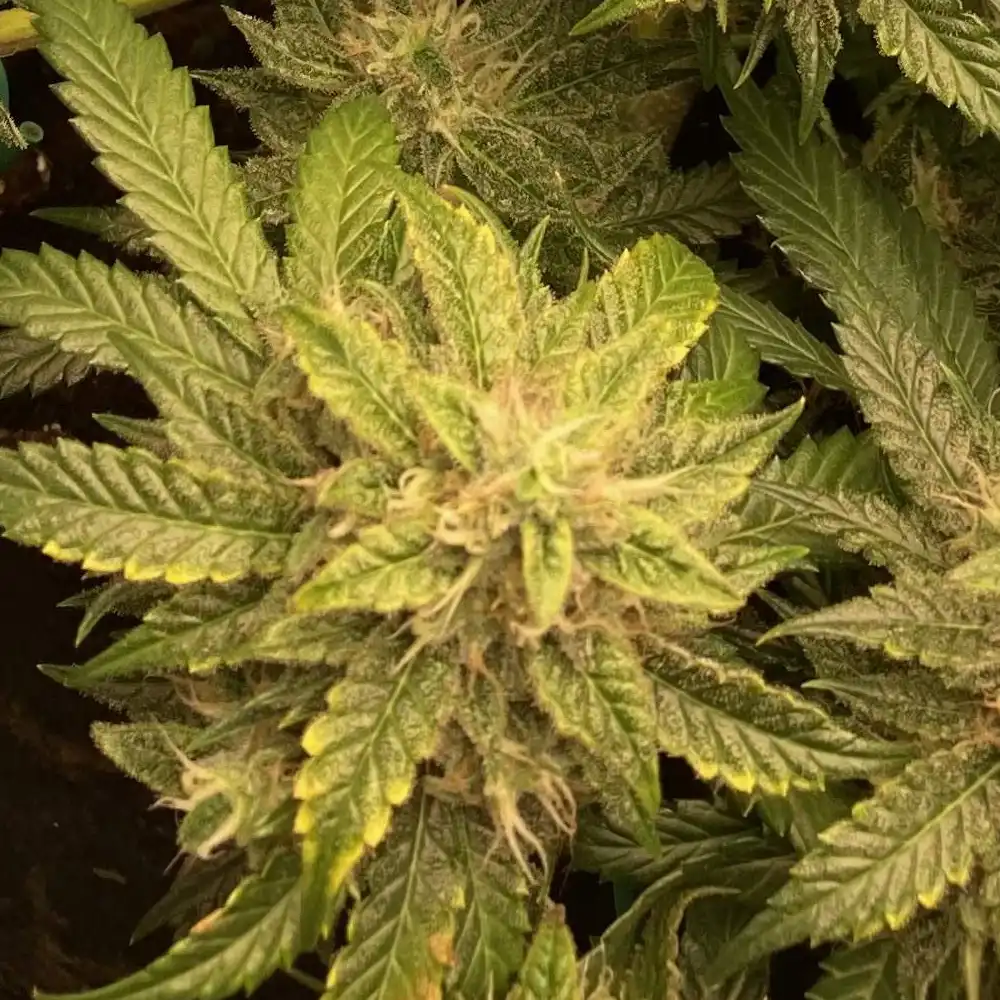
Upon transitioning to flower, the NPK ratio should shift to 1-3-2. The plant’s demand for Phosphorus and Potassium increases dramatically as it begins forming its dense calyxes. However, it is vital to supplement with Calcium and Magnesium (Cal-Mag) throughout the entire cycle. Calcium acts as a secondary messenger in the plant’s stress-response system, while Magnesium is the central atom of the chlorophyll molecule. A deficiency in these minerals will directly lead to a reduction in the final CBD percentage and overall flower weight.
Strict Integrated Pest Management (IPM) Protocol
Because the Super Kush strain produces exceptionally dense buds, it is a primary target for pests and fungal pathogens. A strict IPM protocol should start with preventative foliar sprays of Neem oil and Potassium Bicarbonate during the vegetative stage. These organic solutions disrupt the life cycles of spider mites and prevent powdery mildew from establishing a foothold. Once the plant enters the flowering phase, all liquid foliar sprays must cease to prevent moisture from being trapped inside the flower clusters.
For late-stage protection, introduce beneficial biology such as Bacillus subtilis to the root zone. This beneficial bacteria competes with harmful fungi like Pythium and enhances the plant’s systemic acquired resistance (SAR). Furthermore, placing physical barriers like sticky traps and ensuring a 24/7 internal air circulation with oscillating fans will significantly reduce the risk of an outbreak. If growing outdoors, Diatomaceous Earth applied to the base of the stem acts as a mechanical deterrent against crawling insects.
Professional Tips for Master Cultivators
- Silica Supplementation: Use Monosilicic acid from week 1 of veg through the transition to flower. This strengthens cell walls, allowing the branches to support the heavy weight of CBD-rich Kush buds without snapping.
- Cold-Shock Terpene Boosting: In the final 10 days of flowering, drop nighttime temperatures to 55-60°F (13-15°C). This environmental stress mimics the onset of winter, triggering anthocyanin production (purple colors) and increasing terpene volatility for a superior nose.
- Strategic Defoliation (Swazzing): Around day 21 of flower, remove larger fan leaves that block secondary light sites. Because Super Kush has a dense Indica canopy, this increases airflow and ensures bottom buds develop the same “frostiness” as the top colas.
- Root Zone Temperature: Maintain your reservoir or soil temperature at 68°F (20°C). Cold roots slow metabolism, while warm roots are prone to oxygen deprivation and rot.
How long does it take for Super Kush CBD 1:25 to flower?
The Super Kush CBD 1:25 strain generally requires between 8 to 10 weeks to reach full maturity. Professional growers typically aim for the 9-week mark, as this allows the trichomes to reach a 50/50 milky-to-amber ratio, ensuring that the therapeutic CBD content has peaked while the flavor profile has fully developed through terpene maturation.
What are the medical benefits of Super Kush CBD 1:25?
This strain is highly effective for patients requiring potent relief from chronic pain, muscle spasms, and severe anxiety. Because the THC content is under 0.2%, it provides the anti-inflammatory benefits of the Kush lineage without causing cognitive impairment or paranoia, making it an elite choice for functional medical use throughout the day.
Can beginners grow Super Kush CBD 1:25?
Yes, Super Kush CBD 1:25 is exceptionally beginner-friendly due to its stable OG Kush genetics. It is a hardy plant that can withstand minor nutritional fluctuations and environmental stress. However, beginners must be vigilant about humidity control during the final weeks of flowering to protect the dense buds from common fungal issues.
What flavors can I expect from Super Kush CBD 1:25?
Users can expect a sophisticated aromatic profile characterized by a deep, earthy base note inherited from OG Kush, complemented by bright citrus and tropical overtones. This complex flavor is a result of high concentrations of Myrcene and Limonene, which provide a smooth, woodsy smoke with a sweet, piney aftertaste.
What is the THC level in Super Kush CBD 1:25?
The THC level is strictly managed through genetic stabilization, consistently testing between 0.1% and 0.2%. This makes the strain legally compliant as industrial hemp in many jurisdictions and ensures that the user experiences zero psychoactive effects, focusing the experience entirely on body relaxation and mental clarity.
What kind of yield can I expect from Super Kush CBD 1:25?
When grown under optimal 600W+ HID or high-efficiency LED systems, indoor growers can expect a yield of 400-450 g/m². Outdoor plants, provided they have a long sunny season and large containers (10+ gallons), can produce significantly more, depending on the training techniques used during the vegetative stage.