How to Grow Sundae Driver Weed Strain

Quick Summary: To grow Sundae Driver strain successfully, maintain a controlled climate of 70-80°F and 40-50% humidity. This balanced hybrid (Fruity Pebbles OG x Grape Pie) rewards growers with 25% THC buds featuring sweet, creamy terpene profiles in just 8-10 weeks of flowering.
Guide to Grow Sundae Driver Strain
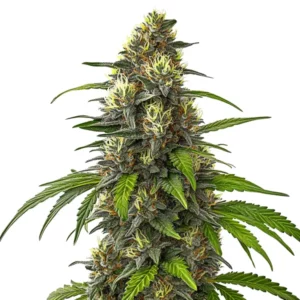
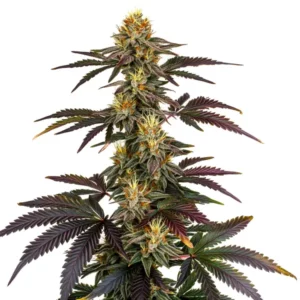
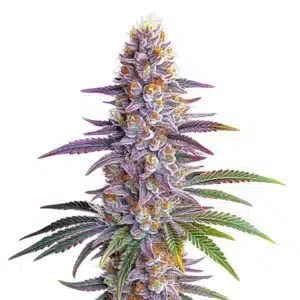
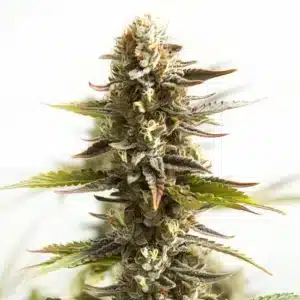
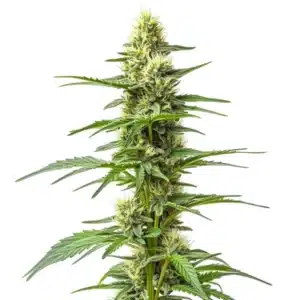
The Sundae Driver weed strain is a masterpiece of modern breeding, combining the legendary genetics of Fruity Pebbles OG and Grape Pie. As a balanced hybrid, it offers a sophisticated profile that appeals to both connoisseurs and commercial cultivators. When you choose to grow sundae driver feminized cannabis seeds, you are investing in a plant known for its “bag appeal,” characterized by deep purple hues hidden under a thick layer of frosty white trichomes. This visual excellence is matched by its chemical complexity, making it a staple in premium dispensaries.
Recommended Strains

Sundae Driver

|
THC | 20% - 25% (High) |

|
Type | Feminized |

|
Yield | High |

|
Phenotype | 50% Indica / 50% Sativa |

Sunset Runtz
|
|
THC | 23% - 25% (High) |
|
|
Type | Feminized |
|
|
Yield | High |
|
|
Phenotype | 60% Indica / 40% Sativa |
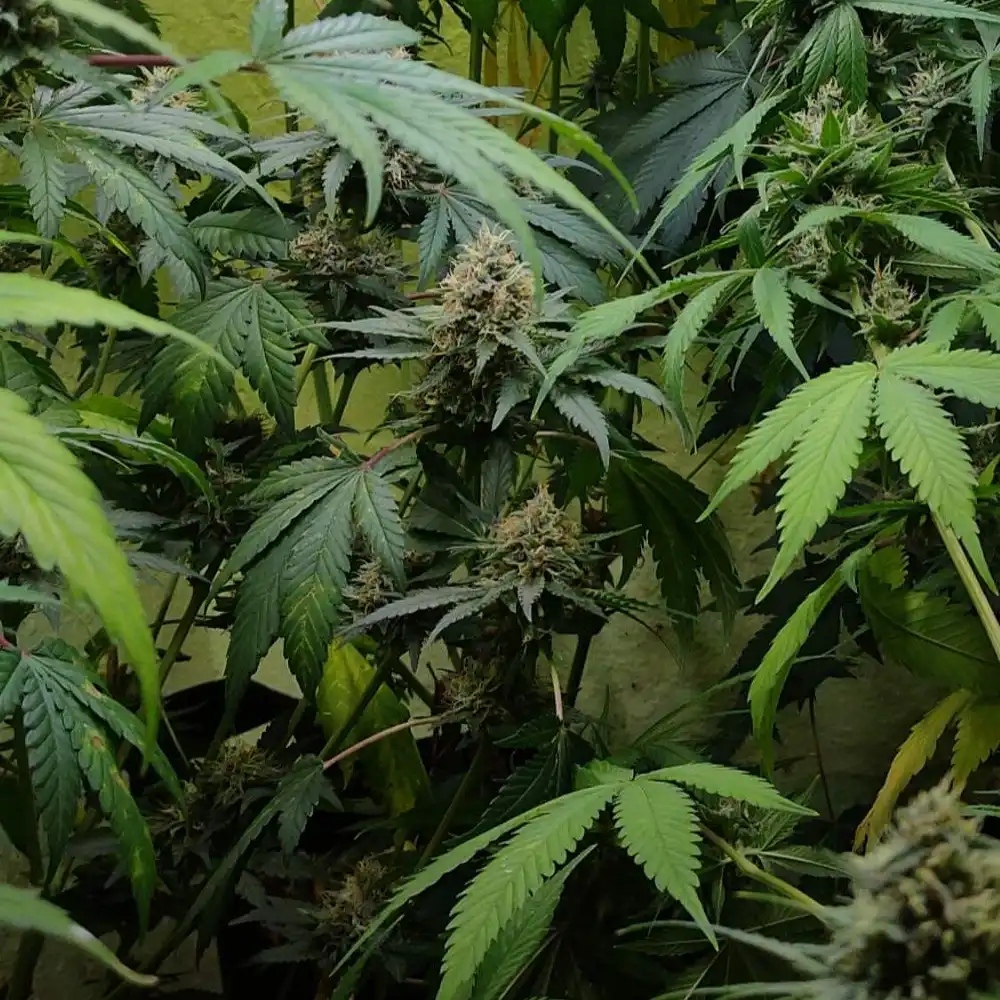
Biologically, Sundae Driver is a vigorous grower that demonstrates the best of its lineage. It inherits the shorter, manageable stature of its Indica ancestors while maintaining the explosive lateral branching typical of high-performing Sativas. This makes it an ideal candidate for indoor vertical farming or high-density outdoor gardens. Understanding the sundae driver strain info is the first step toward a bountiful harvest, as this plant requires a specific nutritional touch to reach its maximum 25% THC potential.
Is Sundae Driver Strain Indica or Sativa?
One of the most frequent questions from new growers is whether the sundae driver cannabis strain is an Indica or Sativa. Technically, it is a near-perfect 50/50 hybrid. This balance is evident in its morphology; the leaves are broader than a pure Sativa but feature the sharp, elongated fingers of a tropical variety. During the vegetative phase, it exhibits the robust stem strength of an Indica, which is vital for supporting the heavy, resin-drenched colas that develop later.
The sundae driver strain effects perfectly mirror this genetic split. The Sativa side provides an immediate “heady” euphoria that sparks creativity and social engagement, while the Indica influence settles into a soothing body relaxation that doesn’t lead to immediate couch-lock. This synergy is driven by its primary terpenes: Limonene, which elevates mood, and Myrcene, which facilitates the absorption of cannabinoids through the blood-brain barrier, enhancing the overall potency through the “Entourage Effect.”
Promos & Deals
Technical Requirements: From Seeds to Harvest
Successful sundae driver seeds germination requires a stable environment. The radicle (primary root) is highly sensitive to temperature fluctuations. Maintaining a constant 78°F (25°C) is the biological sweet spot for activating the gibberellins within the seed casing. These hormones signal the embryo to expand and break through the protective testa. Using distilled water for the initial soak prevents osmotic shock, ensuring that mineral salts don’t prematurely pull moisture away from the delicate emerging tissues.
Once you enter the vegetative stage, the grow sundae driver strain protocol shifts toward nitrogen-heavy nutrition. We recommend a NPK ratio of approximately 3-1-2 to support the rapid development of chlorophyll and stiff cellulose. High PAR (Photosynthetically Active Radiation) levels are essential here. If using LEDs, aim for a PPFD (Photosynthetic Photon Flux Density) of 600-900 µmol/m²/s to ensure tight internodal spacing and a strong skeletal structure for the flowering phase.
| Feature | Sundae Driver | Gelato | Z OG |
|---|---|---|---|
| THC Content | 20% – 25% | 27% | 16% – 20% |
| Flower Time | 8 – 10 Weeks | 8 – 10 Weeks | 8 – 10 Weeks |
| Primary Terpene | Caryophyllene | Terpineol | Humulene |
| Yield Potential | High | High | High |
| Difficulty | Beginner | Beginner | Beginner |
| Structure | Bushy / Multi-topped | Compact | Stretched |
Advanced Flowering and Pest Management
As your sundae driver weed transitions to the generative (flowering) phase, the plant’s demand for Phosphorus (P) and Potassium (K) skyrockets. These elements are the building blocks of ATP (adenosine triphosphate) and essential for large-scale resin production. We recommend a P-K booster during weeks 4-6 to maximize bud density. Be careful to manage humidity during this time; the dense floral clusters of Sundae Driver create internal microclimates that can trap moisture, leading to Botrytis (bud rot). Keep a constant breeze using oscillating fans that move the canopy but don’t cause windburn.
The sundae driver weed strain protocol for pest control should be preventative, not reactive. Because of its sweet aroma, it can attract spider mites and thrips. We suggest a strict Integrated Pest Management (IPM) routine using predatory mites (like Phytoseiulus persimilis) or organic Neem oil during the vegetative stage. Once flowers appear, switch to mechanical controls like yellow sticky traps and strict environmental hygiene. Never apply foliar sprays in late bloom, as the dense trichome coverage will trap the residue, affecting the final flavor and safety of the product.
Professional Cultivation Tips
- The 45-Degree Rule: When taking clones, always cut at a 45-degree angle to maximize the surface area of the cambium layer, leading to faster rooting.
- Flushing Protocol: For the smoothest sundae driver weed smoke, flush with reverse osmosis water for the final 10-14 days to force the plant to consume its stored nutrients.
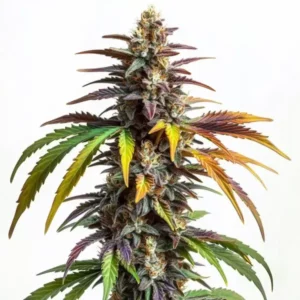
- Cold Finish: Dropping night temperatures to 55-60°F during the last two weeks of flowering encourages the production of anthocyanins, giving the buds a striking purple finish.
- Petiole Health: When pruning, always remove the entire leaf stem (petiole) at the main stalk. Leaving stubs creates “dead tissue zones” that attract mold and pathogens.
- Trichome Inspection: Use a 30X microscope to look for “ambering.” For Sundae Driver, harvest when 10-15% of the resin glands are amber for the most balanced effect.
Frequently Asked Questions
What is the best environment for growing Sundae Driver Weed Strain?
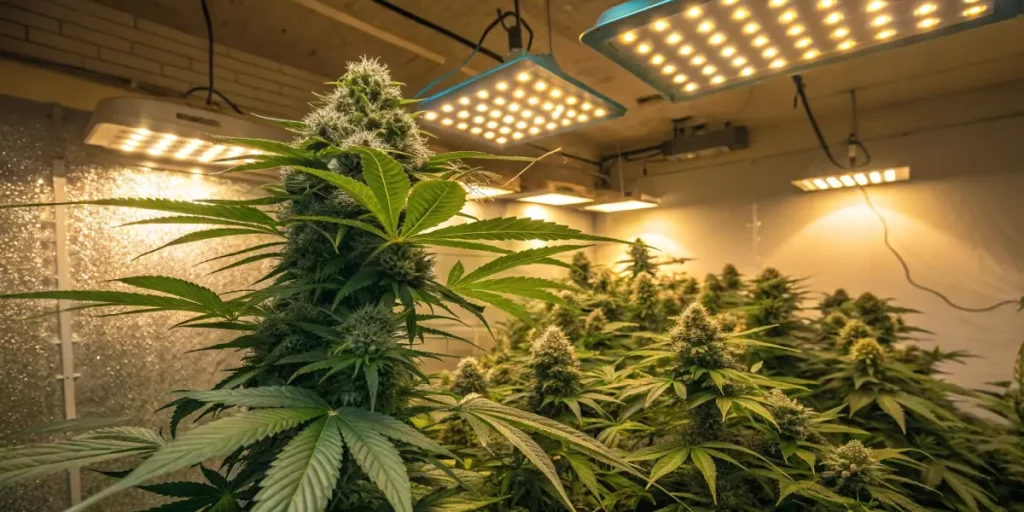
The sundae driver cannabis strain thrives in a stable, temperate environment. Indoors, keep temperatures between 70-80°F (21-27°C) with humidity levels strictly controlled between 40-50% during the flowering stage. This strain requires intense light, preferably from full-spectrum LEDs, and excellent air circulation to prevent mold within its extremely dense, resin-rich flower clusters.
How long does Sundae Driver Weed Strain take to flower?
When you grow sundae driver strain, expect a flowering period of 8 to 10 weeks. The plant puts on the majority of its weight and resin content in the final 14 days. Patience is key; harvesting too early will result in a “racy” high, whereas waiting for cloudy trichomes ensures the full creamy flavor profile and balanced hybrid effects develop completely.
What are the effects of Sundae Driver Weed Strain?
The sundae driver strain effects are highly balanced, providing a mix of cerebral euphoria and deep physical relaxation. Users report feeling uplifted and creative, making it ideal for social settings or creative work. The presence of Limonene and Caryophyllene helps mitigate anxiety, providing a calming experience without the heavy sedation often found in pure Indica varieties.
How much THC does Sundae Driver Weed Strain contain?
Sundae Driver is a high-potency strain, typically testing between 20% and 25% THC. This potency, combined with a rich terpene profile, produces a powerful “high” that is long-lasting. Beginners should start with small doses, as the creamy, smooth smoke can be deceptive, leading to a much stronger effect than initially anticipated due to the entourage effect.
Is Sundae Driver Weed Strain easy to grow?
Yes, the sundae driver weed strain is considered easy to moderate in difficulty. It is resilient against minor environmental fluctuations and responds very well to training techniques like topping and LST. Its main challenge is its bud density, which requires the grower to maintain low humidity and high airflow to avoid mold issues during the late flowering stages.