How To Grow Stardawg Strain

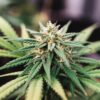
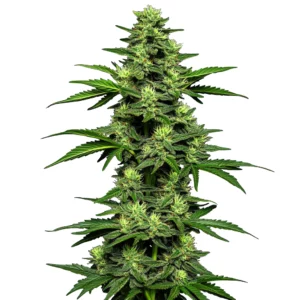
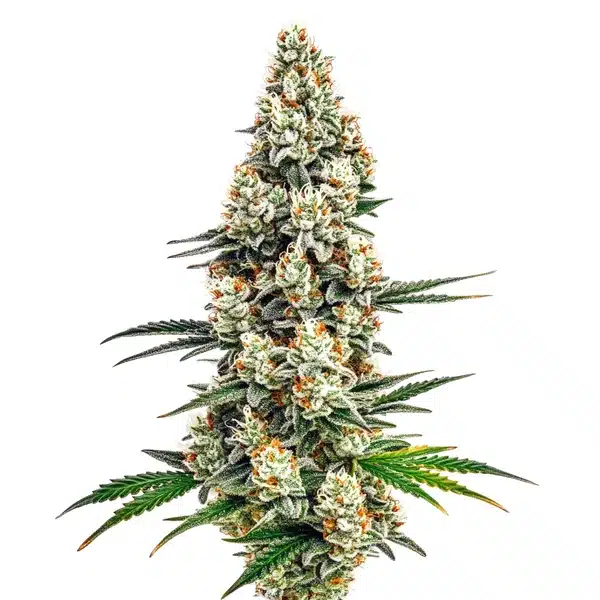
Stardawg, a sativa-dominant hybrid (60% sativa/40% indica), delivers potent, uplifting energy and euphoria. This strain, a cross between Chemdawg 4 and Tres Dawg, boasts a distinctive diesel and earthy scent. With THC levels ranging from 17% to 25%, Stardawg is often sought for alleviating stress, fatigue, and pain, making it a versatile choice for both recreational and medicinal users.
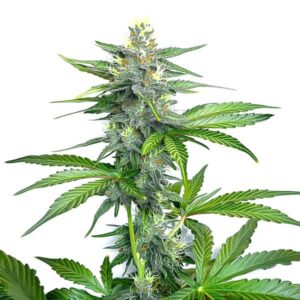
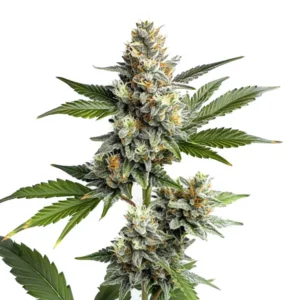
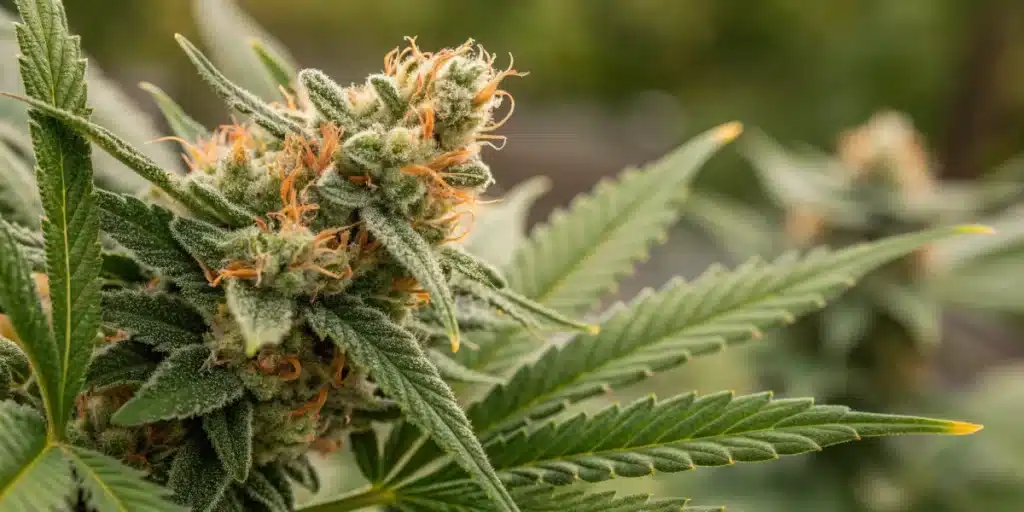
Stardawg is a sativa-dominant hybrid known for its robust growth and unique terpene profile. Its flowering time ranges from 9 to 10 weeks, producing vibrant buds rich in limonene and myrcene. This strain’s citrus-pine aroma and substantial yield make it a favorite among growers. Explore how its genetic lineage contributes to its resilience and potency.
Recommended Strains
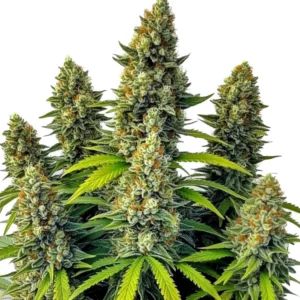
Stardawg

|
THC | 17% - 25% (High) |

|
Type | Feminized |

|
Yield | Low |

|
Phenotype | 45% Indica / 55% Sativa |
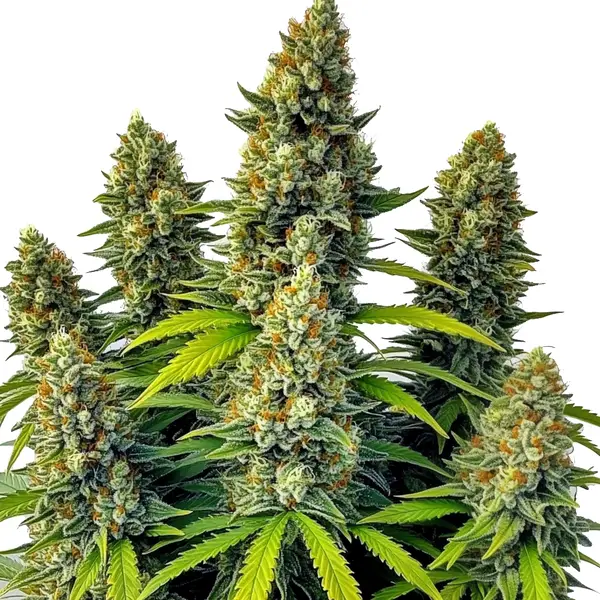
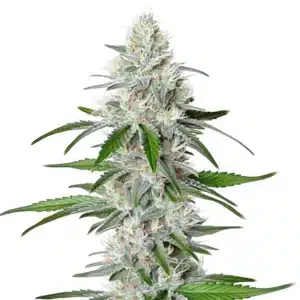
Chemdog Auto
|
|
THC | 18% - 20% (Medium) |
|
|
Type | Autoflowering |
|
|
Yield | Medium |
|
|
Phenotype | 60% Indica / 40% Sativa |
Stardawg Strain Overview
Origins and Genetics
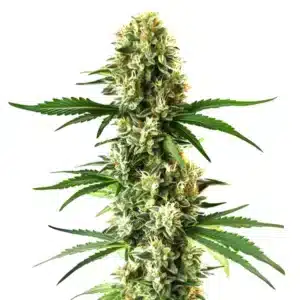
Stardawg is a celebrated hybrid, born from the union of Chemdawg 4 and Tres Dawg. This genetic combination results in a sativa-dominant profile, with 60% sativa and 40% indica. The Chemdawg lineage contributes to its potent effects and distinctive diesel aroma, while Tres Dawg enhances its growth vigor and resin production.
The genetic stability of Stardawg ensures consistent growth patterns, with plants reaching heights of up to 5.9 feet (1.8 meters). This strain’s robust genetic makeup makes it resilient to environmental stressors, allowing for successful cultivation in various climates.
In terms of genetic expression, Stardawg’s sativa dominance is evident in its tall, lanky structure and expansive branching. This morphology supports ample light penetration, crucial for maximizing photosynthesis and subsequent carbohydrate production. The strain’s metabolic pathways are optimized for efficient energy conversion, enhancing both growth rate and bud development.
Effects and Potency
Stardawg’s effects are characterized by a euphoric and energizing high, attributed to its high THC content of 17% to 25%. The presence of limonene, ranging from 0.5% to 1.0%, enhances the uplifting experience, while myrcene at 0.3% to 0.7% provides a calming undertone. This combination offers a balanced high suitable for both day and night use.
In terms of medicinal benefits, Stardawg is effective in relieving stress, fatigue, and pain. Its terpene profile, including humulene and eucalyptol, contributes to its anti-inflammatory properties, making it a popular choice for patients seeking natural relief.
The interaction between THC and the body’s endocannabinoid system primarily involves CB1 receptors, leading to altered neurotransmitter release. This mechanism underpins the strain’s mood-enhancing effects. Additionally, the presence of terpenes like limonene modulates serotonin and dopamine pathways, further amplifying its euphoric and stress-relieving properties.
Promos & Deals
Growing Stardawg Strain
Indoor vs Outdoor Cultivation
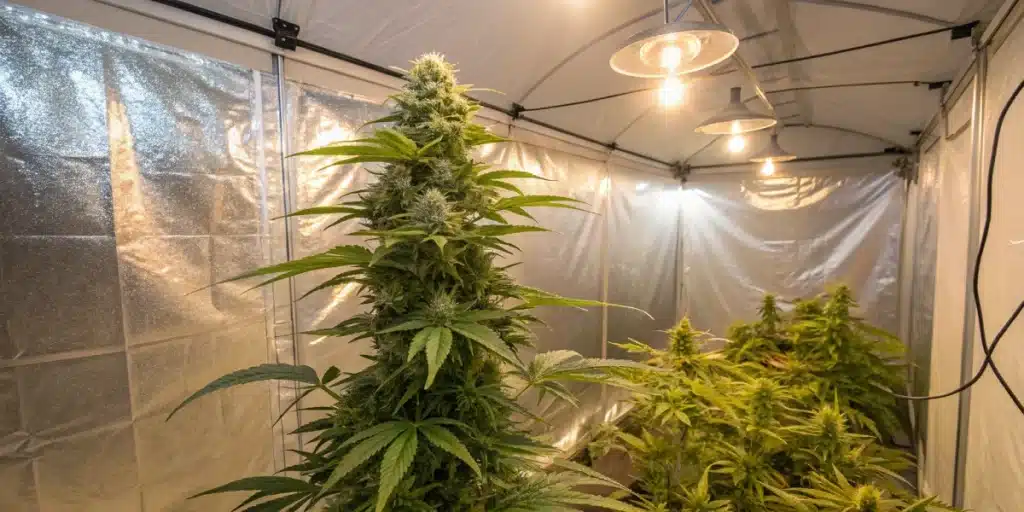
Stardawg thrives in both indoor and outdoor environments, offering flexibility for growers. Indoors, it requires a stable temperature of 70°F to 80°F (21°C to 27°C) during the day and 60°F to 70°F (16°C to 21°C) at night. Humidity should be maintained at 60% to 70% during vegetative growth, reducing to 40% to 50% in flowering to prevent mold.
For outdoor cultivation, choose a sunny, sheltered location with rich, well-draining soil. Amend the soil with compost or worm castings to enhance nutrient availability. Outdoor plants can yield up to 26 oz (750 g) per plant under optimal conditions.
Stardawg’s adaptability to various environments is partly due to its robust root system, which facilitates efficient nutrient uptake. During the vegetative phase, high nitrogen levels are crucial for promoting vigorous growth. As the plant transitions to flowering, a shift to high phosphorus and potassium nutrients supports bud development and resin production.
Stardawg Strain Yield
The yield of Stardawg is impressive, with indoor plants producing approximately 0.98 oz/ft² (300 g/m²). This yield is achieved through careful management of environmental conditions and nutrient delivery. Outdoor yields can reach up to 26 oz (750 g) per plant, contingent on factors such as sunlight exposure and soil quality.
Maximizing yield involves maintaining a consistent light schedule, using LED or HPS lighting for indoor grows. Implementing low-stress training (LST) can help increase bud sites and improve overall yield.
Proper lighting is critical for maximizing the stardawg yield. During the vegetative phase, a high-intensity light schedule of 16-24 hours is recommended to promote robust growth. Transitioning to a strict 12/12 photoperiod during flowering triggers hormonal changes that drive bud formation. This light manipulation is crucial for optimizing yield and potency.
| Feature / Merkmal | Stardawg | Chemdog Diesel Auto | Alien GG |
|---|---|---|---|
| THC Content | 17-25% | 18-24% | 20-28% |
| Yield (Indoor) | 0.98 oz/ft² | 1.0 oz/ft² | 1.2 oz/ft² |
| Flowering Time | 9-10 weeks | 8-9 weeks | 9-10 weeks |
| Height | 5.9 ft | 4.5 ft | 6.0 ft |
| Terpene Profile | Limonene, Myrcene | Caryophyllene, Limonene | Myrcene, Pinene |
Professional Tips for Growing Stardawg
- Maintain 58-62% RH during cure. Below 55% arrests terpene development; above 65% promotes Botrytis within 48h. Check with a calibrated digital hygrometer, never analog.
- Use a 12/12 light cycle for flowering. This triggers the photoperiodic response, ensuring robust bud development. Avoid light leaks that can stress plants and reduce yield.
- Feed with a bloom formula (1-3-2 NPK) at 75% strength during flowering. This supports bud growth and resin production. Overfeeding can lead to nutrient burn, stunting growth.
- Monitor VPD (Vapor Pressure Deficit) between 0.8-1.0 kPa. This optimizes transpiration and nutrient uptake, enhancing growth. Incorrect VPD can cause stress and poor yields.
- Implement low-stress training (LST) to increase light penetration and bud sites. This technique enhances yield and quality. High-stress methods can damage plants and reduce output.
- Ensure CO₂ levels are 800-1000 ppm during peak flowering. This boosts photosynthesis and yield. Inadequate CO₂ can limit growth potential.
FAQs about Stardawg
Is Stardawg a sativa or indica?
Stardawg is a sativa-dominant hybrid, composed of 60% sativa and 40% indica. This balance delivers an uplifting cerebral buzz with a touch of body relaxation, making it versatile for various times of the day. Its sativa dominance contributes to its energizing and euphoric effects, ideal for creative activities.
What strength is Stardawg?
Stardawg boasts a THC content ranging from 17% to 25%, making it a potent choice for both recreational and medicinal users. Its high THC levels contribute to its intense effects, providing a powerful euphoric and uplifting experience. This strength is complemented by a unique terpene profile that enhances its overall impact.
Where does Stardog come from?
Stardawg originates from a cross between Chemdawg 4 and Tres Dawg. This genetic lineage provides its characteristic diesel aroma and robust growth. The blend of these parent strains results in a sativa-dominant hybrid known for its potency and resilience, making it a popular choice among growers and consumers alike.
How does Stardawg compare to Haze?
While both Stardawg and Haze are sativa-dominant, Stardawg offers a more balanced hybrid experience with 40% indica. Haze typically provides a more intense cerebral high. Stardawg’s yield is substantial, with outdoor plants producing up to 26 oz per plant, whereas Haze often requires longer flowering times and more precise care.
Can Stardawg be used in edibles?
Yes, Stardawg can be used to make edibles, thanks to its high THC content of 17% to 25%. When decarboxylated, its cannabinoids are activated, making them suitable for infusion into oils or butters. Its terpene profile, including limonene and myrcene, can add unique flavors and effects to edibles.