How to Grow Master Kush Seeds

Quick Summary: Master Kush is a legendary Indica-dominant hybrid with Hindu Kush and Skunk genetics. Growing Master Kush seeds requires temperate climates (70-80°F), high phosphorus during an 8-10 week flowering phase, and vigilant humidity control (40-50%) to protect its dense, resinous buds from mold.
Guide to Grow Master Kush Seeds
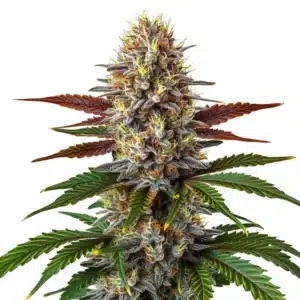
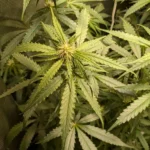
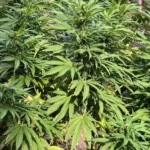
To successfully grow master kush seeds, you must understand the biological heritage of this award-winning strain. Master Kush is a world-famous Indica-dominant hybrid. It comes from the Hindu Kush region but includes Skunk lineage. This mix creates a master kush plant that is much stronger than pure landrace varieties. It produces thick, heavy buds that are dripping in resin. For growers, this means a high-yielding harvest, but it also requires careful management of airflow to prevent moisture from getting trapped in the dense floral clusters.
Recommended Strains
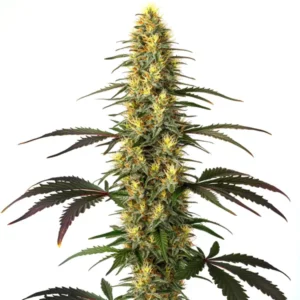
Master Kush

|
THC | 20% - 24% (Medium) |

|
Type | Feminized |

|
Yield | Medium |

|
Phenotype | 90% Indica / 10% Sativa |
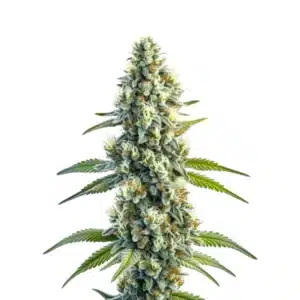
Master Kush Regular
|
|
THC | 20% - 22% (Medium) |
|
|
Type | Regular |
|
|
Yield | High |
|
|
Phenotype | 60% Indica / 40% Sativa |
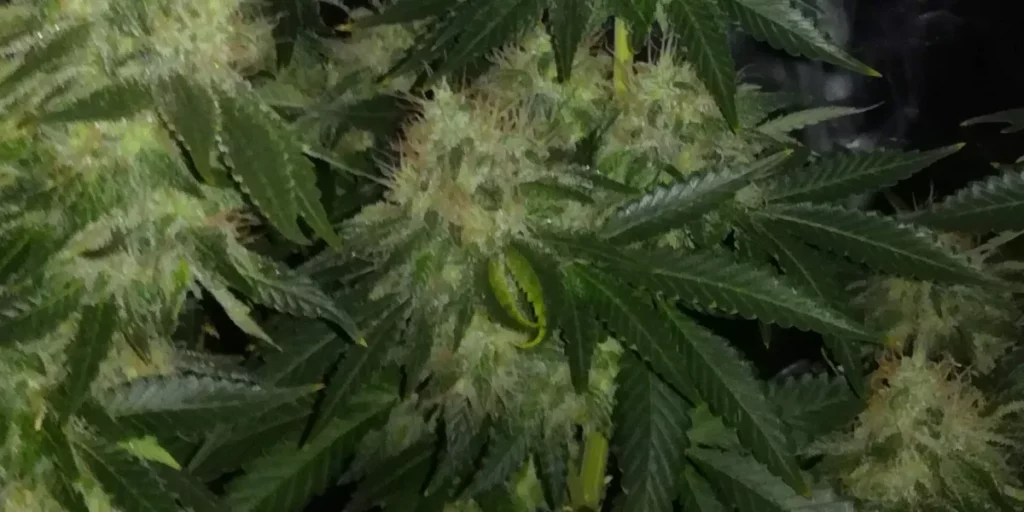
Biologically, the master kush strain focuses its energy on lateral growth and resin production. During the vegetative stage, it builds a stout frame with broad, dark-green leaves. These leaves act as solar panels, converting light into the energy needed for the complex master kush terpene profile. You will notice an earthy, pungent aroma with citrus notes early in the flowering stage. This is a sign that the plant is producing secondary metabolites like Myrcene and Limonene, which contribute to the famous “couch-lock” effect known as the entourage effect.
Optimal Environment and Climate Control
The master kush feminized plant loves a stable, temperate environment. During the day, keep temperatures between 70-80°F (21-27°C). At night, a slight drop of 5-10°F is healthy. This mimics the mountain air of its ancestral home. Indoors, use high-intensity LED or HPS lights. Ensure your lights provide a strong Photosynthetic Photon Flux Density (PPFD). High PPFD levels during flowering will maximize the density of the master kush seeds buds.
Humidity management is the most critical factor for this strain. Because the buds are so compact, they are prone to gray mold (Botrytis). During the vegetative phase, you can keep humidity at 60%. However, as soon as you switch to a 12/12 light cycle for flowering, drop the humidity to 40-50%. This dry air prevents fungal spores from germinating inside the flower tops. If you grow outdoors, pick a sunny spot with good wind exposure to naturally keep the plant dry.
| Feature | Master Kush | Hindu Kush | Critical Mass |
|---|---|---|---|
| Genotype | Indica Dominant Hybrid | Pure Indica Landrace | Indica Dominant Hybrid |
| Flowering Time | 8 – 10 Weeks | 7 – 9 Weeks | 8 – 9 Weeks |
| Yield Potential | High (Dense Buds) | Medium | Very High |
| Terpene Profile | Earth, Pine, Citrus | Sandalwood, Hash | Sweet, Skunk, Earth |
| Resistance | High (Pests/Resilience) | High (Cold) | Moderate (Mold Sensitive) |
| Difficulty | Beginner/Intermediate | Beginner | Intermediate |
Promos & Deals
Nutrient Management and Feeding (NPK Ratios)
Master Kush is a “heavy feeder.” To get the most out of your master kush seeds, you must provide a specific nutrient schedule. During the vegetative stage, use a fertilizer with high Nitrogen (N). A ratio like 3-1-2 is ideal. Nitrogen is the building block of chlorophyll and plant tissue. If the leaves turn pale green, increase the Nitrogen slightly. Stop fertilization 7-10 days before harvest to leach the nutrients. This “flushing” ensures your buds taste like terpenes, not fertilizer.
When the master kush plant enters the flowering stage, its needs shift dramatically. It requires less Nitrogen and much more Phosphorus (P) and Potassium (K). Switch to a “Bloom” formula with a ratio like 1-3-2. Phosphorus drives flower development and root strength. Potassium regulates the plant’s internal chemistry and water movement. Adding a “super bloom” booster in the middle of the flowering phase will help those buds swell to their maximum weight. Always check the pH of your water. Master Kush prefers a pH between 6.0 and 6.5 in soil to ensure all nutrients are available to the roots.
Strict Pest and Disease Protocol
Even though the master kush strain is resilient, its dense canopy can hide unwanted guests. Spider mites, thrips, and aphids are the main enemies. Check the undersides of the leaves daily with a 10x magnifier. If you see tiny spots or webbing, act immediately. Use organic Neem oil or insecticidal soap during the vegetative stage. Never spray anything on the buds during flowering, as this will ruin the master kush terpene quality and could be unsafe to consume.
Preventative care is better than a cure. Keep your grow room clean. Remove any dead leaves that fall on the soil, as they attract fungi like Pythium. Use a rotating fan to keep air moving through the center of the plant. This “air pruning” of the humidity microclimate around the leaves makes it very hard for mold to take hold. If a plant becomes rootbound, transplant it to a larger container immediately. A stressed root system weakens the plant’s natural immune system, making it an easy target for pests.
Professional Growing Tips
- Defoliation: Remove large fan leaves in the center of the plant during week 3 of flowering. This lets light reach the lower buds and improves airflow.
- LST (Low Stress Training): Gently bend the branches outward and tie them down. This breaks apical dominance and creates a flat canopy of multiple “main” buds.
- Silica Supplement: Add liquid silica to your nutrient mix. It strengthens cell walls, helping branches support the heavy weight of Master Kush buds.
- Trichome Inspection: Don’t harvest based on the calendar. Use a 30x microscope to look at the resin glands. Harvest when they turn milky-white with about 10% amber for the best potency.
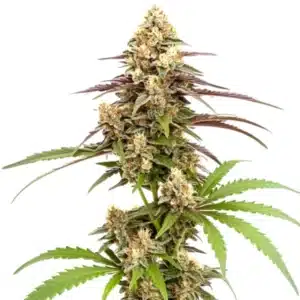
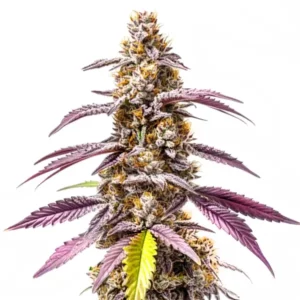
- Cold Finish: In the last week of flowering, drop the night temperature to 60°F. This can trigger the plant to produce beautiful purple hues in the leaves and buds.
FAQs
What are the ideal growing conditions for Master Kush Seeds?
Master Kush seeds need a temperate climate with daytime temps between 70-80°F (21-27°C). Because it produces very dense Indica buds, you must keep humidity low (40-50%) during the flowering stage. Good airflow is essential to prevent bud rot. It thrives in high-quality soil or hydroponic systems with a pH of 6.0-6.5.
How long does it take for Master Kush to flower?
On average, Master Kush has a flowering time of 8 to 10 weeks. The exact time depends on the phenotype and your light intensity. You should start checking the trichomes with a microscope at week 8. Look for cloudy resin heads to ensure the THC levels have peaked before you cut the plant.
What type of flavor profile does Master Kush Seeds offer?
This strain is famous for its “vintage” flavor. It has a heavy base of woody earthiness and pine. Because of its Master Kush terpene profile, you will also taste spicy pepper and subtle citrus. It is a very pungent strain that leaves a sweet, hash-like coat on the palate, highly valued by connoisseurs.
Are Master Kush seeds suitable for beginners?
Yes, Master Kush is excellent for beginners because it is very hardy and resists many common mistakes. It doesn’t stretch too much, making it easy to manage in small spaces. As long as you keep the humidity under control during the final weeks of flowering, it is a very forgiving and rewarding strain to grow.
What are the medicinal benefits of Master Kush Seeds?
Master Kush is widely used for pain management, insomnia, and stress relief. Its Indica-dominant genetics provide a strong body stone that relaxes muscles and numbs physical discomfort. Many medical users find it helpful for chronic anxiety because it provides a calm, euphoric mental state without the racing thoughts of a Sativa.