How To Grow Mango Kush

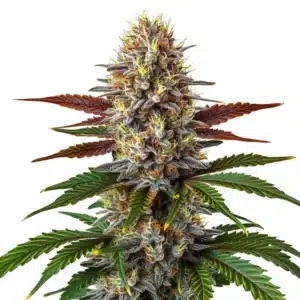
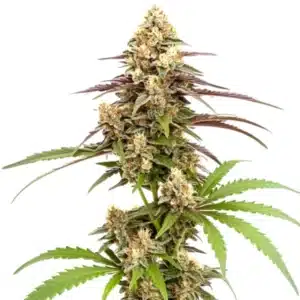
Mango Kush strain is a tropical-flavored hybrid known for its relaxing effects. With a THC content of 11-20% and a flowering period of 8-10 weeks, it offers a balanced high that leans towards Indica. Ideal for stress relief, Mango Kush provides a calming body sensation with a touch of cerebral euphoria, perfect for evening relaxation.
Mango Kush captivates with its unique terpene profile, featuring myrcene at 0.8-1.2% and caryophyllene at 0.4-0.7%. These terpenes contribute to its signature mango aroma and enhance its relaxing effects. The strain’s flowering time ranges from 8 to 10 weeks, making it a favorite among growers seeking a quick turnaround.
Recommended Strains
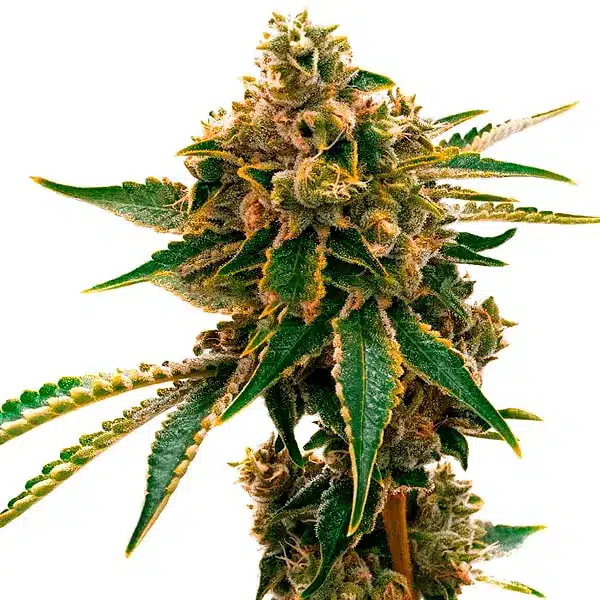
Mango Kush

|
THC | 11% - 20% (Medium) |

|
Type | Feminized |

|
Yield | Medium |

|
Phenotype | 80% Indica / 20% Sativa |

Mango
|
|
THC | 20% - 22% (Medium) |
|
|
Type | Feminized |
|
|
Yield | High |
|
|
Phenotype | 70% Indica / 30% Sativa |
Mango Kush Strain Overview
Is Mango Kush Indica or Sativa?
Mango Kush is a hybrid strain with a strong Indica dominance. Typically, it presents a 65% Indica to 35% Sativa ratio. This composition results in a relaxing body high, characteristic of Indica strains, while also offering a slight cerebral uplift from its Sativa lineage. The strain’s genetics stem from a cross between Mango and Hindu Kush, blending tropical flavors with earthy undertones.
The Indica dominance in Mango Kush weed strain is evident in its effects. Users often experience a soothing body relaxation, ideal for unwinding. The Sativa component adds a mild cerebral euphoria, enhancing mood without overwhelming. This balance makes it suitable for evening use, providing relief from stress and anxiety while maintaining mental clarity.
For optimal cultivation, maintain temperatures between 70-80°F (21-27°C) with humidity levels at 40-50% during flowering. These conditions support its Indica growth pattern, promoting dense, resinous buds. Avoid overwatering to prevent root rot, a common mistake that can hinder growth.
During the vegetative phase, Mango Kush plants benefit from high nitrogen levels. This promotes vigorous growth and prepares the plant for the flowering stage. As the plant transitions to flowering, reduce nitrogen and increase phosphorus and potassium to support bud development. This shift in nutrition is crucial for maximizing yield and potency.
The plant’s metabolism relies on efficient photosynthesis, converting CO2 and water into carbohydrates and oxygen. This process is enhanced by proper lighting and CO2-rich air, supporting robust growth. Ensure the light spectrum mimics natural sunlight for optimal photosynthesis and terpene production.
Mango Kush Strain Effects
Mango Kush delivers a balanced high with a focus on relaxation. Its effects are primarily body-centric, offering a soothing sensation that can ease tension and stress. With THC levels ranging from 11-20%, it provides a potent yet manageable experience, suitable for both novice and experienced users.
The strain’s terpene profile, dominated by myrcene and caryophyllene, enhances its calming effects. Myrcene, at 0.8-1.2%, facilitates the absorption of THC, intensifying the high. Caryophyllene, at 0.4-0.7%, adds anti-inflammatory properties, making Mango Kush beneficial for pain relief and relaxation.
To maximize the strain’s effects, ensure proper curing at 58-62% RH. This preserves terpenes and cannabinoids, enhancing the overall experience. Avoid curing above 65% RH to prevent mold, a common pitfall that can compromise quality.
During consumption, Mango Kush’s interaction with the endocannabinoid system is significant. THC binds to CB1 receptors, primarily found in the brain, inducing euphoria and relaxation. The presence of caryophyllene, a unique terpene that also acts as a cannabinoid, binds to CB2 receptors, providing anti-inflammatory benefits without psychoactive effects.
For those using Mango Kush in edibles, decarboxylation is essential. This process activates THC, ensuring the psychoactive effects are present in the final product. The unique flavor profile of Mango Kush enhances culinary creations, offering a tropical twist to traditional cannabis-infused dishes.
Promos & Deals
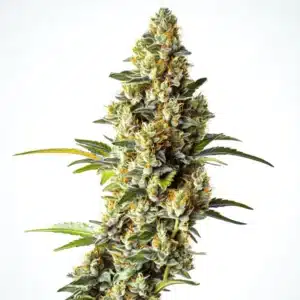
Growing Mango Kush
Environmental Requirements
Mango Kush thrives in a warm, tropical climate, with optimal daytime temperatures of 70-80°F (21-27°C). Nighttime temperatures should be slightly cooler, around 60-70°F (15-21°C). Consistent temperature and humidity control are crucial to prevent stress and potential mold issues.
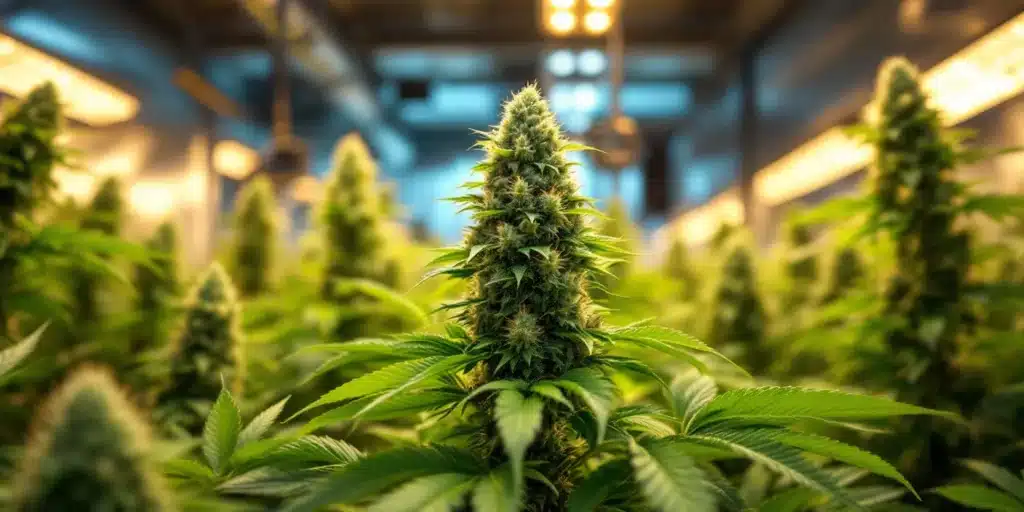
For indoor cultivation, use high-quality LED grow lights to provide the necessary light spectrum. During the vegetative stage, maintain an 18/6 light cycle, transitioning to 12/12 for flowering. This ensures robust growth and maximizes yield potential, which can reach 1.5-1.8 oz/ft² (450-550 g/m²) indoors.
Common mistakes include inadequate ventilation, leading to heat buildup and poor air circulation. Implement an exhaust system with a carbon filter to control odors and maintain fresh airflow. This prevents environmental stressors that can hinder growth.
During the flowering stage, maintaining a strict 12/12 photoperiod is essential. This mimics the natural light cycle, triggering the plant’s flowering response. The reduction in light hours signals the plant to focus energy on bud production, enhancing yield and potency.
Humidity management is crucial during flowering. Keeping levels between 40-50% RH prevents bud rot and mold, common issues in dense Indica strains like Mango Kush. Use dehumidifiers if necessary to maintain optimal conditions, ensuring healthy bud development.
Indoor vs. Outdoor Cultivation
Indoor cultivation offers precise control over environmental factors, crucial for Mango Kush’s success. Use reflective materials to maximize light distribution and avoid light leaks that disrupt flowering. Choose a soil or hydroponic medium with a pH of 6.0-6.5 for optimal nutrient absorption.
Outdoor growers should select a location with ample sunlight and well-draining soil. In cooler regions, consider using a greenhouse to extend the growing season and protect plants from adverse weather. Outdoor yields can reach 21-25 oz/plant (600-700 g/plant) under ideal conditions.
Avoid overcrowding plants, a common mistake that restricts airflow and increases disease risk. Space plants adequately to promote healthy growth and maximize light exposure.
Outdoor cultivation of Mango Kush benefits from natural sunlight, which provides a full spectrum of light. This enhances terpene production, contributing to the strain’s distinctive aroma and flavor. However, outdoor growers must monitor weather conditions closely to prevent stress from temperature fluctuations.
In both indoor and outdoor settings, regular pruning and training techniques, such as topping and low-stress training (LST), can improve light penetration and airflow. These practices encourage even canopy development and maximize yield potential.
| Feature / Merkmal | Mango Kush | Runtz Auto | Lemon Z OG Auto |
|---|---|---|---|
| THC Content | 11-20% | 18-22% | 18-22% |
| Flowering Time | 8-10 weeks | 8-9 weeks | 10-12 weeks |
| Yield (Indoor) | 1.31 oz/ft² | 400 g/m² | 1.8 – 1.97 oz/ft² | 550 – 600 g/m² | 1.97 – 2.46 oz/ft² | 600 – 750 g/m² |
| Primary Terpenes | Caryophyllene | Caryophyllene | Caryophyllene |
| Genetic Lineage | Mango x Hindu Kush | Runtz x BF Super Auto #1 | Zkittlez x Las Vegas Lemon Skunk |
Mango Kush Seeds and Genetics
Where to Buy Mango Kush Seeds
Blimburn Seeds offers feminized Mango Kush seeds, ensuring genetic stability and high-quality yields. These seeds are ideal for both novice and experienced growers, providing a reliable foundation for successful cultivation. The availability of feminized seeds eliminates the risk of male plants, ensuring a productive harvest.
When purchasing Mango Kush seeds, look for reputable seed banks that guarantee authenticity and quality. Blimburn Seeds is a trusted source, offering a wide selection of cannabis seeds, including Mango Kush. Their seeds are known for their robust genetics and consistent performance.
Avoid purchasing seeds from unverified sources, as this can lead to poor germination rates and inconsistent plant growth. Always choose seeds from reputable suppliers to ensure the best results.
The genetics of Mango Kush are a blend of Mango and Hindu Kush, resulting in a strain with a unique terpene profile and robust growth characteristics. This genetic lineage contributes to the plant’s resilience and adaptability, making it a suitable choice for various growing environments.
Knowing the genetic makeup of Mango Kush can help growers anticipate potential challenges and optimize cultivation practices. The strain’s Indica dominance influences its growth pattern, favoring compact, bushy plants with dense buds. This trait is beneficial for indoor growers with limited space, much like the Sweet Kush strain.
FAQs About Mango Kush
Is Mango Kush a good strain?
Yes, Mango Kush is highly regarded for its tropical flavor and balanced effects. With THC levels between 16-18%, it offers a relaxing body high and mild cerebral euphoria. Its unique terpene profile, featuring myrcene and caryophyllene, enhances its calming effects, making it popular for stress relief and relaxation.
Does Mango Kush make you sleepy?
Yes, Mango Kush can induce sleepiness due to its Indica dominance. The strain’s relaxing effects, combined with its myrcene content of 0.8-1.2%, promote a calming sensation that can aid in sleep. It’s ideal for evening use, helping to unwind and prepare for a restful night’s sleep.
What are the main flavors and aromas of Mango Kush?
Mango Kush is renowned for its tropical mango flavor, complemented by hints of banana and earthy undertones. The aroma is a delightful mix of sweet mango and a slight pungent earthiness. This unique flavor profile is attributed to its terpene content, primarily myrcene and caryophyllene.
How long does it take for Mango Kush to flower?
Mango Kush typically flowers in 8-10 weeks. This relatively short flowering period makes it an attractive option for growers seeking a quick turnaround. Monitoring trichome development is crucial to determine the optimal harvest time, ensuring the best balance of cannabinoids and terpenes.
Can I use Mango Kush in edibles?
Yes, Mango Kush can be used in edibles, offering a unique tropical flavor. Its THC content of 16-18% provides a balanced high, suitable for various culinary applications. Decarboxylate the cannabis before infusion to activate THC, ensuring the desired potency and effects in your edibles.