Using Carbon Filters to Control Cannabis Odor

Effective Odor Control: Carbon filters are crucial for managing cannabis odor, especially indoors. The use of activated carbon allows these filters to adsorb odor molecules efficiently. Expert growers note that a well-installed carbon filter can decrease cannabis odor by up to 90%, making it a top choice for maintaining discretion in cultivation environments.
Mastering cannabis cultivation involves more than just plant care; odor control is a critical aspect. Terpenes, which contribute to cannabis’s distinctive aroma, can be managed effectively with carbon filters. These filters work by adsorbing odor molecules, ensuring a neutral environment. With flowering times ranging from 8-10 weeks, maintaining discretion throughout the grow cycle is essential for many cultivators.
Recommended Strains

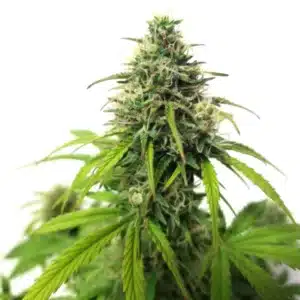
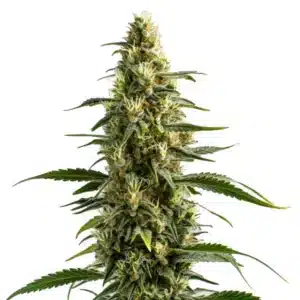
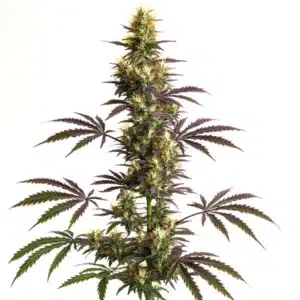
Amnesia Haze Auto

|
THC | 16% - 17% (Medium) |

|
Type | Autoflowering |

|
Yield | Medium |

|
Phenotype | 25% Indica / 75% Sativa |

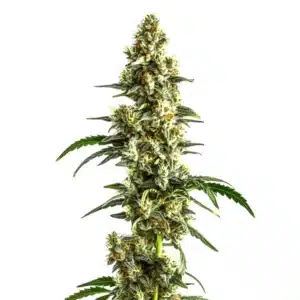
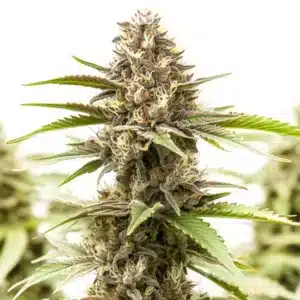
Sour Diesel Regular
|
|
THC | 21% - 23% (Medium) |
|
|
Type | Regular |
|
|
Yield | High |
|
|
Phenotype | 30% Indica / 70% Sativa |
How Carbon Filters Work
The Science Behind Activated Carbon
Activated carbon filters operate through adsorption, a process where odor molecules adhere to the surface of the carbon. This is achieved by treating carbon with oxygen, creating millions of tiny pores that increase the surface area, allowing for effective odor capture. The effectiveness of an activated carbon filter is measured by its iodine number, typically ranging from 600 to 1200 mg/g, indicating its adsorption capacity.
Carbon filters are specifically designed to remove smell by trapping odor particles. This is crucial for cannabis cultivators who need to manage the strong scents produced during the flowering stage. Carbon filter air systems are integral in maintaining a neutral odor environment, ensuring that the aroma does not escape the grow area.
Practical Application & Impact
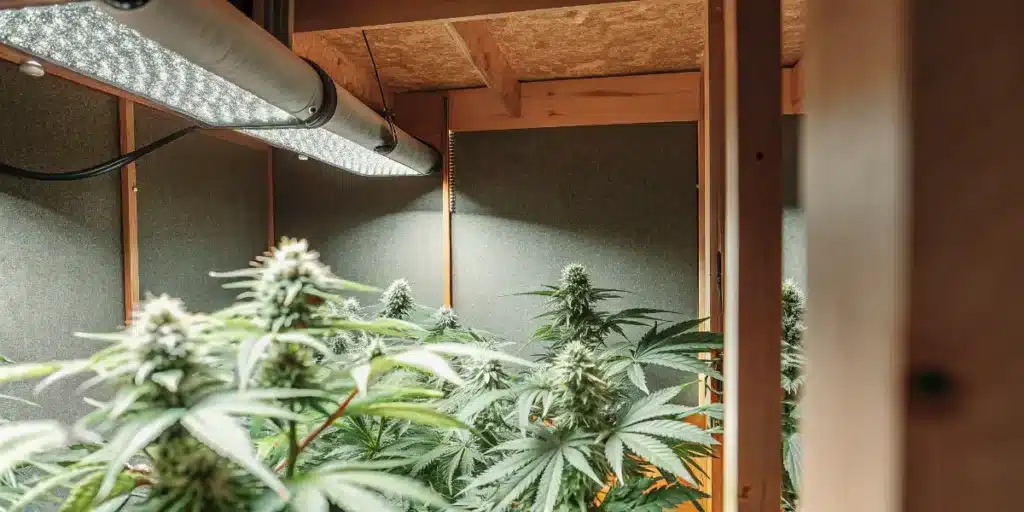
For optimal performance, carbon filters should be replaced every 12 to 18 months, depending on usage and environmental conditions. The placement of the filter within the grow room is critical; it should be positioned at the highest point where heat rises, ensuring maximum odor capture. This setup is particularly effective in grow rooms where maintaining discretion is a priority.
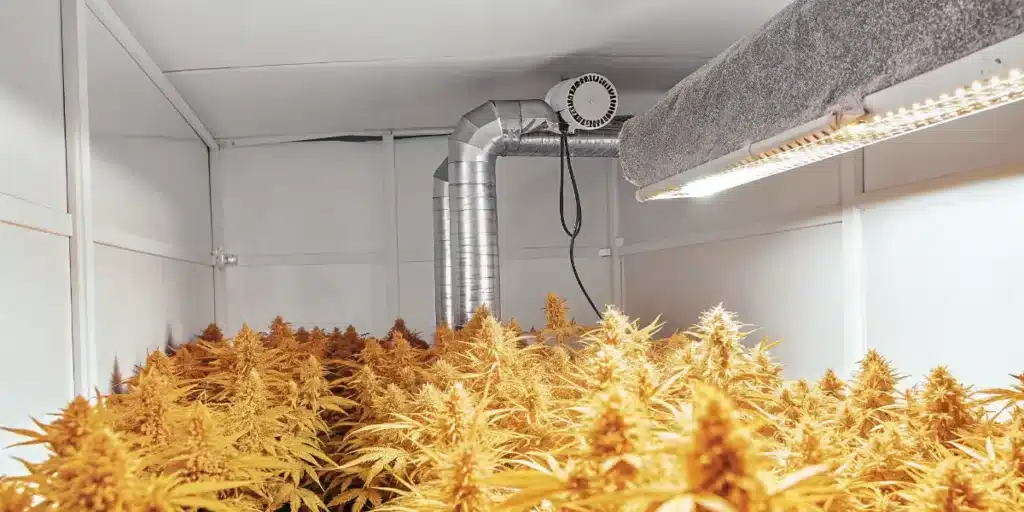
Experienced growers recommend using a carbon exhaust filter to enhance odor control. This involves connecting the filter to an exhaust fan, which pulls air through the filter, trapping odors before they exit the grow space. Proper installation and maintenance are key to maximizing the filter’s efficiency.
Promos & Deals

Using Carbon Filters to Control Cannabis Odor
Installation Tips for Maximum Efficiency
When installing carbon filters, ensure they are securely attached to the exhaust system to prevent air leaks. A carbon exhaust filter should be placed strategically to maximize odor control, typically at the end of the exhaust line. This setup ensures that all air leaving the grow room passes through the filter, effectively neutralizing odors.
Carbon filters are highly effective in grow rooms when installed correctly. The filter’s size and airflow capacity must match the grow room’s volume to ensure efficient odor removal. A mismatch can lead to reduced performance and persistent odors.
Common Issues and Solutions
One common issue with carbon filters is airflow restriction, which can occur if the filter is too dense or clogged. Regular maintenance, including checking for blockages and replacing filters as needed, can prevent this. Additionally, ensuring the exhaust system is free of obstructions will maintain optimal airflow.
Another challenge is selecting the right filter for your setup. Consider factors like the grow room size and the number of plants when choosing a carbon filter for a grow tent. This ensures that the filter can handle the volume of air and odor produced.
Advantages and Disadvantages of Carbon Filters
Benefits of Using Carbon Filters
Carbon filters offer a reliable solution for odor control, making them indispensable for indoor cannabis cultivation. They effectively capture odor molecules, ensuring a discreet growing environment. While smoking carbon filters are common, their application in cannabis cultivation focuses on ambient odor control, which is crucial for maintaining privacy.
These filters are also beneficial in reducing the risk of mold and mildew by maintaining proper airflow and humidity levels. This is especially important in environments where humidity can exceed 70%, as high moisture levels can promote mold growth.
Potential Downsides
Despite their benefits, carbon filters have some drawbacks. They can be costly, with prices ranging from $50 to $200 depending on size and quality. Additionally, they require regular maintenance and replacement, which can add to the overall cost of cultivation.
Another disadvantage is that carbon filters do not eliminate all odors, particularly if they are not properly maintained. Regular checks and timely replacements are necessary to ensure they function effectively. Ignoring maintenance can lead to reduced odor control and increased risk of mold.
Choosing the Best Carbon Filter for Cannabis
Factors to Consider
Selecting the best carbon filter for cannabis involves considering factors like size and airflow. The filter must match the grow room’s volume to ensure effective odor control. A carbon filter for a grow tent should be chosen based on the tent’s size and the number of plants it houses.
When choosing a filter, consider its lifespan and maintenance requirements. Some filters offer longer lifespans and require less frequent replacement, which can be cost-effective in the long run. Additionally, look for filters with high iodine numbers, indicating greater adsorption capacity.
Comparison of Popular Carbon Filters
Comparing different carbon filters can help you make an informed decision. Consider factors such as price, lifespan, and adsorption capacity. This will ensure you choose a filter that meets your specific needs and budget.
It’s important to balance cost and performance when selecting a filter. While cheaper options may seem appealing, they often require more frequent replacements, which can increase costs over time.
| Feature | Sour Diesel Regular | Amnesia Haze Auto | Blue Dream Auto |
|---|---|---|---|
| THC Content | 21-23% | 16-17% | 10-13% |
| Dominant Terpene | Caryophyllene | Limonene | Myrcene |
| Effect | Happy, Relaxed, Uplifted | Aroused, Energetic, Euphoric | Focused, Happy, Relaxed |
| Flavor Profile | Diesel, Fruity, Lemon | Earthy, Spicy, Sweet | Citrus, Spicy, Woody |
| Flowering Time | 8-10 weeks | 9-11 weeks | 7-9 weeks |
Professional Tips for Using Carbon Filters
- Ensure the carbon filter’s airflow capacity matches the grow room’s volume. Mismatched sizes can lead to ineffective odor control.
- Replace carbon filters every 12-18 months to maintain optimal performance. Neglecting this can lead to reduced odor capture.
- Install carbon filters at the highest point in the grow room to capture rising heat and odors effectively.
- Use a carbon exhaust filter to enhance odor control by connecting it to an exhaust fan.
- Regularly check for blockages in the exhaust system to maintain proper airflow and filter efficiency.
- Consider the filter’s iodine number when purchasing, as higher numbers indicate greater adsorption capacity.
FAQs About Carbon Filters and Cannabis Odor
Do carbon filters really remove smell?
Yes, carbon filters effectively remove cannabis odor by adsorbing odor molecules onto activated carbon. When properly installed and maintained, they can reduce odor by up to 90%, providing a discreet growing environment. Regular replacement and proper sizing are essential for maintaining their effectiveness.
What are the disadvantages of using a carbon filter?
The main disadvantages include cost and maintenance. Carbon filters can be expensive, ranging from $50 to $200, and require regular replacement every 12-18 months. If not maintained, their effectiveness decreases, leading to persistent odors.
How to reduce cannabis odor?
Reducing cannabis odor involves using carbon filters, maintaining proper airflow, and ensuring regular filter maintenance. Positioning filters at high points in the grow room maximizes odor capture. Additionally, sealing any air leaks in the grow space prevents odors from escaping.
How often should carbon filters be replaced?
Carbon filters should be replaced every 12 to 18 months, depending on usage and environmental conditions. Regular replacement ensures optimal performance and effective odor control. Delaying replacement can lead to reduced efficiency and persistent odors.
Can carbon filters remove all odors?
While carbon filters are highly effective, they may not remove all odors, especially if not properly maintained. Regular checks and timely replacements are crucial for maintaining their effectiveness. Ensuring the filter matches the grow room’s size also enhances odor control.